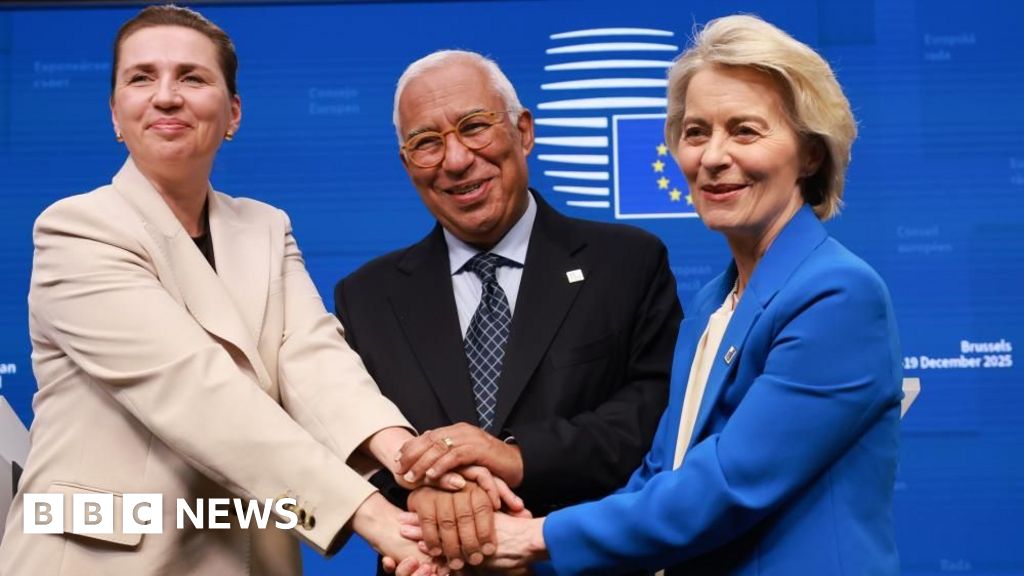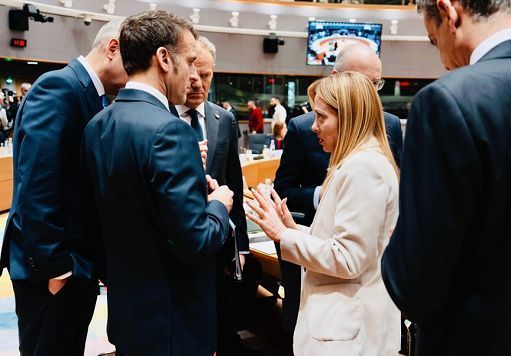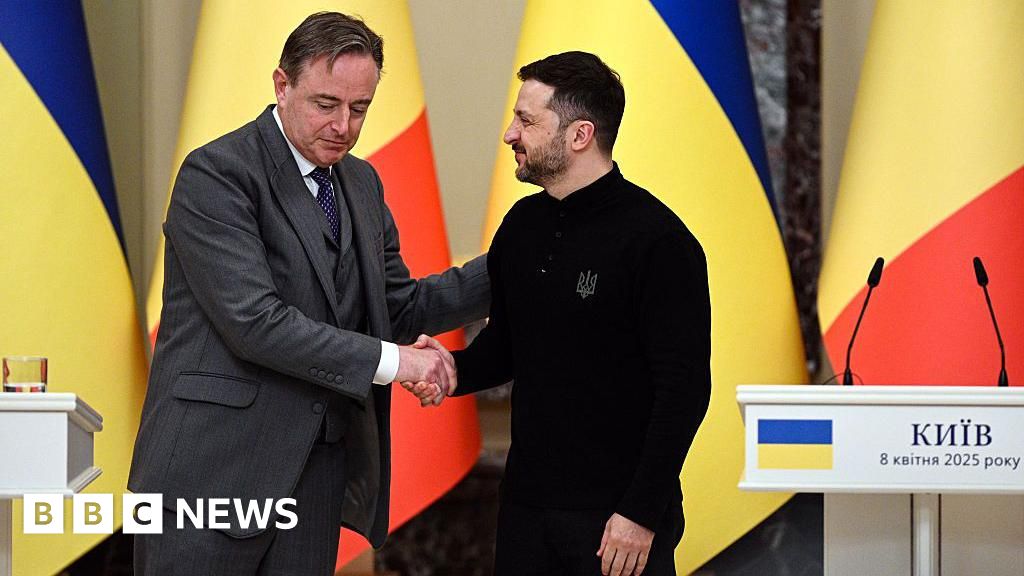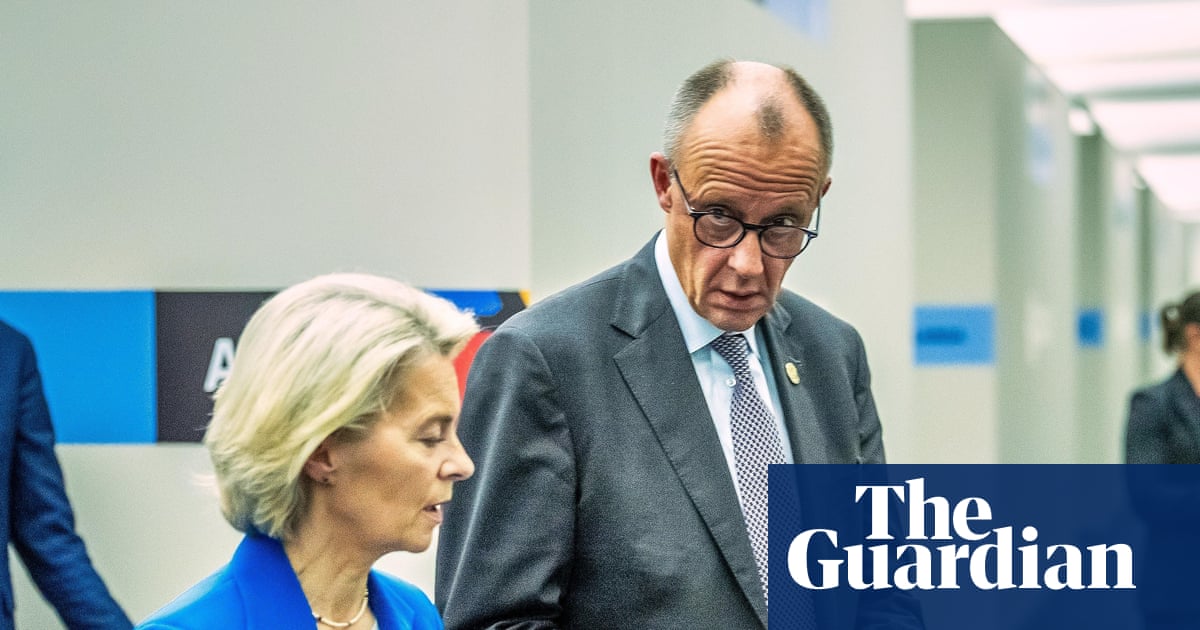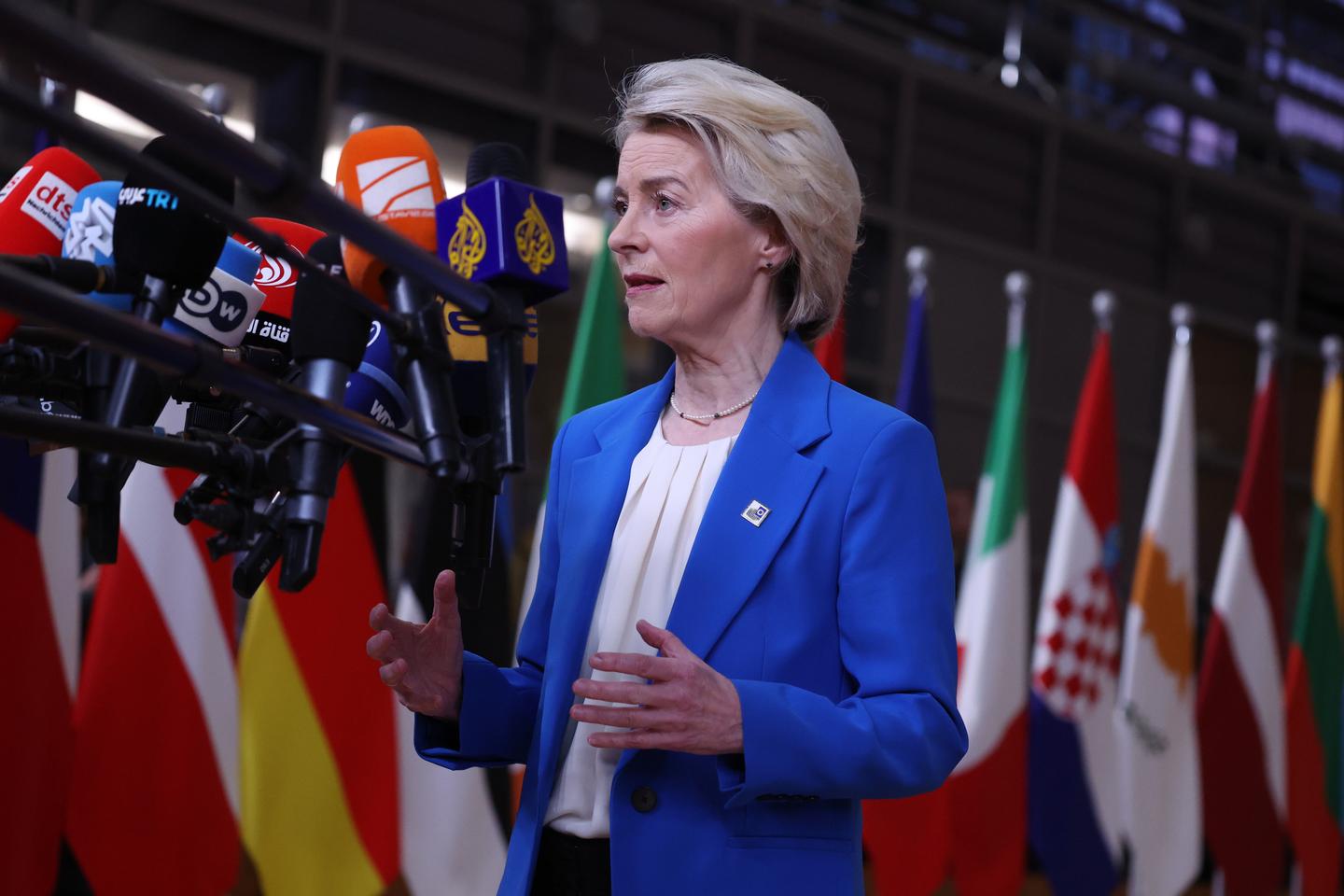
European Commission President Ursula von der Leyen arrives at an EU summit in Brussels on December 18, 2025. OMAR HAVANA / AP
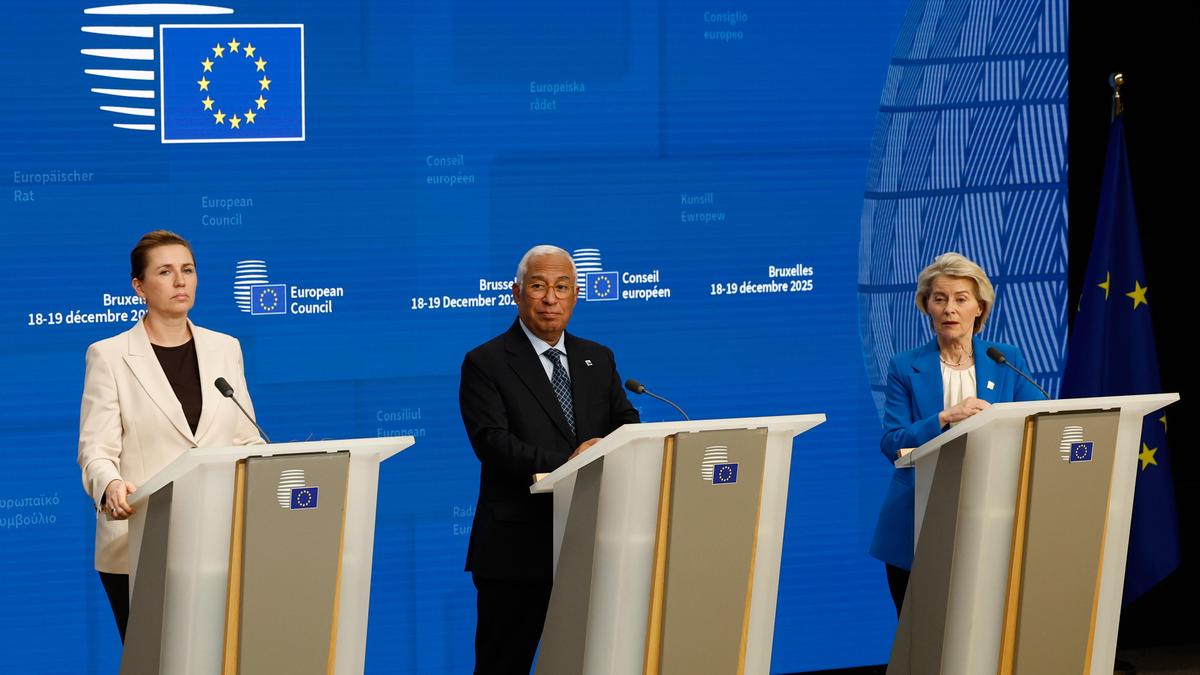
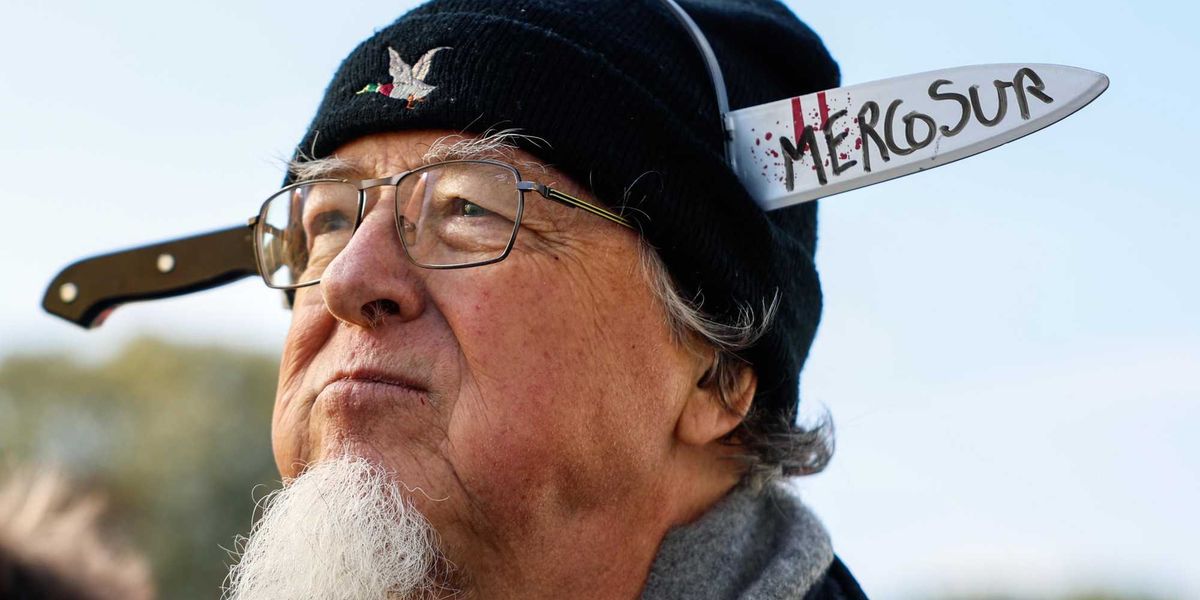
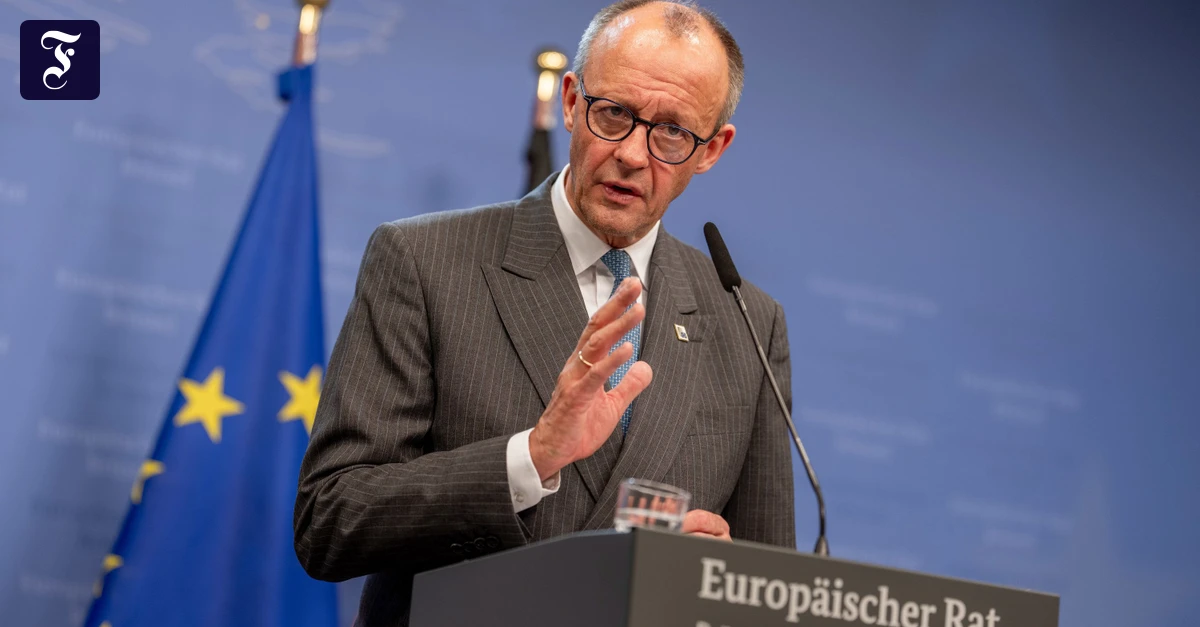
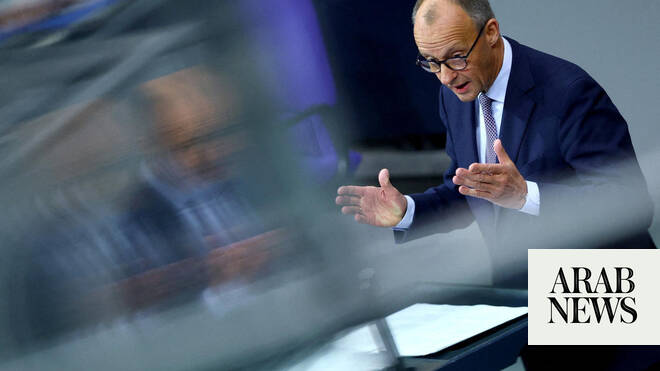
For Friedrich Merz, who aims to be Europe's strongest figure, the meeting of European leaders held in Brussels on Thursday, December 18, ended in failure. The German chancellor had come to the Belgian capital with two objectives. First, to convince European Union member states to use frozen Russian assets to fund Ukraine's war effort. And second, to secure a mandate for Commission President Ursula von der Leyen to sign, in Brazil on Saturday, the free trade agreement with four countries in the Mercosur trade bloc (Argentina, Brazil, Paraguay and Uruguay) that had been concluded a year earlier.
Subscribers only
Why the EU decided to freeze Russian sovereign assets in Europe until the Ukraine war ends
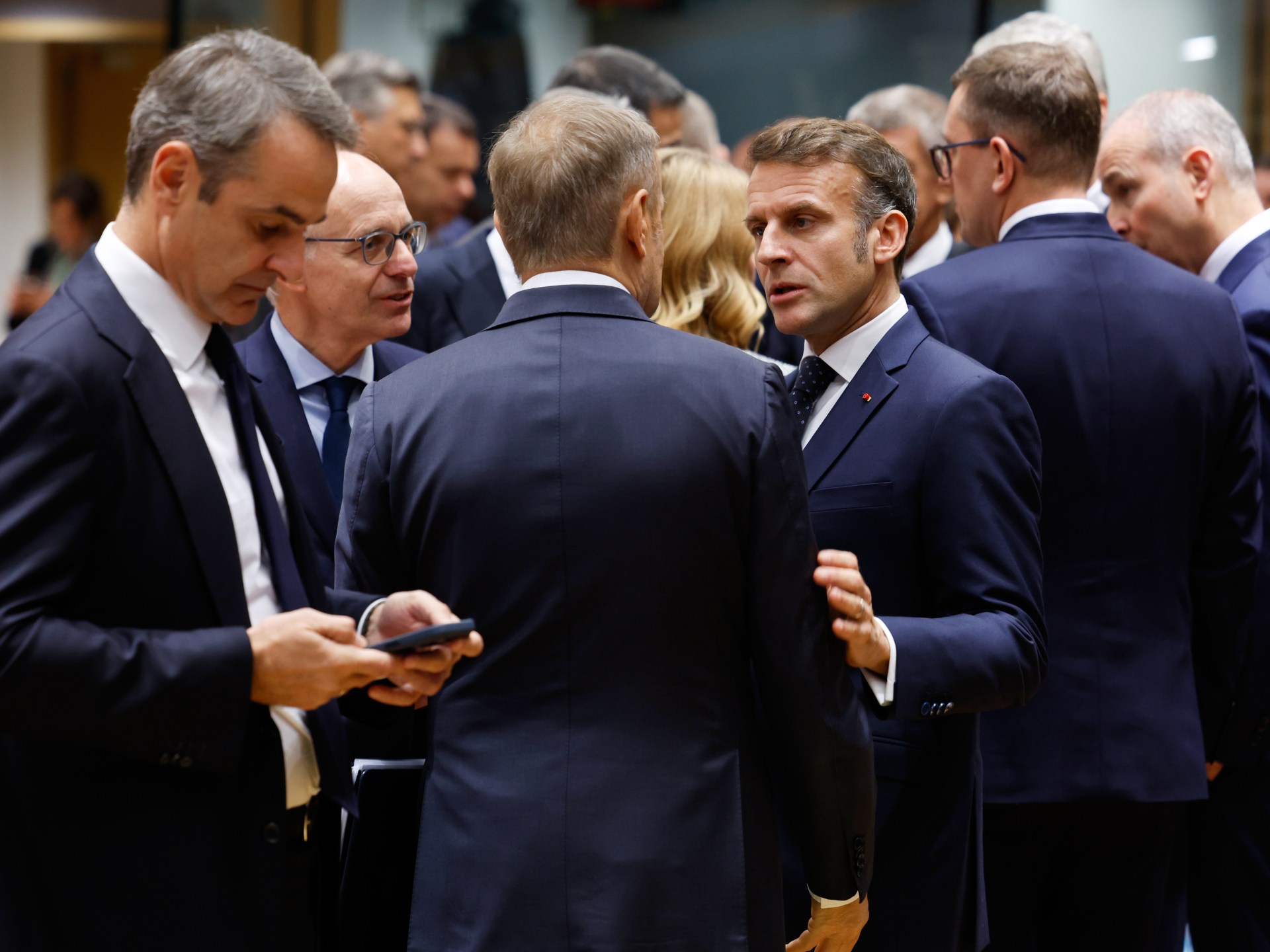
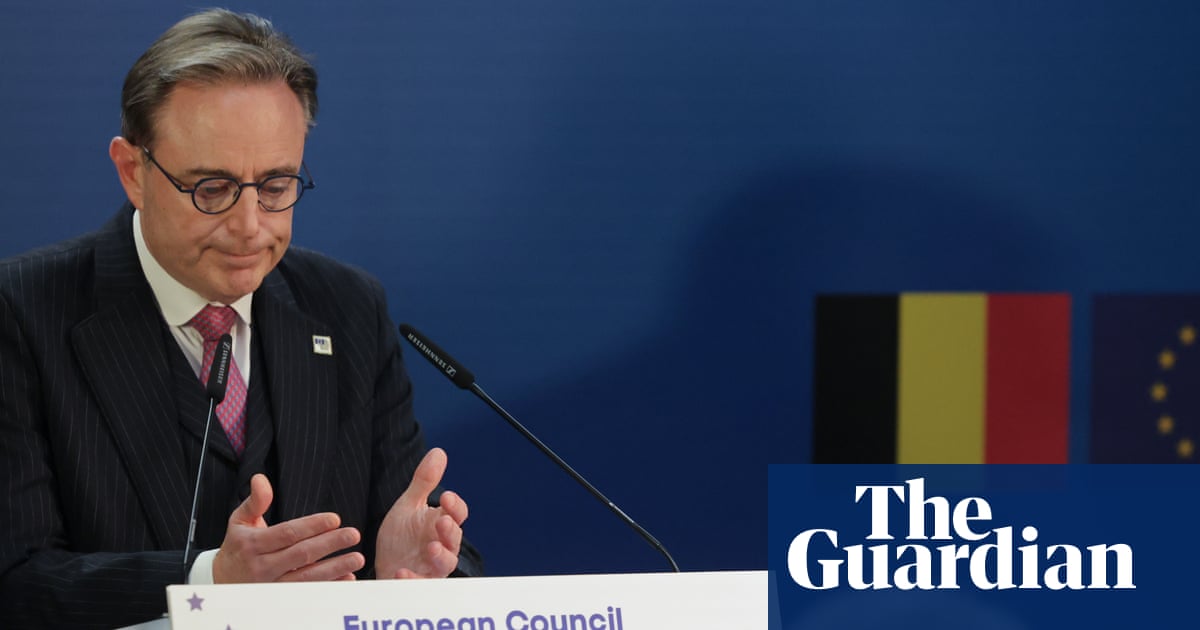
He argued that both issues concerned Europe's credibility on the global geopolitical stage. However, on the subject of the Ukrainian reparations loan, Merz failed to overcome the objections of Belgian Prime Minister Bart De Wever, who was worried about the risks the measure would pose for Belgium, where most of the Russian assets are held, as well as for the stability of the euro. "I'm worse than Orban," said De Wever, referring to Hungarian Prime Minister Viktor Orban, who is always quick to use his veto power in EU consensus decisions. On the Mercosur issue, it was Italian Prime Minister Giorgia Meloni who disrupted Merz's plans by joining forces with French President Emmanuel Macron.