This €90bn agreement won out over a plan to use frozen Russian assets, but has been hailed a ‘huge deal for the EU’
The EU’s failure to agree a “reparations loan” to Ukraine backed by frozen Russian assets was a political blow to the bloc’s big beasts, but the last-gasp alternative it devised will do the job – and marks a potentially significant first.
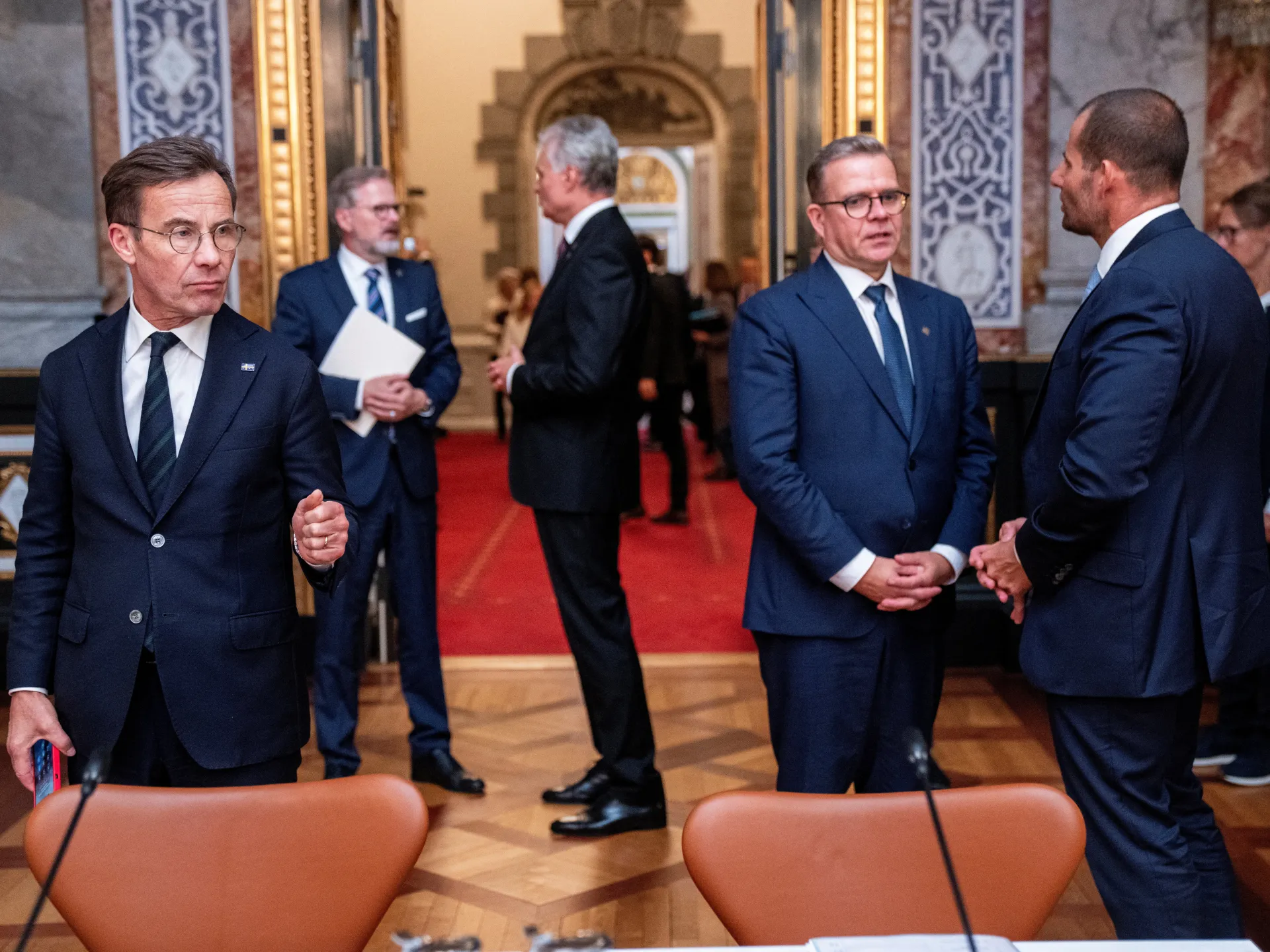
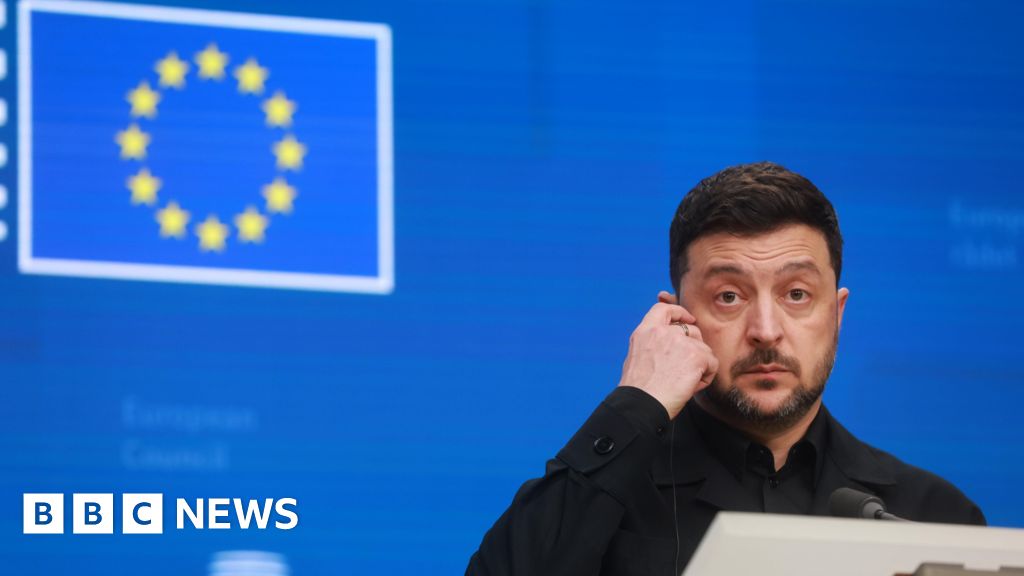
After a marathon 16 hours of talks, EU leaders early on Friday agreed to fund Ukraine, which risked running out of money by next April, with a much-needed €90bn (£79bn) loan. But the solution they came up with was not the one most had wanted.
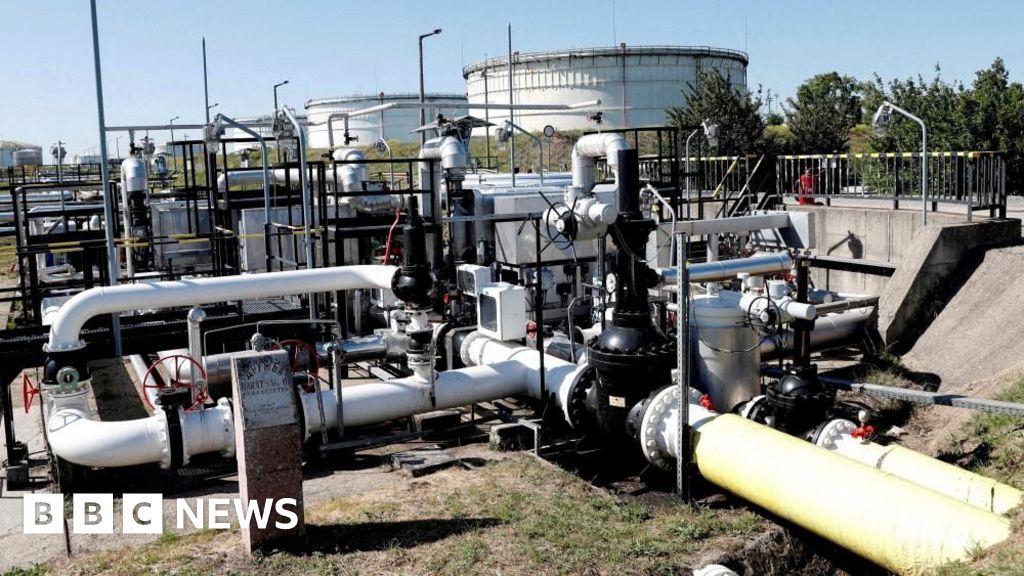
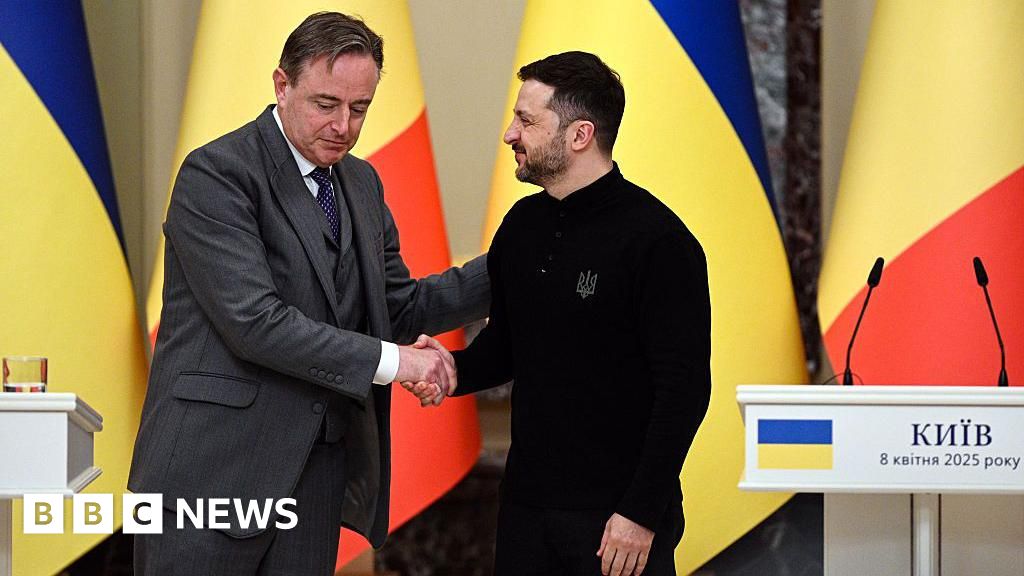
More than two months ago, the European Commission floated a plan to provide a loan to Kyiv secured against some of the €210bn of Russian central bank assets frozen in Europe, most of which are held at the Euroclear clearing house in Belgium.
The idea was for the EU to borrow from Euroclear in order to lend to Ukraine. Russia would remain the legal owner of the assets, and Kyiv would repay the loan using Russian reparations after the war, with the EU then reimbursing Euroclear.