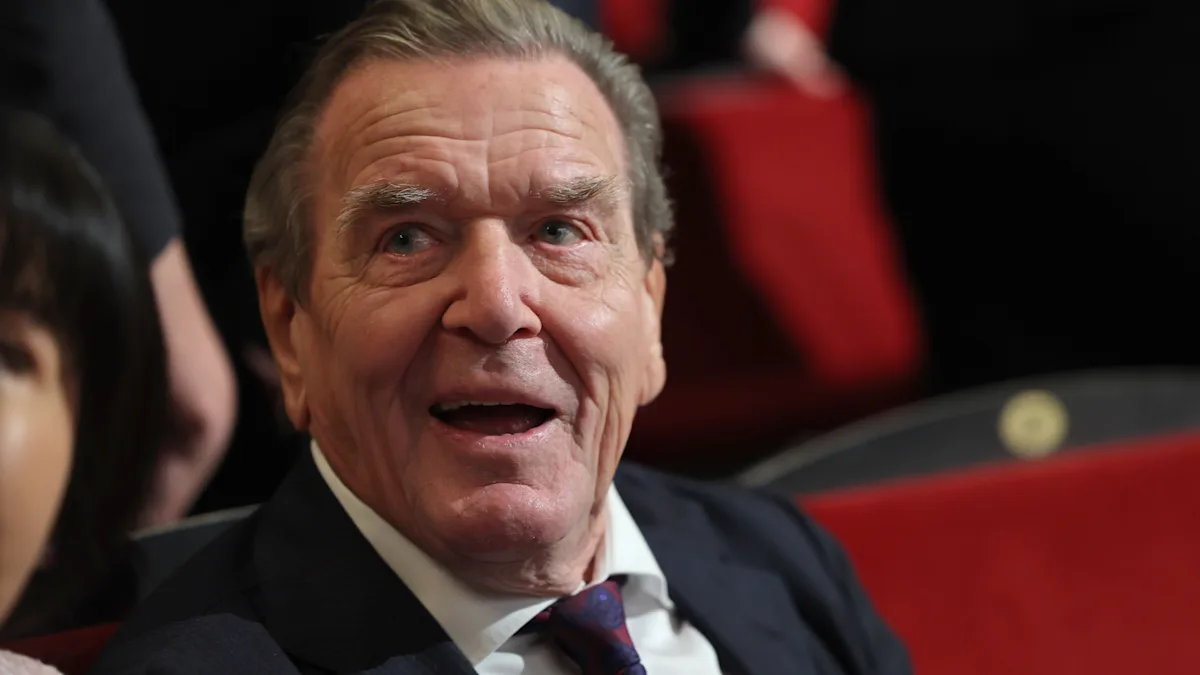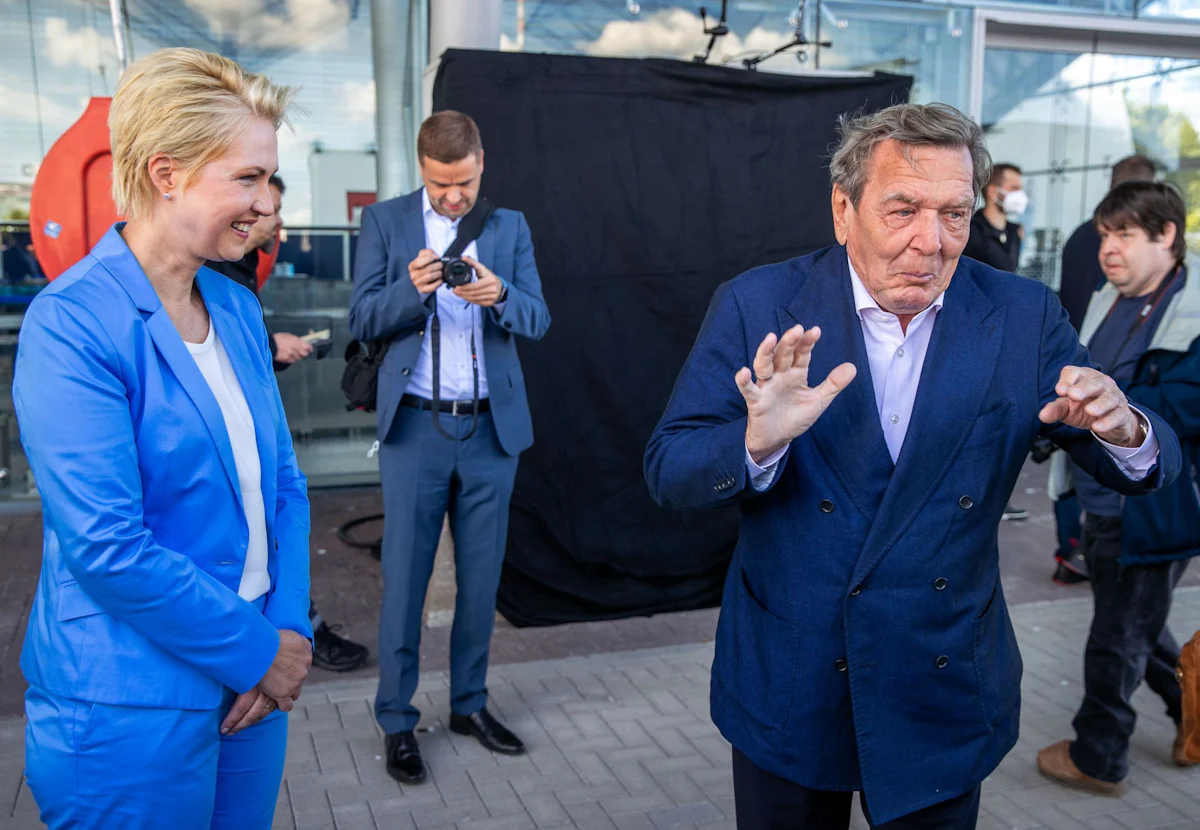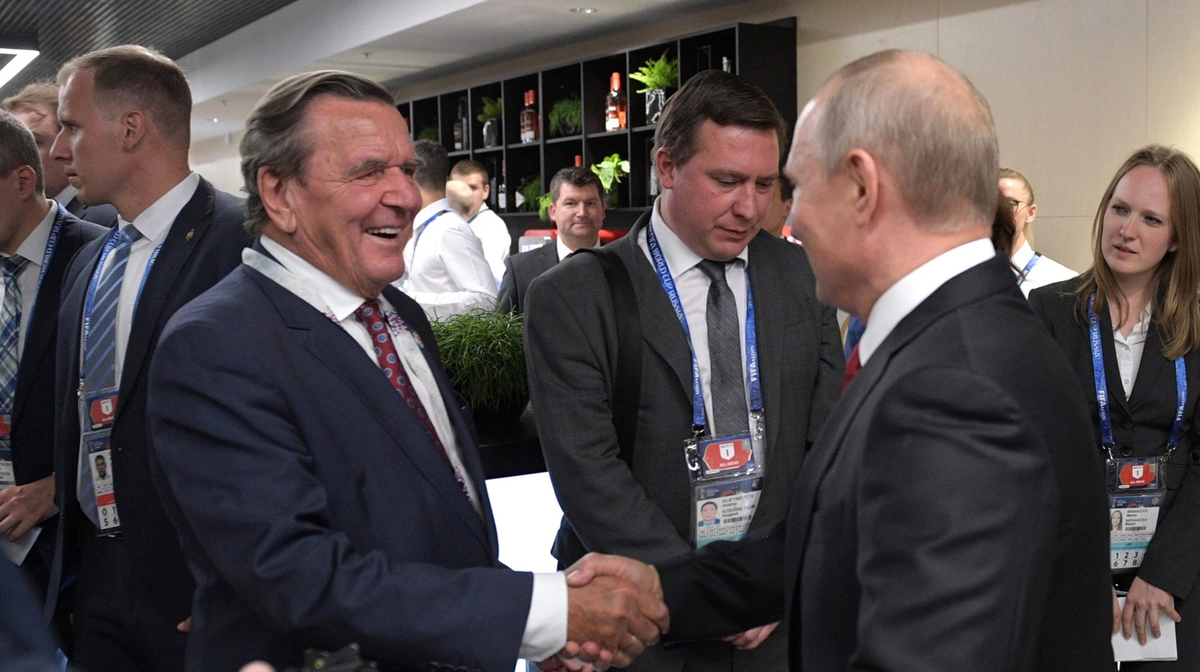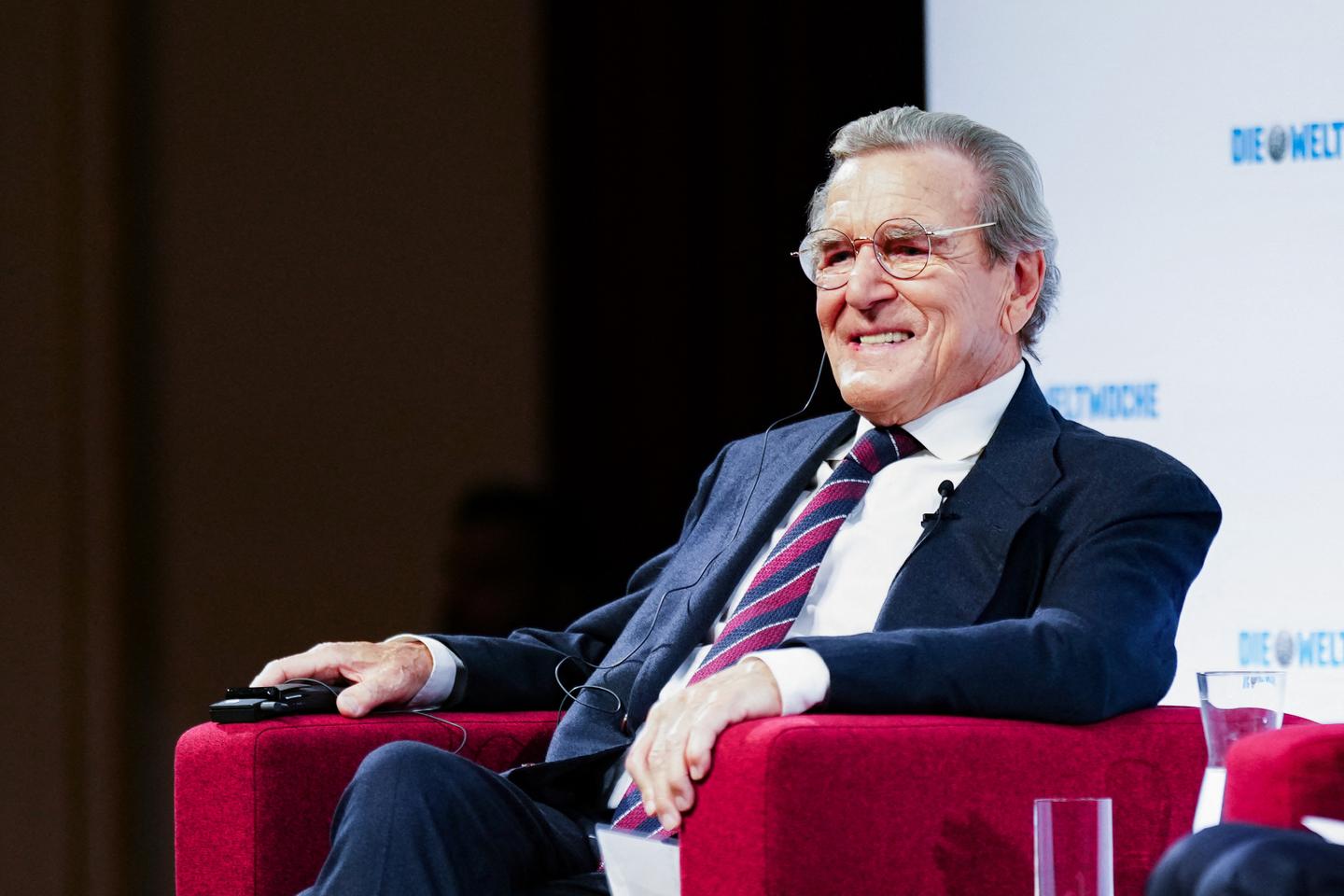
Former German chancellor Gerhard Schröder, in Vienna, October 31, 2024. EVA MANHART/AFP
Twenty years after leaving office, former chancellor Gerhard Schröder (1998-2005) remains a controversial figure in Germany. Paradoxically, his publicly close relationship with Moscow and his role in promoting Russian gas, both during and after his chancellorship, have not entirely discredited him. He has continued to be questioned regularly on issues of diplomacy and domestic politics.
Both reviled and admired, sometimes serving as a reference point, sometimes as a cautionary tale, he still haunts the political scene: Social Democrats readily blame him for their political decline, believing that his labor market reforms alienated their voter base. By contrast, conservatives from the Christlich Demokratische Union (CDU), foremost among them chancellor Friedrich Merz, have praised his ability to implement unpopular reforms, acknowledging that these brought the country a prolonged period of prosperity.
So on Friday, October 17, the former chancellor's testimony as a witness before a parliamentary inquiry committee in Mecklenburg Vorpommern, on the Baltic Sea, naturally sparked heightened attention. This is where the two Nord Stream 1 and 2 gas pipelines, which carried Russian gas to Germany and have drawn the interest of local lawmakers, made landfall. At 81 years old, Schröder was questioned as a former chancellor, as chair of the Nord Stream 2 board of directors, and as a lobbyist for various Russian energy groups.