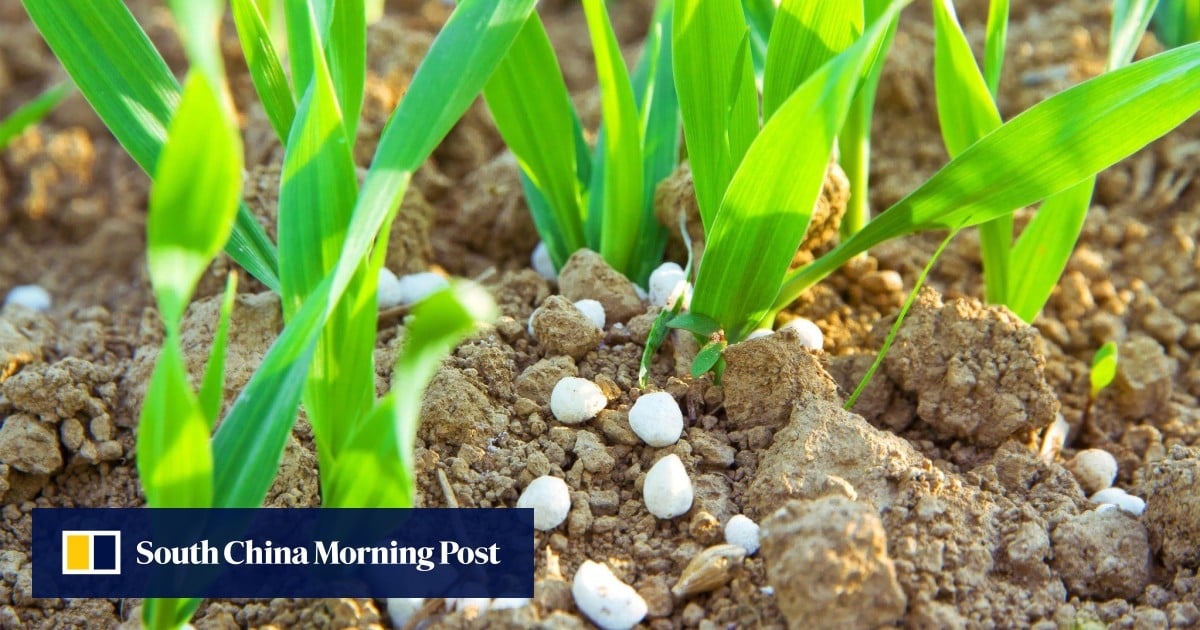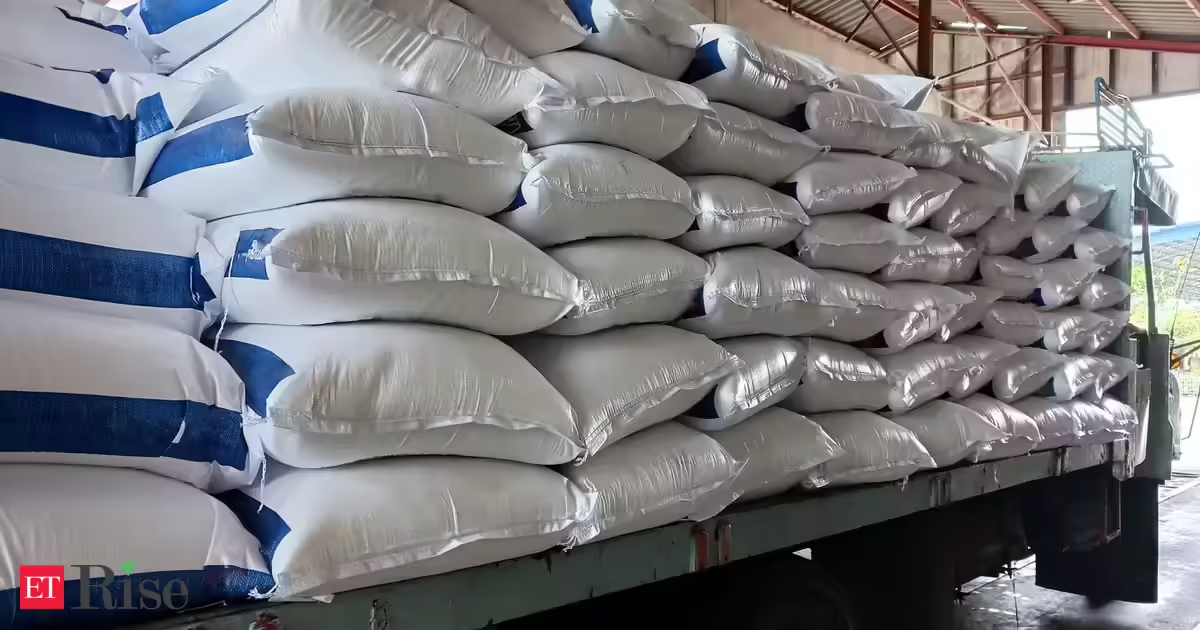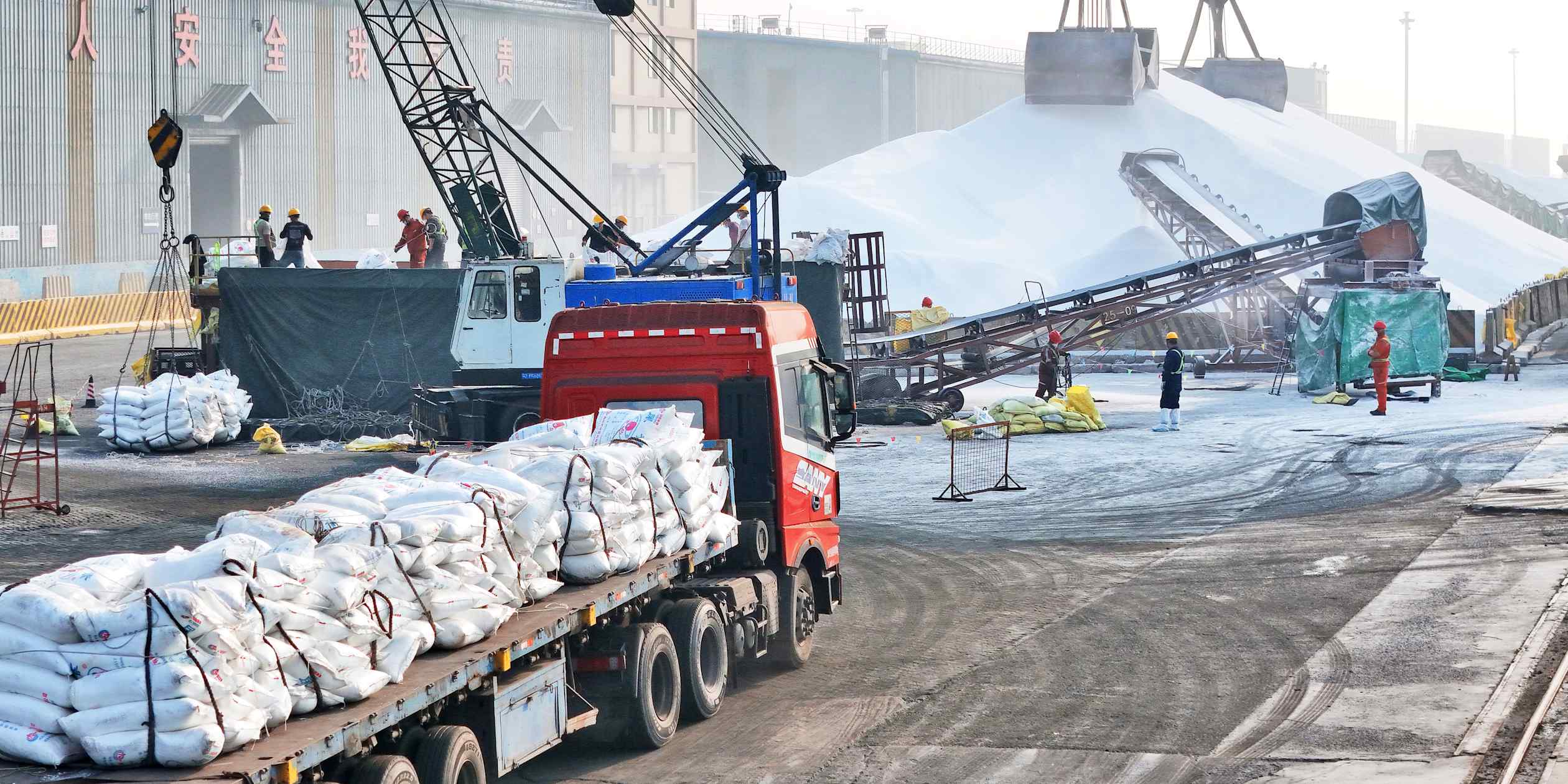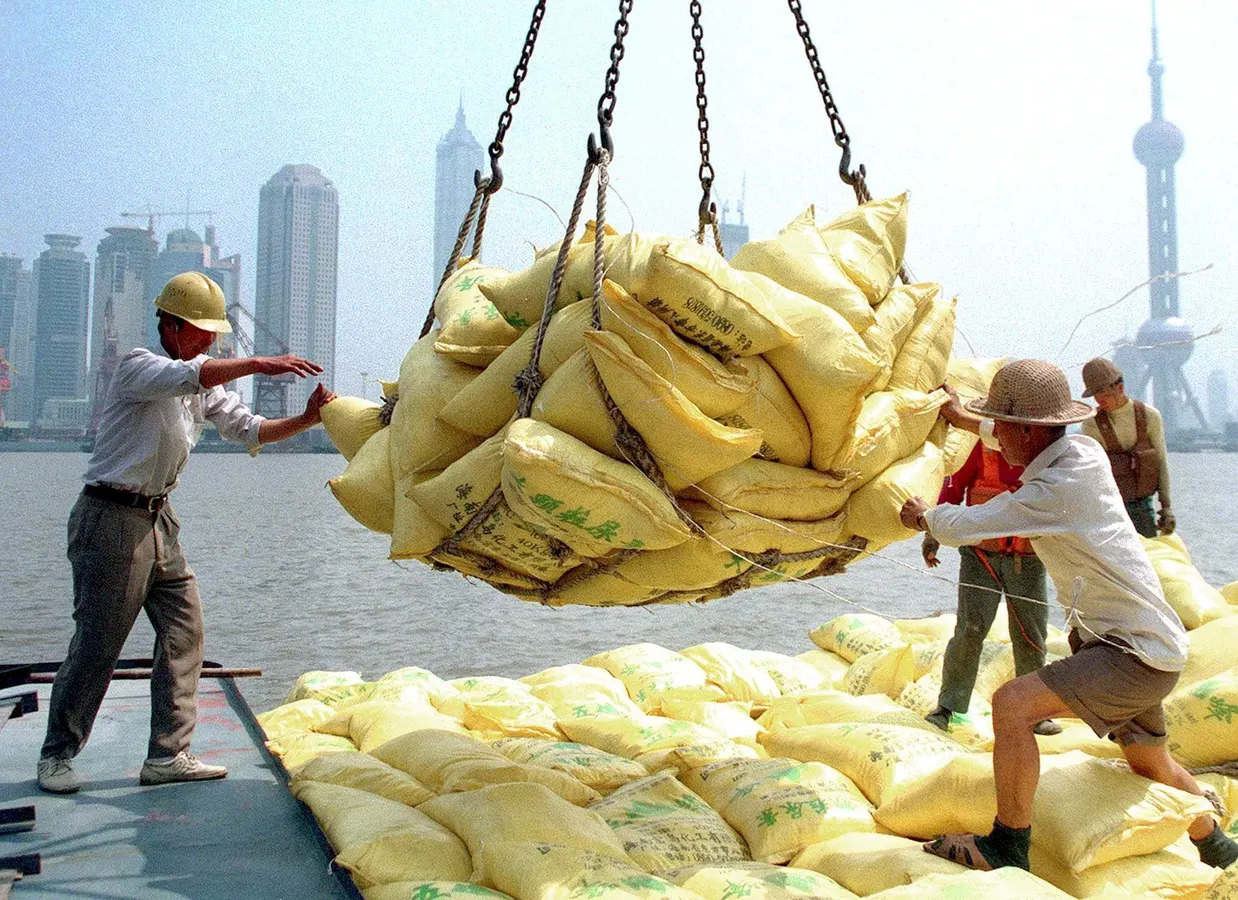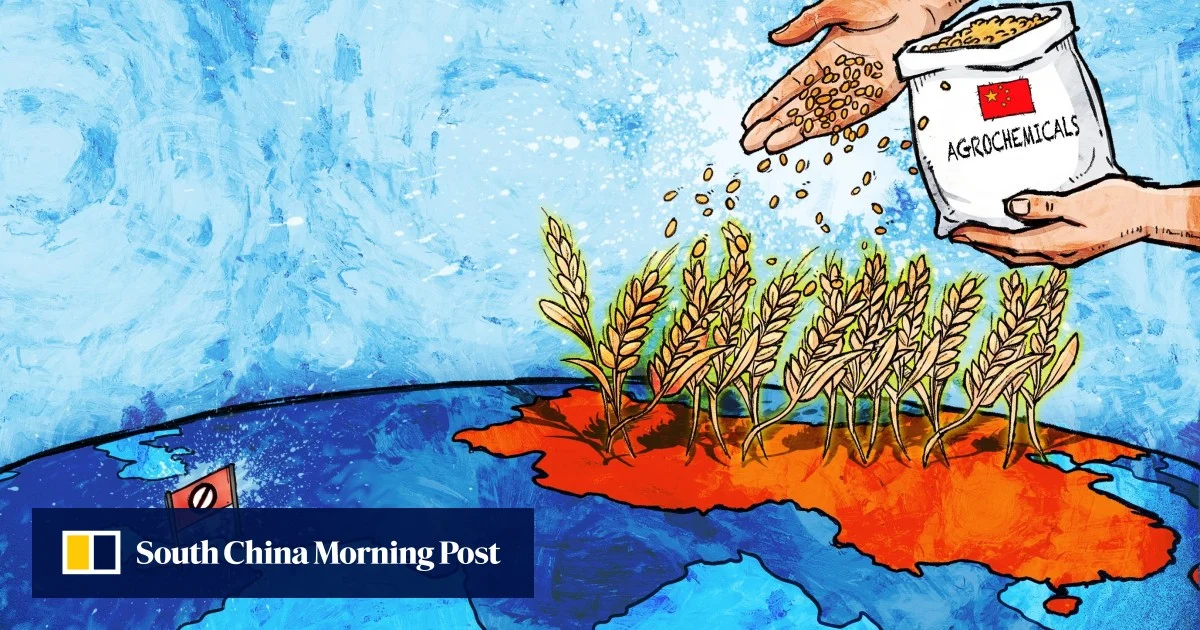
BEIJING/SINGAPORE: Farmers around the world may be switching to less nutrient-hungry crops as the Iran war hits the supply of fertilisers, but in China, they're sitting pretty with plenty of stock thanks to the country's rather unique reliance on coal to produce urea.
However, some analysts say China may not allow exports of urea - the most widely used fertiliser globally - after spring planting as it normally does, as that could drive up local prices. Beijing typically waits to see if there is a surplus in May before assessing how much can be shipped abroad.
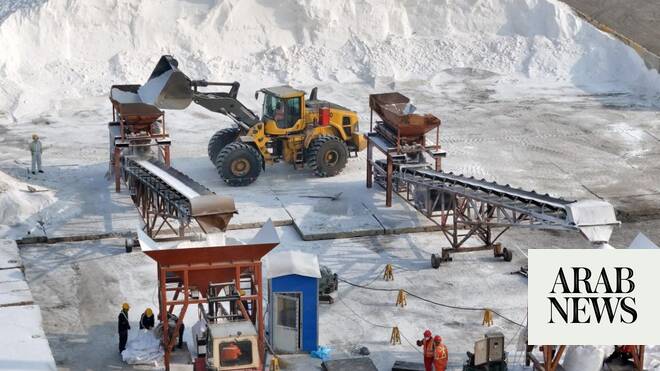
Whereas other big exporters of urea - a nitrogen-based plant nutrient - like Russia, Qatar and Saudi Arabia use gas to produce it, some 78% of China's urea output is produced with coal - a relatively cheap resource it has in abundance.
"China is largely self-sufficient in urea and it is less exposed to natural gas price volatility than many other producing regions," said Willis Thomas, head of fertilisers analysis at CRU.
China's vast deployment of coal - which it also uses to create oil, gas and other products - has been particularly prescient even if it is more polluting than natural gas, as it reduces the need for energy imports that can be cut off in a conflict.