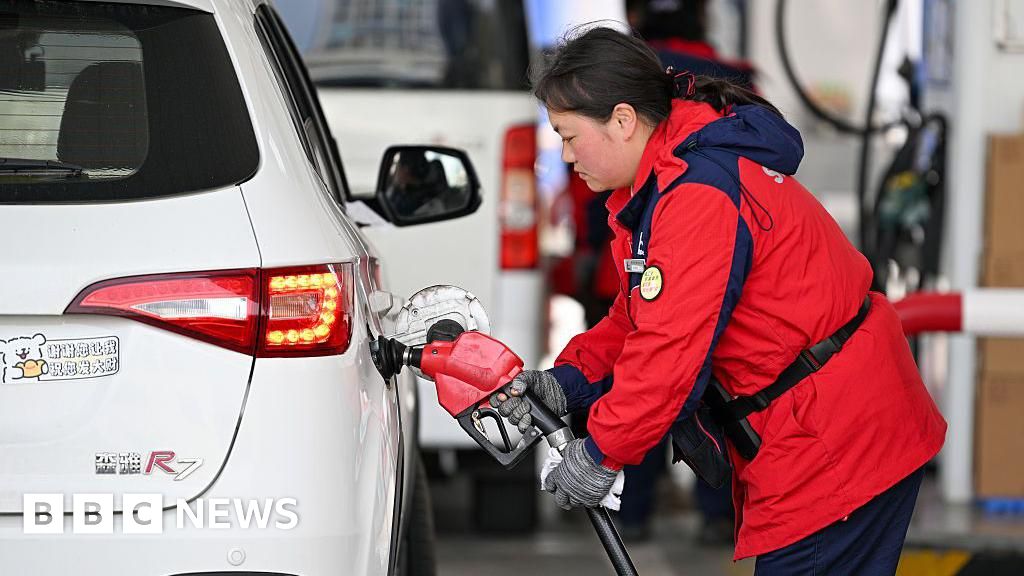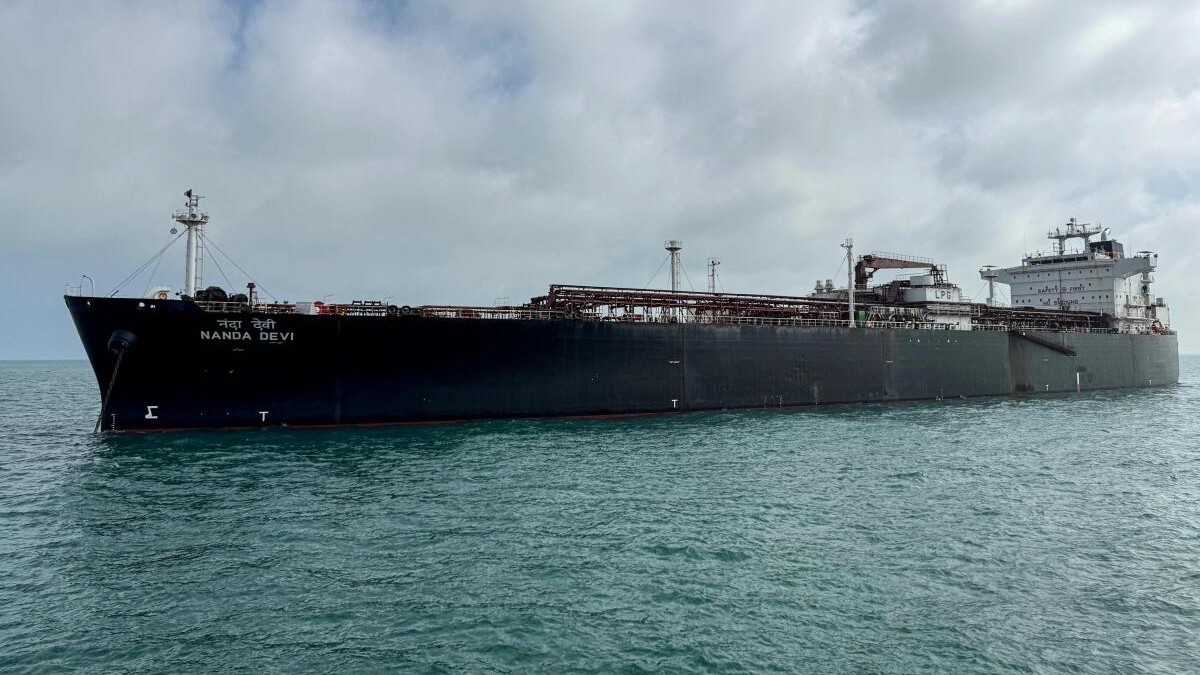
As the Israel-US war on Iran has meandered on, India has faced the shortage of liquified petroleum gas (LPG) and experienced a social panic over the possible shortage of petrol and diesel. One does not see similar news from China despite its bigger economy, larger consumer market and role as a supplier to global markets, raising the question of how China escaped the early consequences and how, and in what ways it may be affected in the future. The answer to that question lies in what China has done in the past two decades and how its geography, its position as the world’s largest polluter, its stringent actions against the local air pollution challenges and its concerns over status have combined to protect it from the current crisis.
How did it tackle the Malacca dilemma?
About 15 years ago, China’s concerns over its dependence on the Malacca strait for trade and energy transits, and the near permanent American presence in the vicinity were real. The country sought to address this by building the capacity to create strategic petroleum reserves (SPR) and used long-term contracts to fill those up. Today China has nearly 120 days of SPR storage and it may be tapping into some of that. Data suggests that a combination of China’s oil reserves and diversification may allow it to bypass imports from the Strait of Hormuz for several months.