Hungary’s prime minister has conducted a systematic attack on independent media. The parallels with the US are chilling
uring his state of the nation address earlier this year, Hungary’s prime minister, Viktor Orbán, outlined a chilling vision of the country’s future. Signalling a new level of aggression in his campaign against the truth if he is returned to power in elections on 12 April, Orbán vowed to purge the country of “bought journalists” and “fake civil society organisations”.
Media repression isn’t just a Hungarian problem. According to the V-Dem Institute in Sweden, a leading democracy monitor, it is the most commonly used weapon in the authoritarian arsenal. Strikingly, its latest report finds that US democracy is now at its worst level since the 1960s, marked by a sharp decline in media freedom.
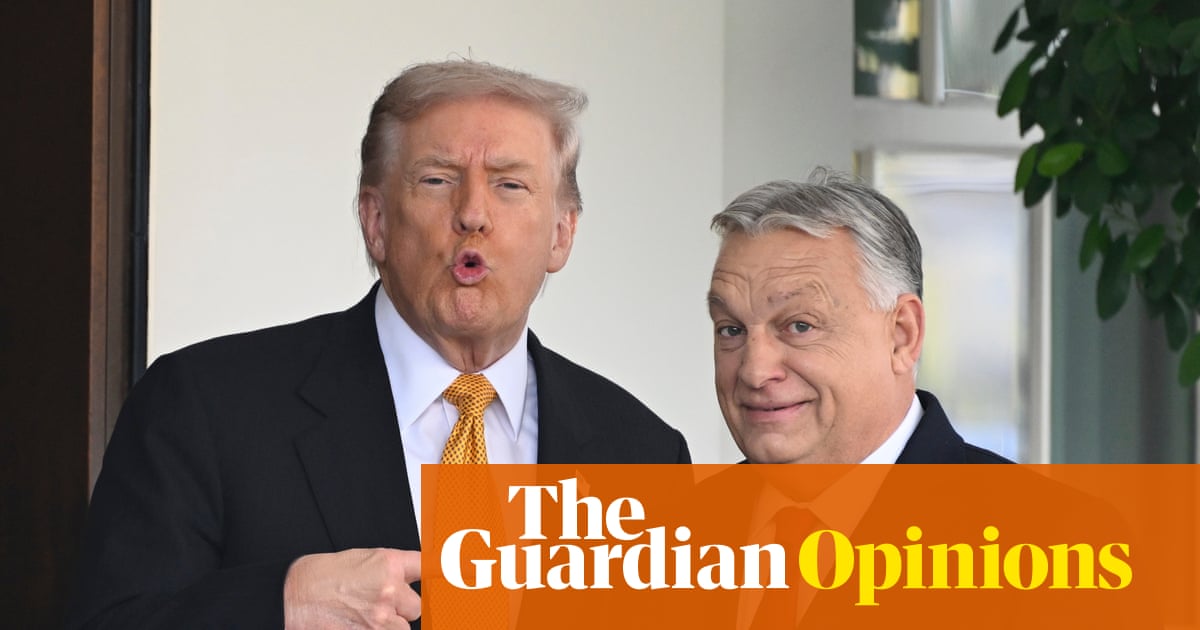
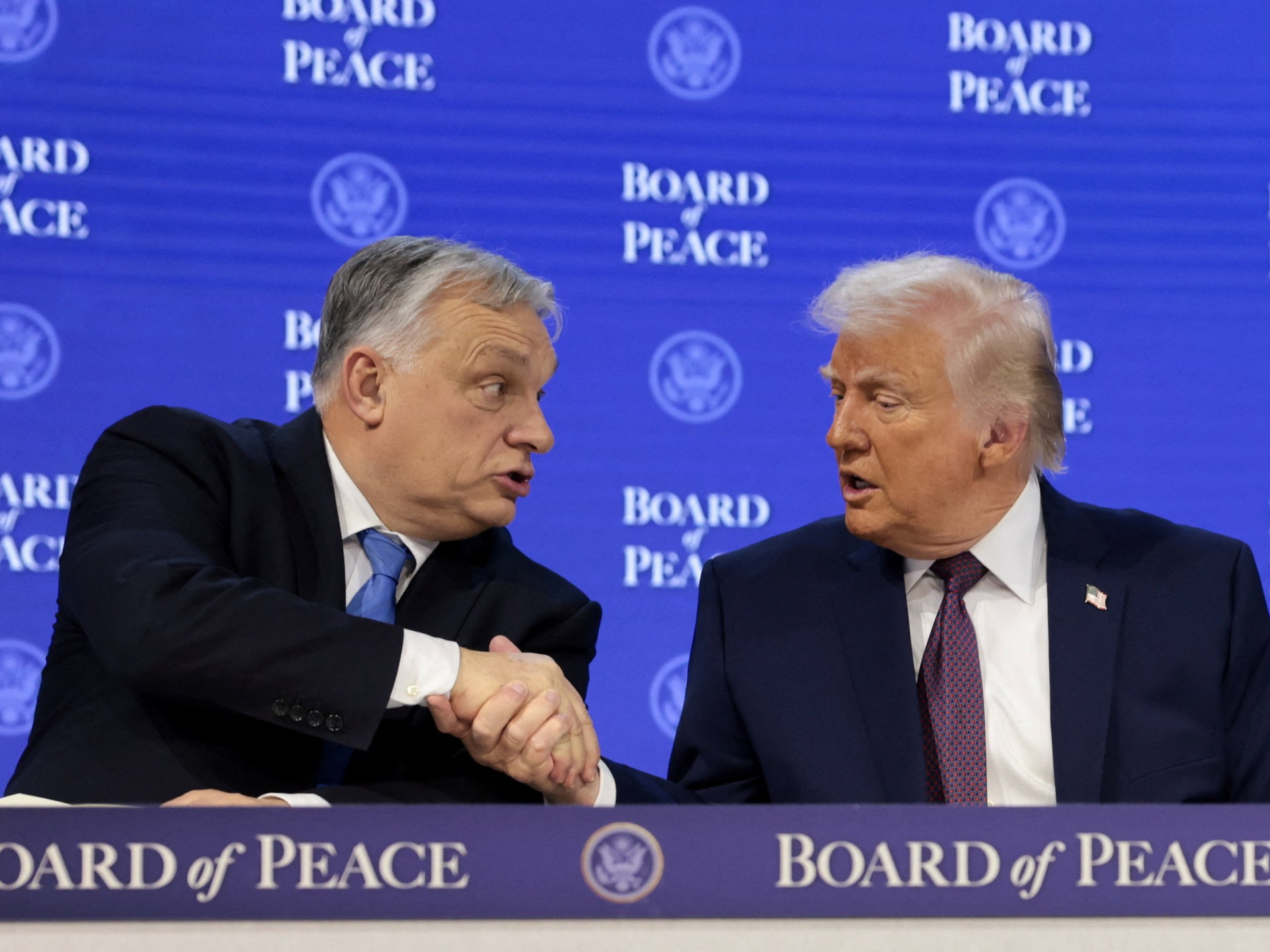
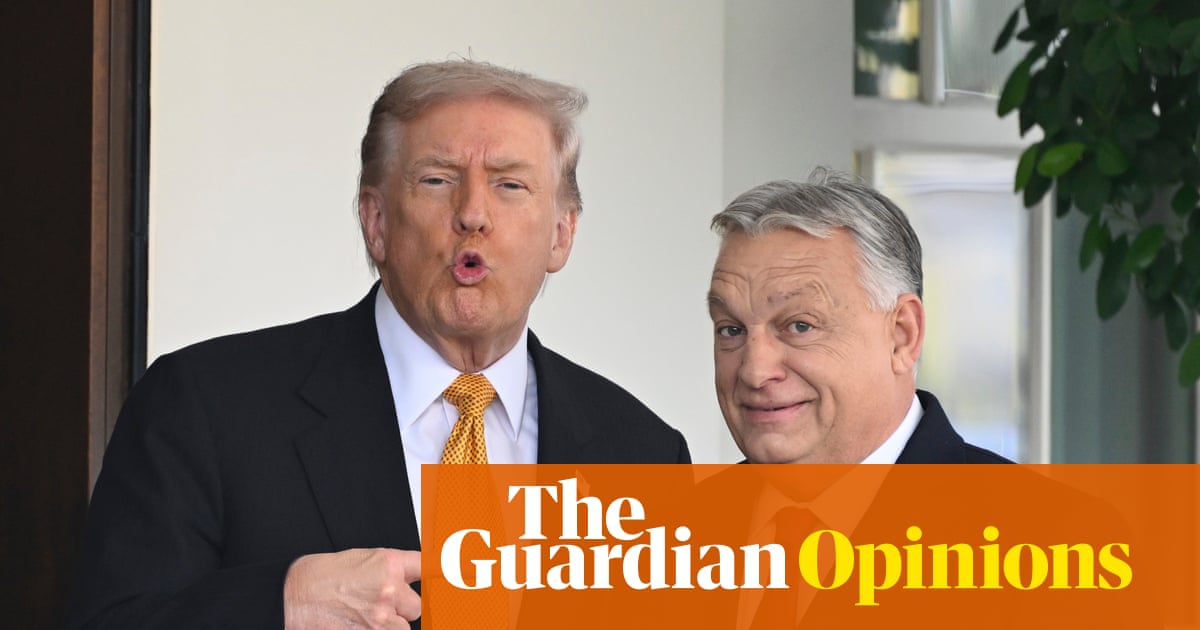
In February, Donald Trump endorsed Orbán for re-election. Likening Orbán to himself, Trump hailed the prime minister as “a truly strong and powerful leader” who has delivered “phenomenal results”. But the US president has done more than praise Orbán – he has taken a page from the Hungarian’s authoritarian playbook by restricting media freedom.
Trump is following the Orbán model of media repression at home. A report I co-authored for the Rule of Law Lab at NYU School of Law and the Hungarian watchdog Mérték Media Monitor makes the parallels clear as it documents Orbán’s systematic attacks on independent media over his 16-year tenure.