Democracy Noir, portraying Orbán’s creeping authoritarian takeover, has urgent relevance for US audiences
Just over 40 seconds into Democracy Noir, Connie Field’s documentary about contemporary Hungary, the moral of the tale becomes clear.
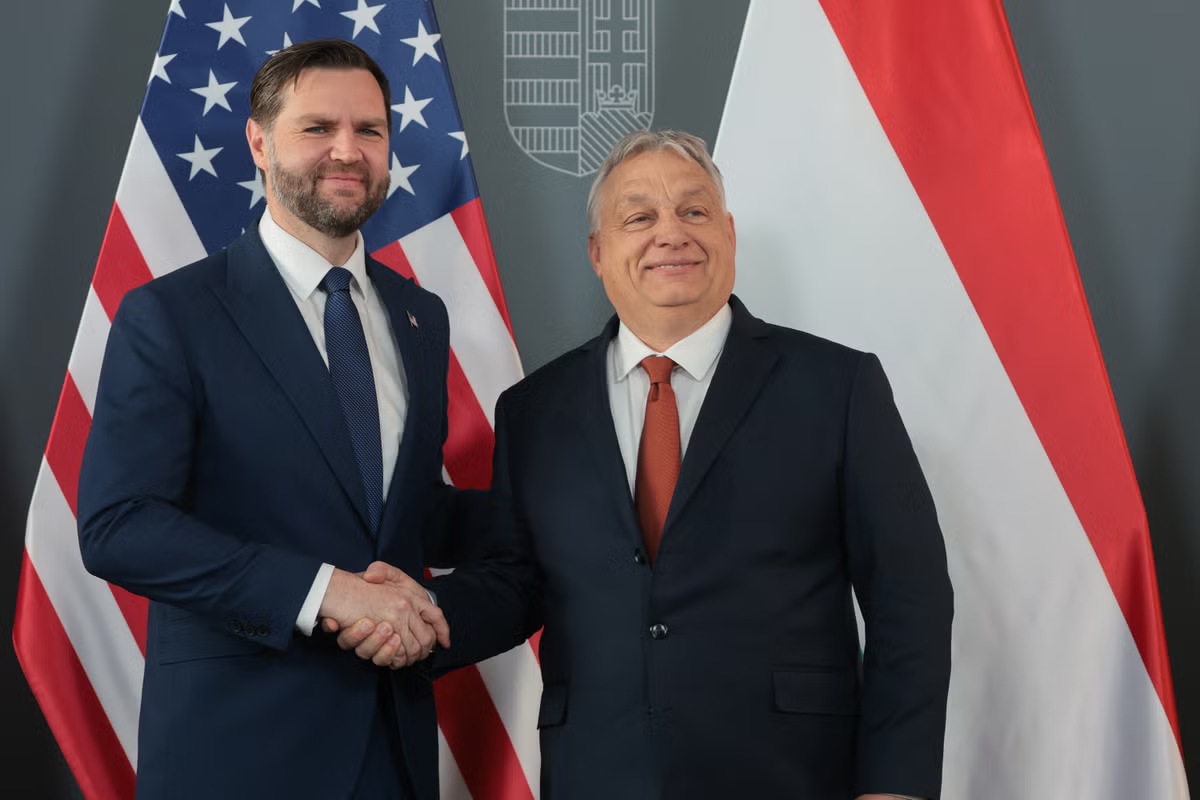
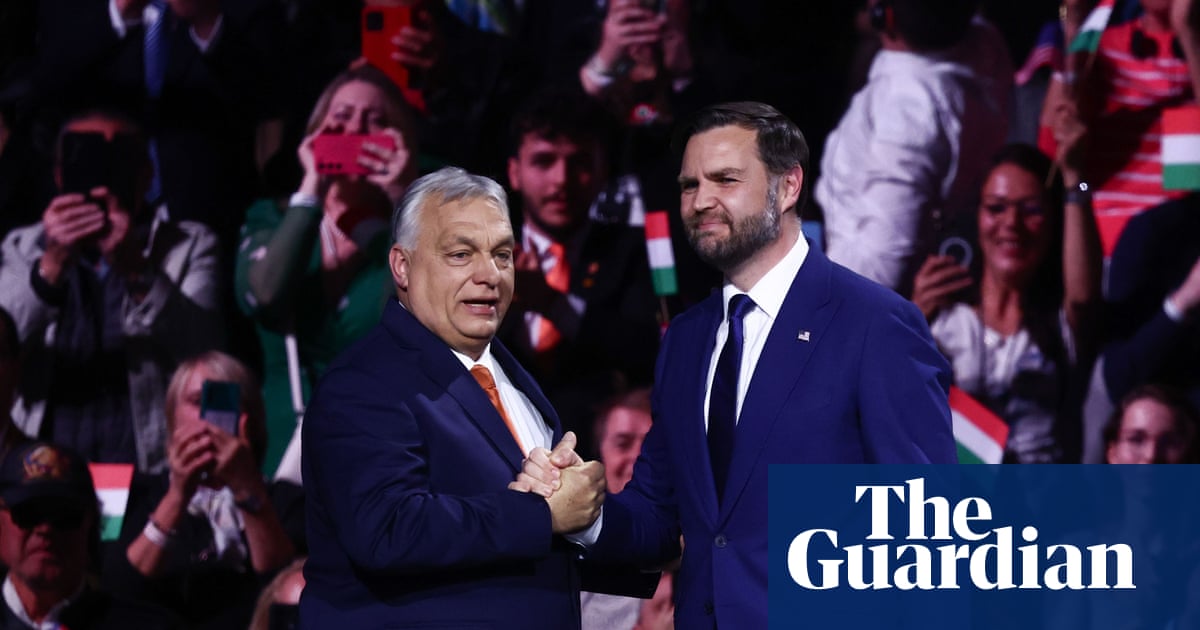
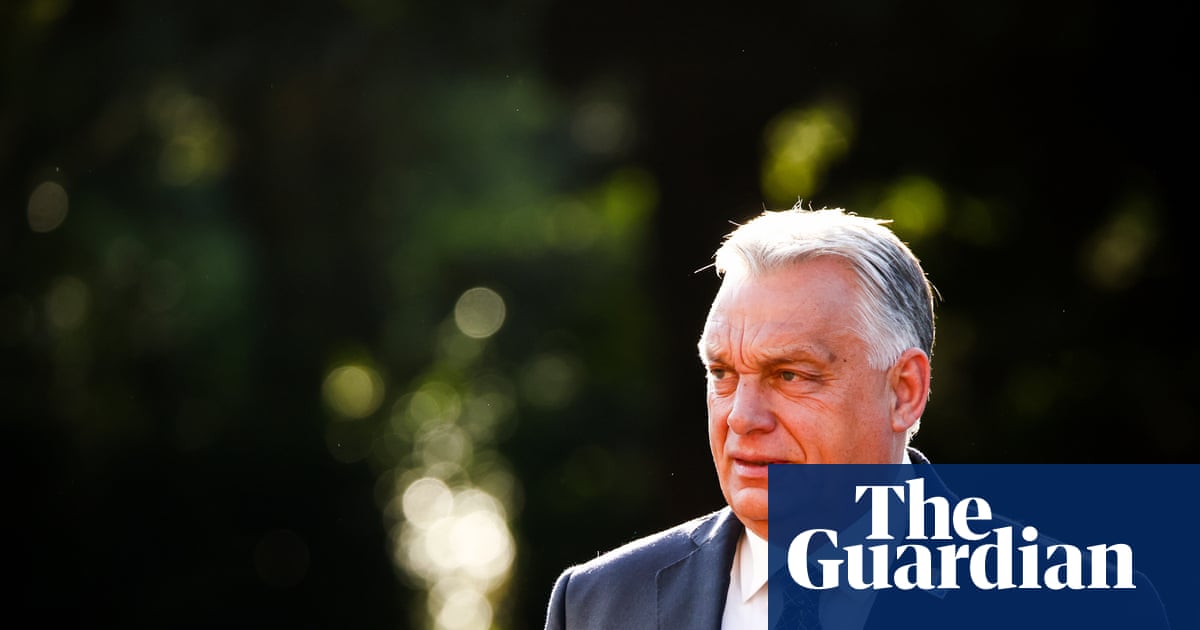
On the heels of striking opening shots of the Danube and Budapest, Viktor Orbán, the Hungarian prime minister and the film’s central subject, is seen introducing himself, in English, to a group of political activists, followed by footage of him chatting amiably with Vladimir Putin – and then another scene of him shaking hands with a broadly smiling Donald Trump.
Perceptive viewers are unlikely to miss the subliminal message; this is not just about the politics of a smallish east-central European country.
On the contrary, the 90-minute documentary – opening in the US this week and portraying Orbán’s creeping authoritarian takeover of an erstwhile liberal democracy through the eyes of three women; Timea Szabó, an opposition politician, Babette Oroszi, a television journalist, and Niko Antal, a nurse – has universal resonance and urgent relevance for American audiences grappling with the consequences of Trump.