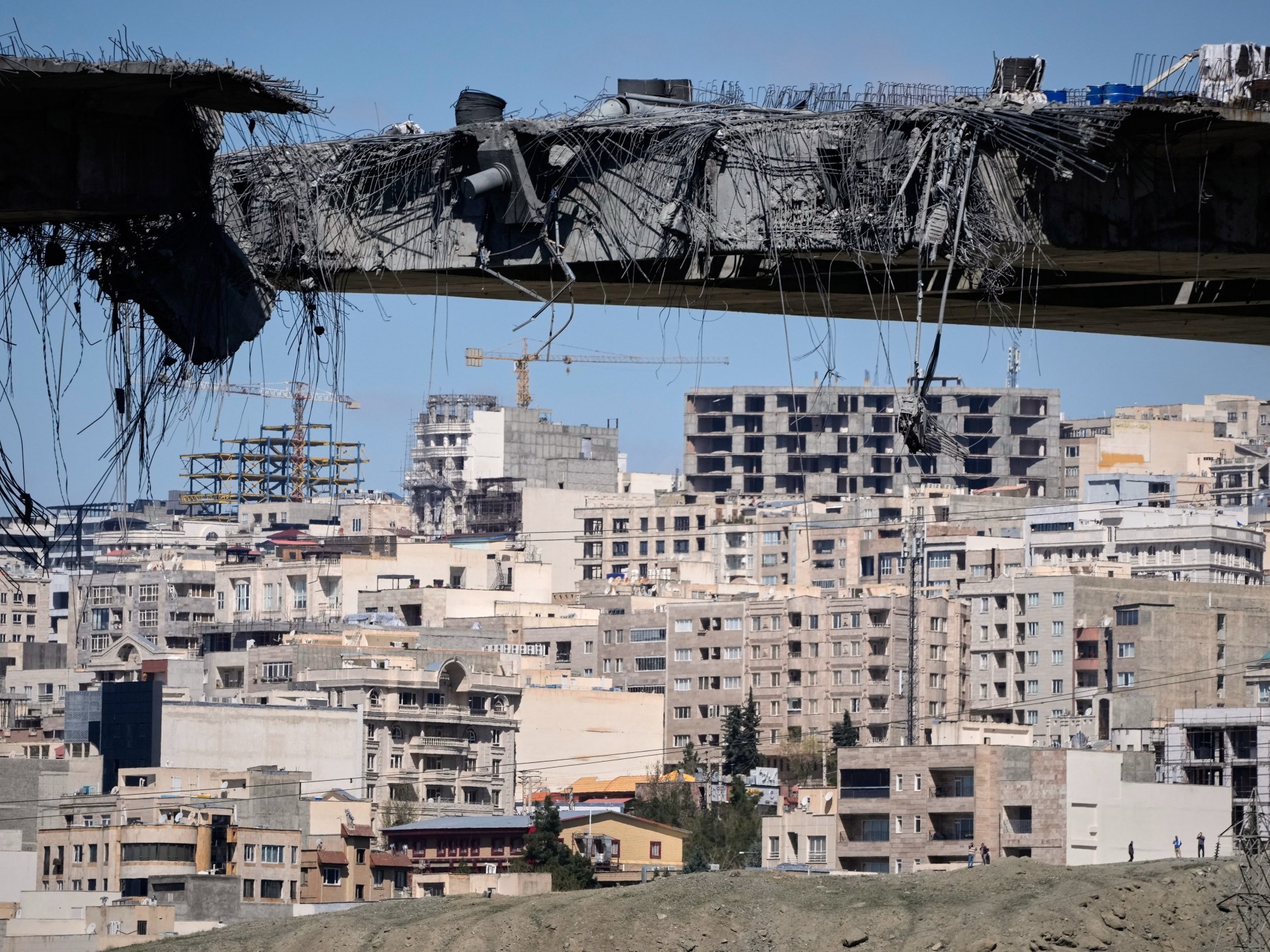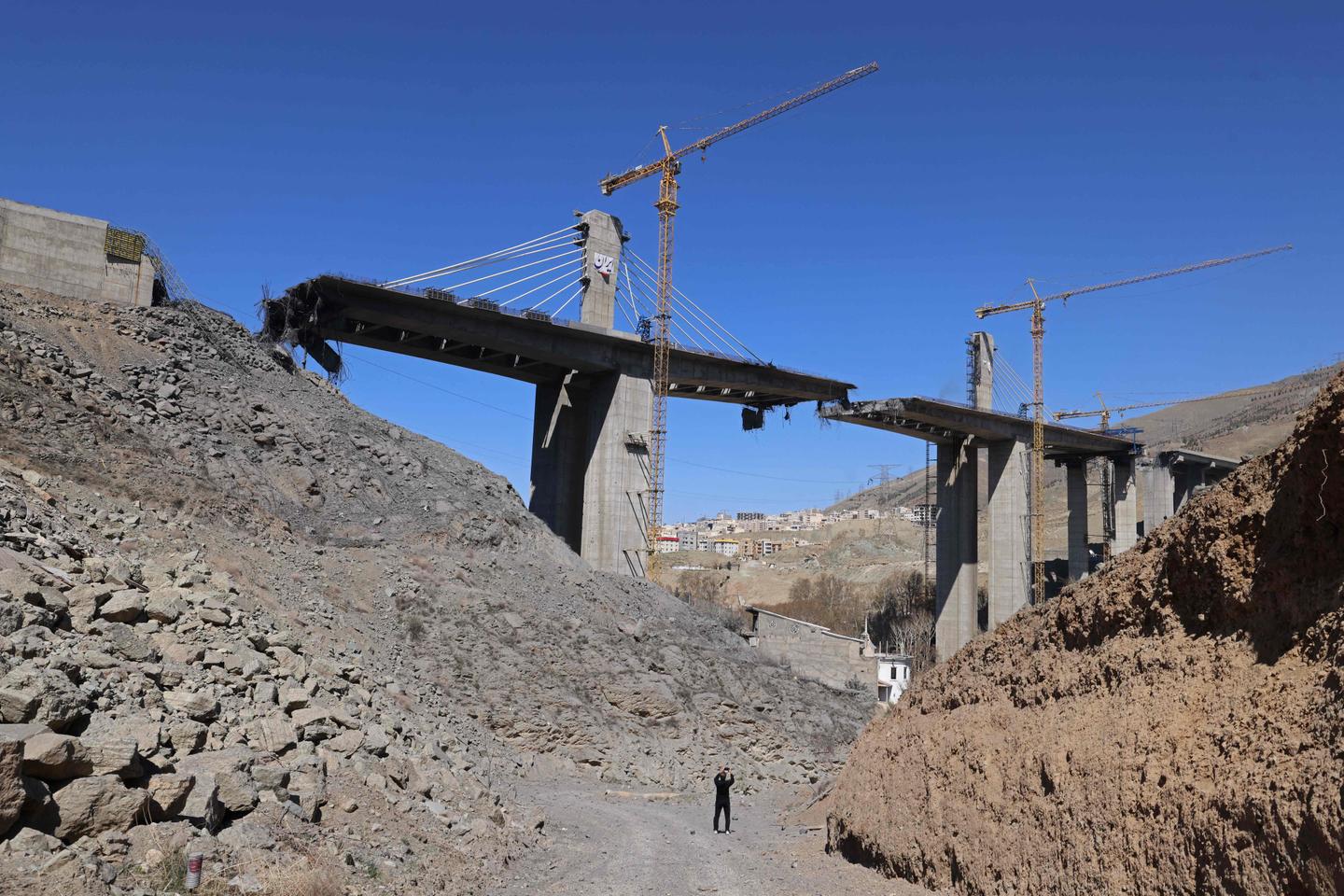
The B1 bridge, destroyed by a US strike, in Karaj, Southwest of Tehran, April 3, 2026. ATTA KENARE/AFP
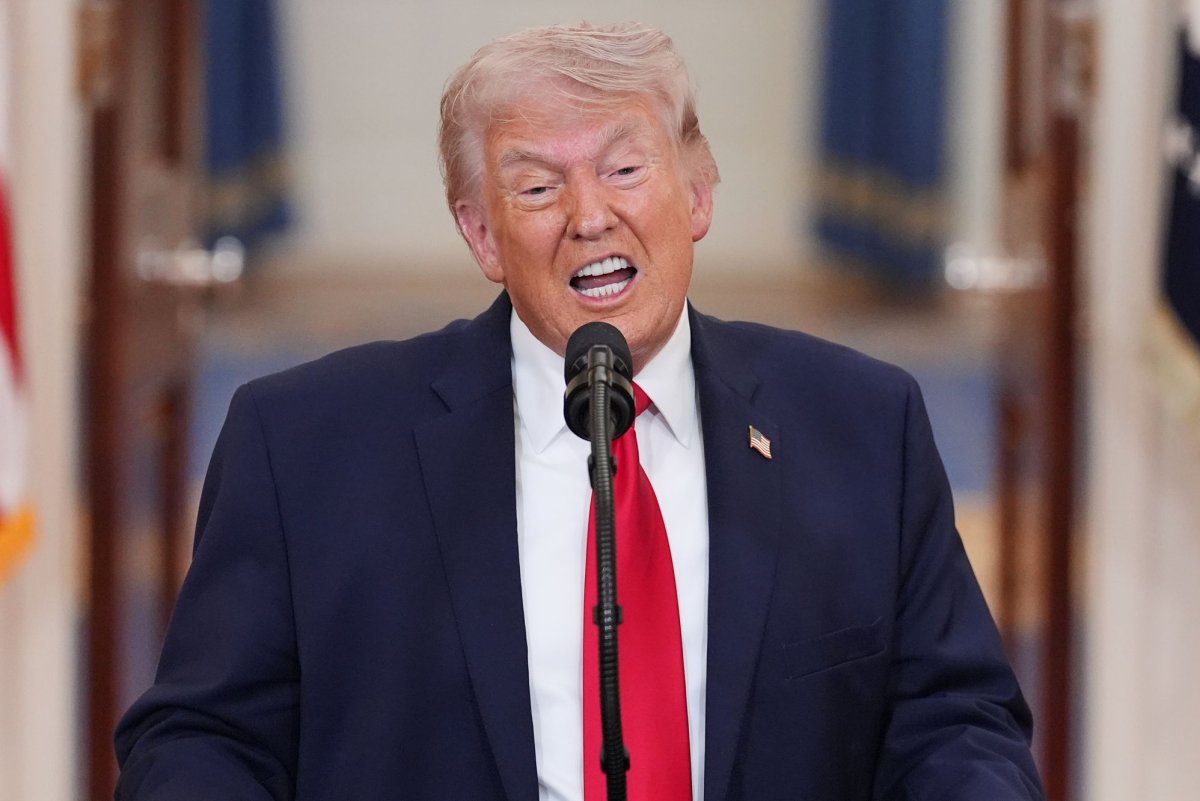
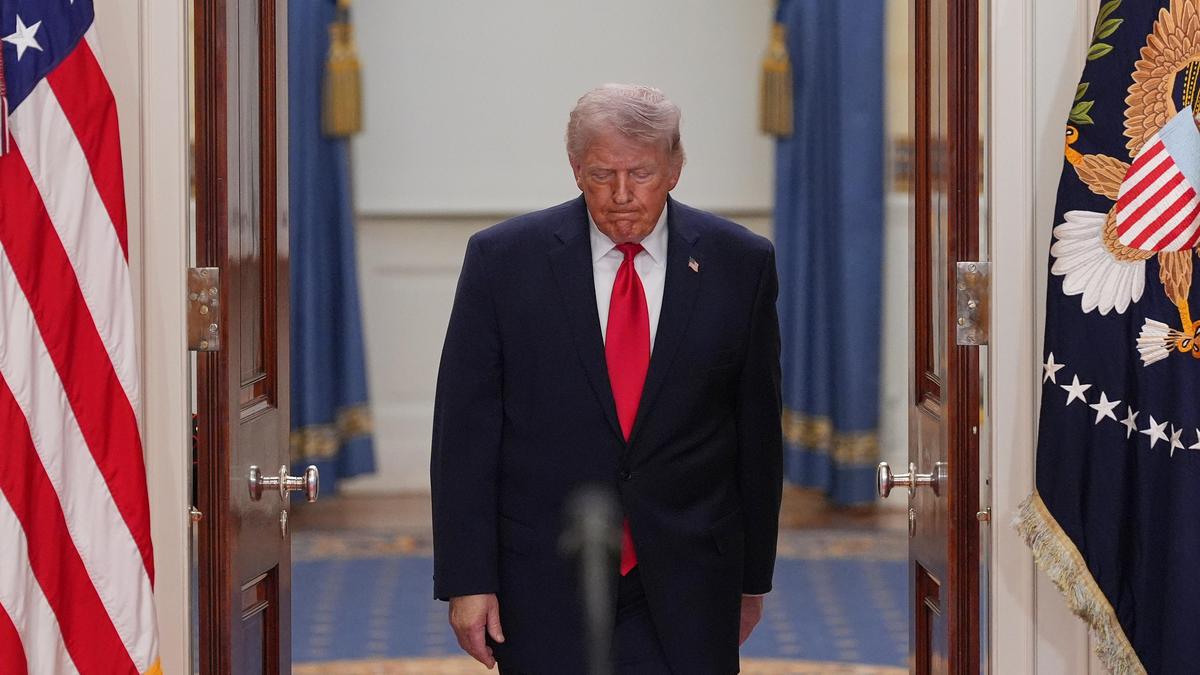
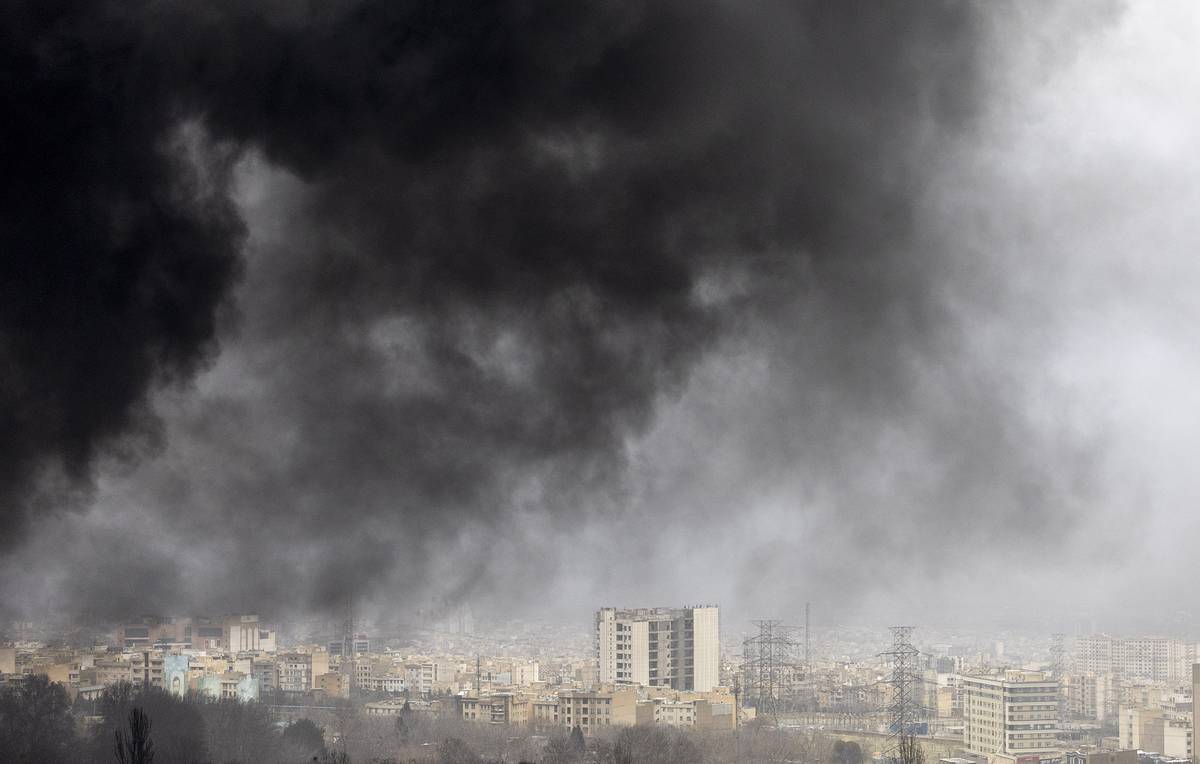
During his televised address on Wednesday, April 1, US President Donald Trump vowed to send Iran "back to the Stone Ages." The next day, Tehran's Pasteur Institute of Iran, the oldest and most prestigious medical research and public health center across the Middle East, was severely damaged in an airstrike. Neither the United States nor Israel has, at this stage, claimed responsibility for the strike.
According to the Iranian government, on March 31, separate strikes targeted Tofigh Darou, one of Iran's largest pharmaceutical companies, which specializes in the production of anti-cancer drugs and anesthetics. The following day, the Israeli military claimed that the company targeted was one of the main suppliers of fentanyl to the SPND (Iran's nuclear program with possible military dimensions) for use in the research and development of chemical weapons.
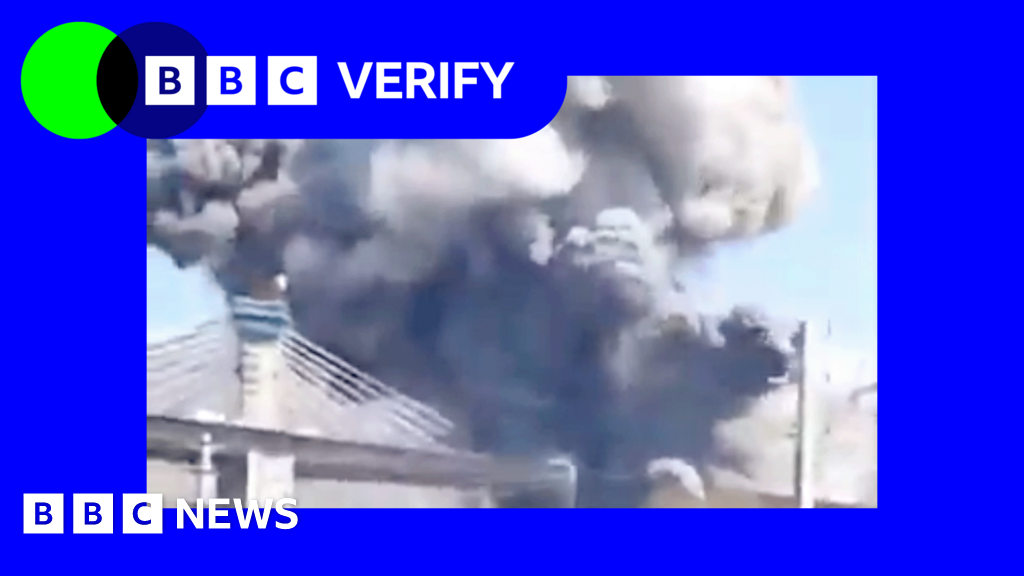
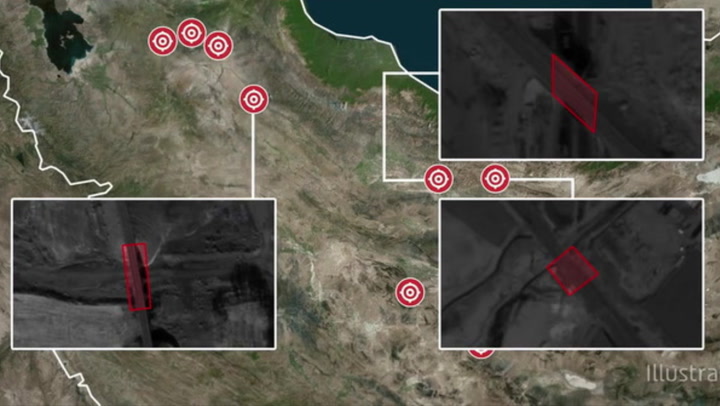
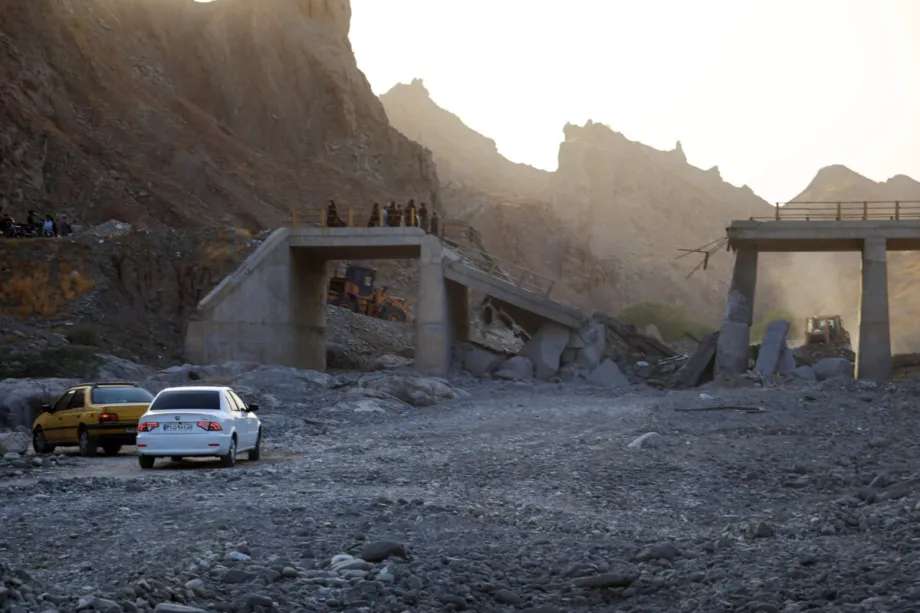
On April 2, the B1 suspension bridge, which was still under construction to link Tehran to Karaj along the Chalous Road, leading to the Caspian Sea in the north of the country, was bombed twice by US aircraft. According to Iranian media, at least eight people were killed and nearly 100 injured, including families who had come to picnic under the bridge to mark the end of Nowruz, the Iranian New Year holidays.