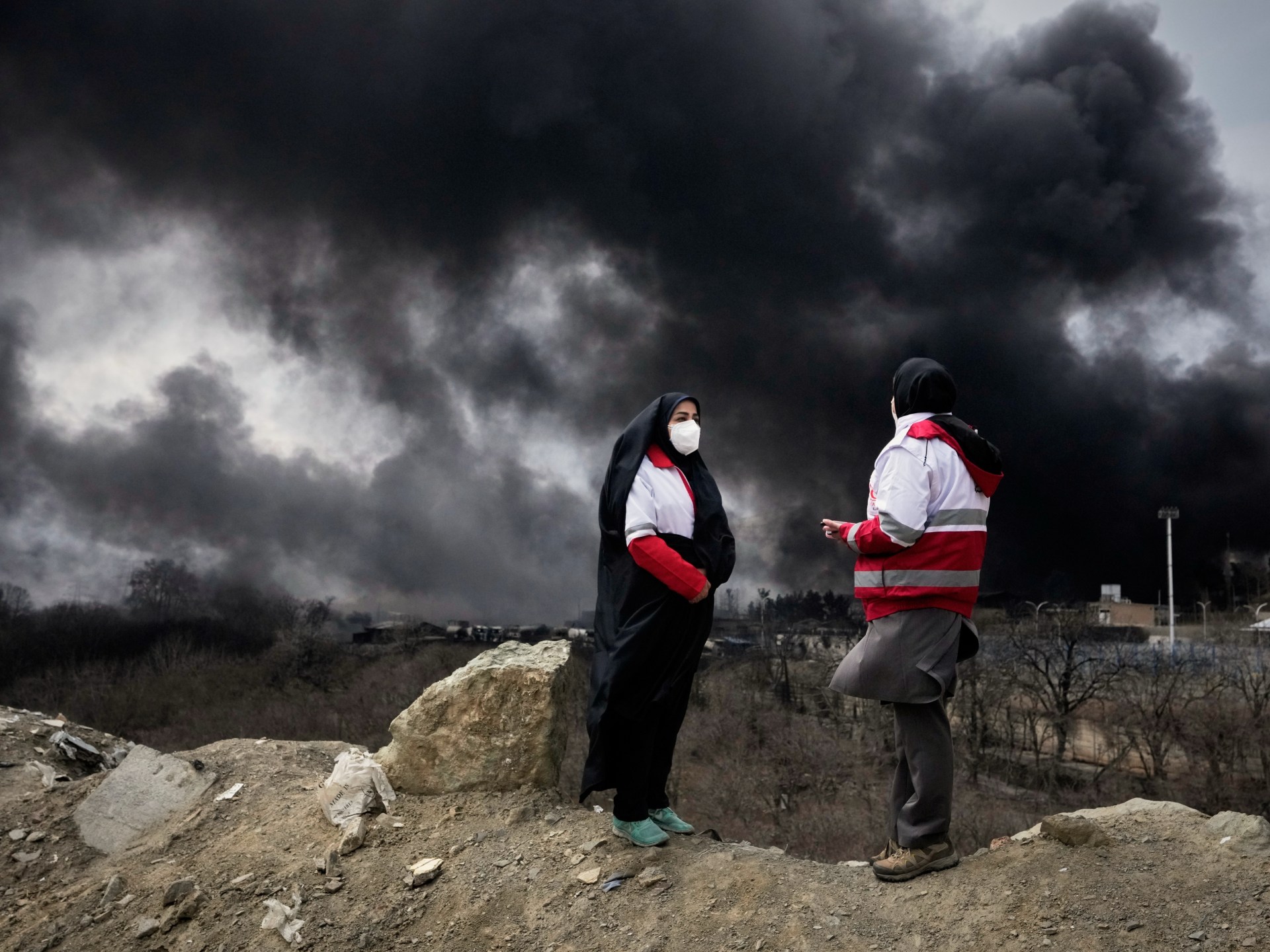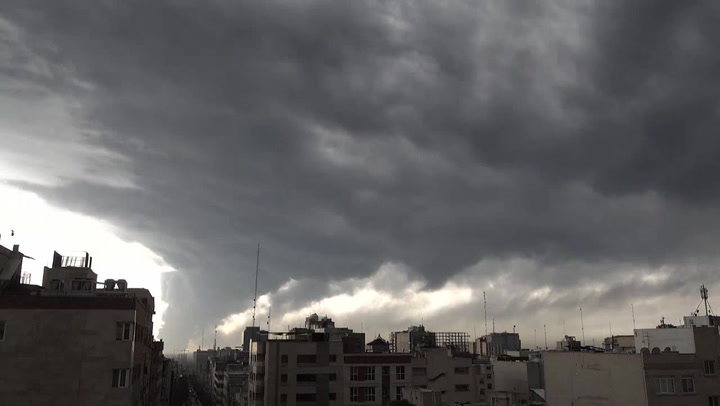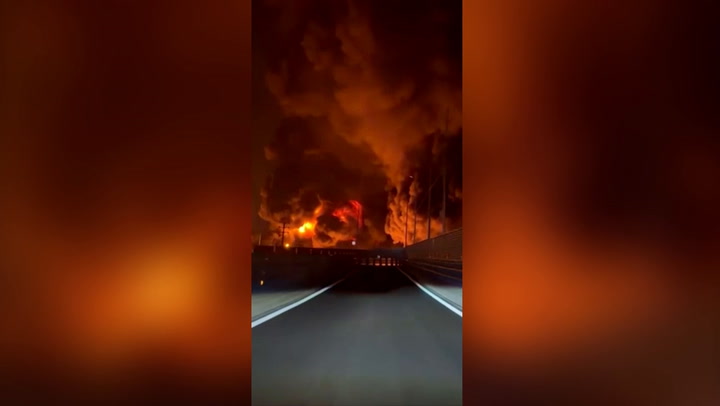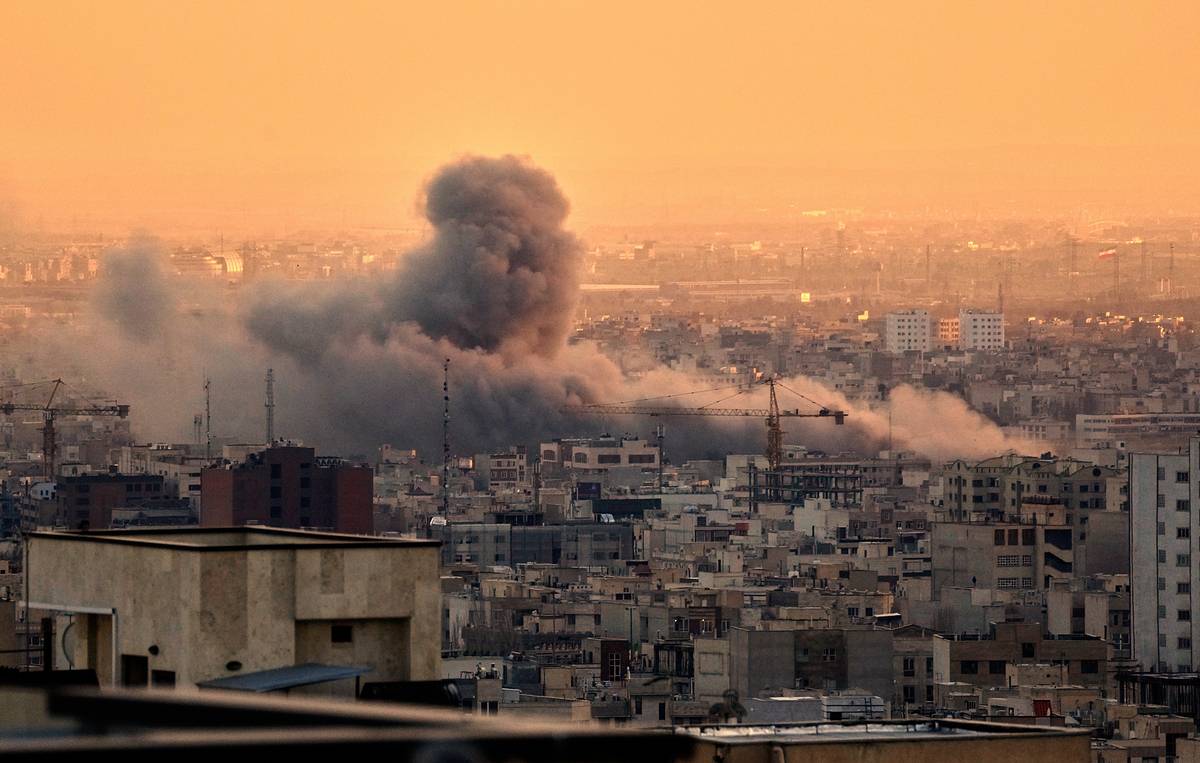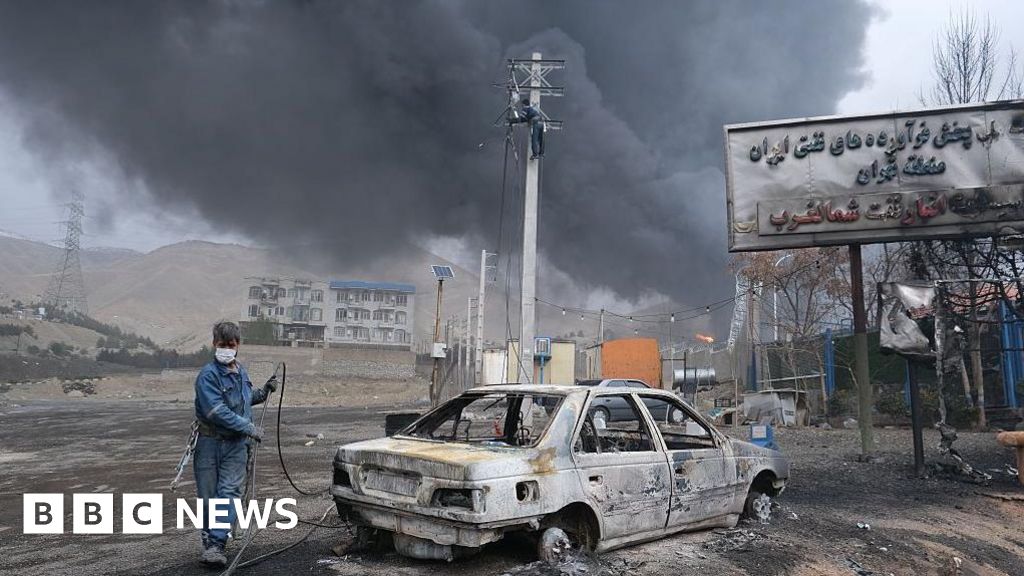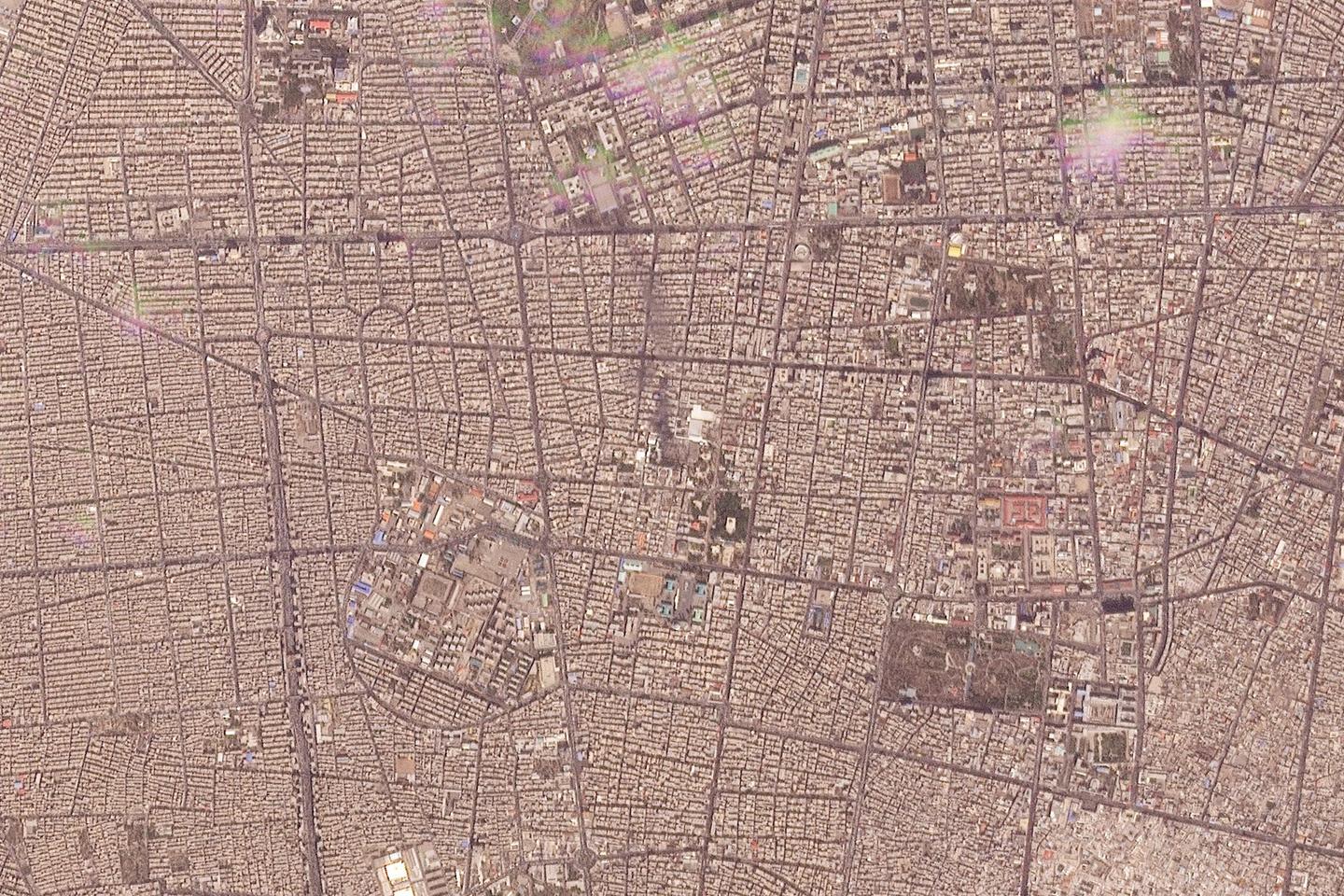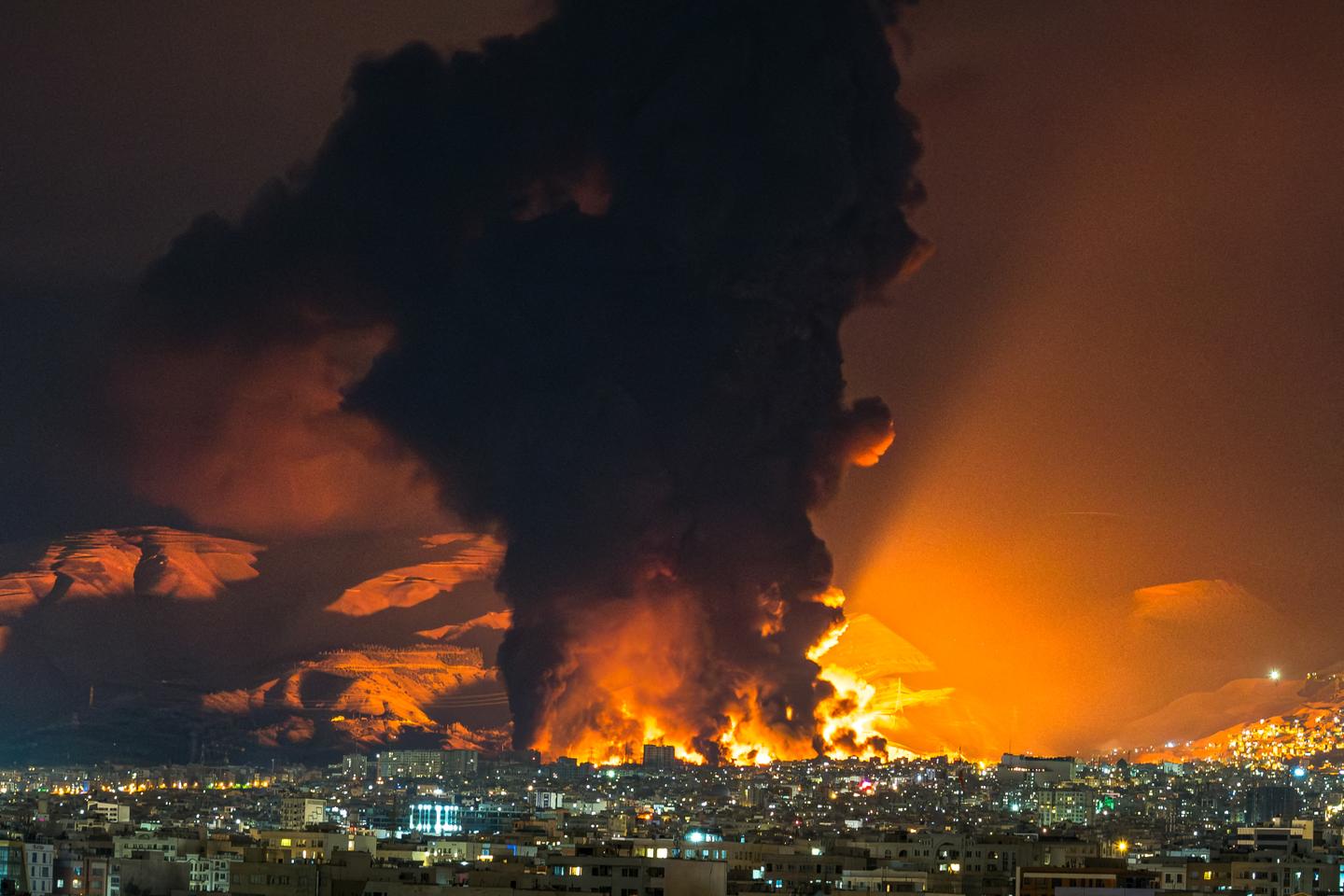
Airstrikes target an oil depot in Tehran, Iran, March 7, 2026. SASAN/MIDDLE EAST IMAGES VIA AFP
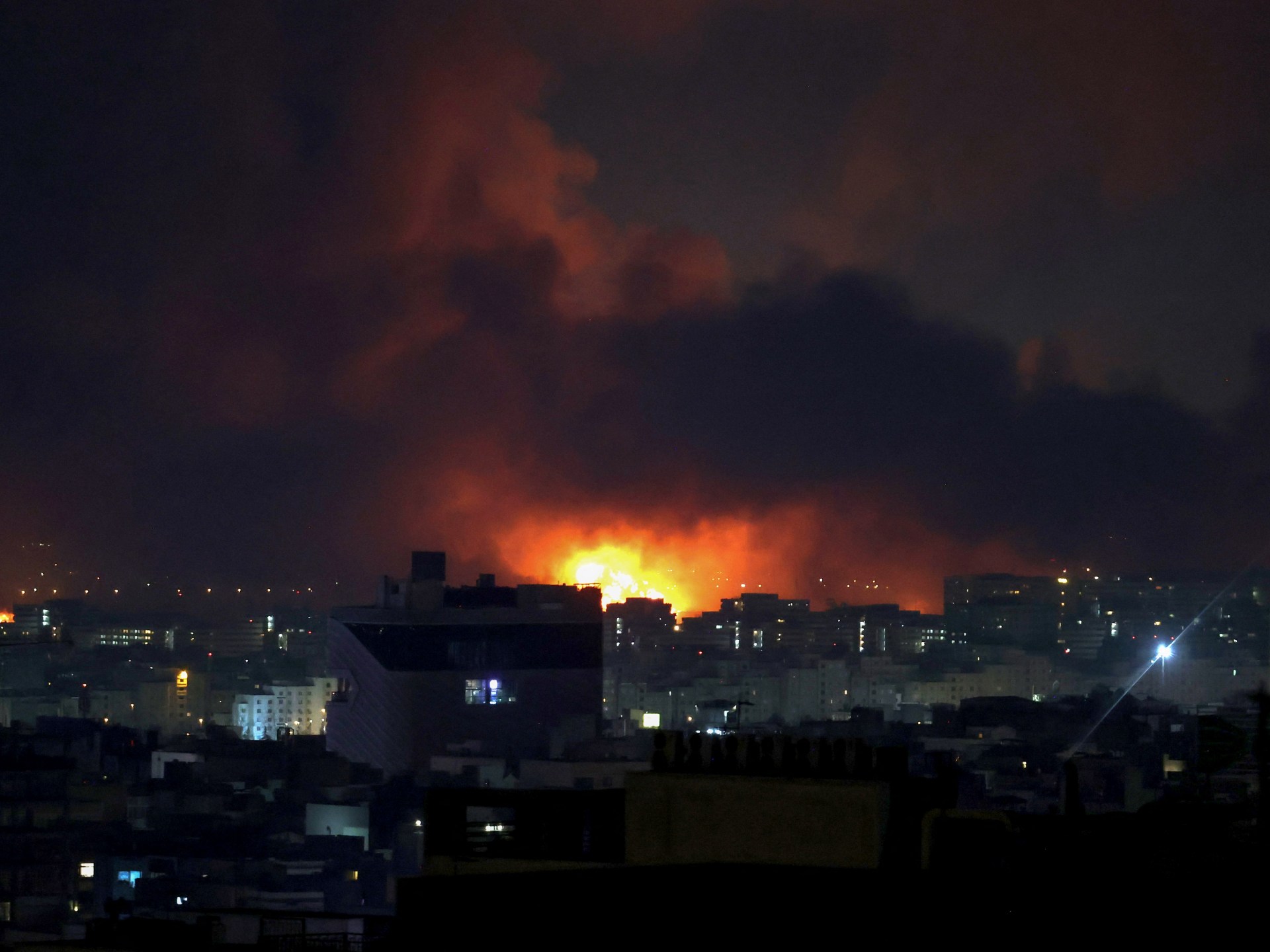
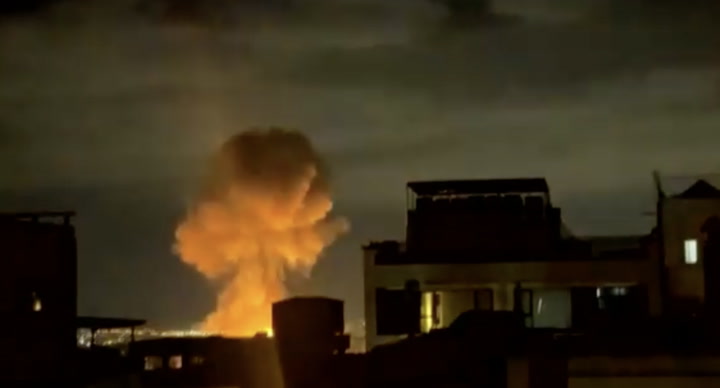
Night after night, Tehran residents who chose to remain in the capital describe extremely intense bombardments. During the night of March 9 to 10, footage shared on social media showed a brief bluish glow in the sky, which some users speculated might have been linked to attacks on electrical facilities. Power was then cut in certain neighborhoods of Tehran, as well as in the city of Karaj, before being restored. Since the outbreak of war on February 28, US-Israeli strikes have intensified, hitting not only military targets, but also civilian infrastructure. Israel has now openly acknowledged this strategy, with the Persian-language account of the Israeli military announcing on Monday, March 10, a "massive wave of attacks against the terrorist regime's infrastructure in Tehran." Schools, hospitals and fuel depots are now at the heart of a conflict that far surpasses the sole objective of dismantling Iran's nuclear program.
Subscribers only
War in Iran and Lebanon: France steps up evacuation of its citizens by air, land and sea
The same day, 11 days into the war, the Human Rights Activists News Agency reported at least 1,262 civilians had been killed by US-Israeli bombings, including 200 children. Emergency services in Tehran counted 460 dead and 4,309 wounded in the capital. The provisional toll has risen daily. The country has never before faced such a deadly bombing campaign over such a short period. The 12-day war of June 2025, triggered by an Israeli attack on Iran on June 13 and concluded with a ceasefire on June 24, caused 1,060 deaths across the country, according to authorities.