It was 10 years ago, but Pascal Saint-Amans remembers the exact moment the "Panama Papers" story broke, at 8 pm on April 3, 2016. "We were a week away from the G20 in Washington. I was at my desk, and, immediately, I saw the political opportunity to bring down the last barriers of banking secrecy," said Saint-Amans, the former chief negotiator for major global tax reforms at the Organisation for Economic Co-operation and Development (OECD). "The Panama Papers was the dark web of global finance."
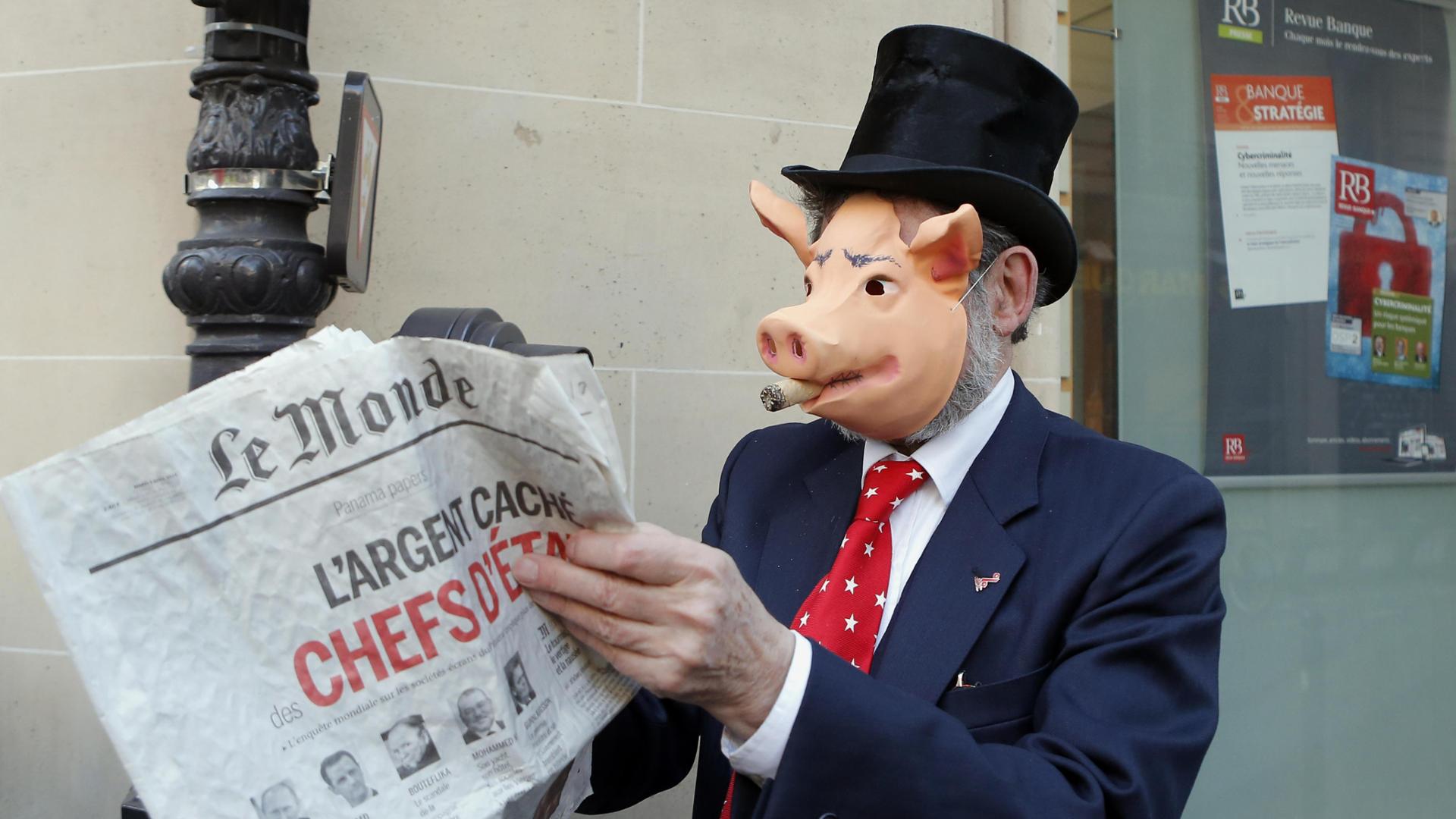
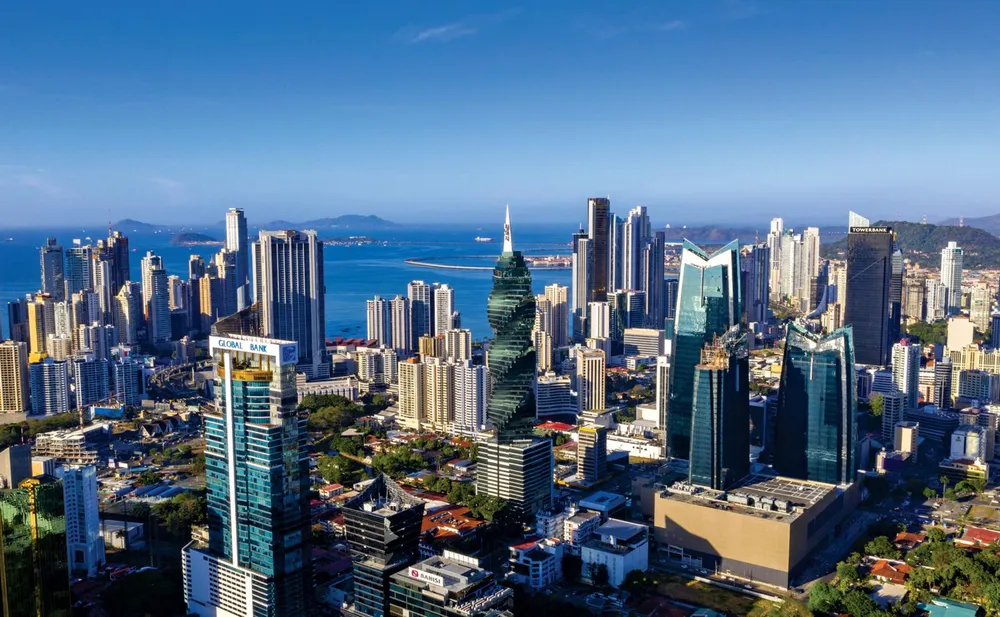
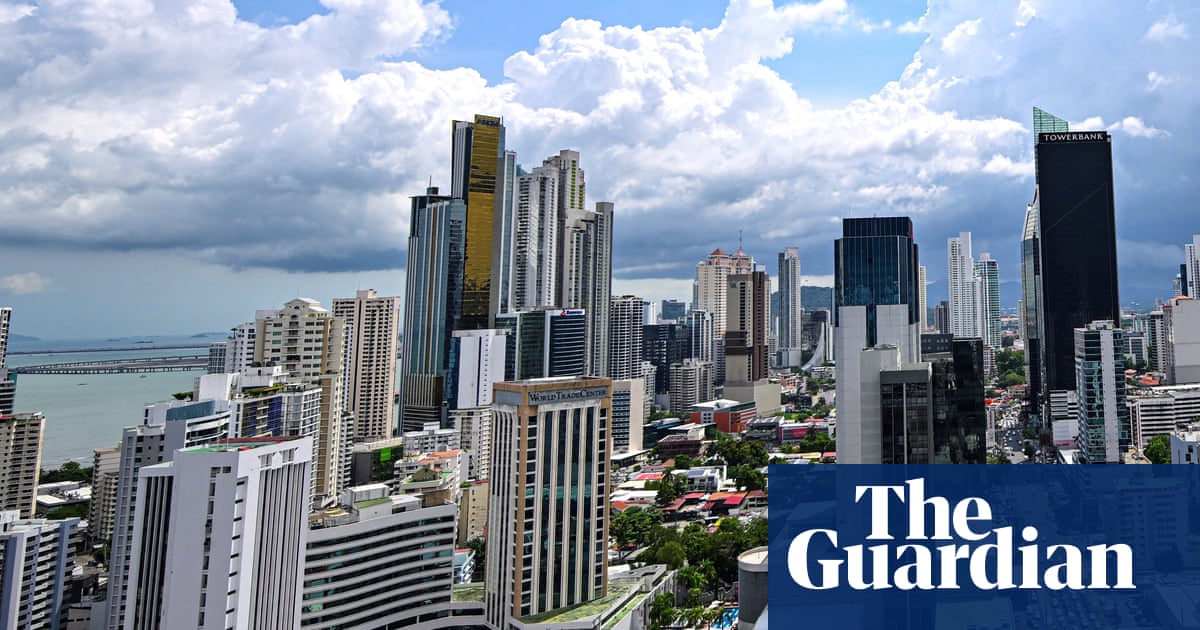
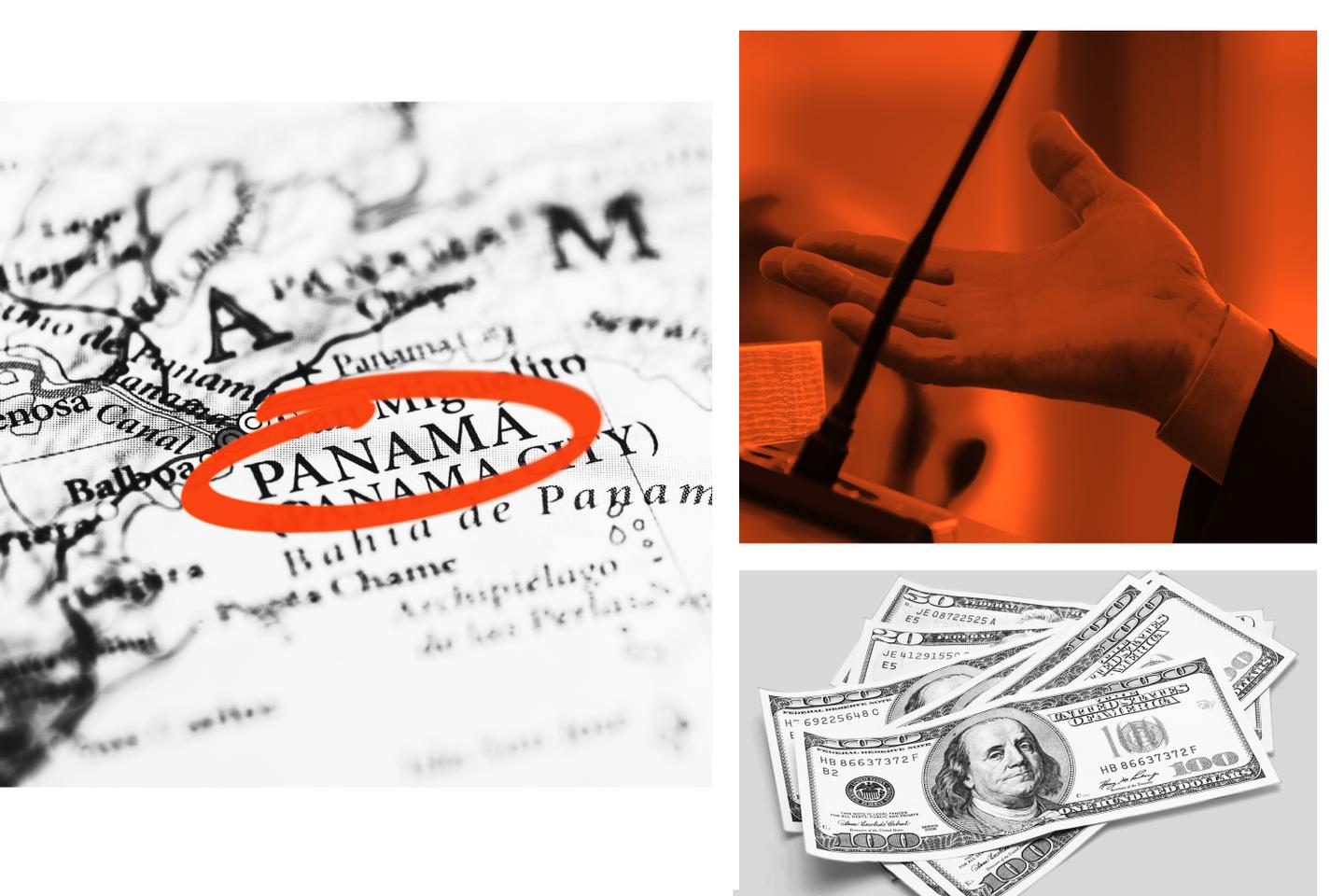
The story came as a powerful shock. For the first time, the investigation, conducted by the International Consortium of Investigative Journalists (ICIJ), together with 109 media outlets from 76 countries, including Le Monde, revealed a scandalous system of offshore tax evasion on an industrial scale. More than 210,000 shell companies had been created in around 20 tax havens, including the British Virgin Islands, the Seychelles, the Bahamas and others. It all started in Panama, where a law firm called Mossack Fonseca sought to hide funds belonging to businesspeople, the ultra-wealthy, athletes, national leaders and oligarchs.
It was far from the familiar image of harmless island jurisdictions that help a handful of billionaires avoid paying taxes. Hundreds of millions of dollars belonging to an elite class evaded global public finances, while ordinary citizens kept paying their taxes. Public opinion was stunned. The revelations came from an unprecedented data leak of 11.5 million documents supplied by a whistleblower, who was protected under the pseudonym John Doe.