Residents in at least 10 states are organizing campaigns to tax wealth in order to fund schools and other social services
Karen Sanchez likes to meet new people at trivia nights or concerts at her local brewery at the edge of Los Angeles county. Her opening line: “How do you feel about taxing the rich?”
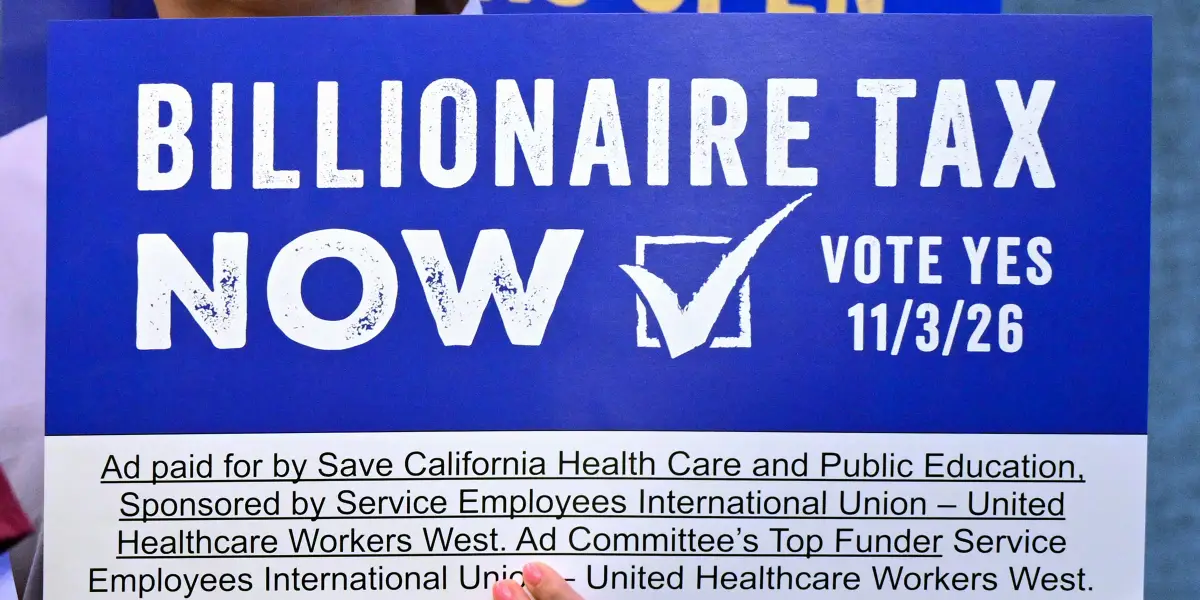
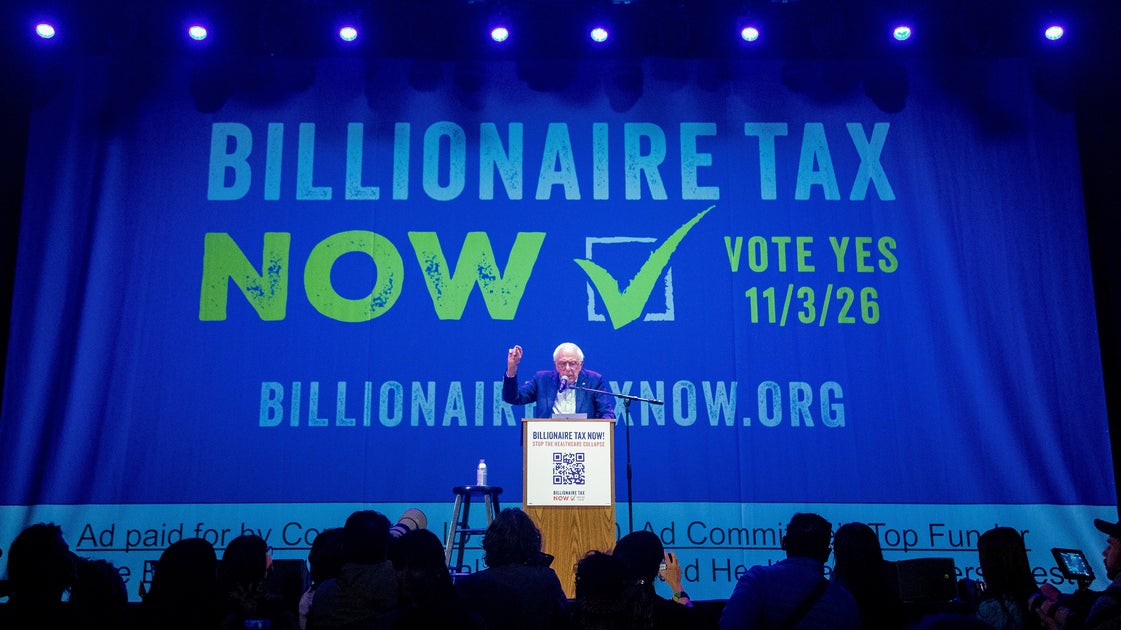
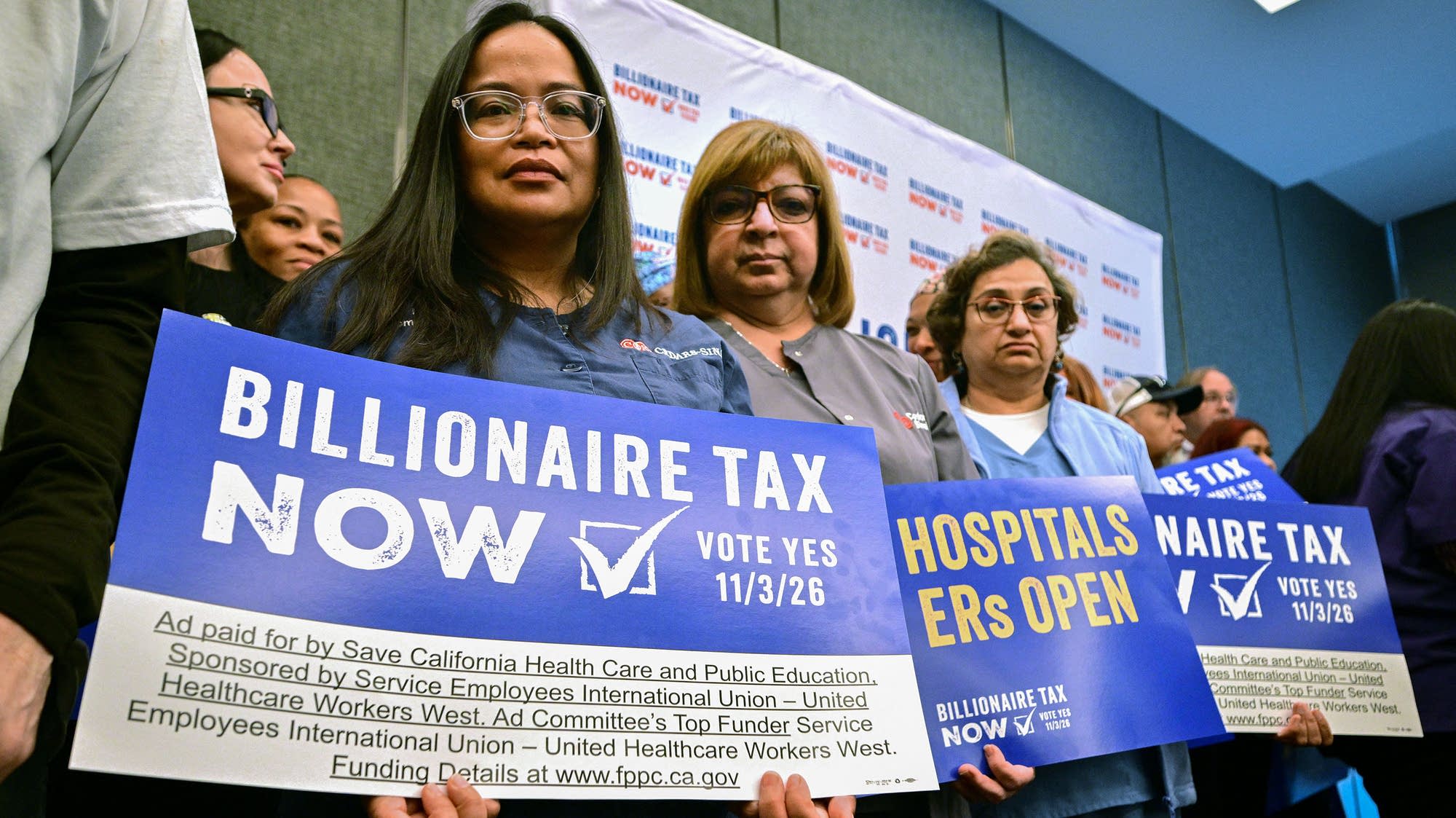
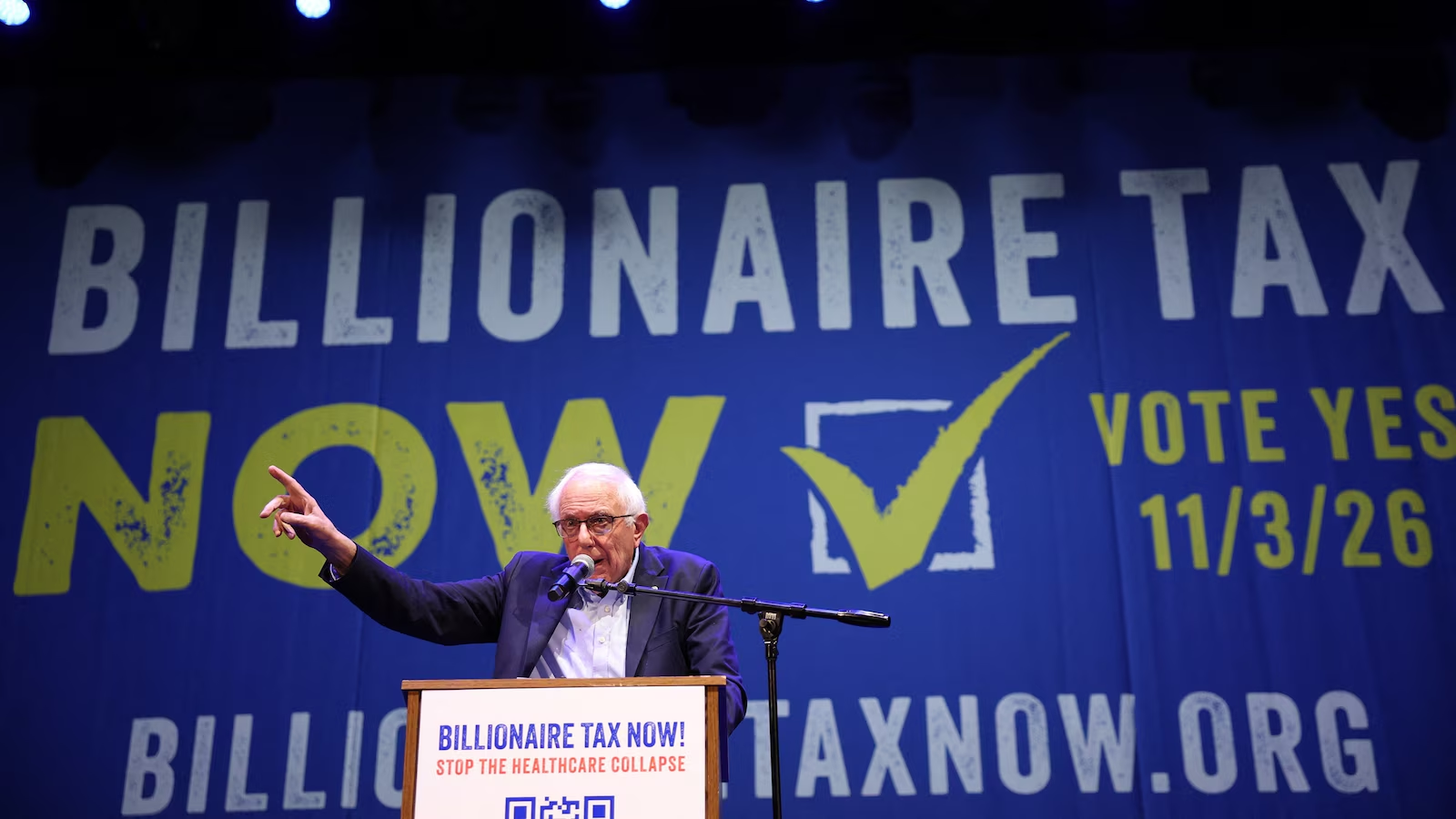
Sanchez is volunteering to collect signatures to put a contentious “billionaire tax” on California’s November ballot, sponsored by her union, SEIU – United Healthcare Workers West. The proposal would impose a one-time 5% wealth tax on the state’s 200-plus billionaires to cover lost federal funding for California hospitals and emergency services and to fund public education and food assistance programs. She says most people have been eager to sign on – and want to see more of it.
“You’ve got the people who were like, ‘Why just one time, why aren’t we taxing them more often than that?’ Other people are like, ‘Why just 5%?’” said Sanchez. “A lot of people are like, ‘This should be happening on a bigger scale more often.’”
In at least 10 states, residents are organizing campaigns to tax wealth in order to fund schools, prisons and other social services. In March, Washington state passed its first-ever income tax that targets about 20,000 millionaire households. Laws already exist in states such as Massachusetts and Minnesota, where wealth tax proceeds are paying for preschool and K-12 meals and improving transportation and roads.