California’s proposed wealth tax aims to go after billionaires’ balance sheets, but it largely sidesteps the way many ultrawealthy people actually generate spendable cash: they borrow against their assets, tax‑free, and never “realize” income in the first place. As long as that borrowing model stays intact, a one‑time levy on wealth may raise money once, but it does little to change the system that lets cash‑poor billionaires live richly while reporting very little taxable income.
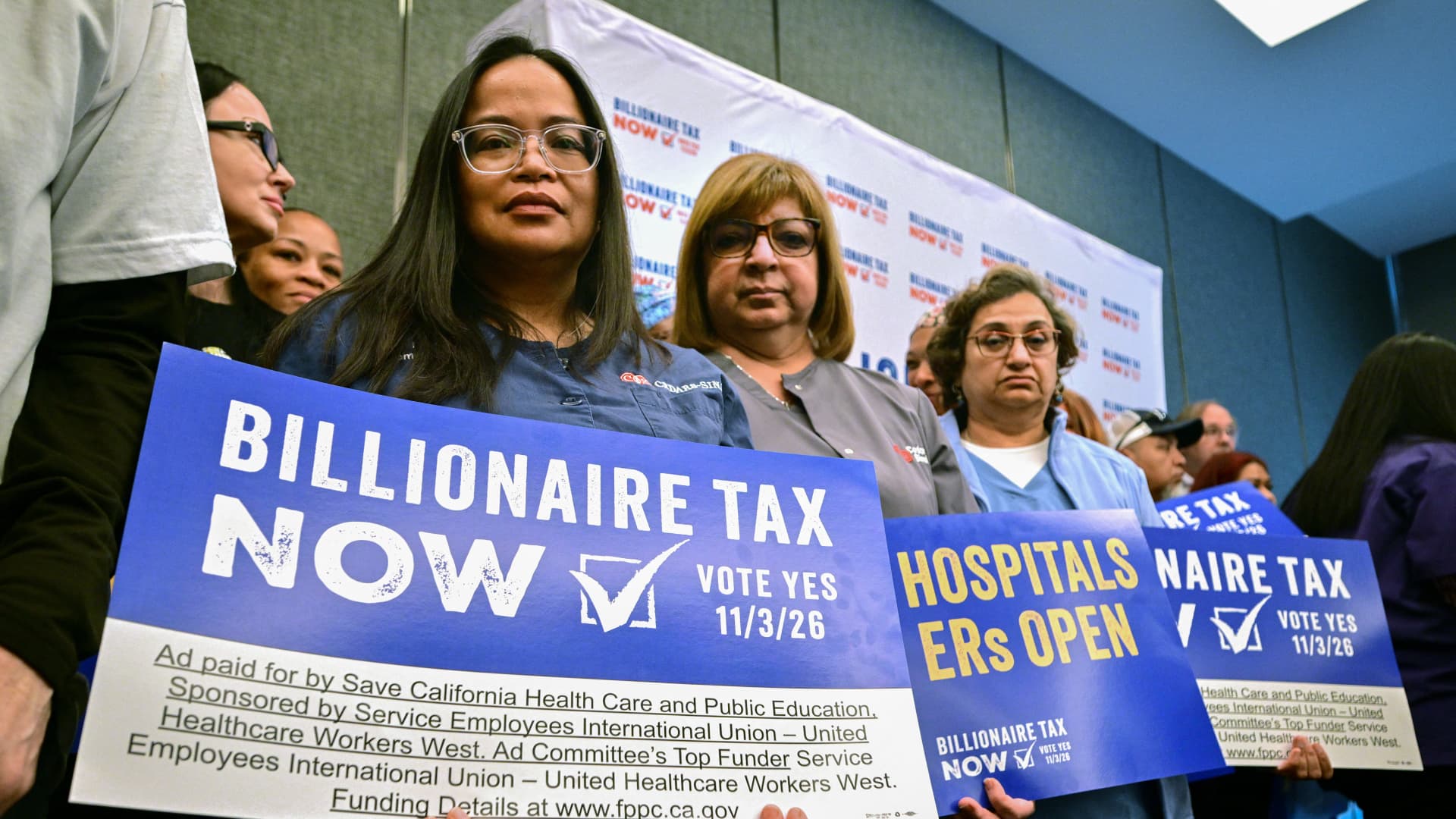
California is weighing a ballot measure, the Billionaire Tax Act, that would impose a one‑time 5% tax on the total assets of state residents worth $1 billion or more. The tax would apply to anyone who was a California resident on January 1, 2026, with payment due in 2027 and the option to stretch it over five years for an additional charge.
Supporters, led by a major healthcare workers’ union, pitch the measure as a way to raise roughly $100 billion to backfill expected federal healthcare cuts and force the wealthy to pay what they call their fair share. Gov. Gavin Newsom has warned that the levy could backfire by accelerating a departure of high‑net‑worth residents, even as he continues to defend the state’s broader progressive tax system.