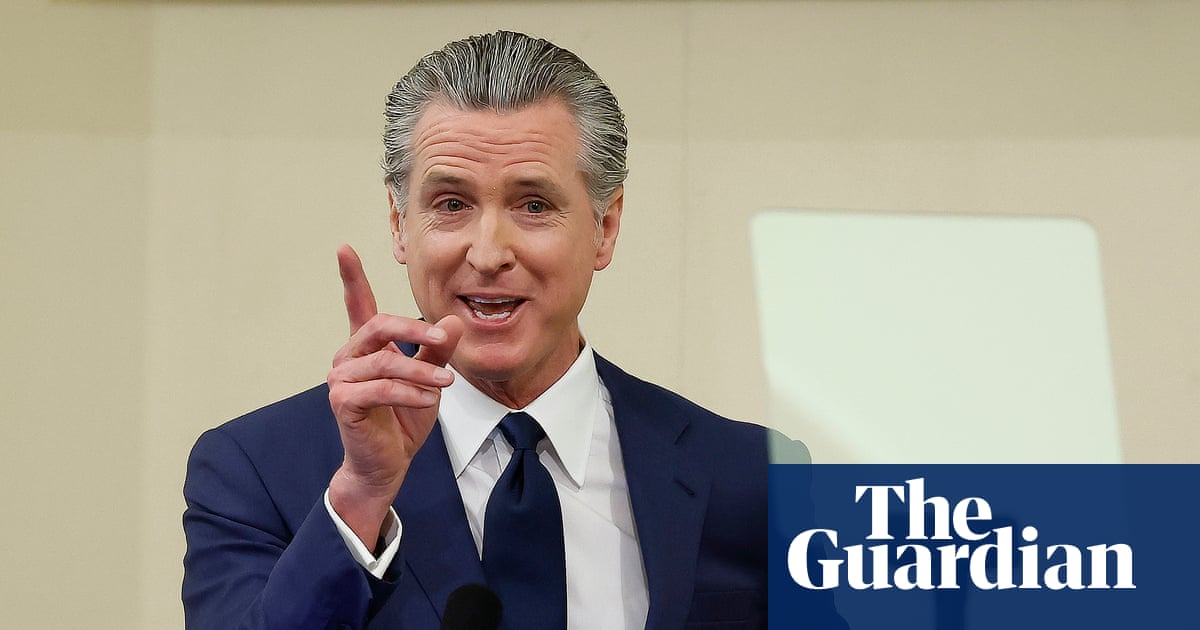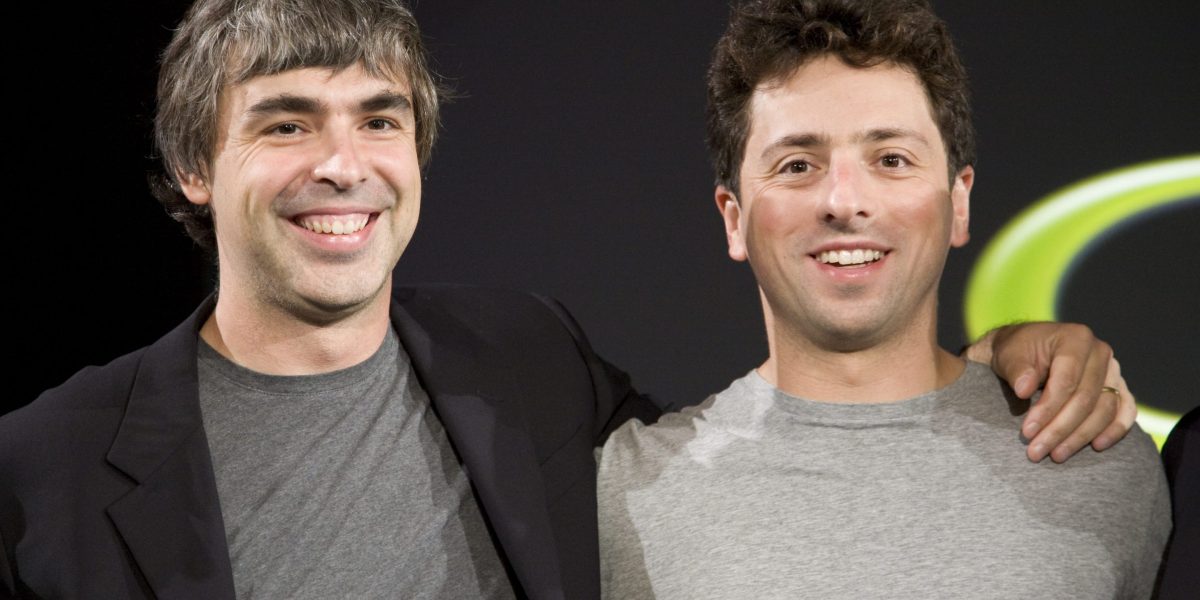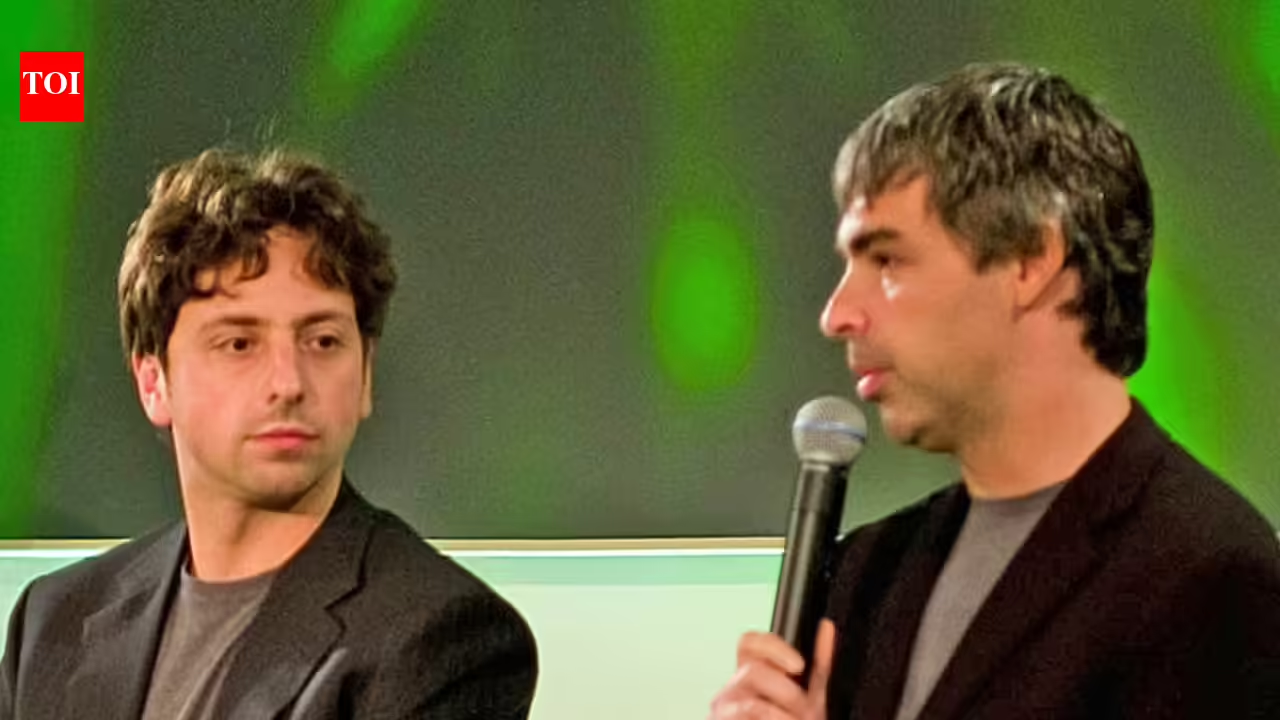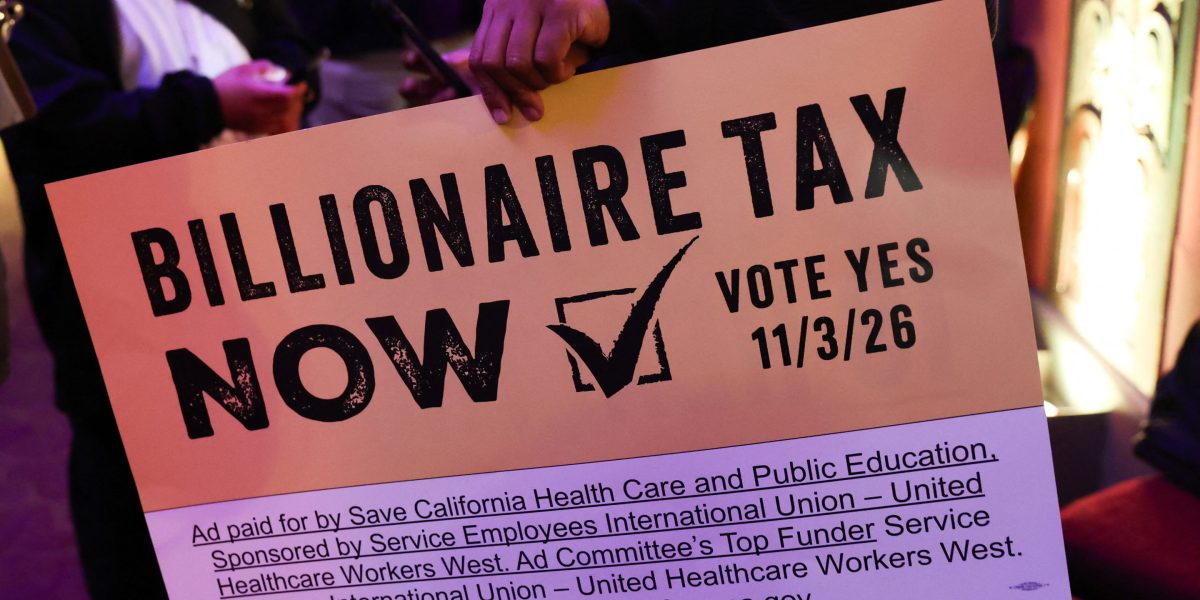
California’s proposed wealth tax is coming in for a lot of criticism these days. From Gov. Gavin Newsom, who counts many billionaires as friends and donors and yet was raised by a single mother juggling three jobs, to Anduril founder Palmer Luckey‘s vociferous objections, to the Google guys Larry Page and Sergey Brin voting with their feet, much of the Golden State’s ultrawealthy is objecting to this policy. But what if the policy wouldn’t even work that well, once implemented? That’s what budget expert Kent Smetters thinks.
The Wharton School professor and faculty director of the Penn Wharton Budget Model (PWBM), speaking to Fortune from his office in Philadelphia, recently argued that the measure is an inefficient revenue tool born from a “perfect storm of craziness” in the current economic and social climate that makes “populist” ideas like this so sticky. As the state grapples with a significant budget shortfall, Smetters warns that taxing the ultrawealthy would simply fail to provide the expected windfall. Blame behavioral economics and “the money illusion,” he said.
Smetters’ PWBM is widely used in Washington DC to analyze the fiscal and macroeconomic effects of federal policy proposals. And he brings a lot of Beltway policy chops to the role, with a background that includes serving as an economist at the Congressional Budget Office and as Deputy Assistant Secretary for Economic Policy at the U.S. Treasury. He has advised Congress on dynamic scoring, and policymakers from both parties consult him while drafting major tax and spending legislation. Smetters has described much of the PWBM’s work as private analysis, even a “sandbox,” for legislators to workshop ideas before bills are written. He lives and breathes economic policy.