If a food is labeled ‘functional’, what does that mean? Not much, experts say
Y
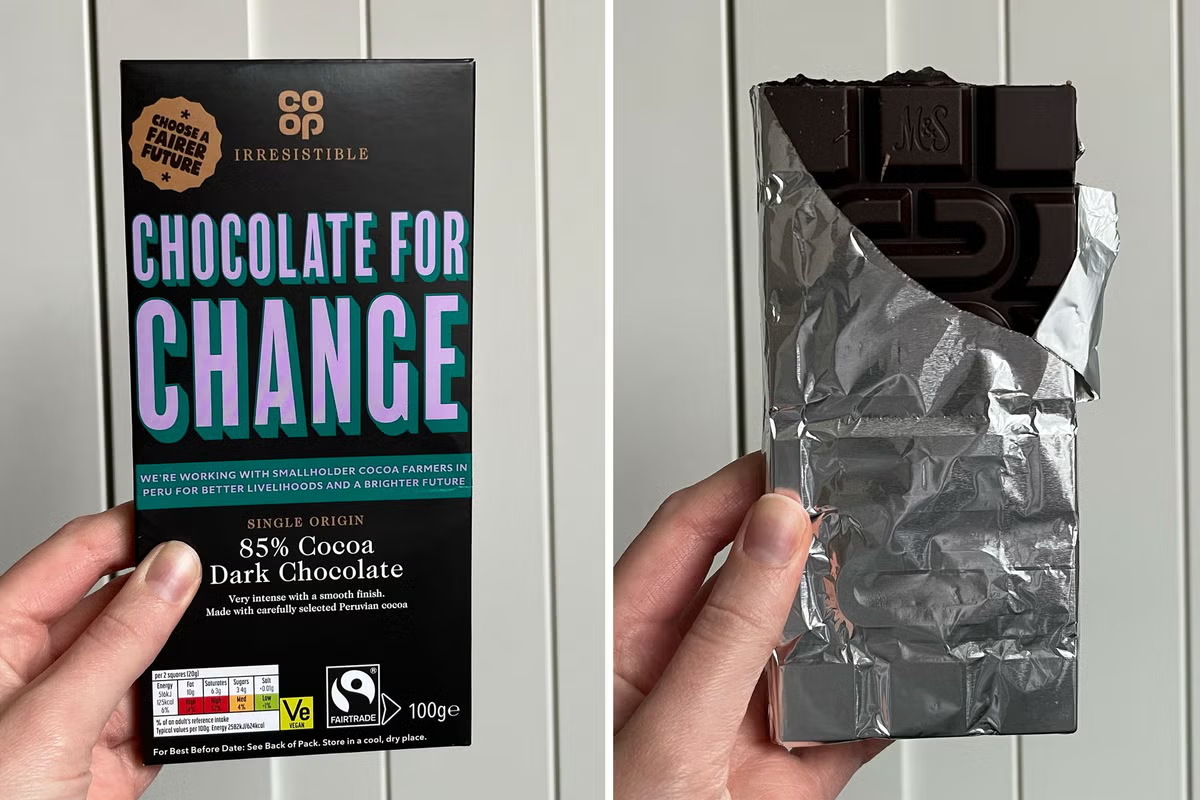
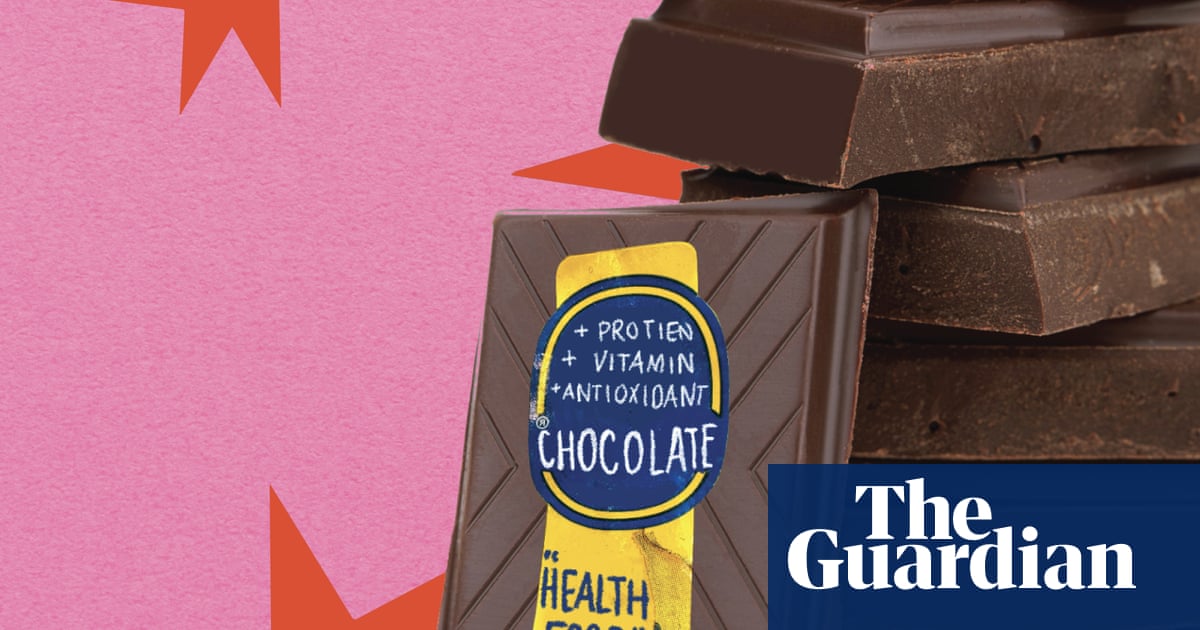
ou’re at the grocery store, looking for a sweet snack. But these days, the chocolate aisle promises so much more than that: mental clarity, a stronger immune system, PMS relief and even sexual stamina – all in a few squares.
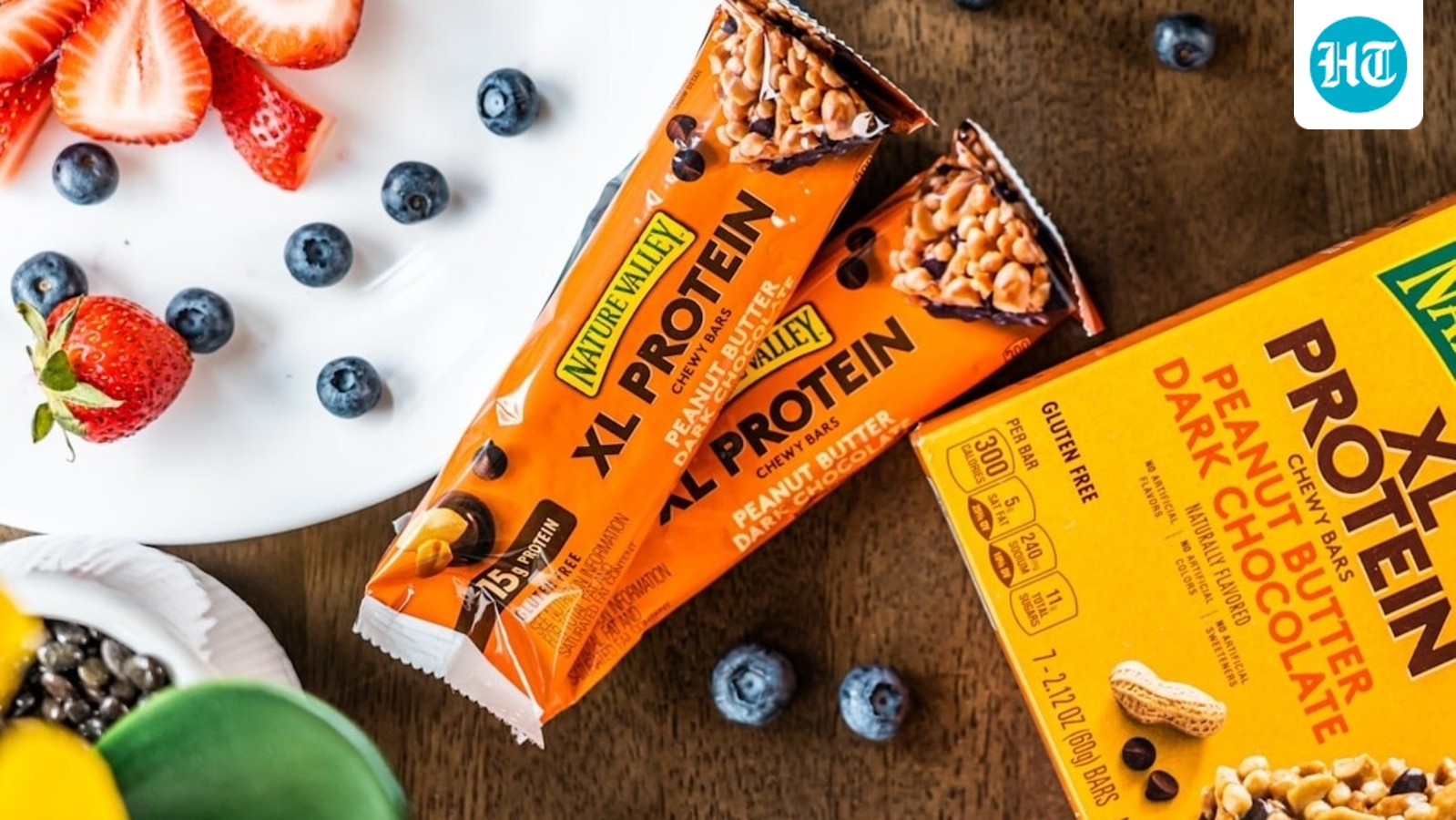
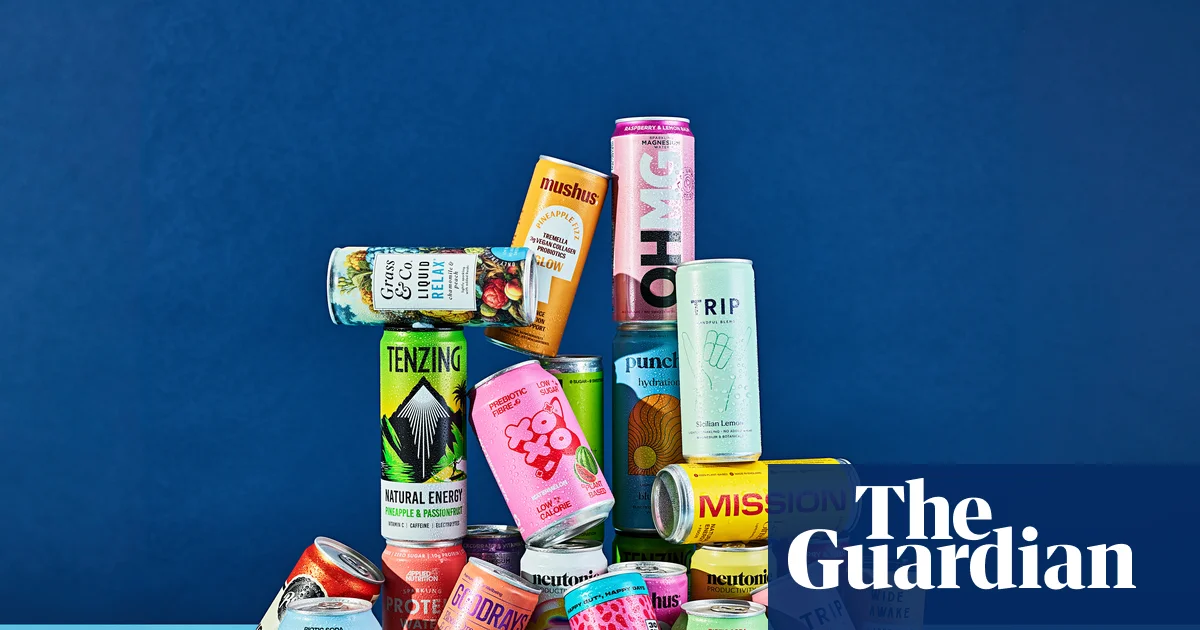
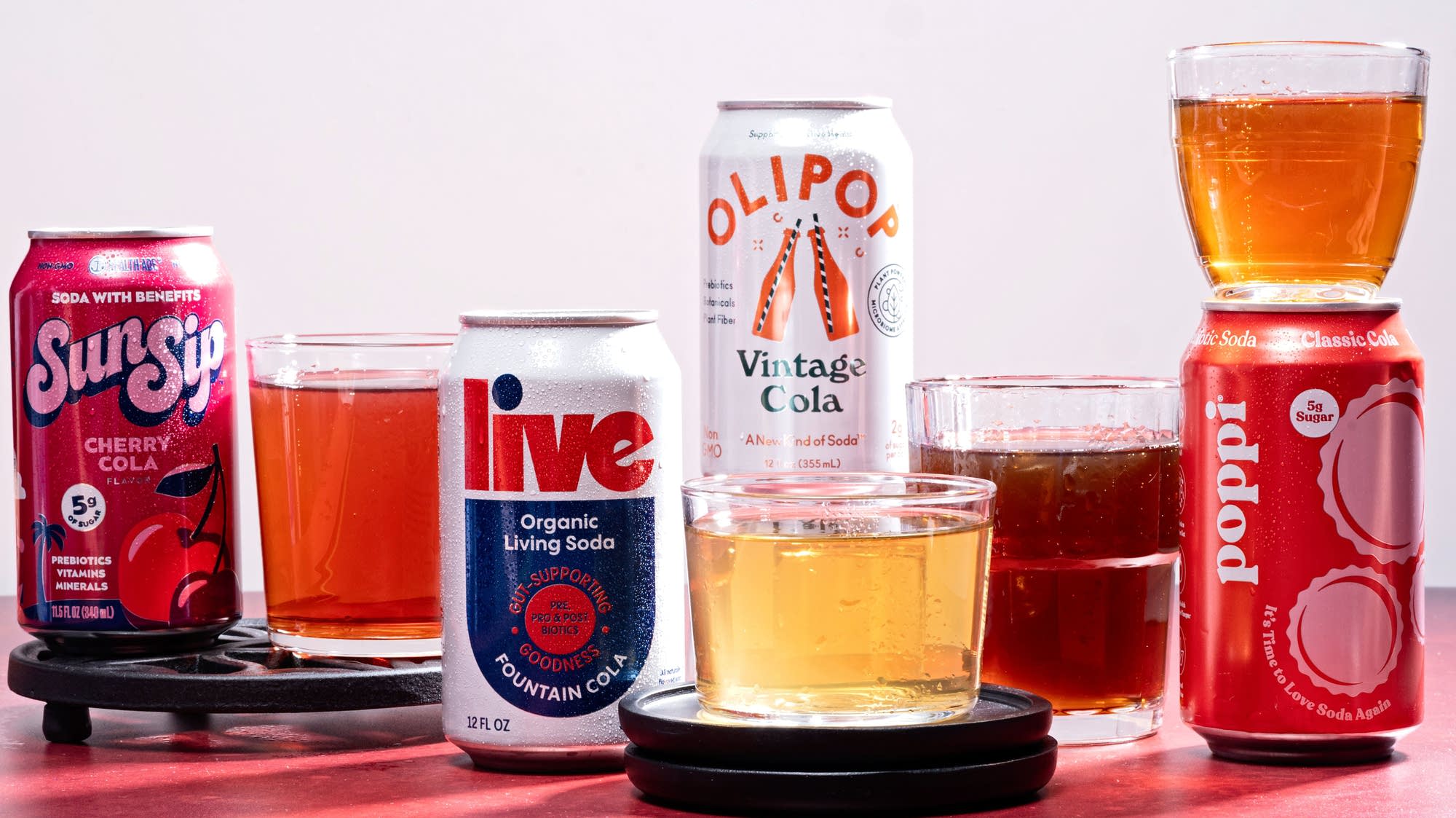
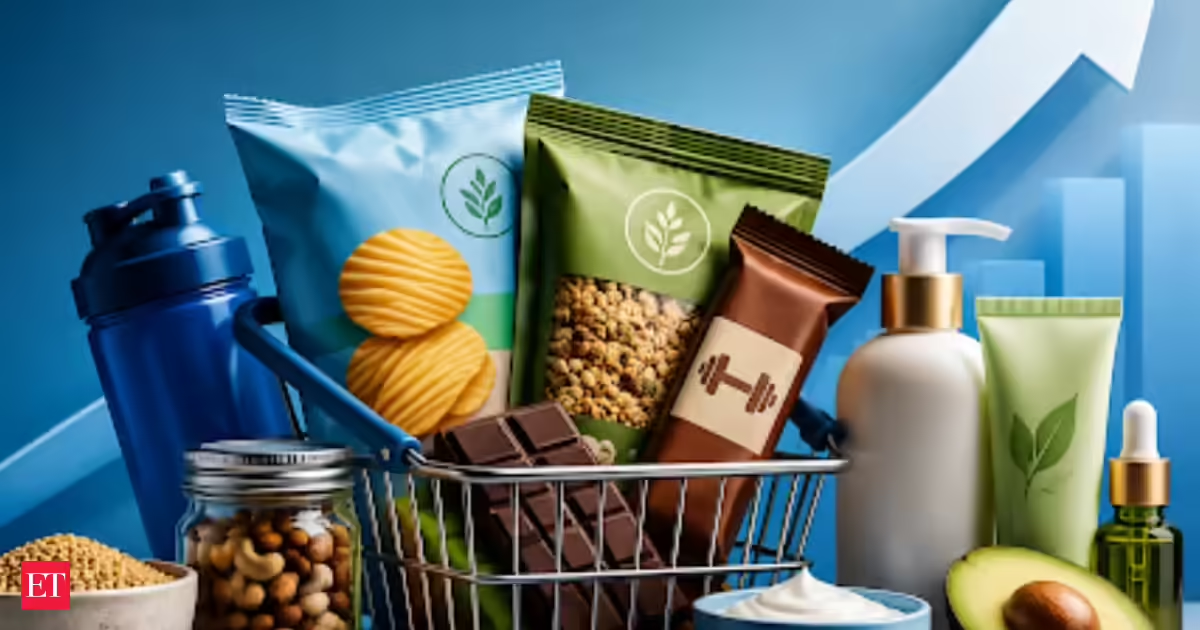
Chocolate is hardly the only treat to be reborn as a wellness product. Supermarket shelves now boast chips with added protein, gut-friendly sodas and collagen oatmeal – all part of the fast-growing “functional foods” market, which is expected to reach $586bn globally by 2030.
Functional foods have been around for decades, but are taking off anew. Consumers have become more health-conscious, weight-loss drugs are changing people’s eating habits and strained household budgets make non-essentials harder to justify, said Marion Nestle, a professor emerita of nutrition, food studies and public health at New York University.