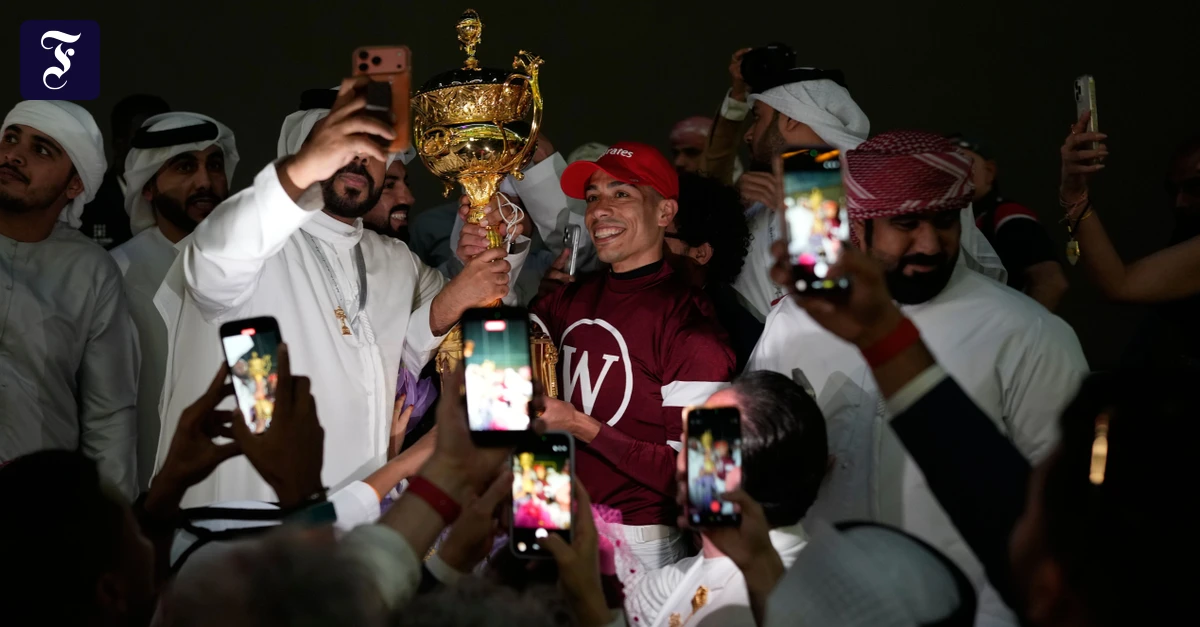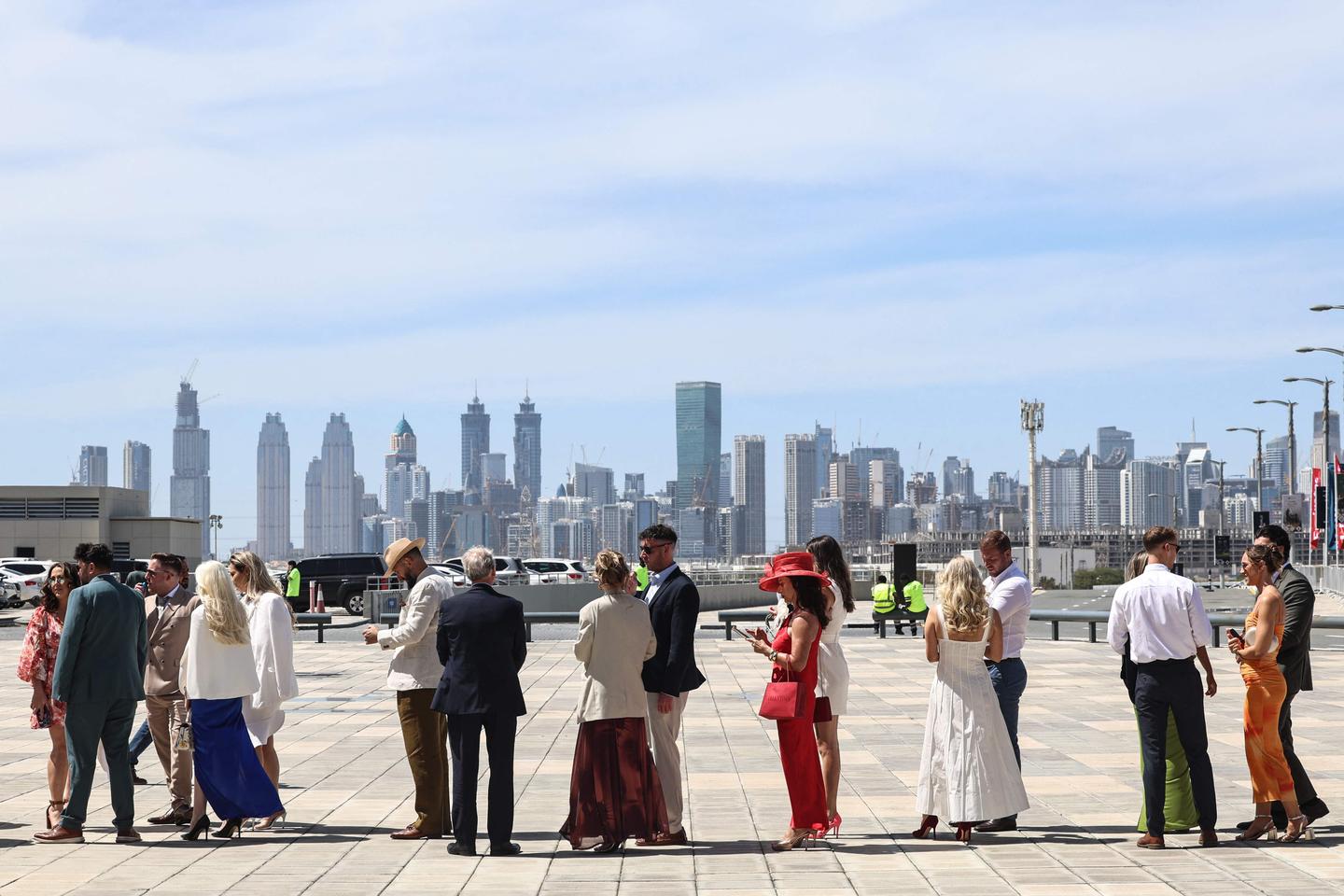
Guests line up to enter the Meydan Racecourse to attend the Dubai World Cup horse race on March 28, 2026. FADEL SENNA/AFP
An afternoon at the beach, feet in the water or in the sand and minds elsewhere, far from the war tearing apart the Gulf. That was how many residents of Dubai, the wealthy principality of the United Arab Emirates (UAE), spent Sunday, March 29. Washed clean by the violent storms of previous days, the sky was a soft, piercing blue, an unusual sight in this metropolis of four million people, more accustomed to clouds of dust and pollution.
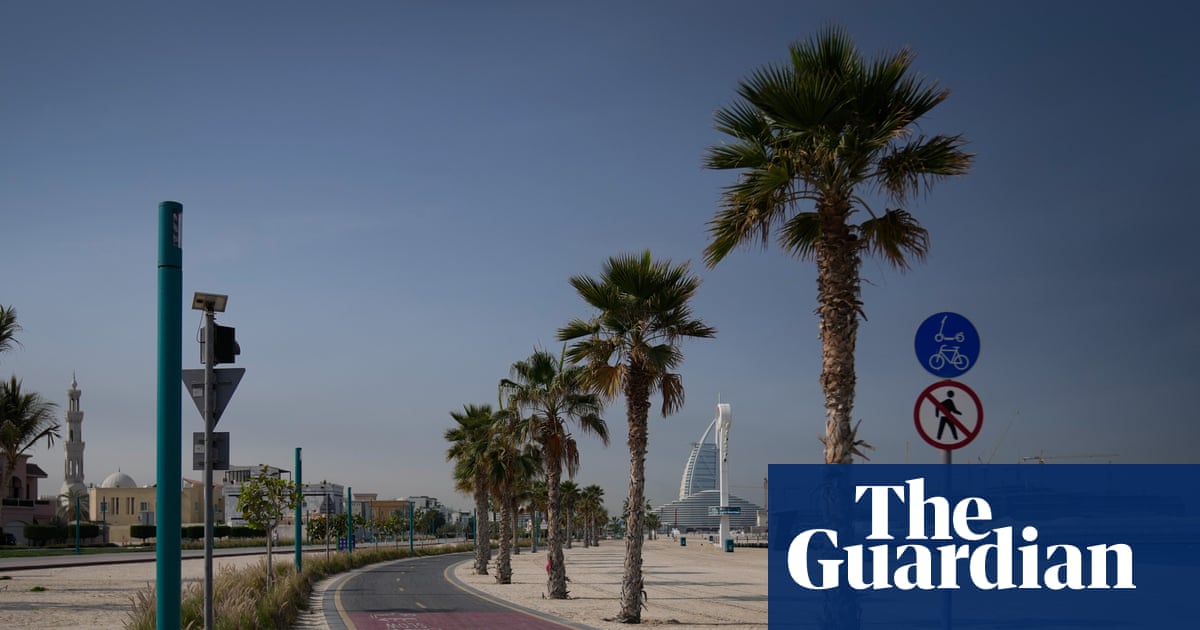
On Kite Beach, one of the city's public beaches dotted with palm trees, padel courts and food trucks, two Indian couples sat chatting on a woven mat, a Thermos of tea within reach. "Iranian missiles? Have you seen any? Everything is fine here," said one of the husbands, a 30-something IT specialist, cutting the conversation short when asked about the ongoing conflict. Yet on that day, the Islamic Republic had fired nearly 60 projectiles toward the UAE in retaliation for US-Israeli airstrikes on its territory.
A little further along, Heba (who requested anonymity), a young Omani woman, watched the last rays of the sun sink into the sea, outlining the silhouettes of ships resting on the horizon. She, too, was not worried about the attacks, which cause muffled explosions at regular intervals, a sign of an interception in the air or, much more rarely, an impact on the ground. "This country is the safest in the world, I have complete trust in its defense system," said this luxury sector employee, echoing the sentiment of many foreign residents interviewed by Le Monde. "I have never been so proud to live here," she added.