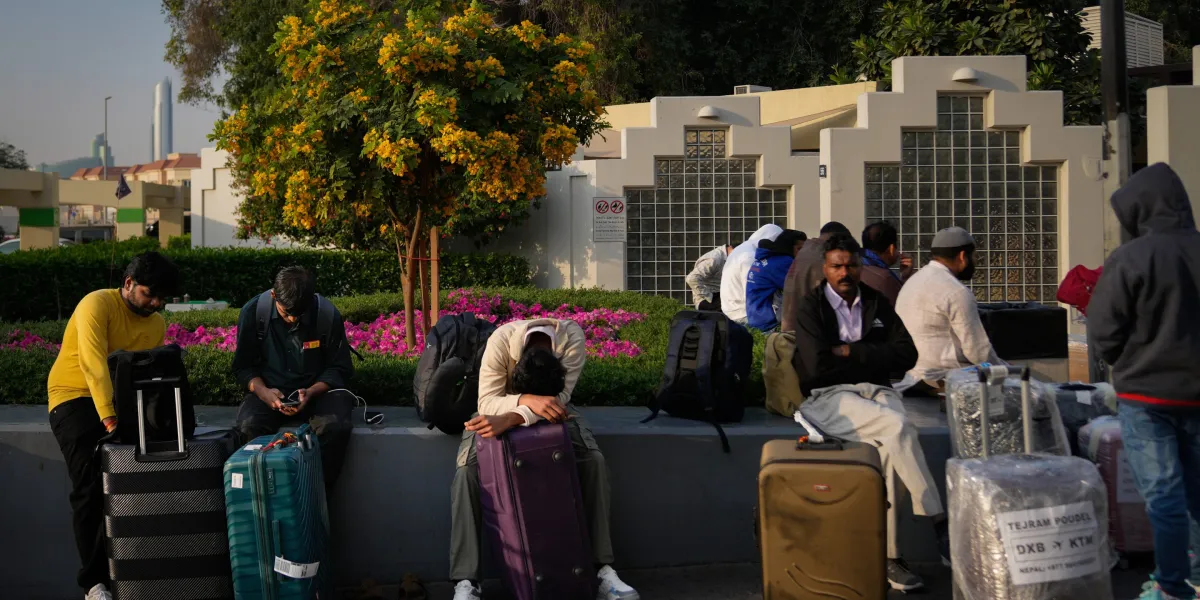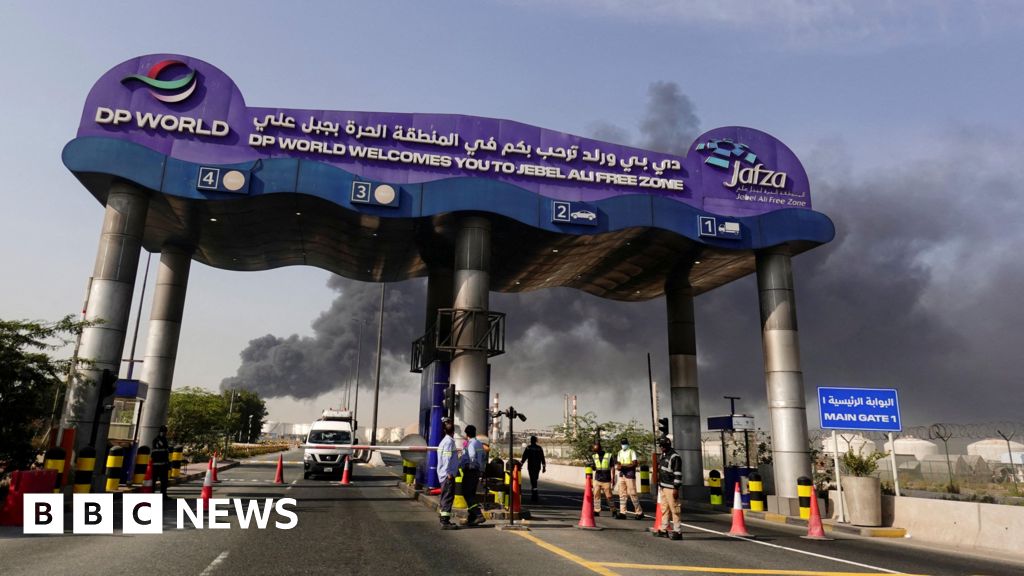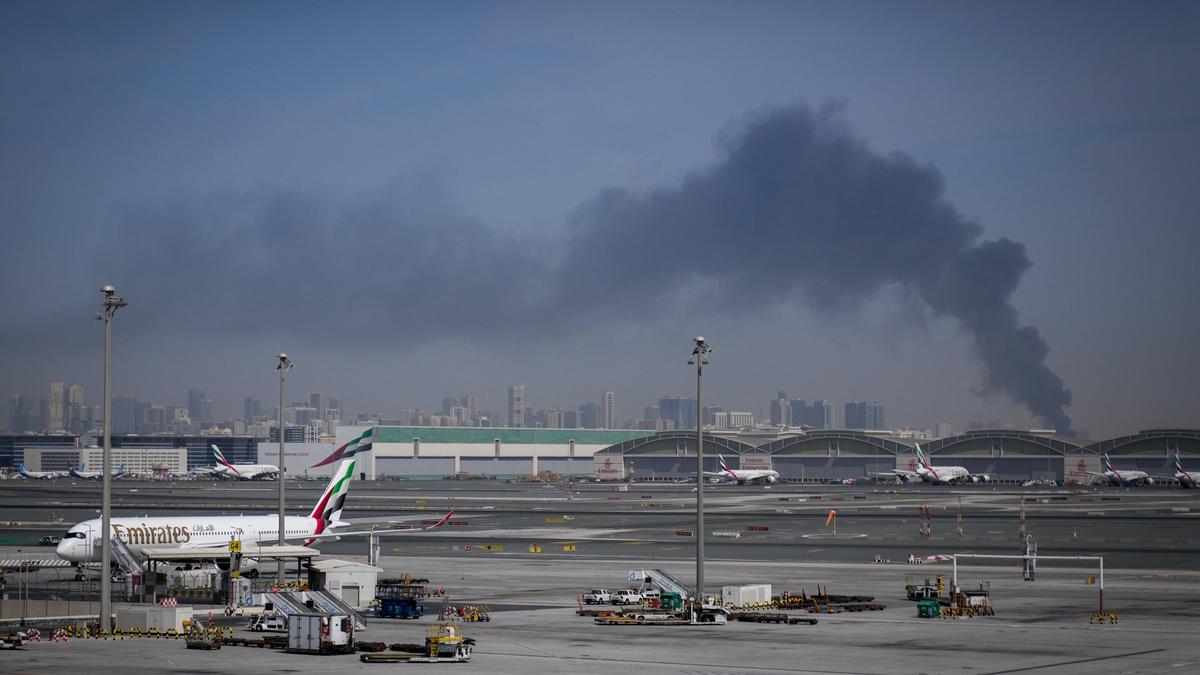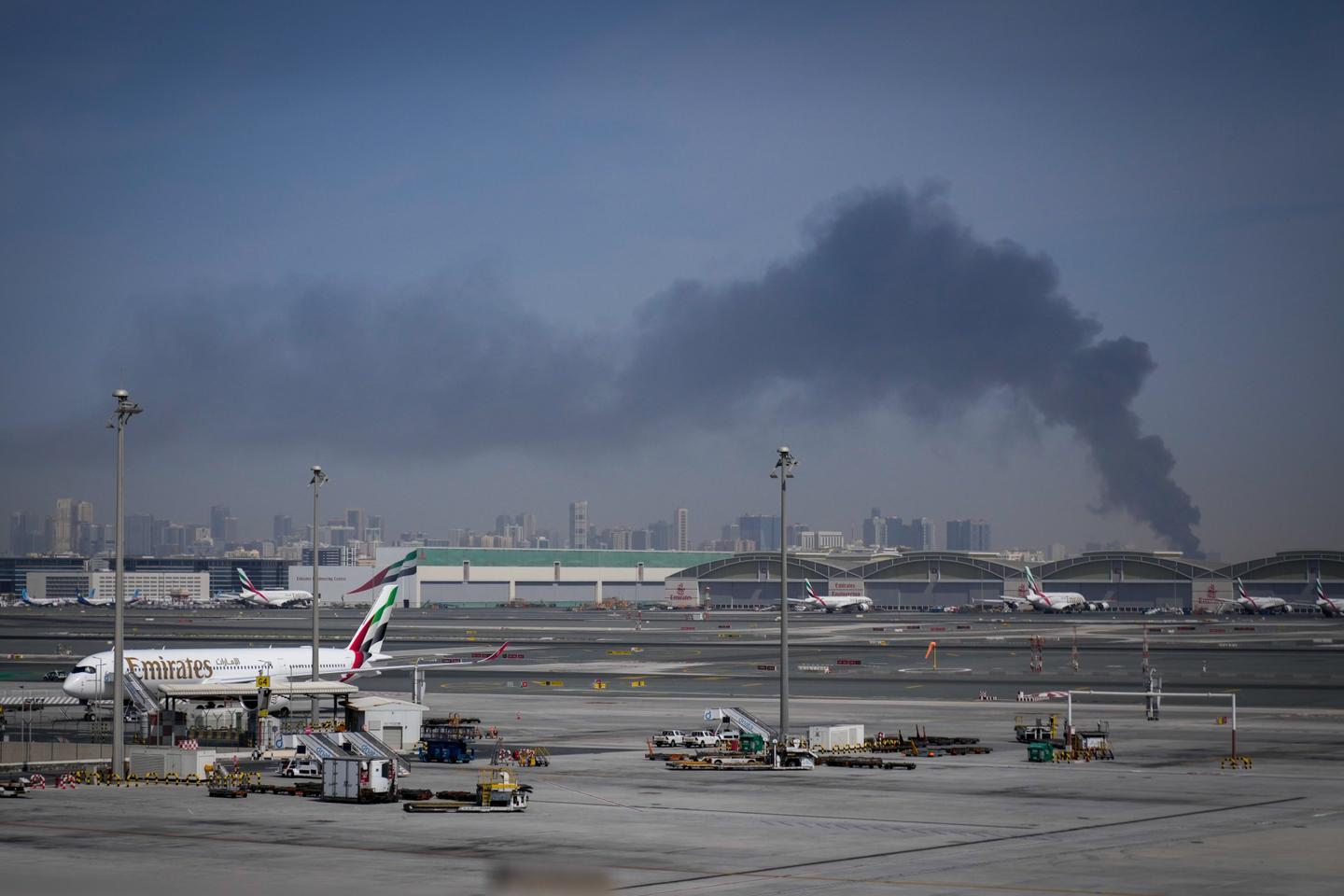
Smoke rises following an Iranian attack at Dubai International Airport, United Arab Emirates, on March 1, 2026. ALTAF QADRI/AP
Franck Le Peculier, 52, a real estate agent, will long remember his current family vacation in Dubai, United Arab Emirates (UAE). Their week-long holiday at the Atlantis Hotel, a monumental 1,500-room resort on the artificial island of Palm Jumeirah, featuring a water park with 105 water slides, several aquariums and around a dozen restaurants, was drawing to a close on Saturday, February 28. He had never imagined he would receive emergency alerts on his phone that night, as Dubai came under fire from Iran.
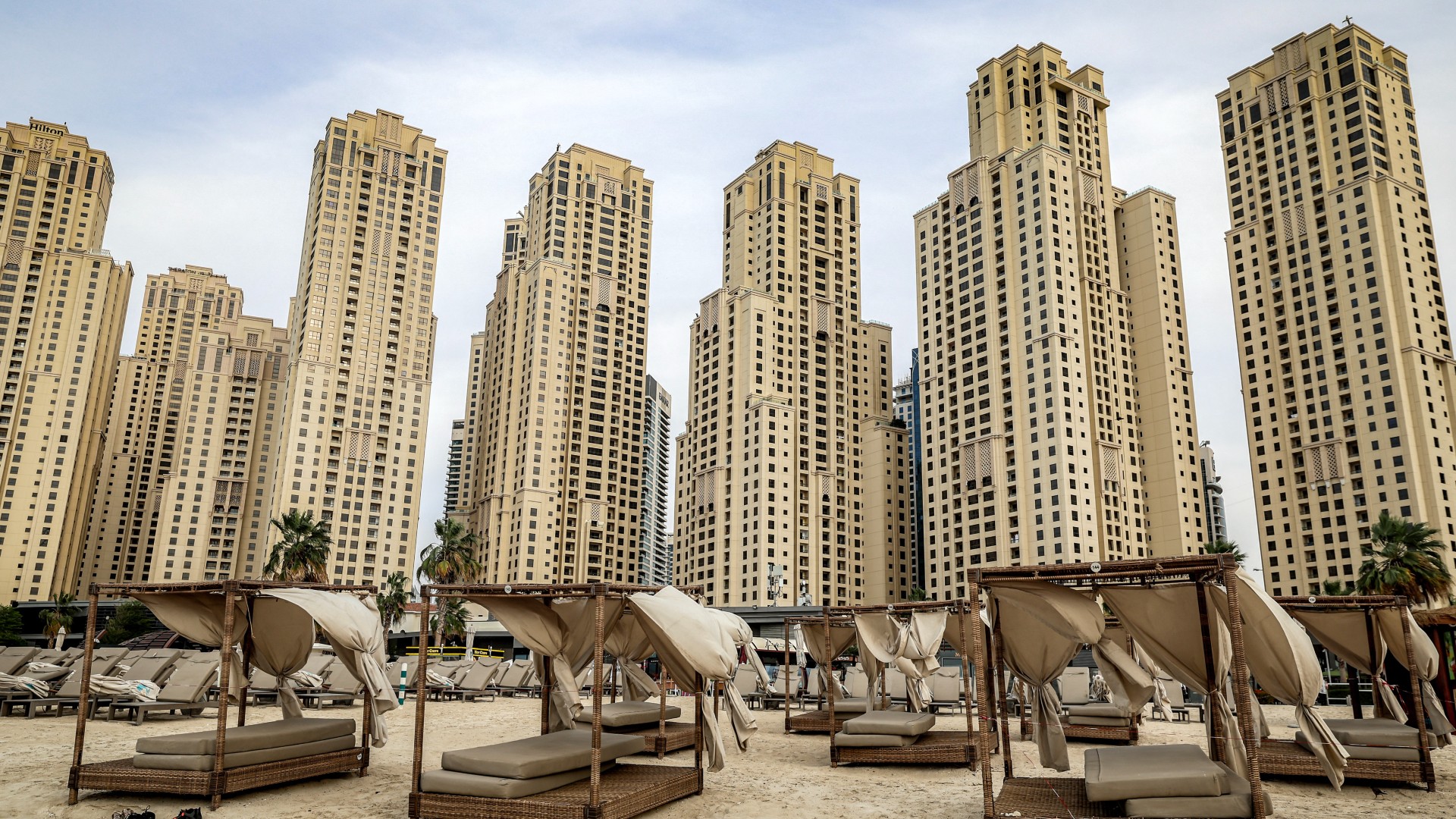
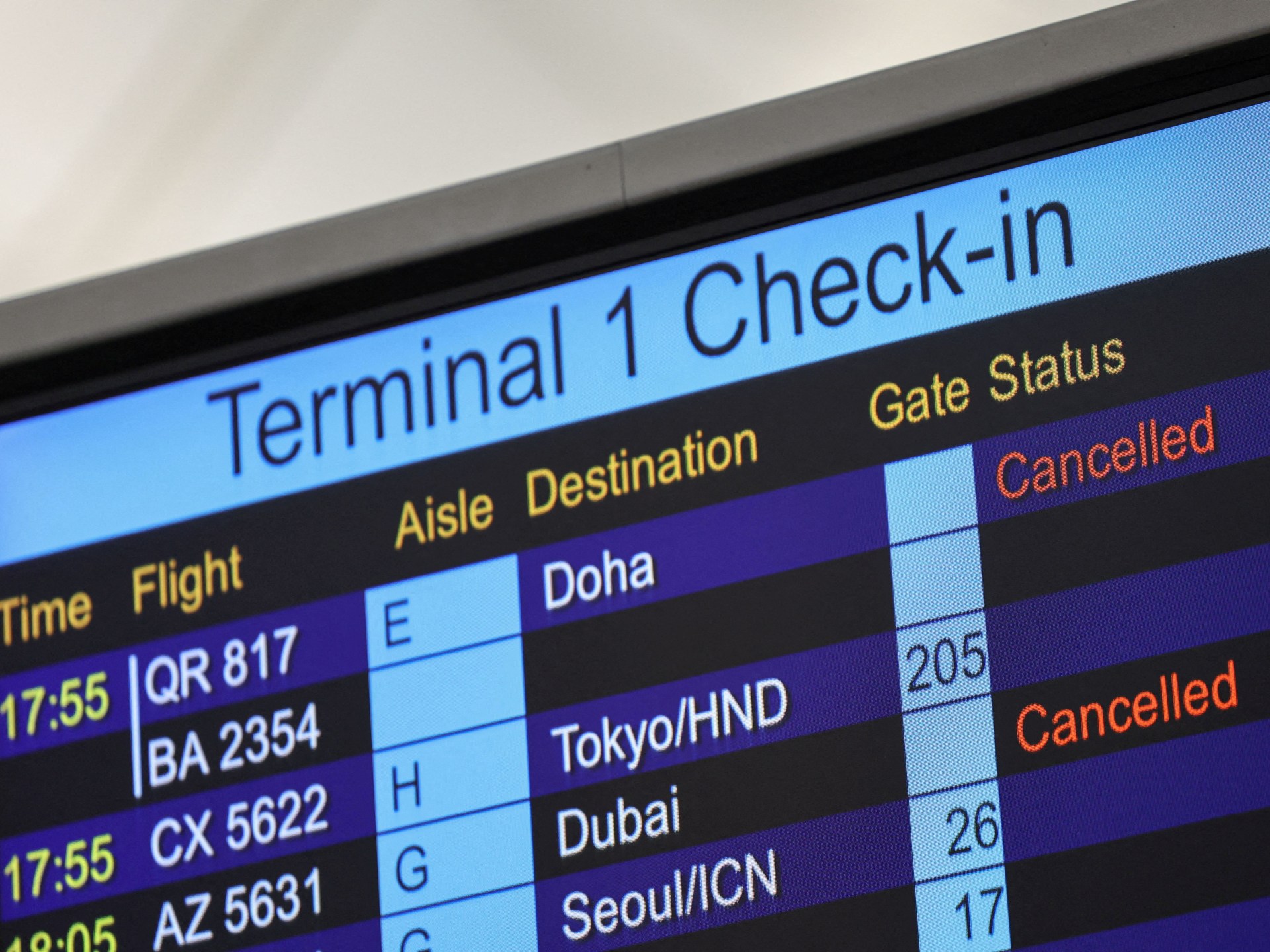
Since then, he has regularly heard unexpected explosions, after having moved, together with his wife and their four and nine-year-old children, to a marina apartment he was renting on Airbnb. Since the start of the week, their days have stretched on amid a strangely calm atmosphere, "like in a lockdown" during the Covid-19 pandemic. The day before, he invited a "couple of notaries from Nice," whom he had met at the hotel, over for dinner. The couple, too, were "stuck" in Dubai. The Le Peculier family's original return flight had been scheduled for Sunday, and they hoped to go home via an Emirates flight on Thursday. Yet everything was still highly uncertain: Flights had only gradually resumed on Tuesday. The war has so far led to the cancellation of 19,000 flights in just four days, according to the specialized data company Cirium.