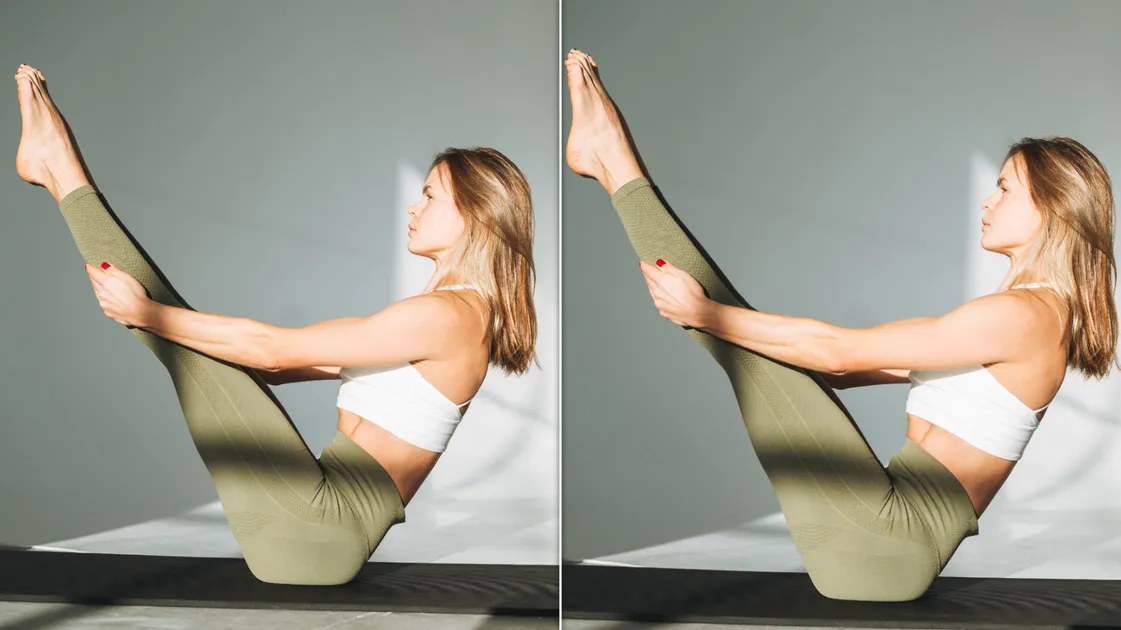
One of the fastest-growing fitness trends is also one of the most divisive. To its fans, it promises a stronger, healthier body; to its critics, it’s another way to make women feel insecure. Time to sort fact from fiction
I
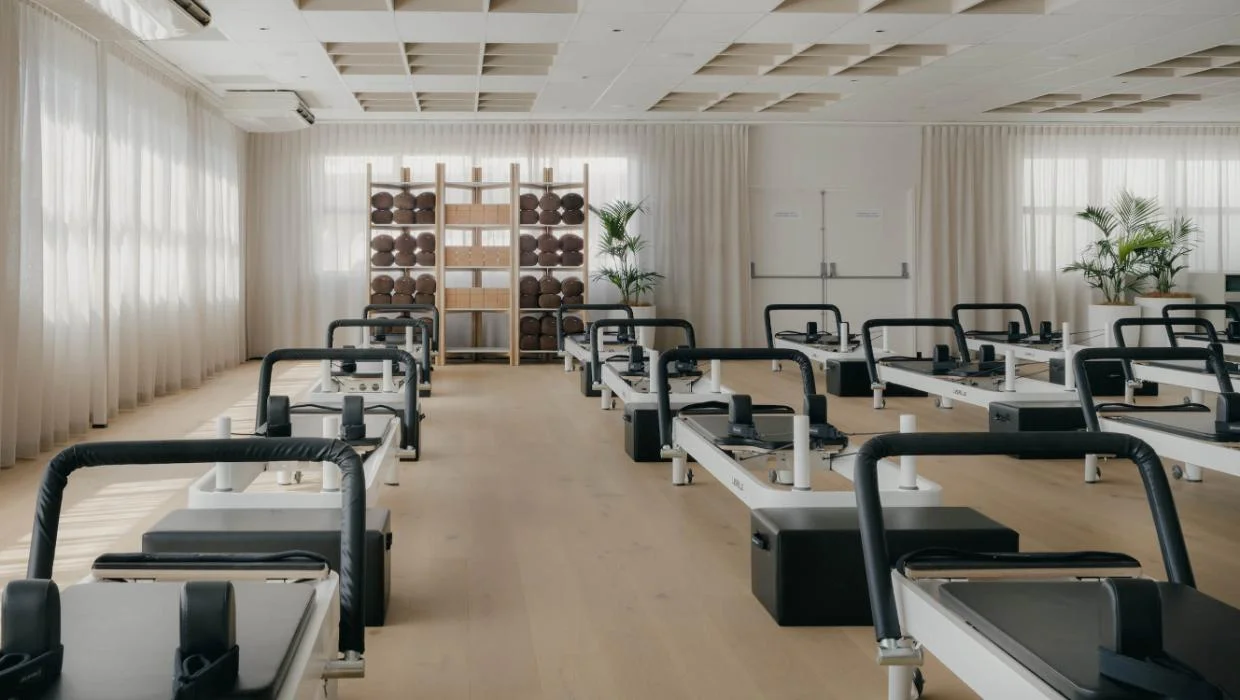
have noticed something new in my London neighbourhood. Amid the sea of nail salons, vape shops and purveyors of fried chicken, sleek, opaque-fronted premises are popping up everywhere. There are several within 15 minutes of my home.
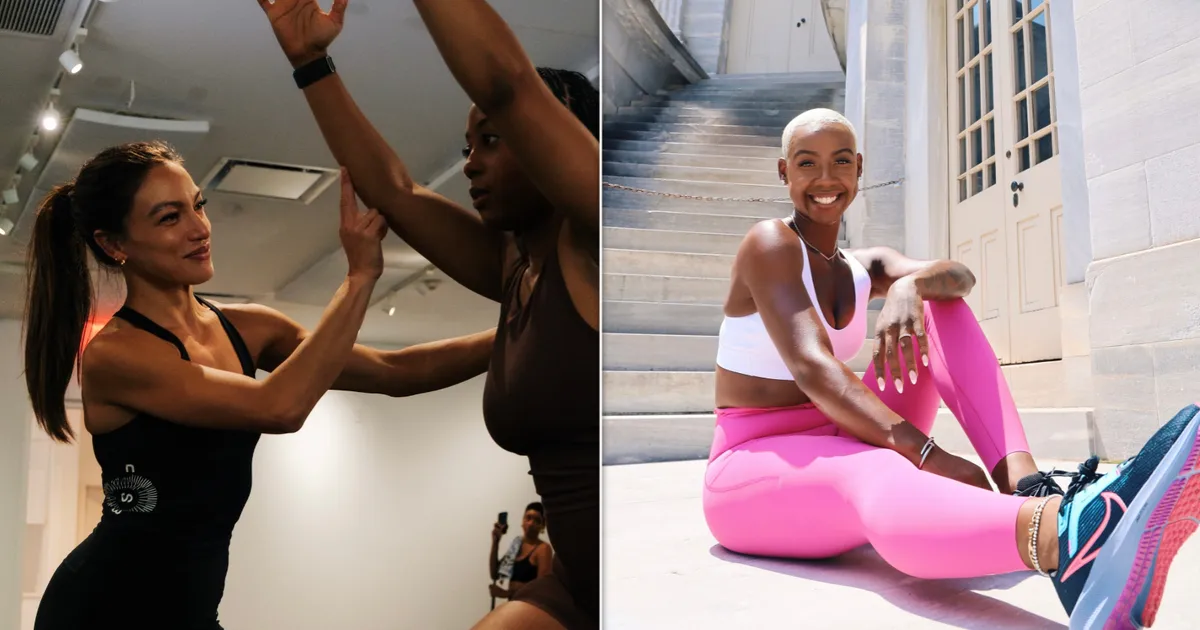
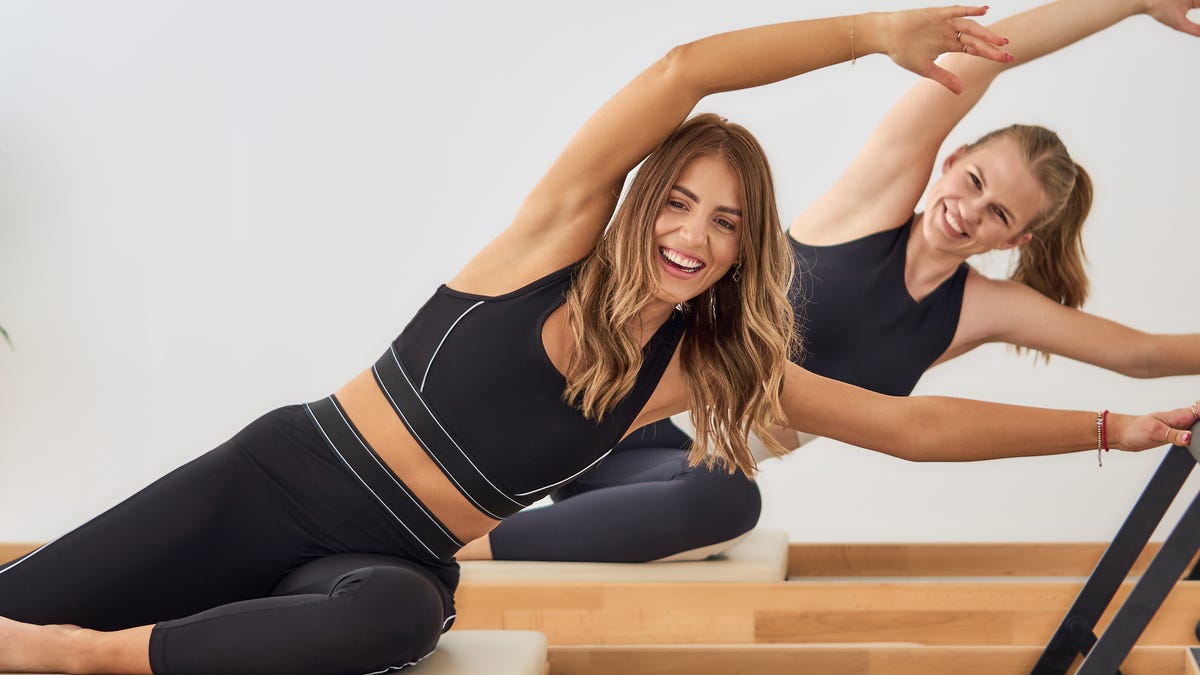
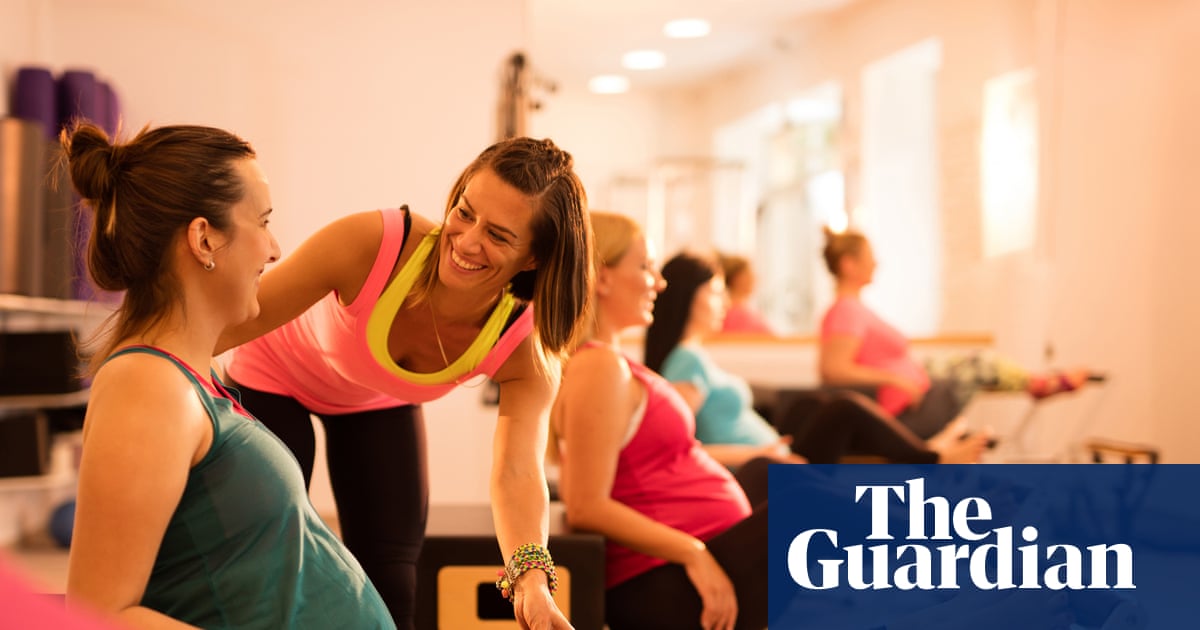
At weekends, you can spot clusters of devotees heading to these mysterious, vaguely aspirational temples of self-care, AKA reformer pilates studios. Many of these devotees conform to an aesthetic popularised on TikTok via hashtags such as #pilatesprincess. There is definitely a uniform: pink athleisure, Rhode phone cases and oversized pastel-coloured Stanley tumblers, jokingly referenced on Instagram as “emotional support” bottles. It is a trend that prompted New York magazine to run an article under the headline “Why Pilates Keeps Pissing People Off”: the workout has become inseparable from a very strict idea of womanhood.
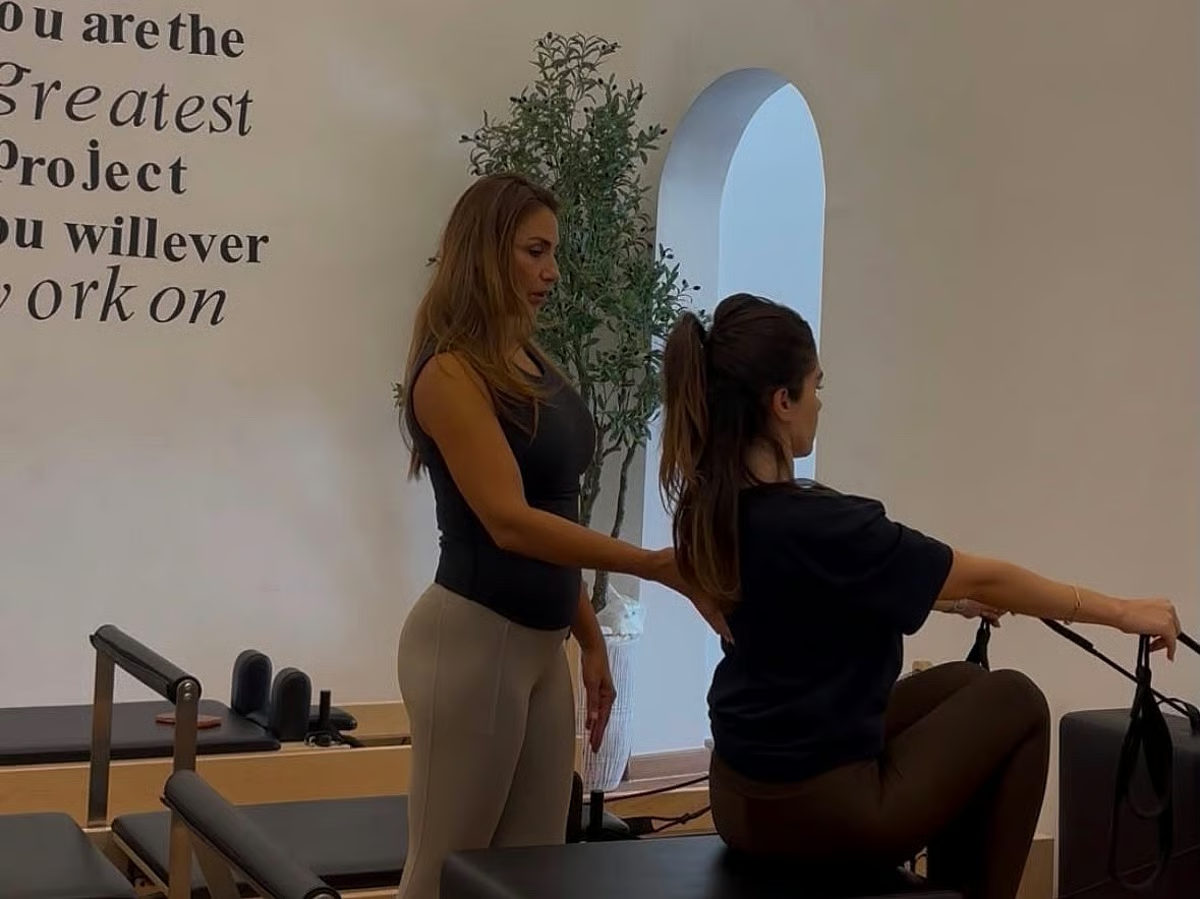
Whatever the truth of that, it is certainly not putting people off. Pilates has occupied the top slot around the world for three consecutive years on fitness booking app ClassPass, which reported that bookings in 2025 were up 66% year on year. This represents big business. Together, the UK pilates and yoga market is worth £1.1bn. Thanks to celebrity endorsements, including from Margot Robbie, Dua Lipa and Bella Hadid, demand for all forms of pilates remains high. However, it is reformer pilates, which requires specialised studio equipment, that is the most popular. Data from applications made to the business insurance provider Protectivity between 2024 and 2025 revealed that applications from reformer pilates instructors showed the biggest rise across all startups, with applications up 948% year on year.