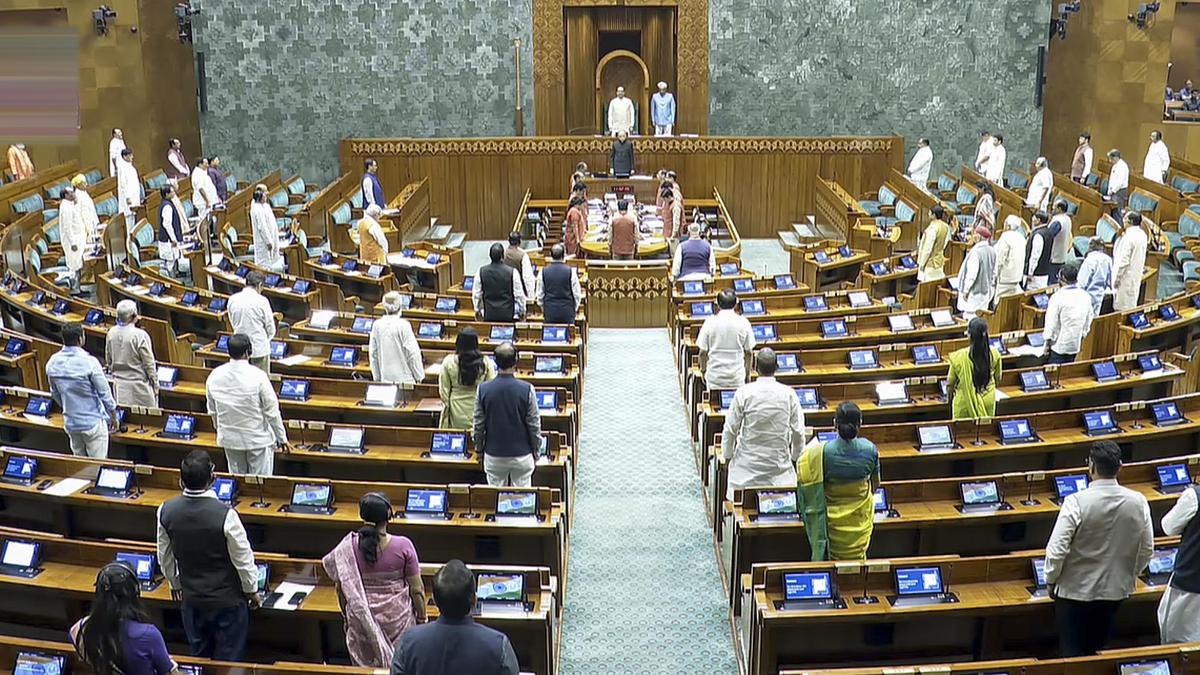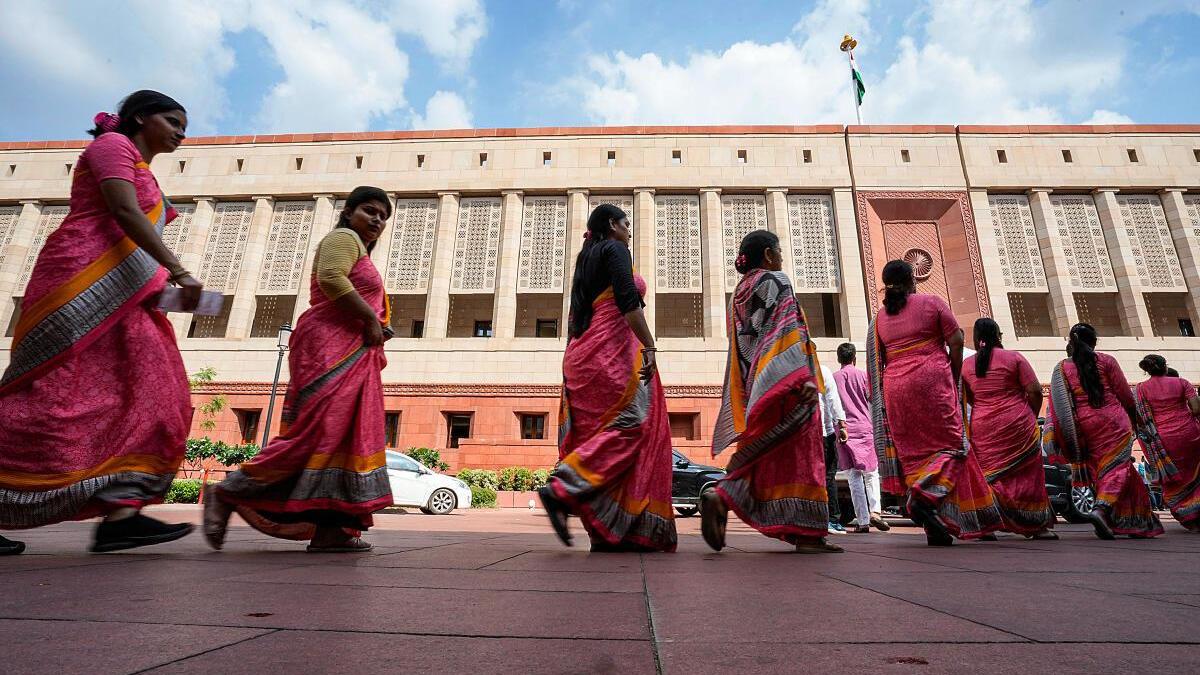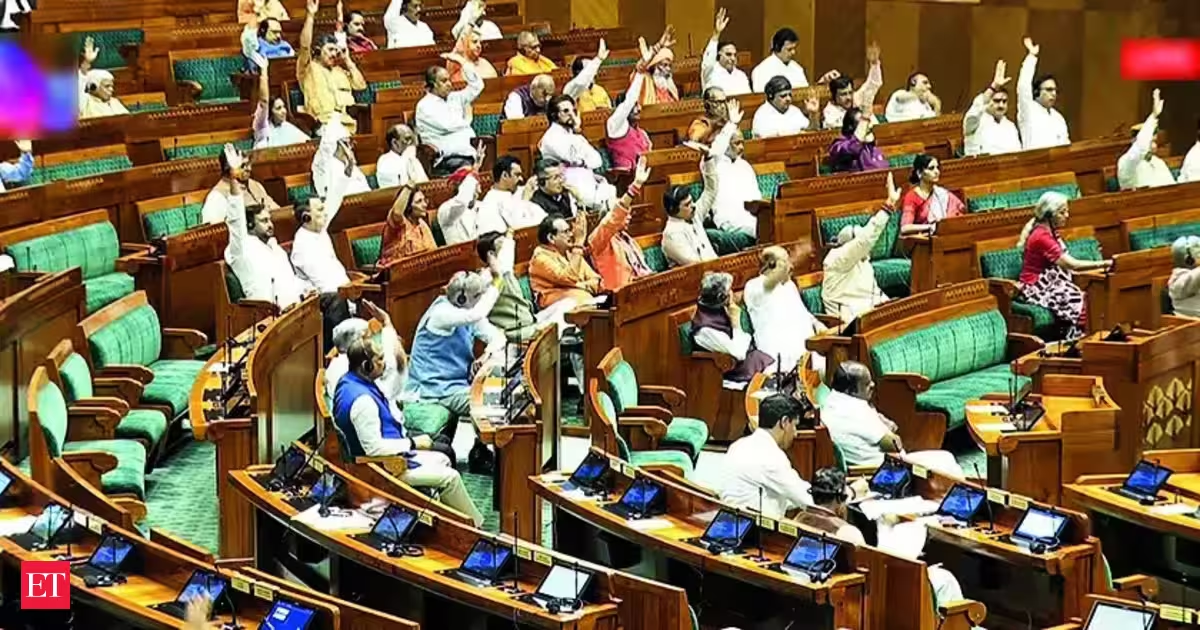
The Union government’s proposal to carry out the delimitation exercise on the basis of the 2011 Census in order to implement the women’s reservation law by the 2029 Lok Sabha elections has not only reversed its earlier position but has also prompted the Congress to nuance its stance.
Until recently, the government had maintained that the law could be implemented only after the completion of the delimitation exercise linked to the first Census conducted after 2026.
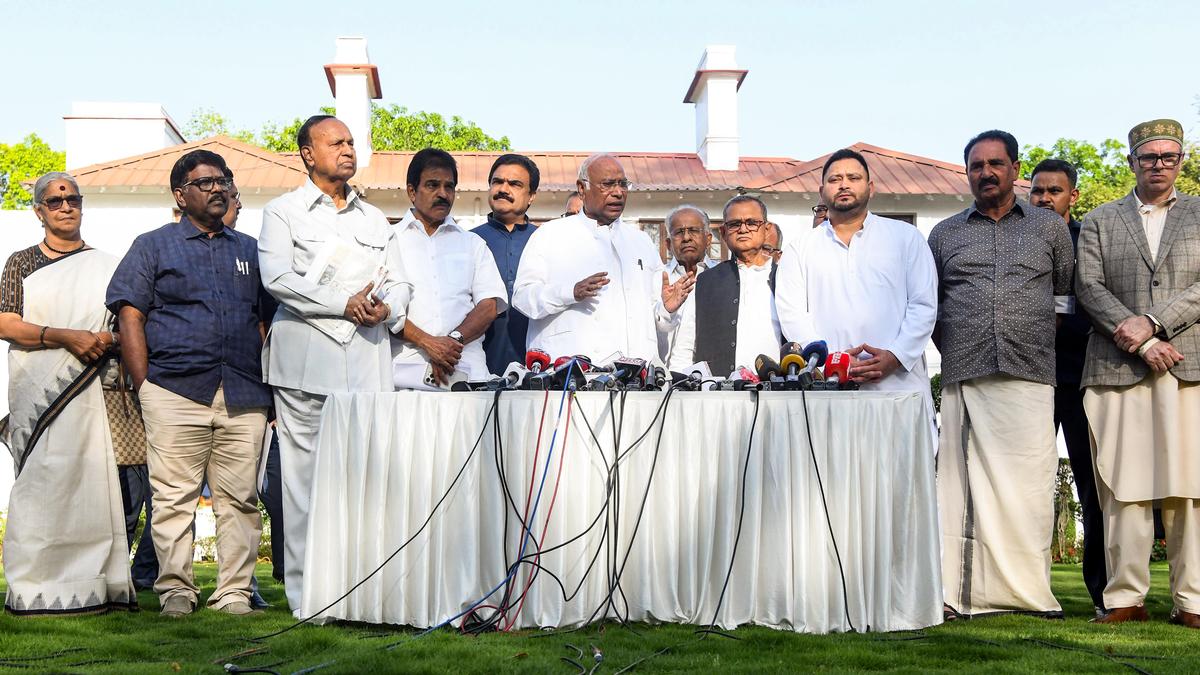
The Congress, which had earlier pressed for the immediate implementation of the women’s reservation law, is now demanding an all-party meeting to discuss the potential impact of such a move.
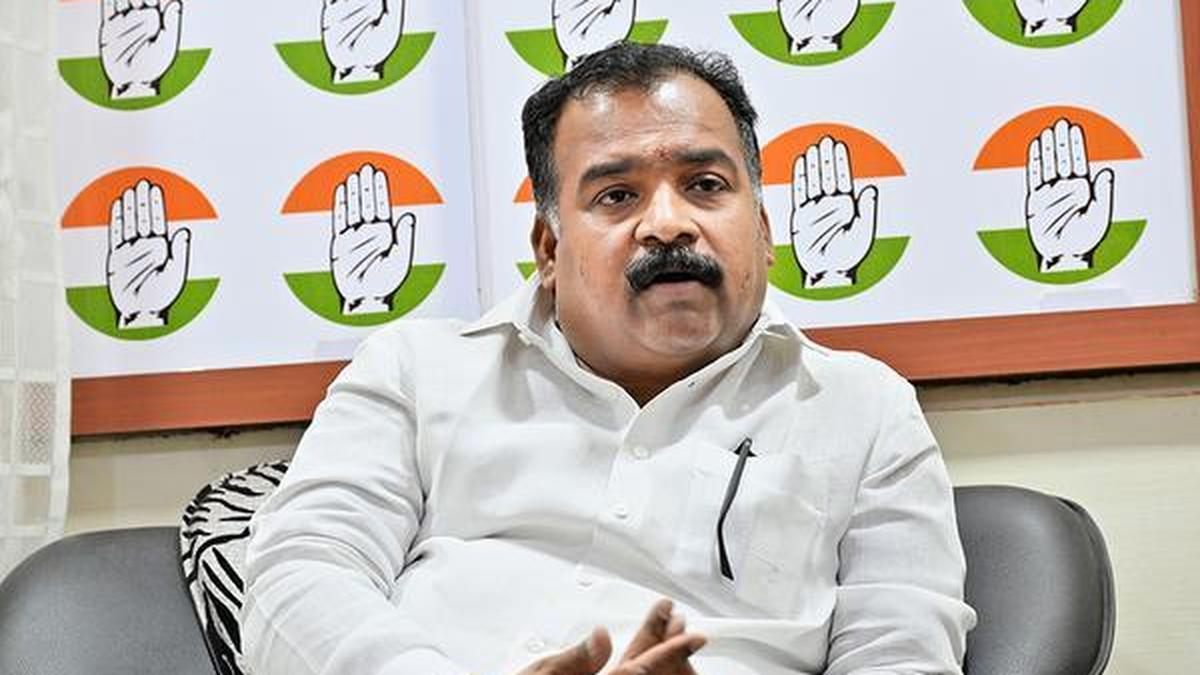
Party leaders argue that if the strength of the Lok Sabha and State Assemblies is increased uniformly by around 50%, States with larger populations would automatically gain more seats, widening the existing representation gap.
The issue was first publicly flagged by Telangana Chief Minister A. Revanth Reddy, who pointed to the implications of a population-based increase in seats for southern States.