After allegations of sexual abuse, Latino leaders and historians consider the perils of building a cause around a single person
I
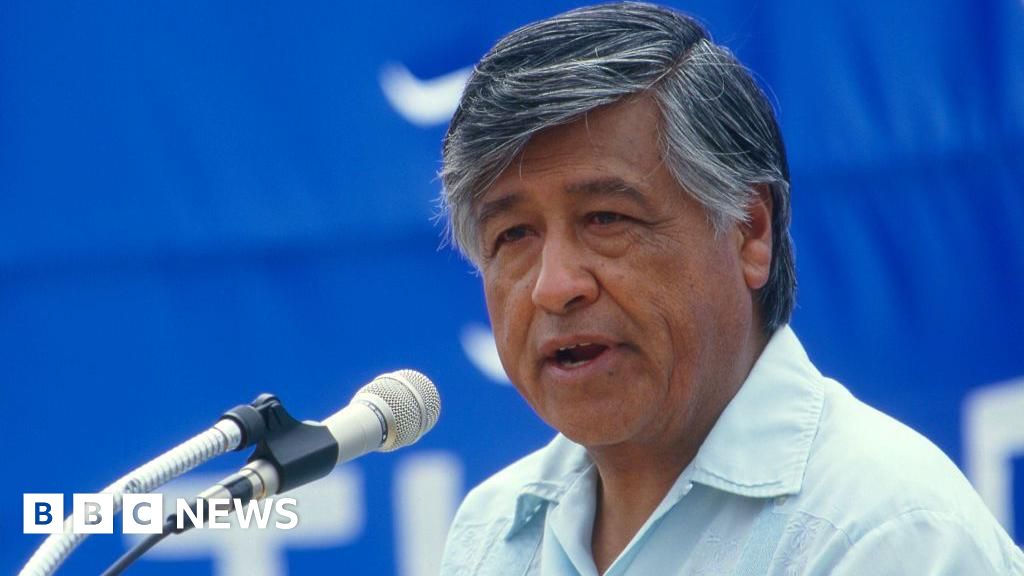
n the wake of explosive allegations that the famed labor leader Cesar Chavez sexually abused women and girls from the 1960s to the 1980s, rebukes from elected officials have invoked one phrase more than others: that the farmworker movement “was more than one man”.
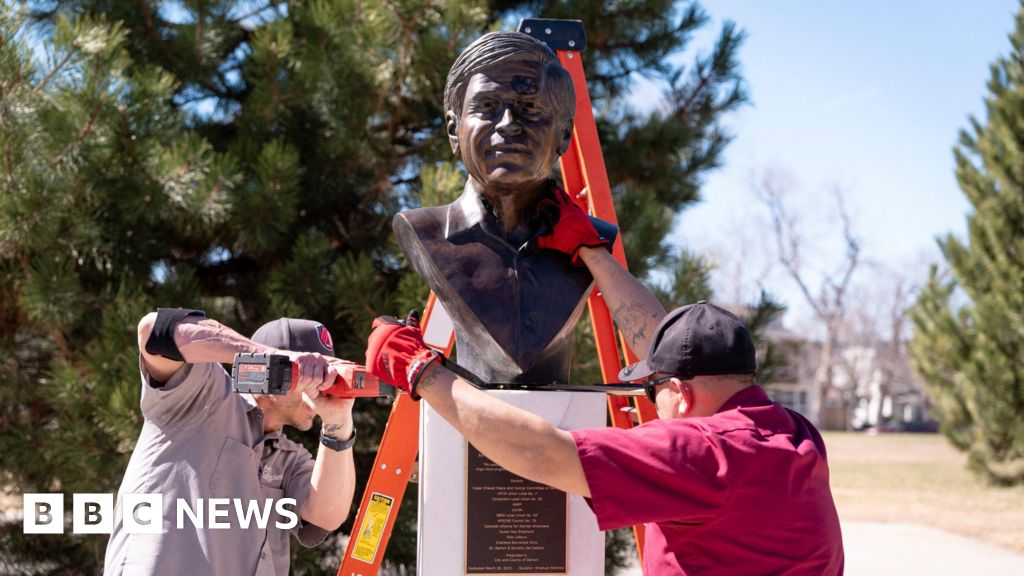
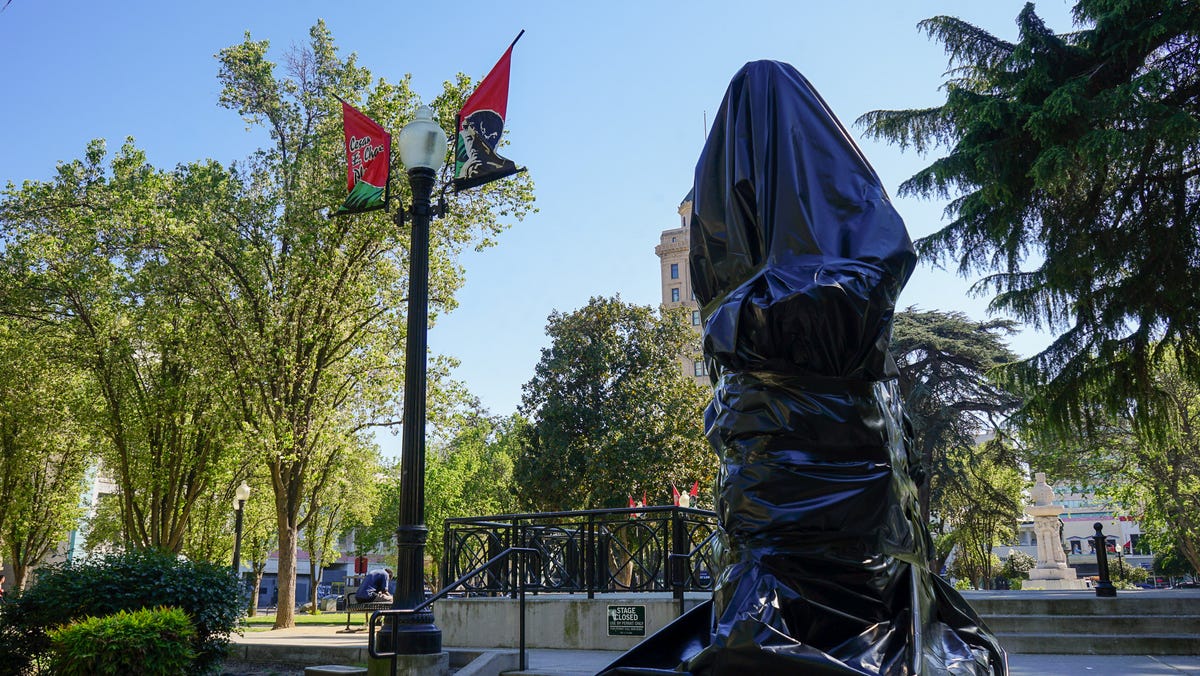
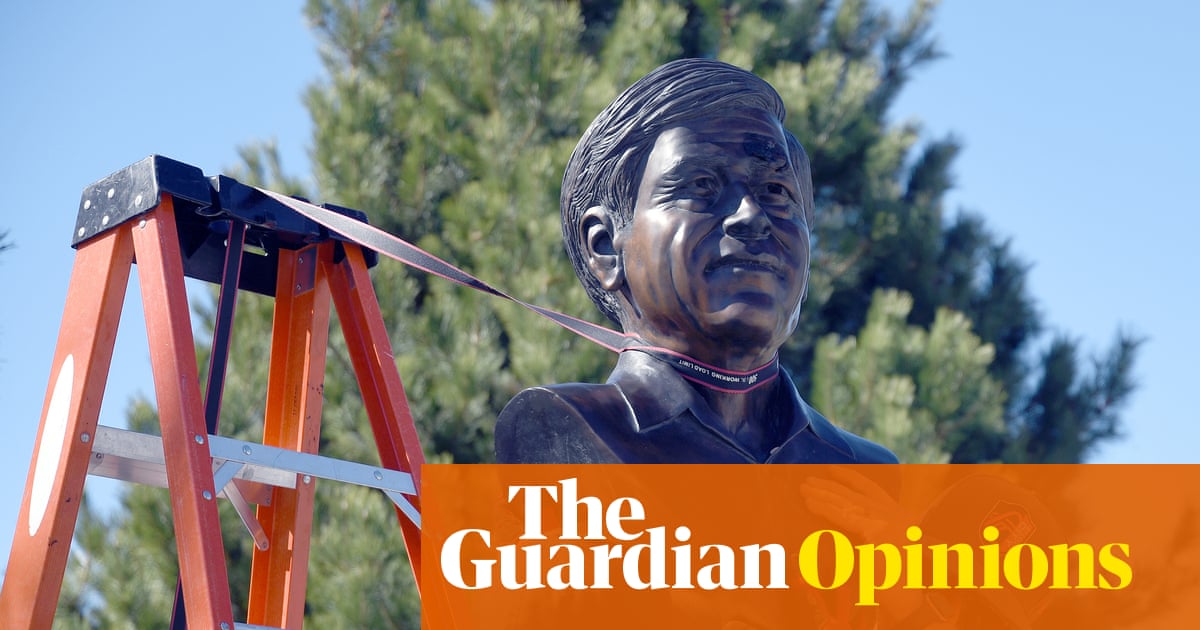
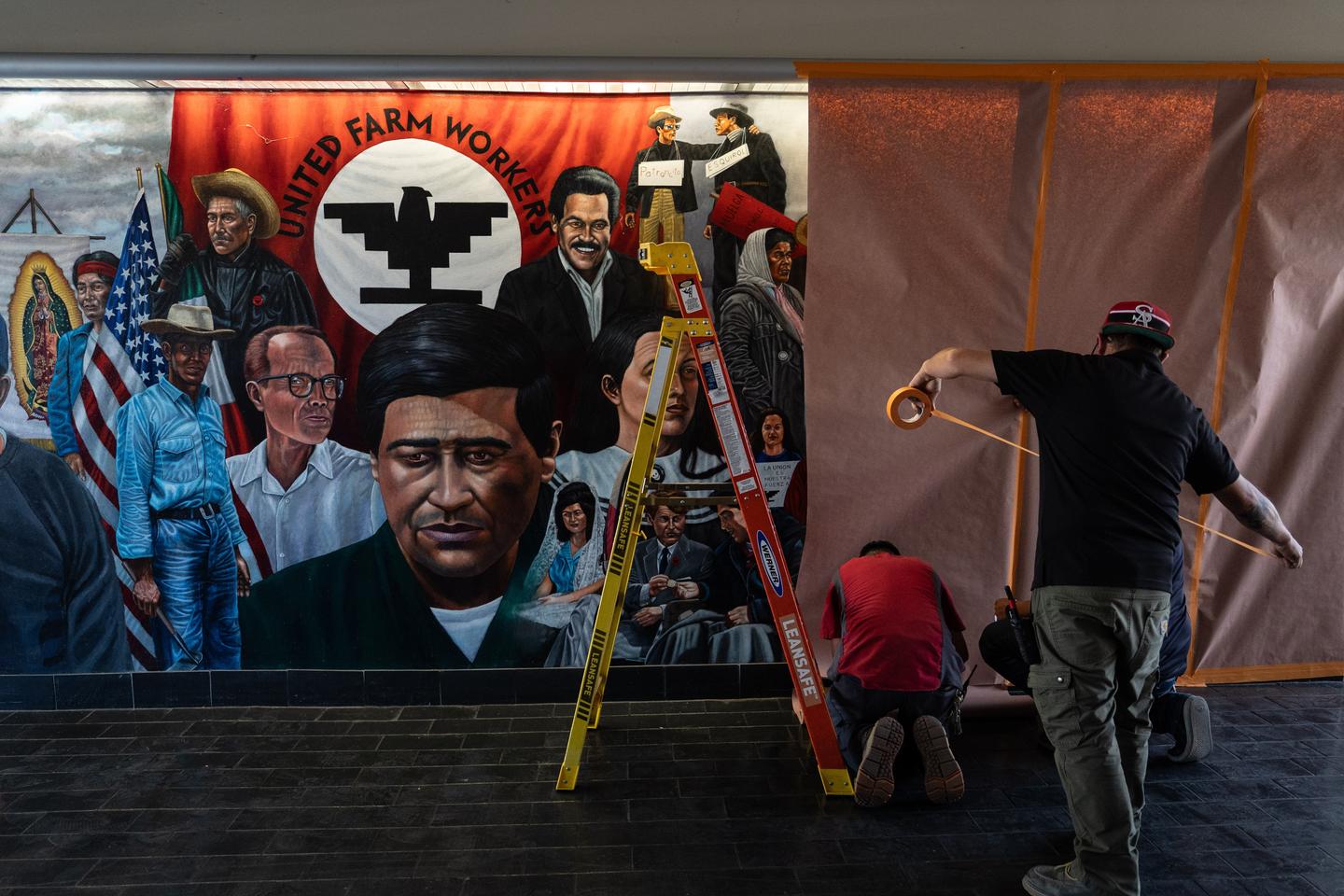
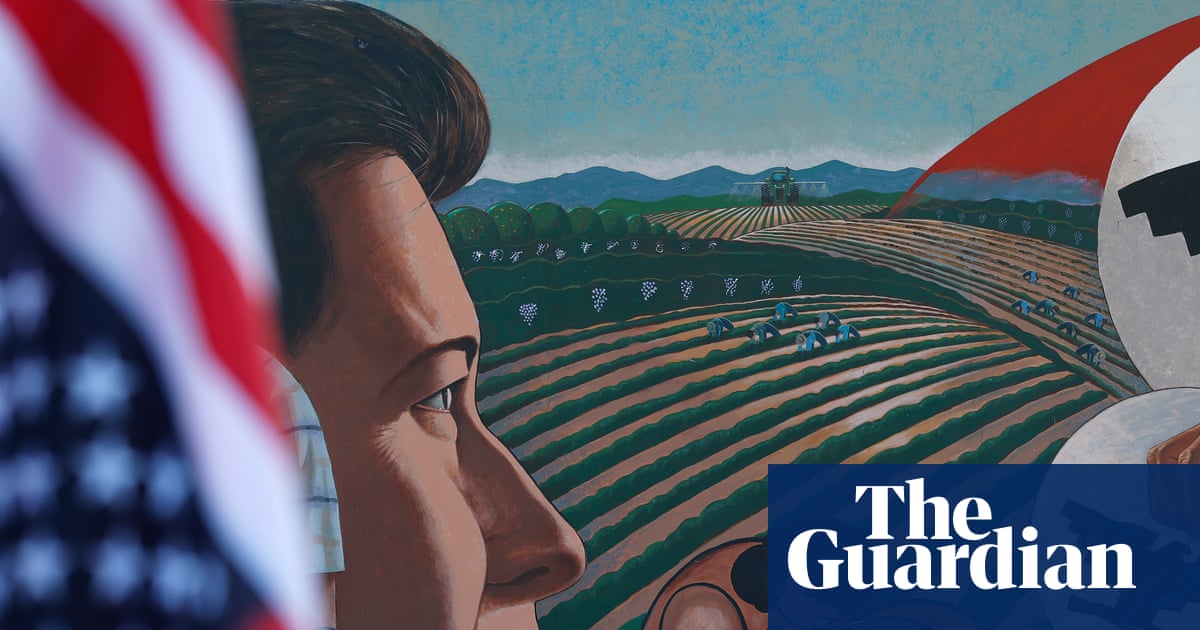
But Chavez, who organized farm workers and fought for Latino civil rights, has often eclipsed the movement he galvanized. Dozens of public spaces bear his name, and a federal commemorative holiday was created to celebrate his birthday on 31 March. As legislators in California, Texas and Arizona began painting over murals and renaming the streets, schools and a state holiday dedicated to the late union organizer, Latino leaders and historians are grappling with Chavez’s tarnished legacy and the perils of building a cause around a single person.
“We tend to focus on individuals as stand-ins for social trends or social movements,” said Manuel Pastor, a professor of sociology, American studies and ethnicity at the University of Southern California. “In part it’s that Latinos were unrecognized in US history that, when one recognizable figure emerged, a lot of hopes got pinned on him.”