W
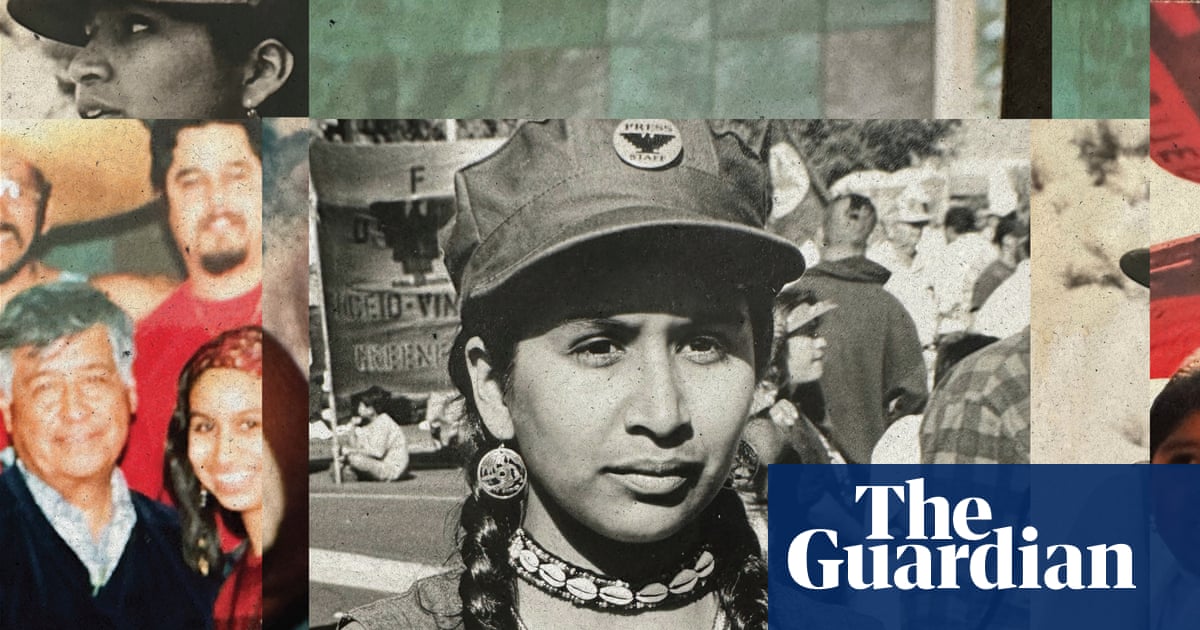
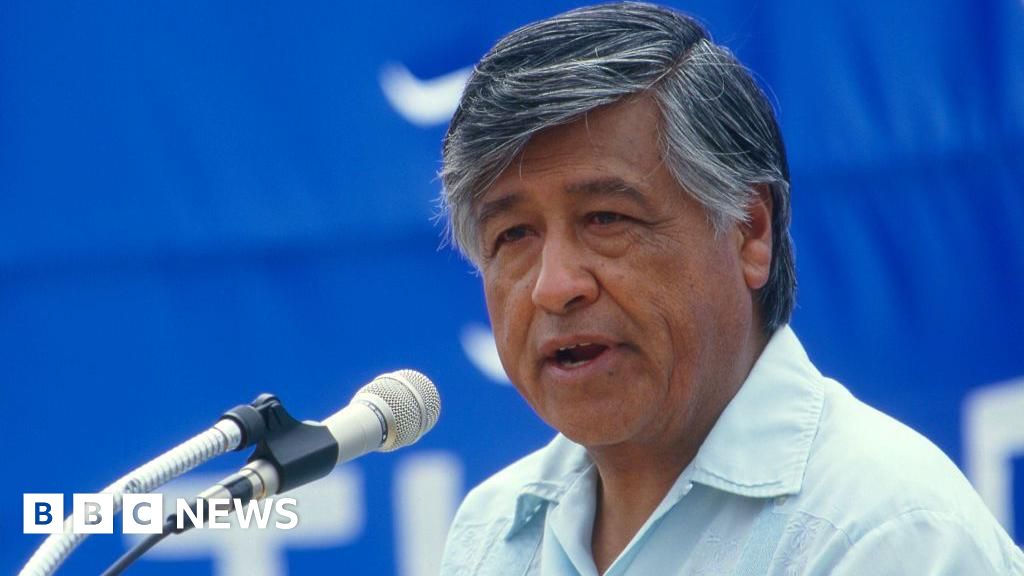
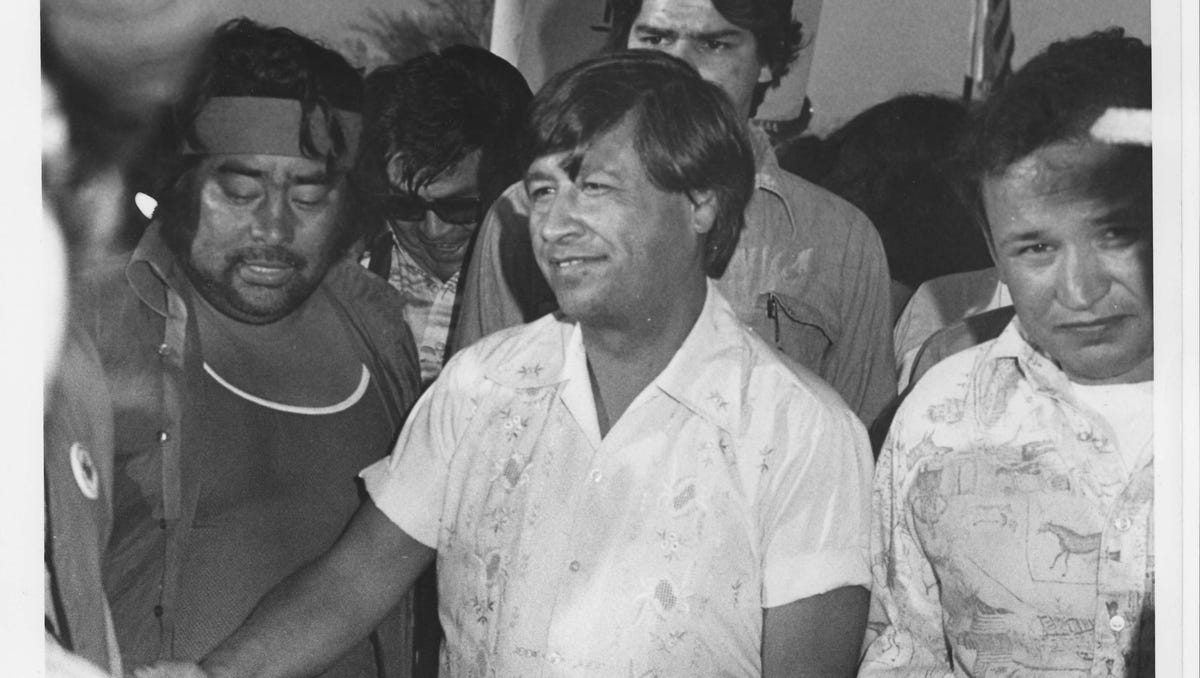
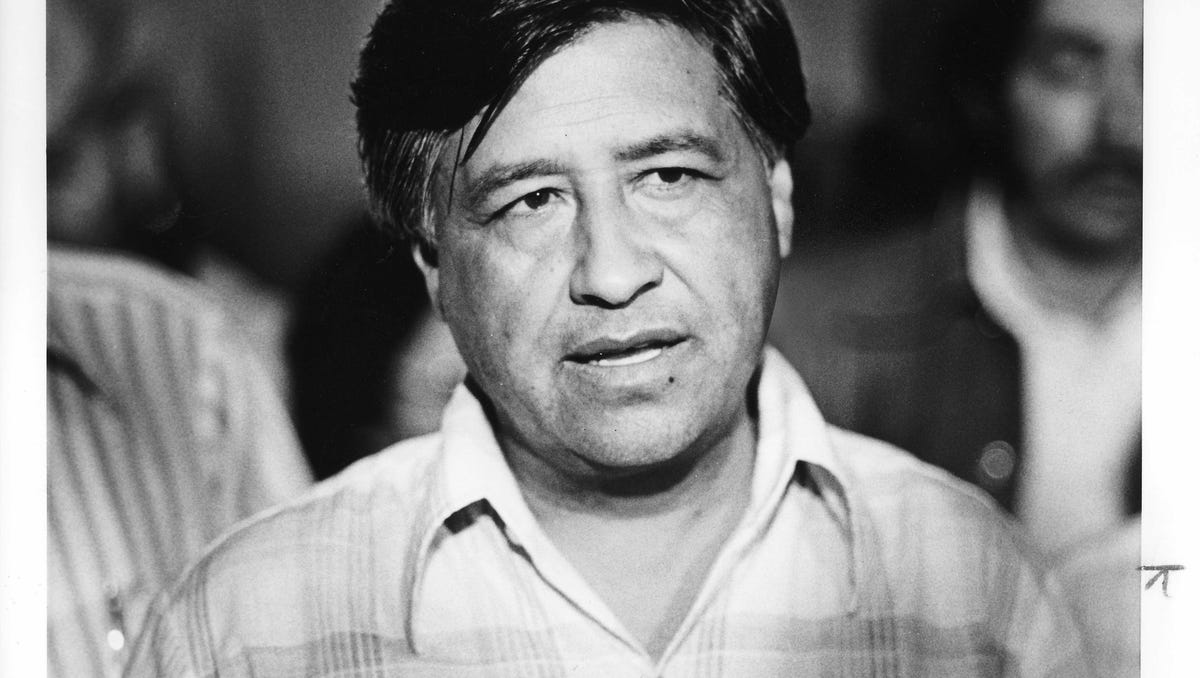
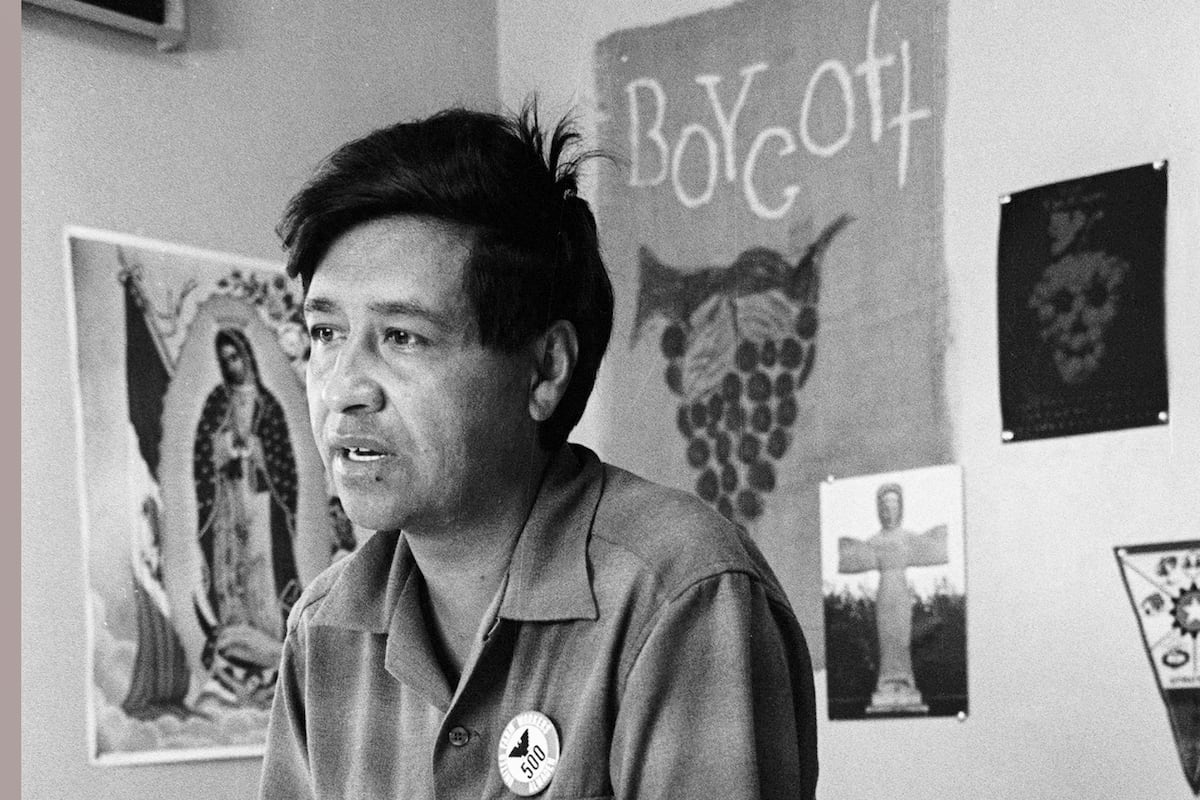
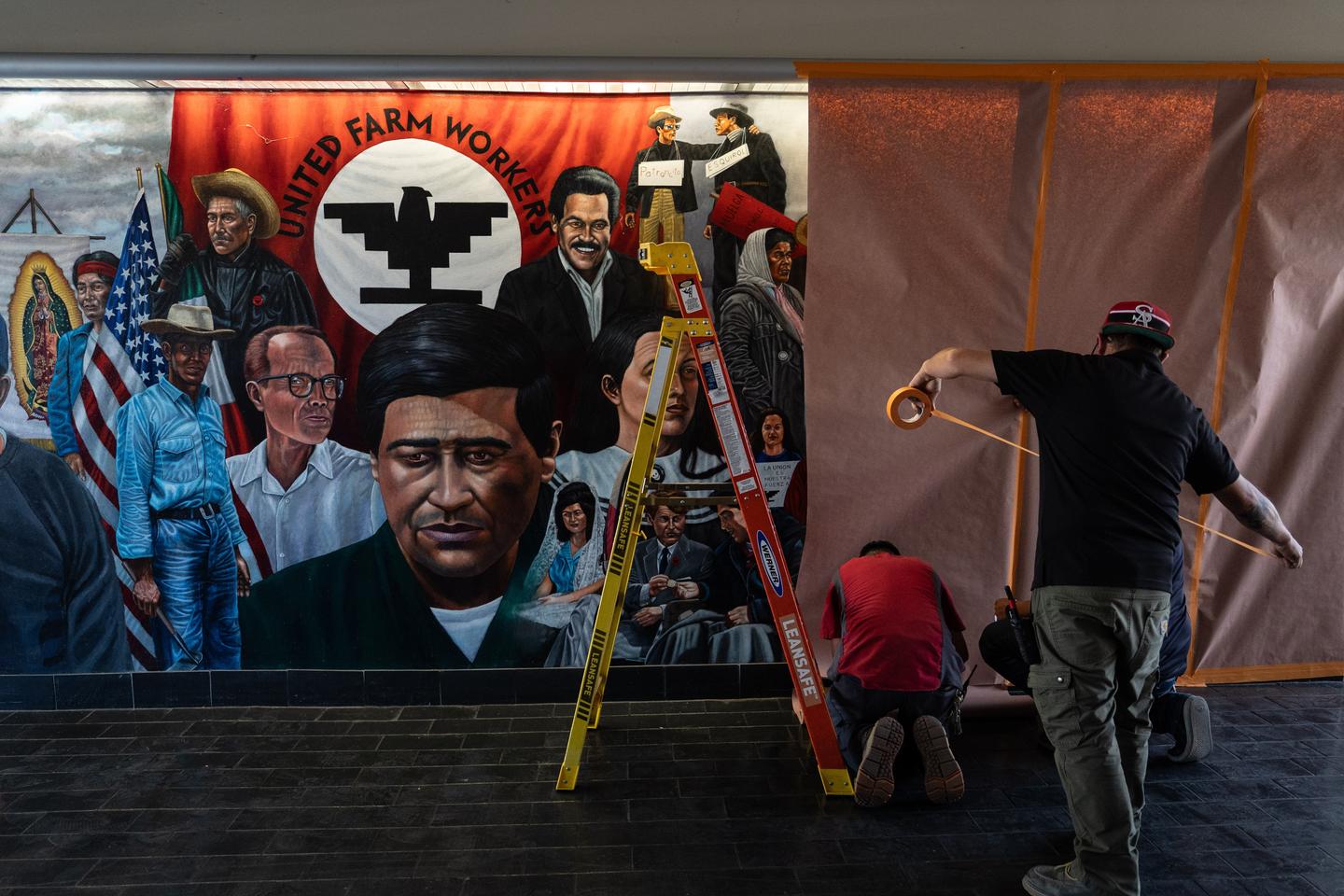
hen the United Farm Workers (UFW) secured humane labor conditions and the right to a living wage in 1961, Cesar Chavez [1927-1993] rapidly became the face of UFW and, later, the fight for the rights of all Latinos. He was the Mexican-American equivalent of Martin Luther King Jr [1929-1968].
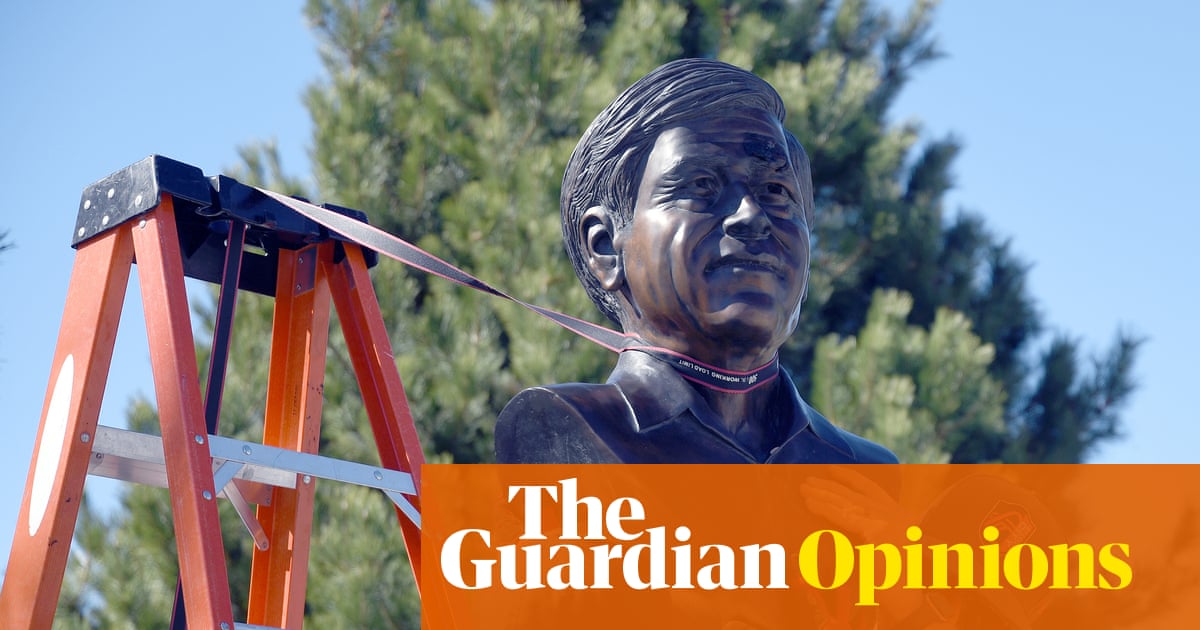
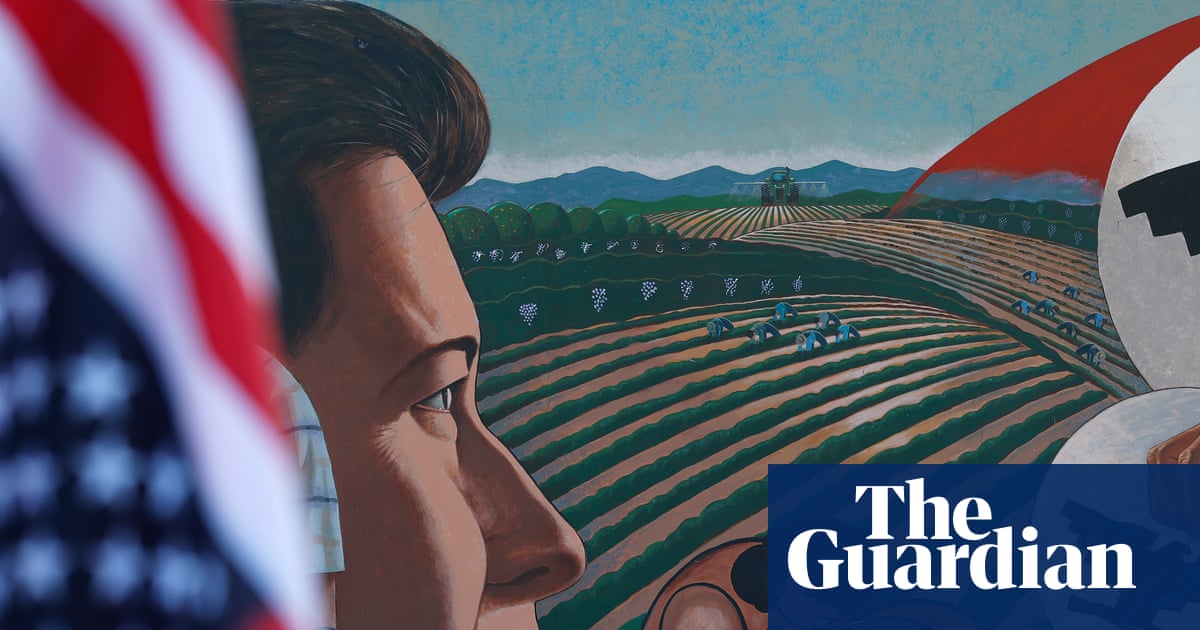
Although UFW was led by many others, including Dolores Huerta, it was Chavez's face that would be engraved in plaques, monuments, and portraits across American universities in spaces where Latino studies were taught. In the haste to claim space for Latinos in American history against a backdrop of white supremacy, Chavez became ubiquitous.
Thus, when the New York Times on March 18 revealed Chavez's rape and sexual abuse of minors, as well as of Huerta herself more than 60 years ago, one feeling that was reported in Latino communities was that of cognitive dissonance. The figurehead of our Latino struggle needed to be replaced.
But this traumatic blow is compounded by the fact that Chavez's fall from grace affects the plight of those who look like him in the era of unrestrained ICE raids. ICE's main target has been the undocumented, especially people of indigenous extraction, whether citizens or not. And while there has been public uproar over the killing of US citizens during ICE operations, the murder of undocumented people in ICE custody has received far less attention.