Farm work is personal for many people in the state of California, where nearly three-quarters of America's fruits and nuts are grown.
That's why, when sexual abuse allegations against famed farmworker union activist Cesar Chavez came to light in March, it sent shockwaves throughout the state.
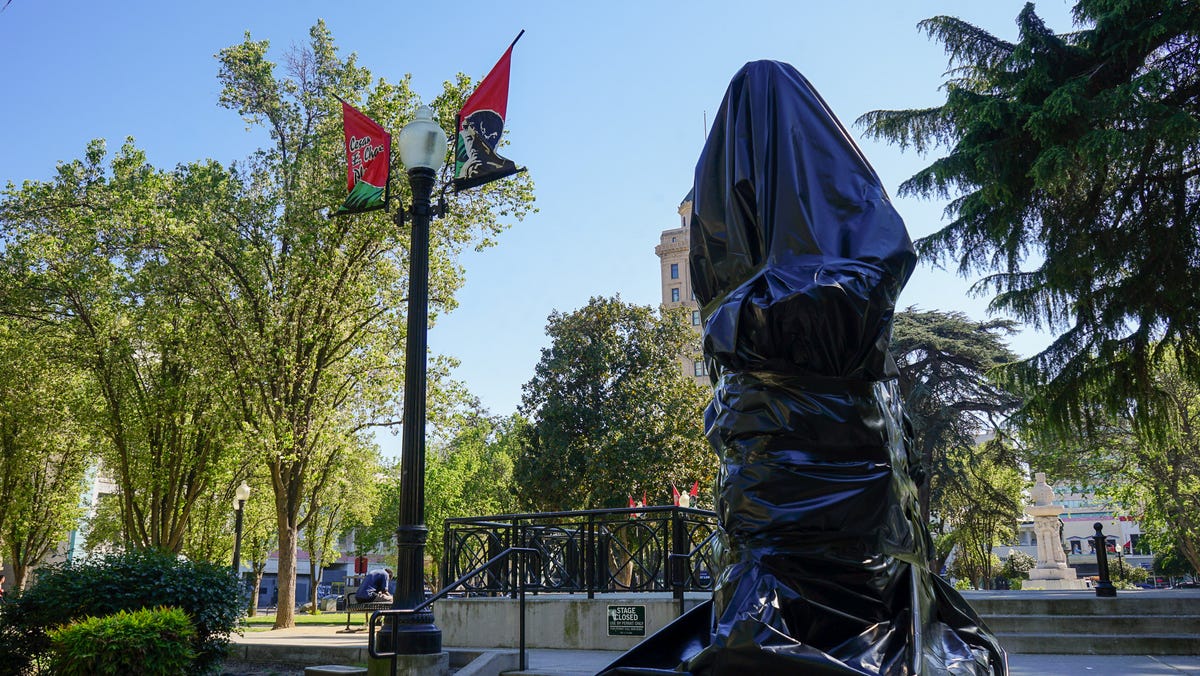
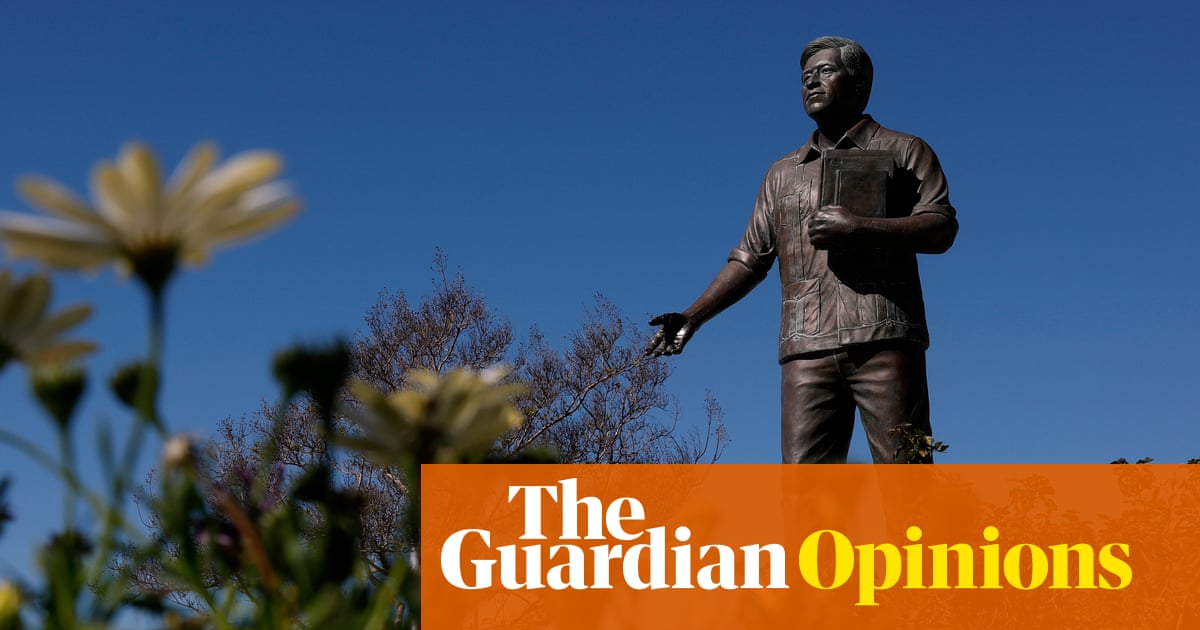
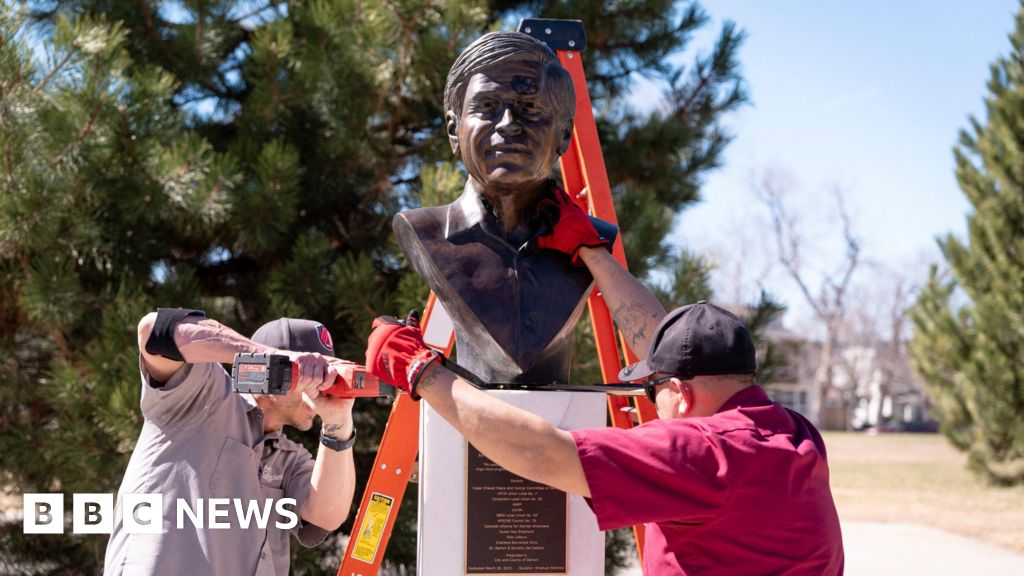
"As the daughter and granddaughter of farmworkers, this is deeply personal," state senator Suzette Martinez Valladares said during a meeting to discuss removing Chavez's name from streets, parks and schools - as well as renaming Cesar Chavez Day to Farmworkers Day.
"The legacy of farmworkers belongs to families like mine across California - not to any one individual," Valladares said, while she and other lawmakers shared stories of how their families worked in the fields picking crops under the hot sun.
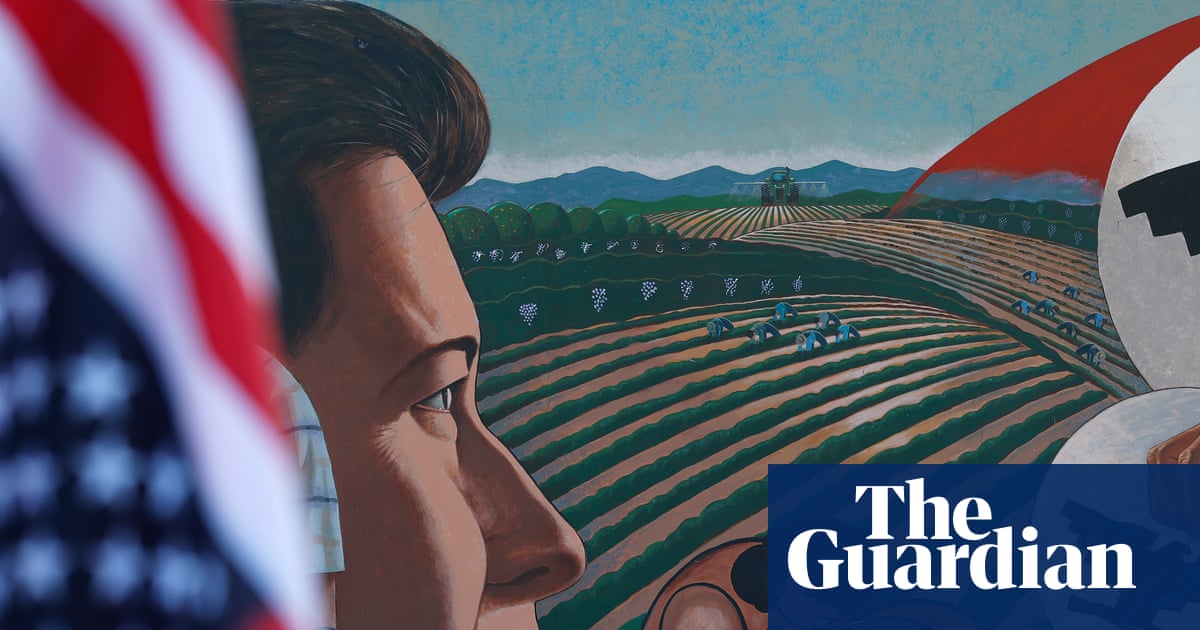
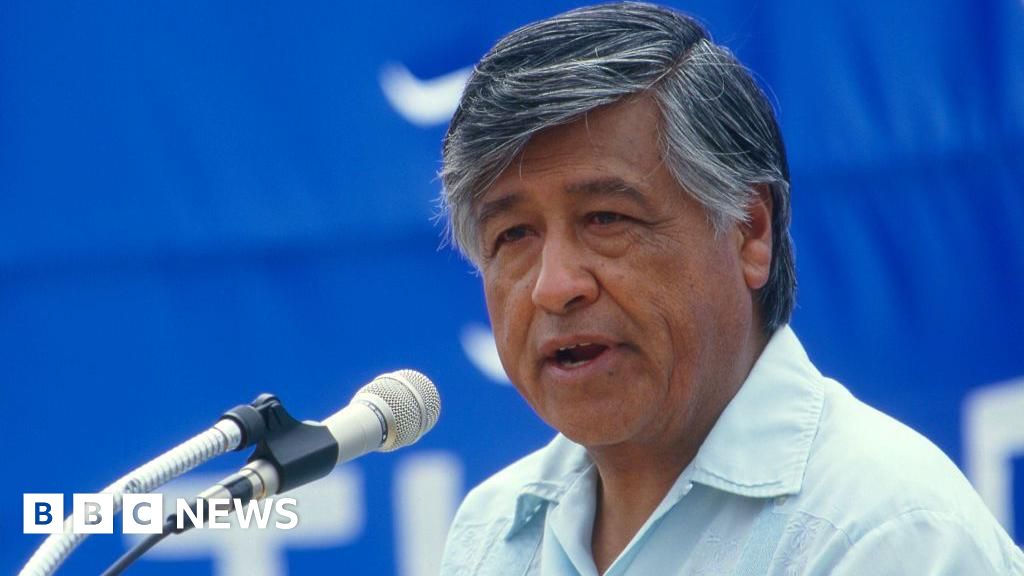
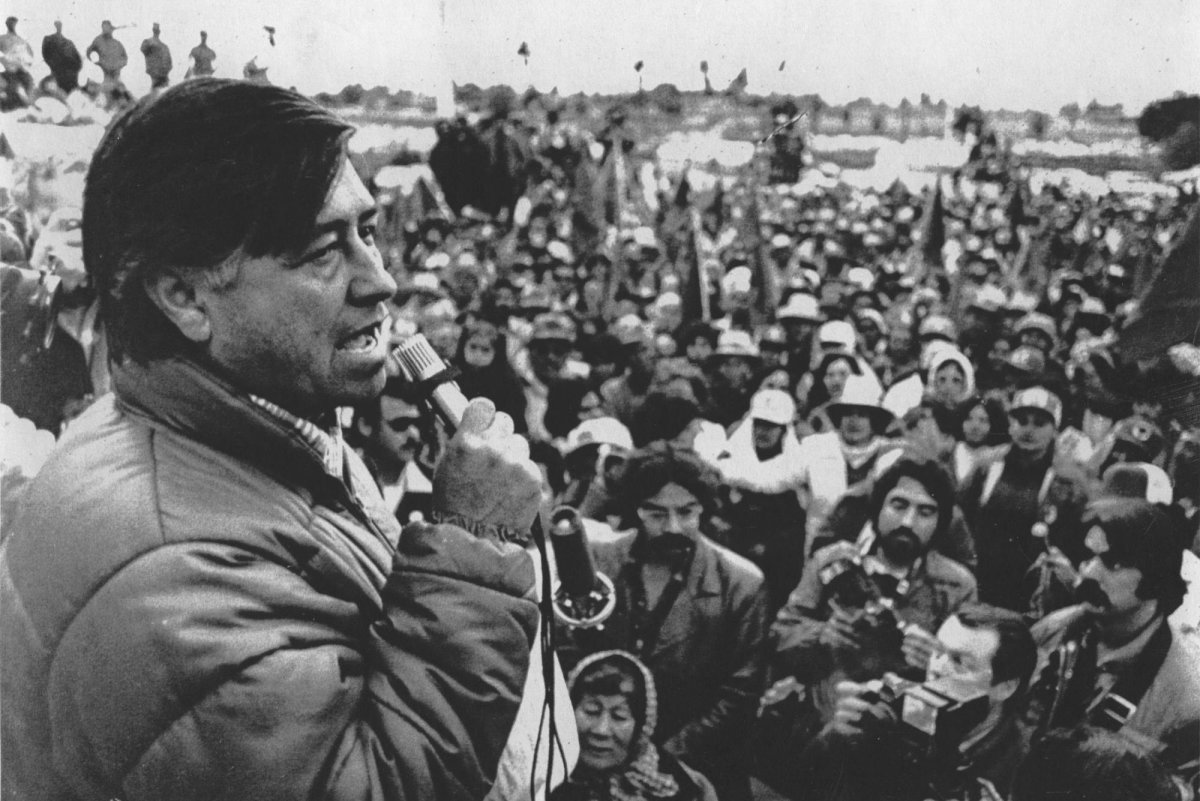
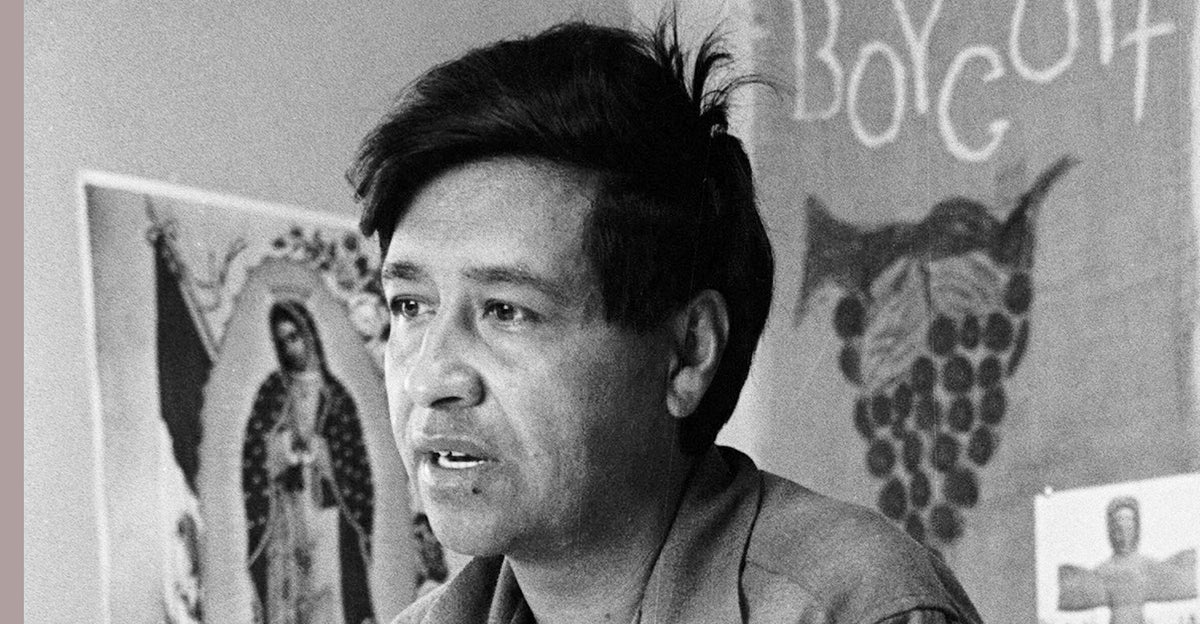
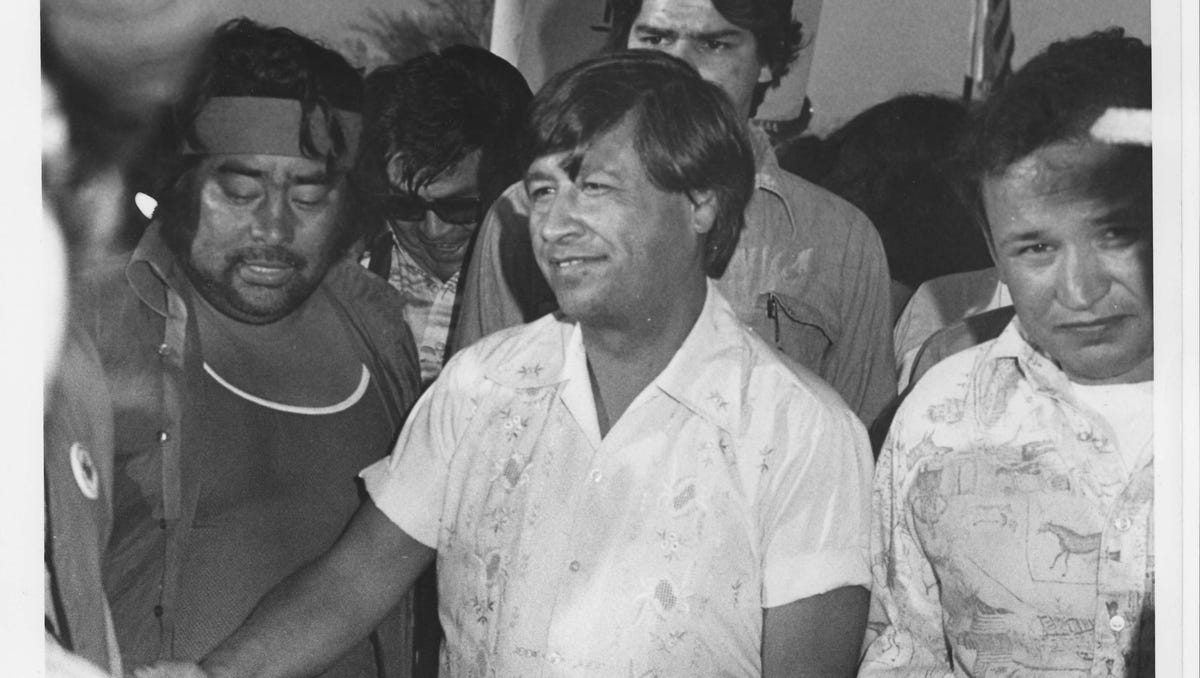
As a prominent labour organiser, Chavez helped lead a major strike against Delano grape growers in the 1960s, which sparked boycotts across the country, in order to gain better wages and conditions for workers. His mantra, "si, se puede" - which means "yes, we can" in Spanish - has been adopted by activists and politicians who came after him, and was even used by Barack Obama's presidential campaign during his first run for office.