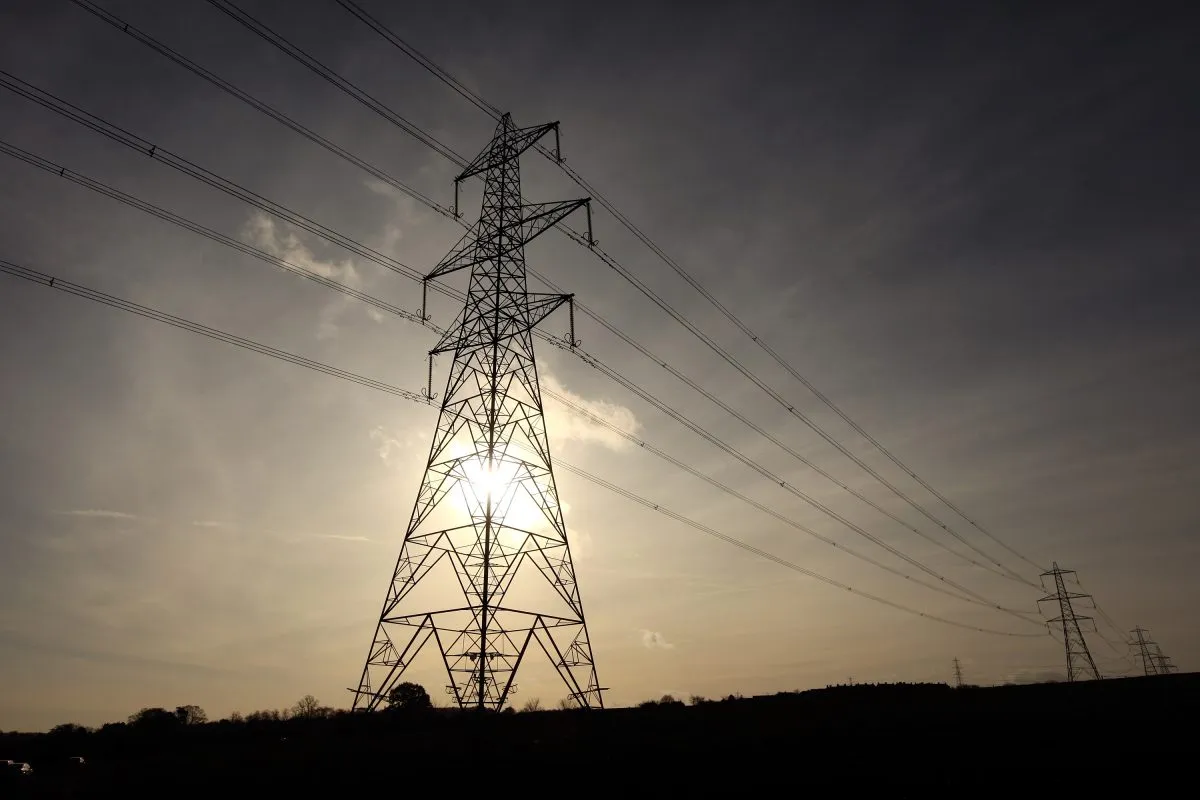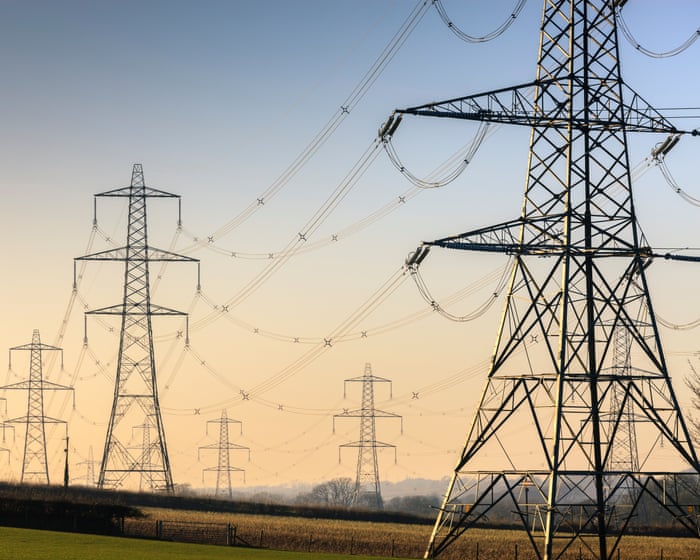
The UK’s electricity ‘supergrid’ was built in the 1950s – designed for a different era that was reliant on fossil fuels. Here we explore why in an increasingly connected and electrified world, it needs a radical upgrade
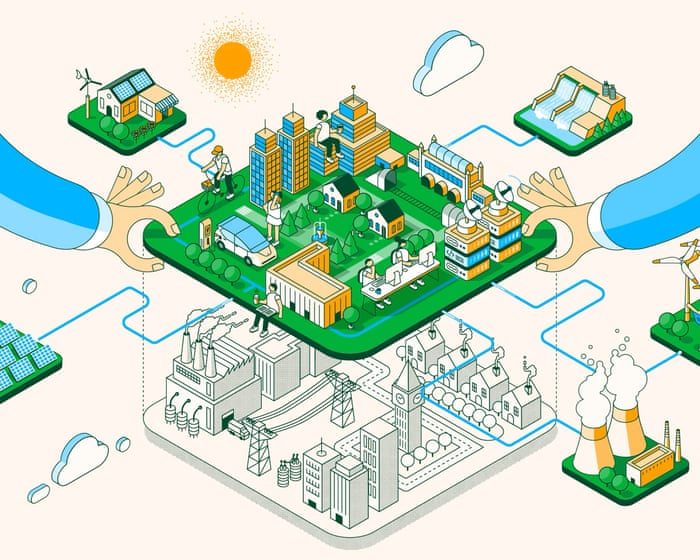
In the 20th century, the UK’s electricity grid was shaped by coal-fired power stations, clustered in the industrial heartlands. The once world-leading system was designed for a one-way energy flow from power plants to consumers – whose use of electricity was modest and predictable.
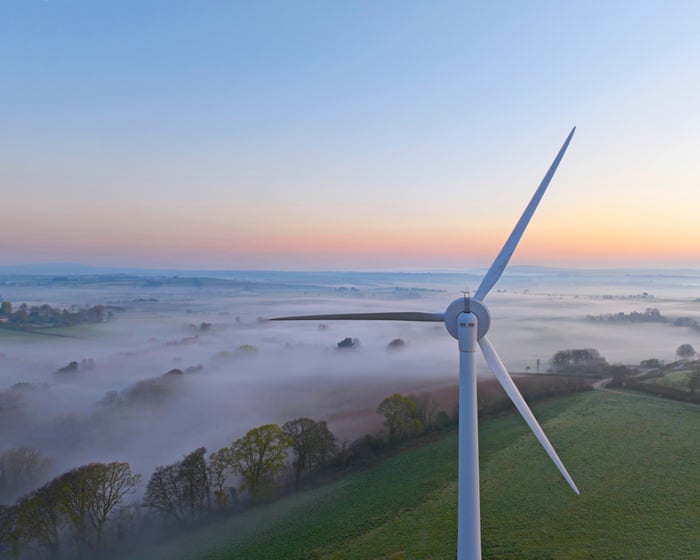
The shift to cleaner energy and growing electrification of all aspects of life means the grid of 70 years ago is no longer fit for purpose. With power generated from a wider and more disparate range of sources, significant investment and pioneering technology are required to deliver a grid that can match supply with ever-increasing demand.
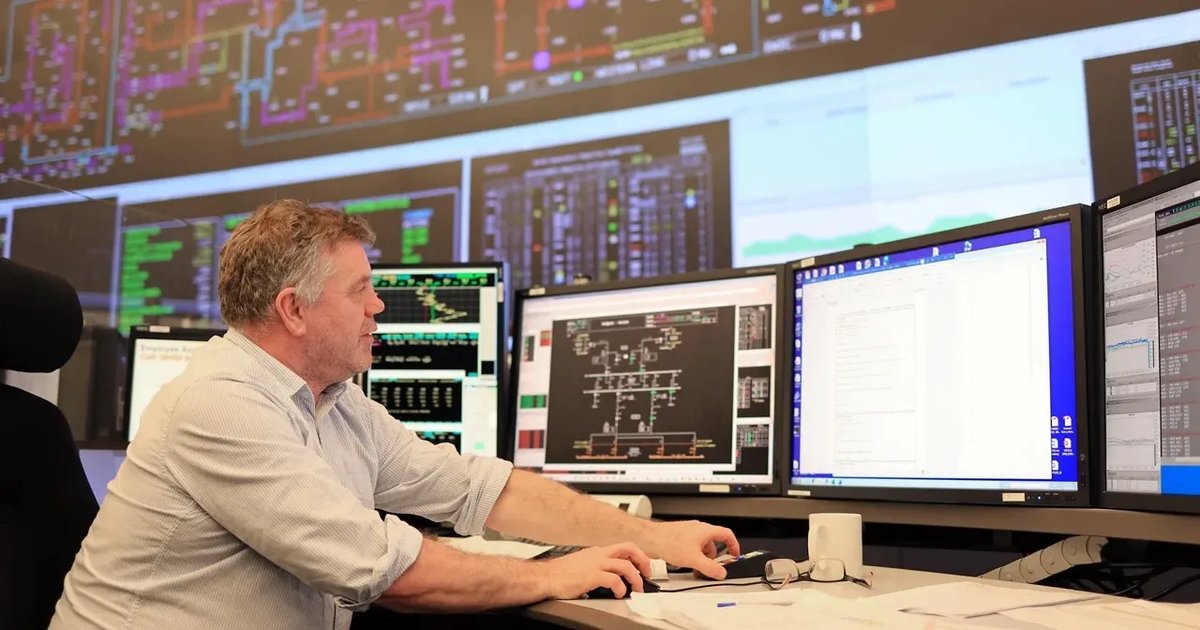
“It’s way more complicated than energy in equals energy out,” says Robert Friel, member of the Institution of Engineering and Technology’s Sustainability and Net Zero Policy Centre. “We are trying to integrate tens of thousands of energy sources into a grid that was designed to take coal energy mostly from the Midlands and move it around the country. This is a complete transformation. We’ve got to build for the future.”