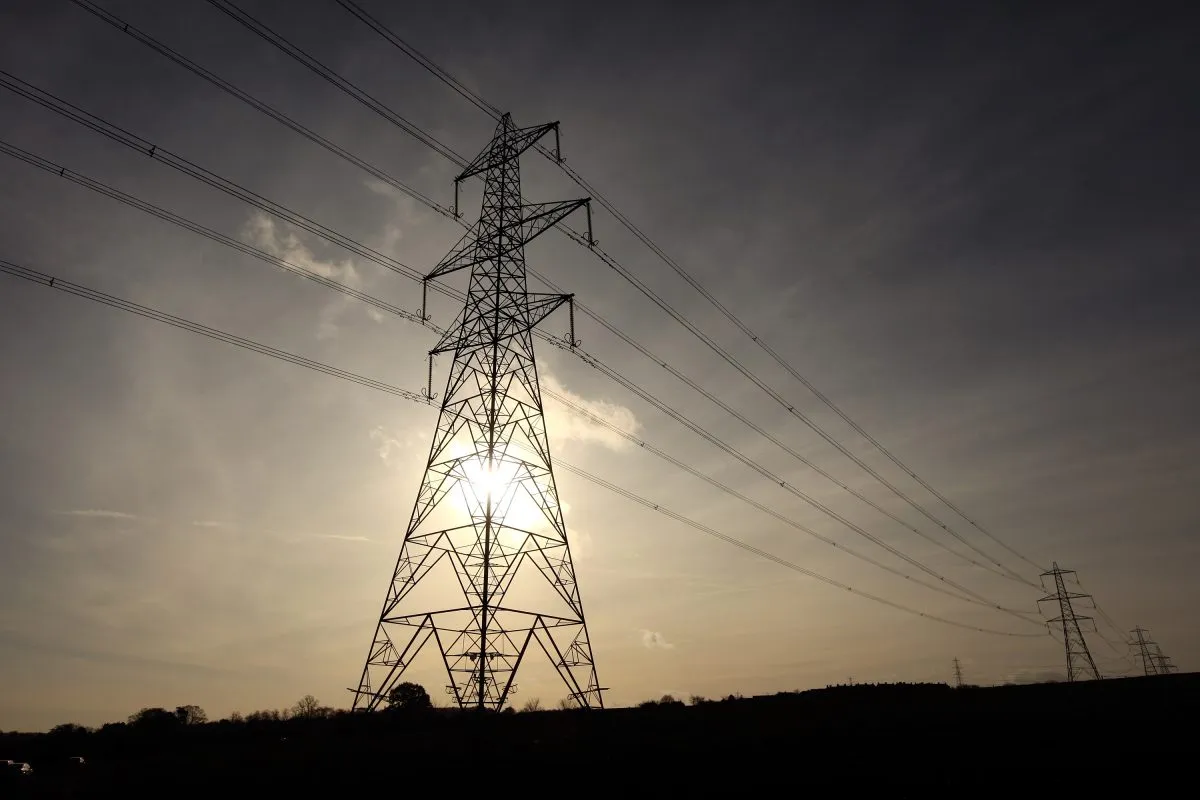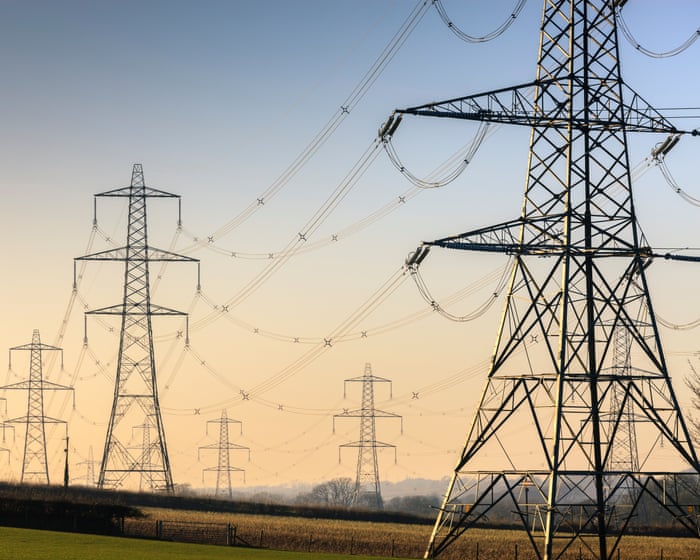
For nearly a century, a system of turbines, substations, wires and more has powered everything from your kettle to entire cities. We take a look at 11 of its most essential elements …
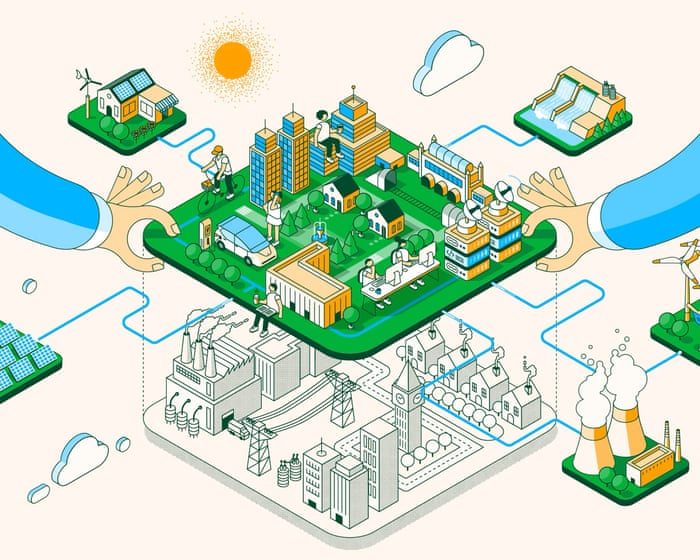
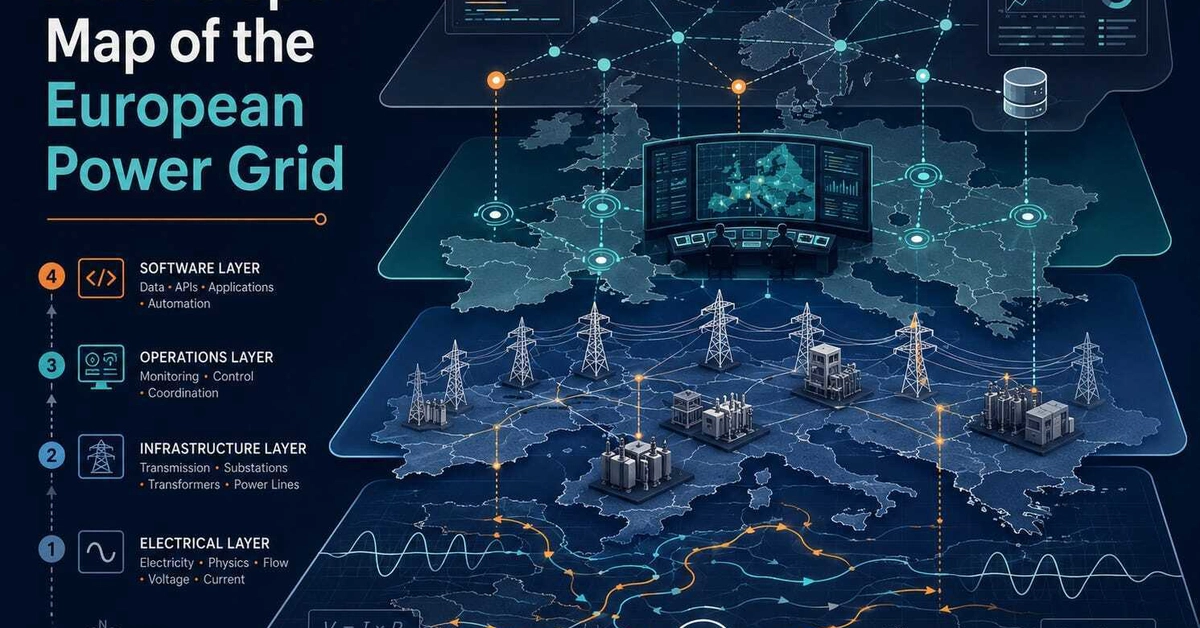
When we refer to the electricity network as a “grid”, it lends a sense of order to the complex, labyrinthine network of transmission and distribution lines, substations and infrastructure that transports power from where it’s generated to where it’s used in homes and businesses.
Interconnected, finely balanced and increasingly automated to meet fluctuating generation and demand, grids can cover whole countries and continents. So what are the elements that make up a typical electricity grid?
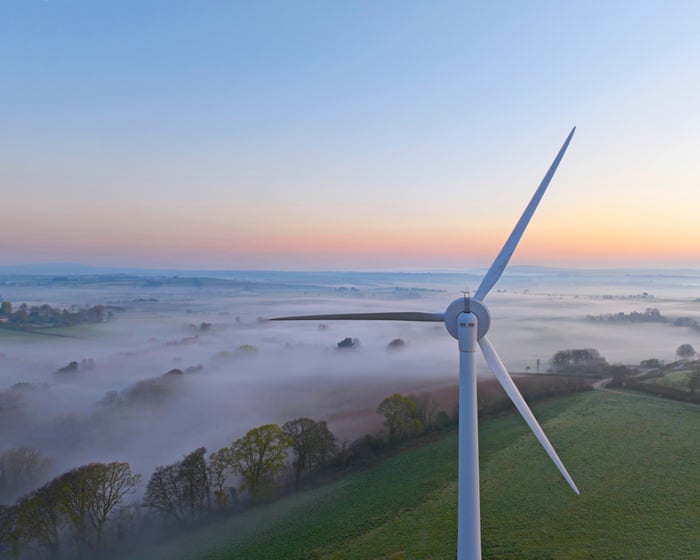
In the past, generation typically occurred at gas, hydroelectric and nuclear power stations. Now, offshore and onshore wind farms, solar parks and domestic solar panels and turbines all contribute to the UK’s electricity production. Some facilities also burn biomass – such as wood, farm waste and other organic material – to generate electricity, though these plants will be phased out in the longer term in favour of cleaner sources. Geothermal heat from the Earth is also used to generate electricity as well as for heating and cooling. Remote parts of the UK still use diesel generators, which provide emergency backup.