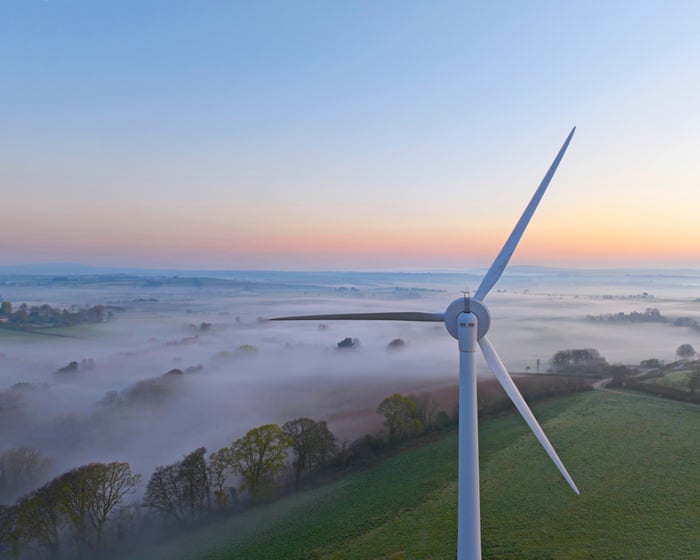
As the UK moves towards a carbon-free future, the supply and demand for clean energy is set to soar, with implications for how we power the economy and our homes. Here, we take a look at the figures that reveal the facts …
Although electricity demand has fallen in the UK for nearly 20 years with the decline of heavy industry and more efficient appliances, demand is forecast to soar by 50% in the next decade to 2035 as the electrification of heat, industry and transport accelerates.
In 2019, the UK government committed to a legal target to reduce carbon emissions to net zero by 2050. The UK has also committed to reach 95% carbon-free electricity by 2030.
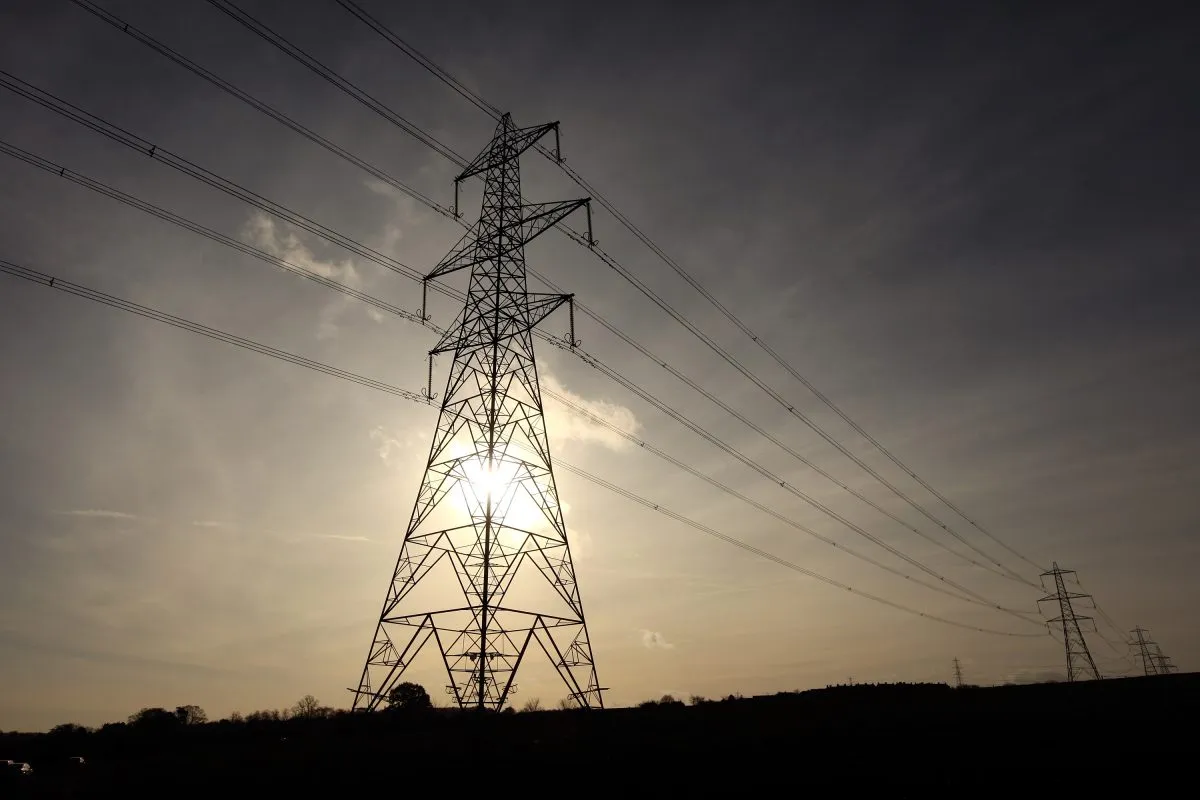
It’s a profound challenge: in order to achieve those goals, the UK will need to install up to 620 miles of new onshore power lines and more than 2,800 miles of offshore and accompanying network – more than double over five years than what has been built in the last 10.
As demand increases, we need to build and expand the grid to cope with more clean power, more homes and more businesses. Currently, when there is insufficient grid capacity for all the clean power we generate, its generation sometimes needs to be curtailed – which cost consumers £2bn in 2022. Building more grid will reduce these costs and unlock more capacity.