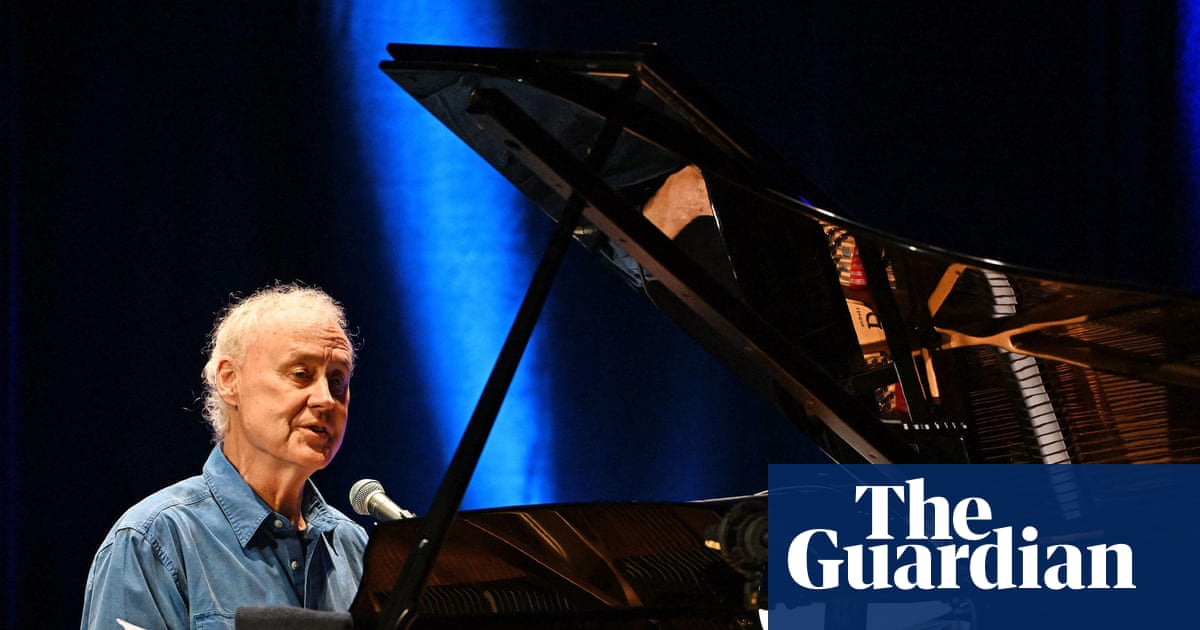
The AOR jazzer behind smash hit The Way It Is veered off into the avant garde. But he’s having sudden mainstream acclaim. ‘Well,’ he says as he releases yet another album, ‘it’s nicer than being ignored’
W
hen people tell you they remember exactly where they were when JFK was shot, they don’t often add that the room erupted in cheers and shouts of: “Hooray! Nixon can take over!” Speaking via Zoom from his home in Williamsburg, Virginia, one of the oldest towns in the US, Bruce Hornsby shrugs and says: “Well, that was my experience!” It was the day before his ninth birthday and the whoops of delight came from his classmates, all of which is recalled on an impressionistic track from his new album Indigo Park: “I was really alarmed and confused / Watching the children parroting parents’ views.”
Until now, Hornsby has rarely written autobiographical lyrics, so people don’t know all that much about him. His biggest song, The Way It Is, was a piece of social commentary, the product of a liberal upbringing in the segregated south. His aunt campaigned against the likes of Senator Harry F Byrd, who opposed the desegregation of Virginia’s schools in the 1950s.
Since that unlikely hit, with its two mesmerising jazz piano solos, Hornsby has made the music he wanted to make, much of it under the radar. But he’s had sudden, mainstream acclaim in his early 70s following a period of mad productivity (four studio albums in five years). These days, he is a guest on “big ass” podcasts in the US, like The Adam Friedland Show, where he recently appeared between governor of California Gavin Newsom (“the pretty boy”) and mayor of New York Zohran Mamdani (“the communist”). Hornsby has worked so long outside the critical conversation that I wonder if it’s irksome to suddenly be welcomed into it. “Well,” he says, “it’s nicer than being ignored!”