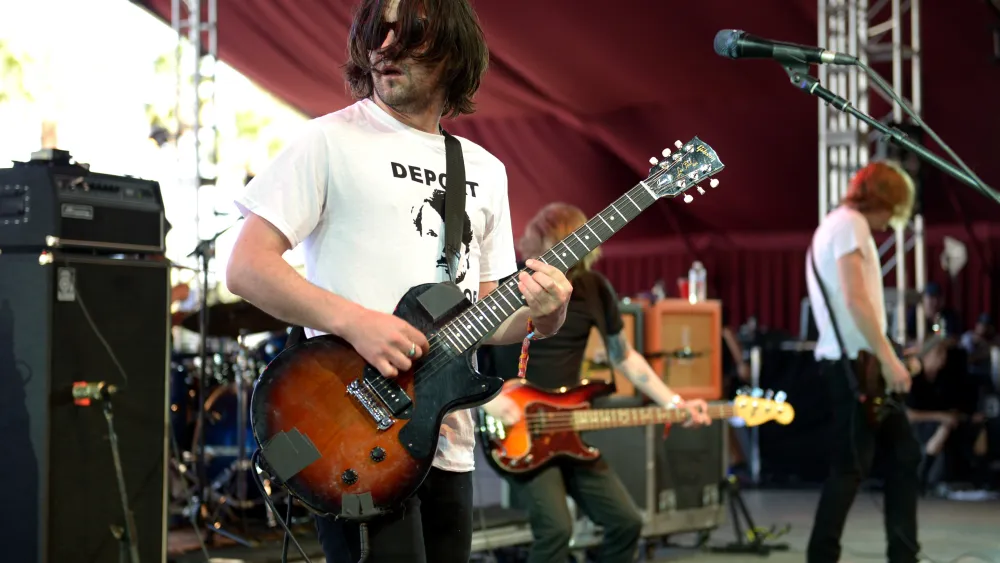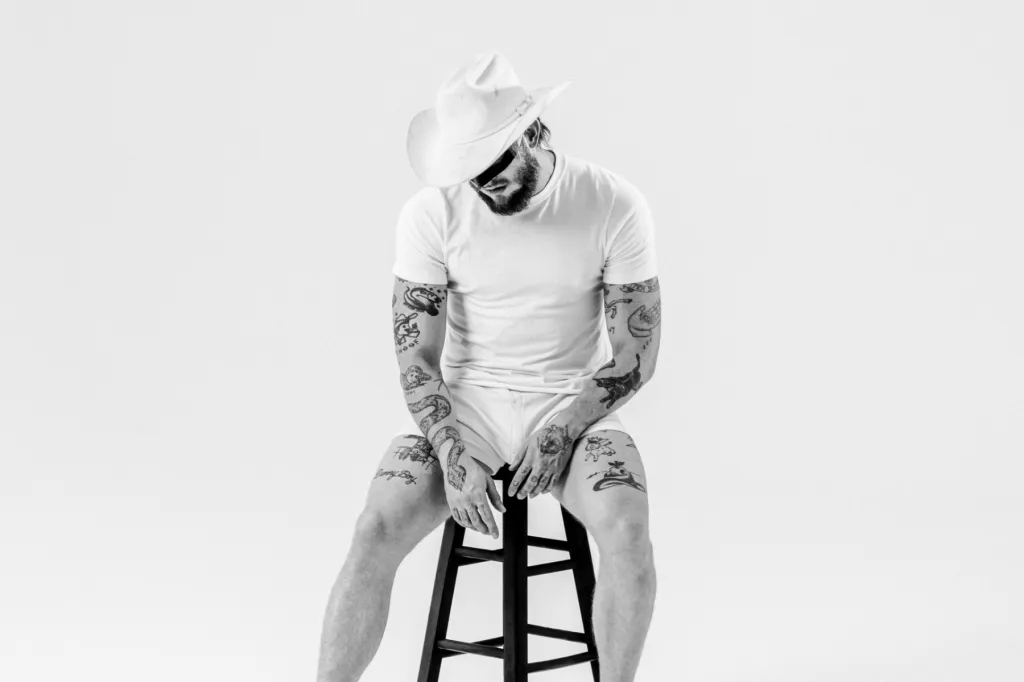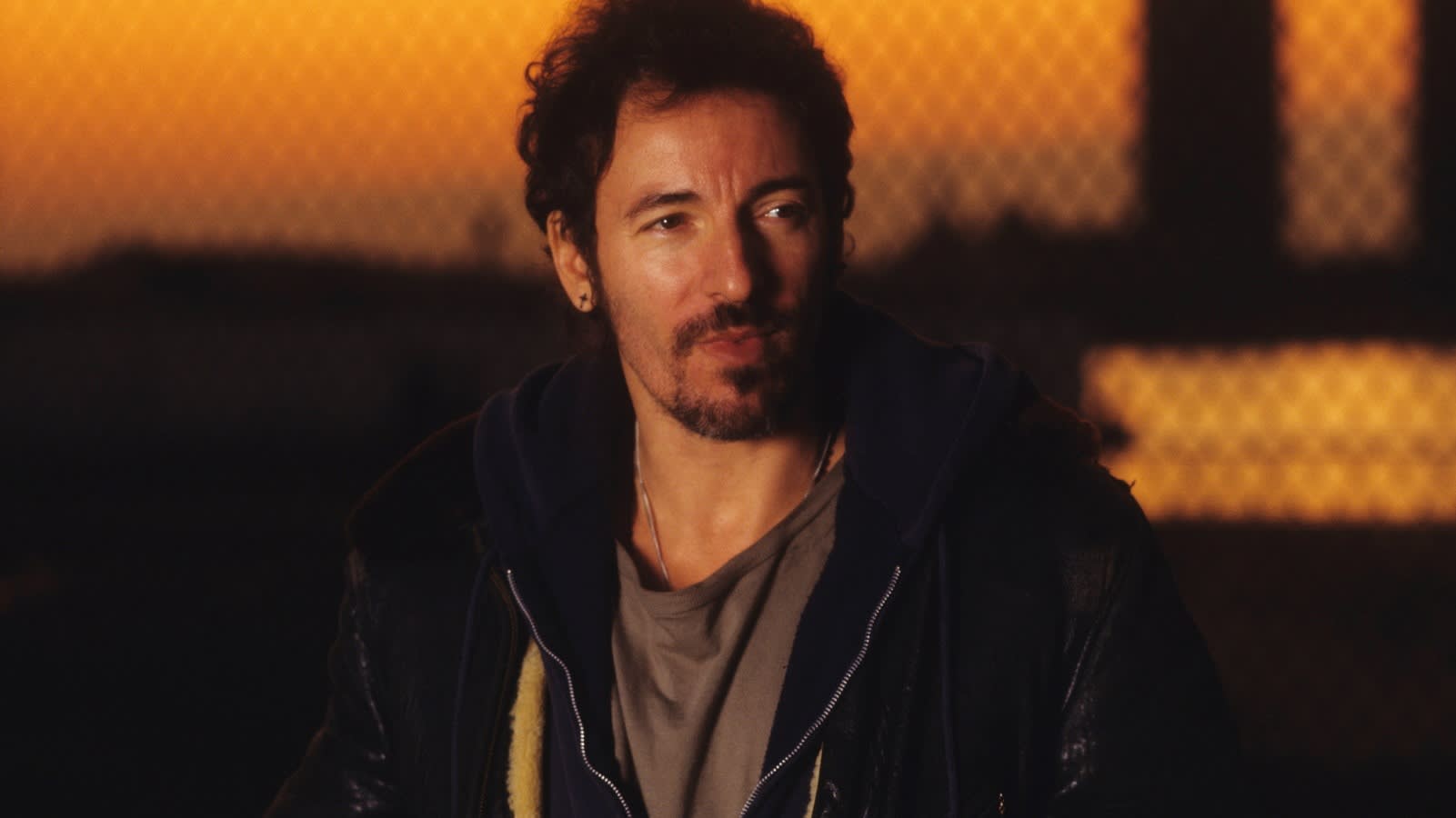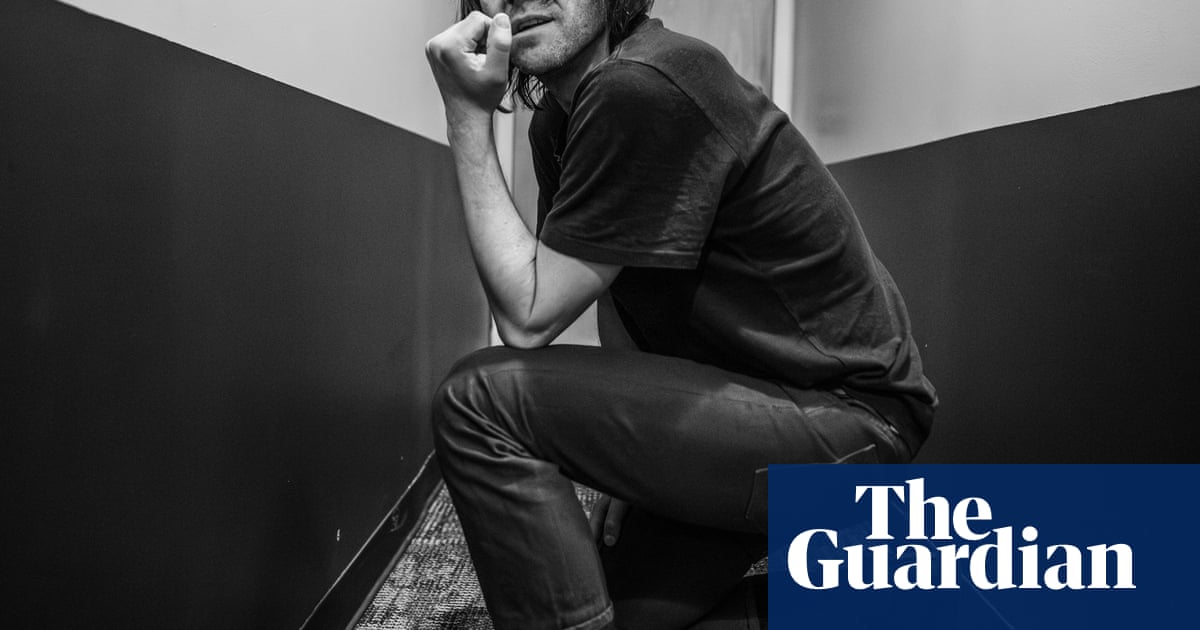
In the last few years, the singer-songwriter has weathered divorce, grief and false allegations of sexual assault. Now, he’s back writing, performing – and rediscovering his political rage
I
n the mid-90s, Omaha made a pretty decent tour stop for up-and-coming bands. Nebraska sits near-plum in the US’s middle, and in its most populous city, once famed for its fur trade, stockyards and railroads, there had grown a thriving subculture that centred largely on a book and record store named the Antiquarium and a small venue named the Cog Factory.
Conor Oberst spent much of his early teens puttering between these locations, filling his young brain with music and literature. By 12, he had begun writing his own songs, and by 13 he had recorded his first album, releasing it on his older brother’s label and selling it in the record store. Sometimes he would take to the stage at the Cog Factory, a small, pale boy with an acoustic guitar and a lot of words.
He had already begun recording as Bright Eyes by the time the Texas band Spoon came through town. Oberst and his friends were huge fans, and turned up to the venue early to see the band arrive. “We loved Spoon,” he says. “But we didn’t know what anyone in the bands looked like, never seen their pictures. These vans pull up outside the club and you’re like: ‘I wonder which one’s the singer?’ There was a lot more mystery and fun to it then.”It would be another five years or so by the time Bright Eyes found success – by now a band rather than a solo project, they were widely feted for their fourth album, 2002’s Lifted Or the Story Is in the Soil, Keep Your Ear to the Ground, followed by their twin 2005 records I’m Wide Awake, It’s Morning and Digital Ash in a Digital Urn. By that time, the world was a very different place. Music and media were growing increasingly digitised, and the US was grappling with the presidency of George W Bush and the controversies of the Iraq war.