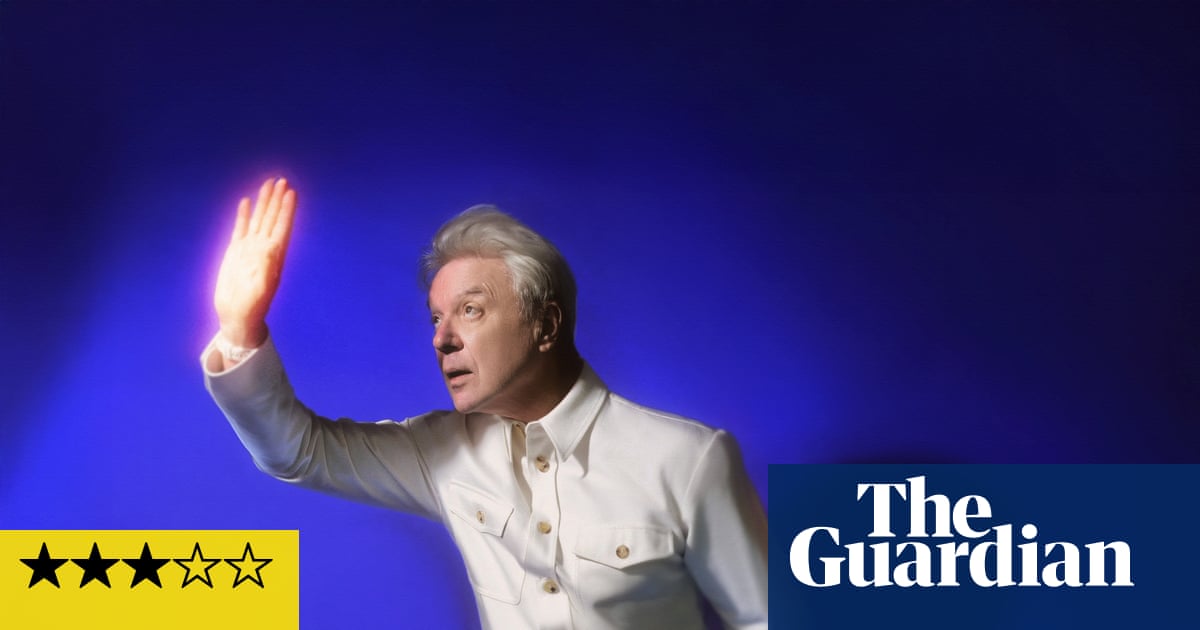
(Matador)
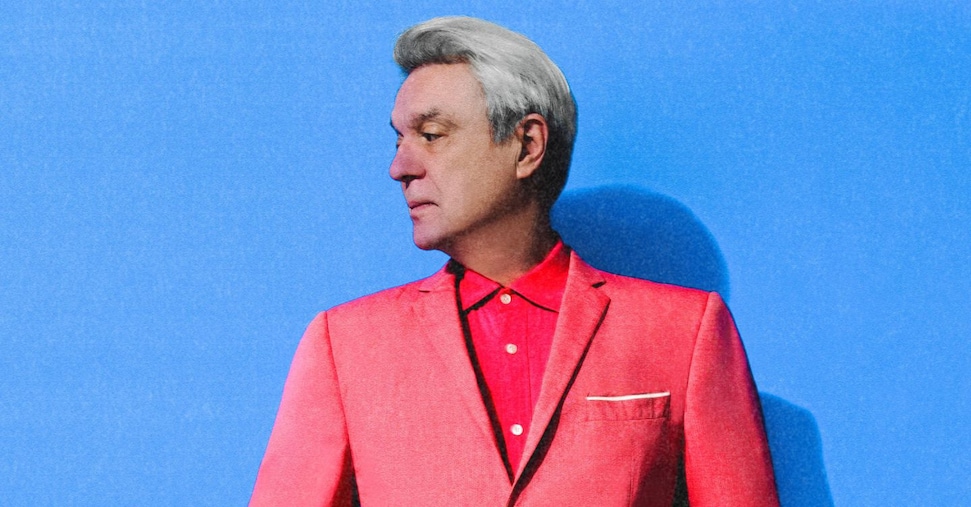
His last album was criticised for being too upbeat during Trump 1.0 but became a phenomenal live show, and the Talking Heads frontman remains sunny – almost to a fault
I
t is seven years since David Byrne released his last solo album, American Utopia. So much has happened in the intervening period that it’s easy to forget that, initially, the record received a mixed response. There was praise for its expansive and experimental approach: songs built on rhythms by Brian Eno were handed over to a wide selection of producers to tinker with, then Byrne compiled the finished product. Part of a larger multimedia project called Reasons to Be Cheerful, it attempted to engender a spirit of positivity, but there were complaints that this amounted to a blithe abdication of responsibility amid the first Trump presidency. Respectful long-service-medal reviews coexisted with angry fulminating over the complete absence of female contributors.
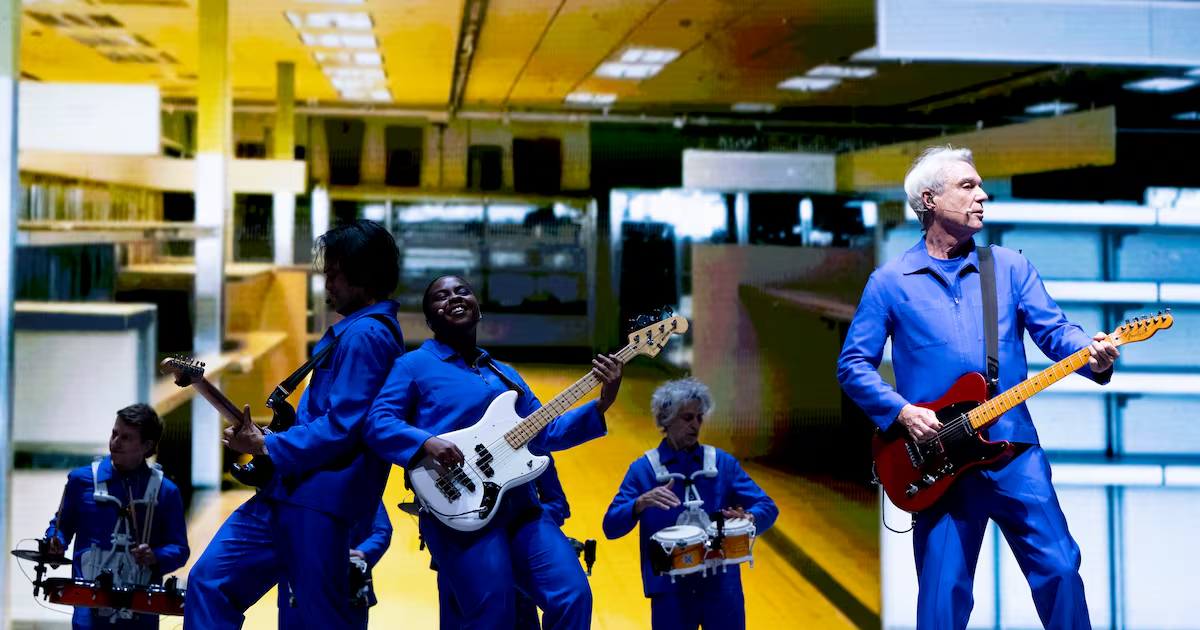
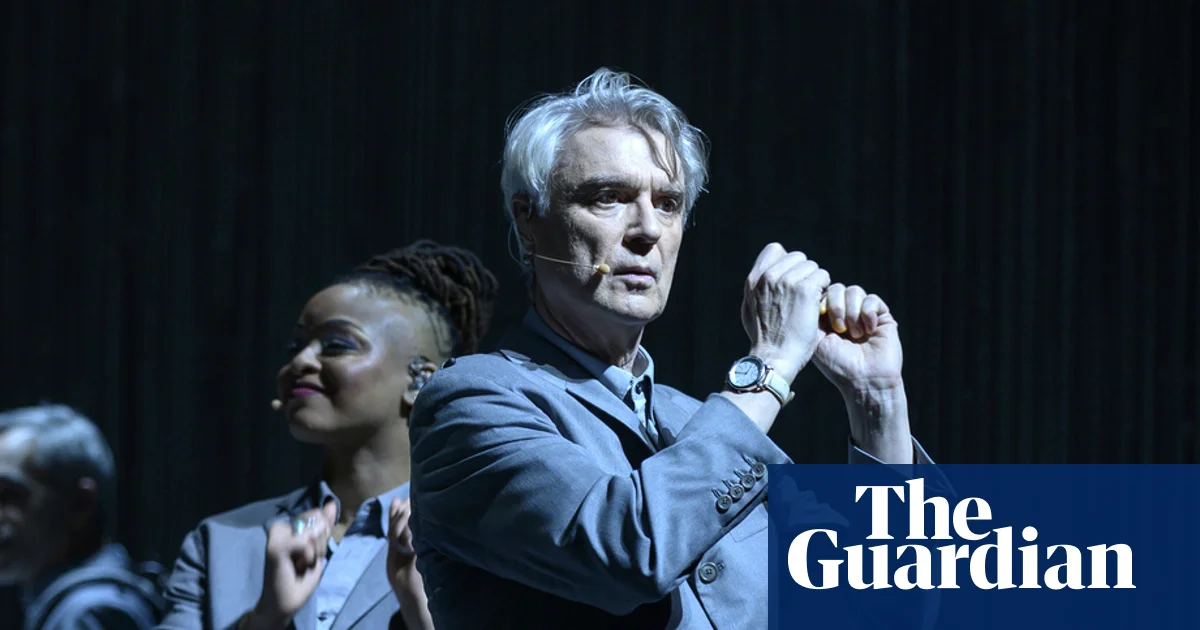
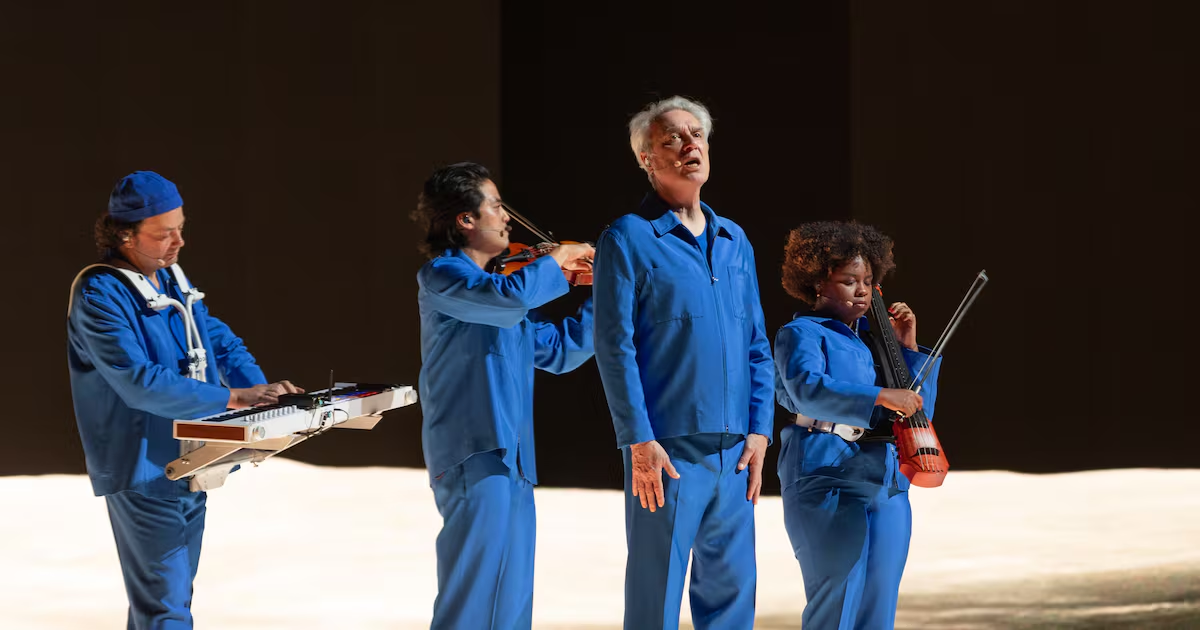
A mixed response was business as usual as far as Byrne’s post-Talking Heads career is concerned. He’s pursued an idiosyncratic path – diversions into Latin American music, opera and trip-hop, collaborations with dance producers and St Vincent – but never with results that achieved sufficient acclaim or commercial success to overshadow his former band. But then, something weird happened. The ensuing American Utopia live shows, which used cutting-edge technology and choreography to demolish the conventions of a rock show, attracted deserved hyperventilating praise. A tour that began playing modest theatres wound up filling arenas, spawning a Broadway show, two live albums – one named after a critic’s breathless assertion that it was The Best Live Show of All Time – and a Spike Lee-directed movie.