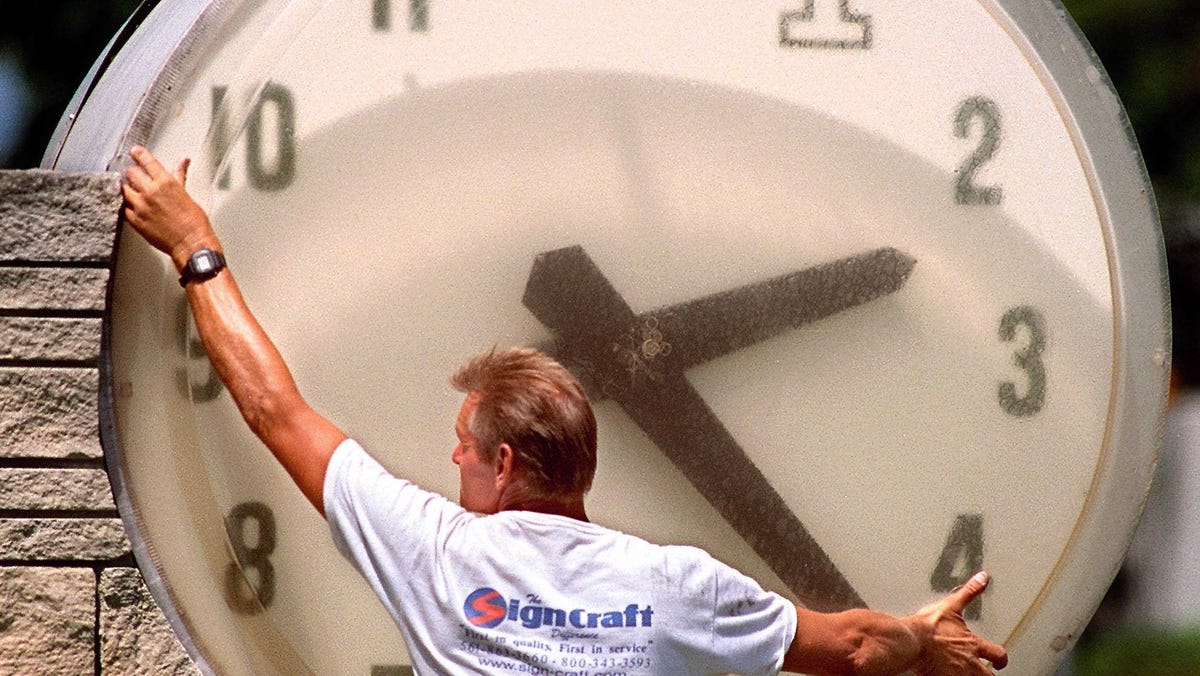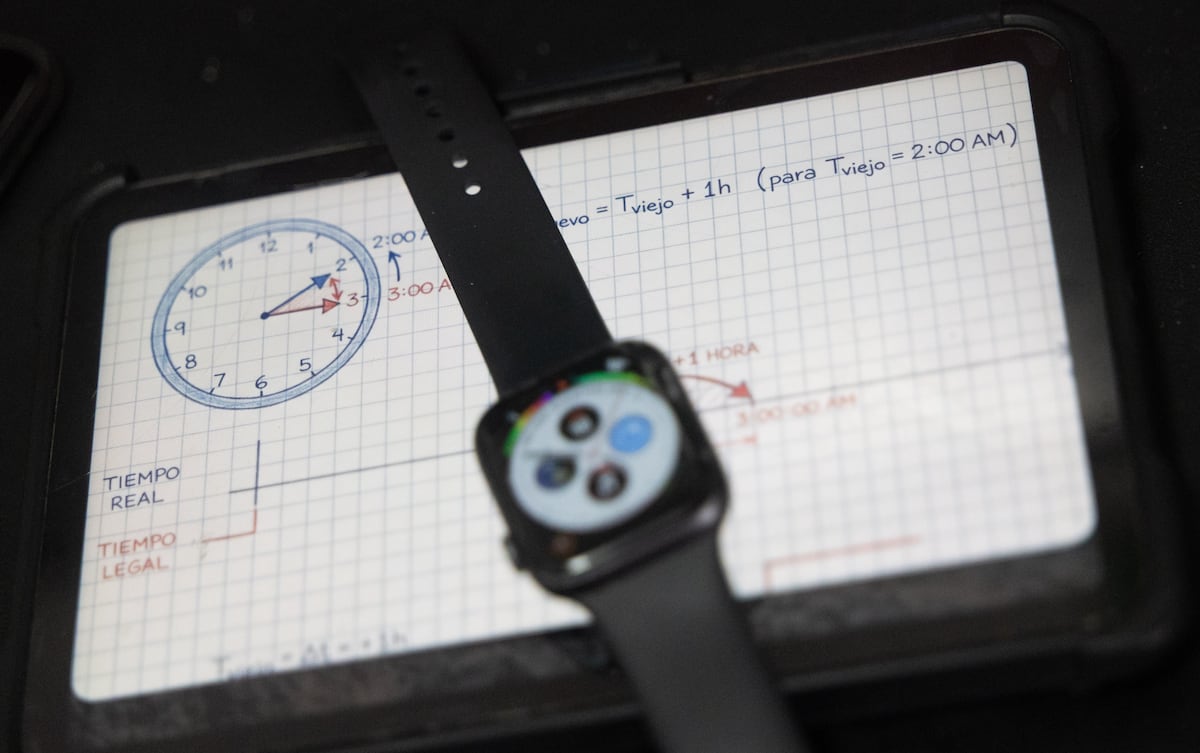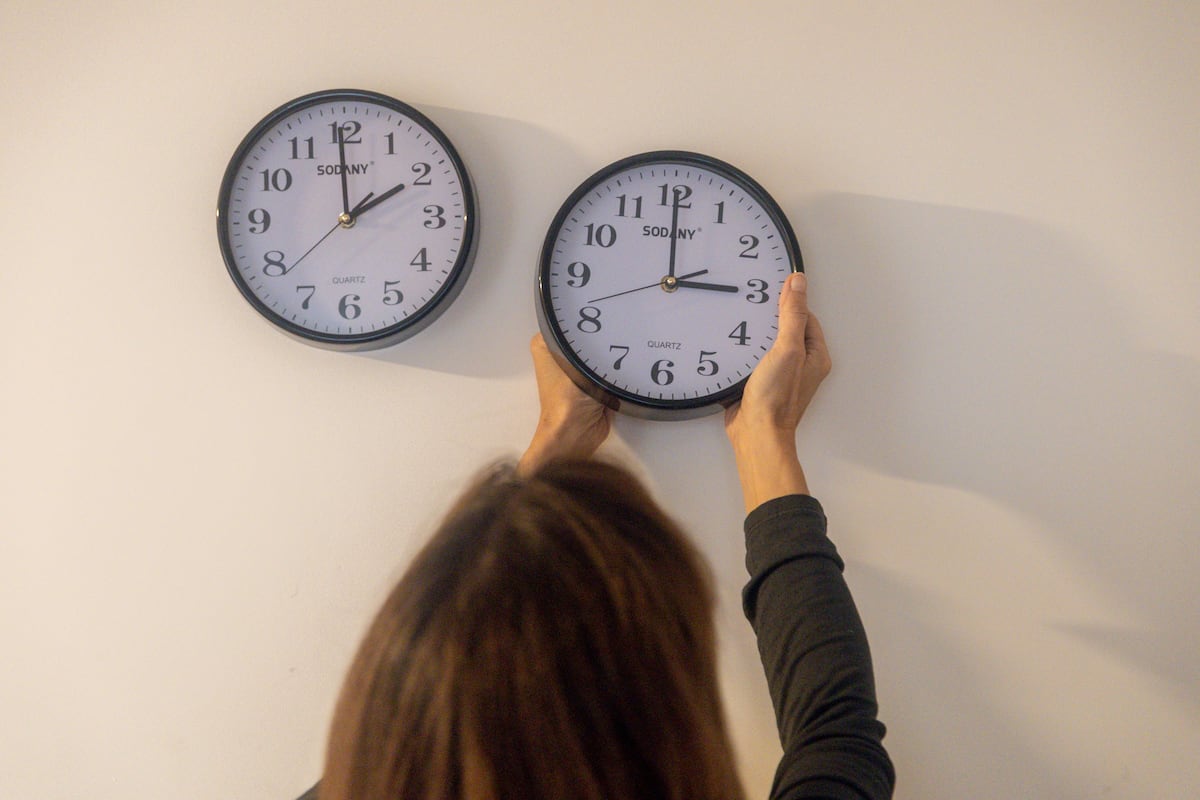
In 2026, daylight saving time in the U.K. and across most of Europe begins on Sunday, March 29, 2026, when clocks go forward one hour. It ends on Sunday, Oct. 25.gettyEurope is on the cusp of changing its clocks. Daylight saving time, designed to make better use of evening daylight during the warmer months, begins in late March across much of Europe. It comes three weeks after North America changed its clocks on Sunday, March 8, with DST in Europe between three and four weeks shorter than in North America in any given year.However, whether Europeans need to change their clocks depends on the exact location. Those that do have to “spring forward” will lose an hour of sleep. Here’s exactly when it happens across Europe — and who’s exempt. Daylight Saving Time: When Do The Clocks Change In The U.K. And Europe?Should you change your clocks on Saturday night or Sunday night? In 2026, daylight saving time begins at 1 a.m. Universal Time on Sunday, March 29, across most of Europe. Clocks move forward one hour, and everyone will lose one hour’s sleep. DST then runs until Sunday, Oct. 25, when clocks “fall back” one hour, gaining an hour’s sleep for everyone. For example, the U.K. moves to British Summer Time in March and returns to Greenwich Mean Time in October.However, there are exceptions. Some nations — including Iceland, Belarus and Russia, according to Timeanddate — do not observe DST.MORE FOR YOUIn 2026, daylight saving time in the U.K. and across most of Europe begins on Sunday, March 29, 2026, when clocks go forward one hour. It ends on Sunday, Oct. 25.gettyDaylight Saving Time: What Is It For?Daylight saving time is used in over 70 countries, according to timeanddate.com. It was introduced to make better use of evening daylight and reduce energy use, though modern research questions how much energy it actually saves. Supporters argue it provides longer summer evenings for business and recreation. Critics point to sleep disruption and potential health impacts tied to circadian rhythm changes.In 2019, in the wake of an EU-wide survey, the European Parliament voted in favour of removing Daylight Saving Time permanently from 2021. However, DST remains in place. Meanwhile, in the U.S., there have been repeated efforts to make DST permanent. Twenty states have passed legislation or resolutions supporting year-round daylight saving time, but any permanent change would require approval from Congress. For now, the twice-yearly clock change remains in place.Daylight Saving Time: When Does Spring 2026 Start And End?Daylight saving time begins in spring. Meteorological spring begins on March 1 and ends on May 31, a system used by forecasters for seasonal consistency. Astronomical spring — which is determined by Earth’s orbit and axial tilt — begins at the vernal equinox on March 20, 2026, and will end at the summer solstice on June 21, 2026.Wishing you clear skies and wide eyes.
European Clocks Change This Sunday: When Daylight Saving Time Begins
In 2026, daylight saving time in the U.K. and across most of Europe begins on Sunday, March 29, 2026, when clocks go forward one hour. It ends on Sunday, Oct. 25.
481 words~2 min read