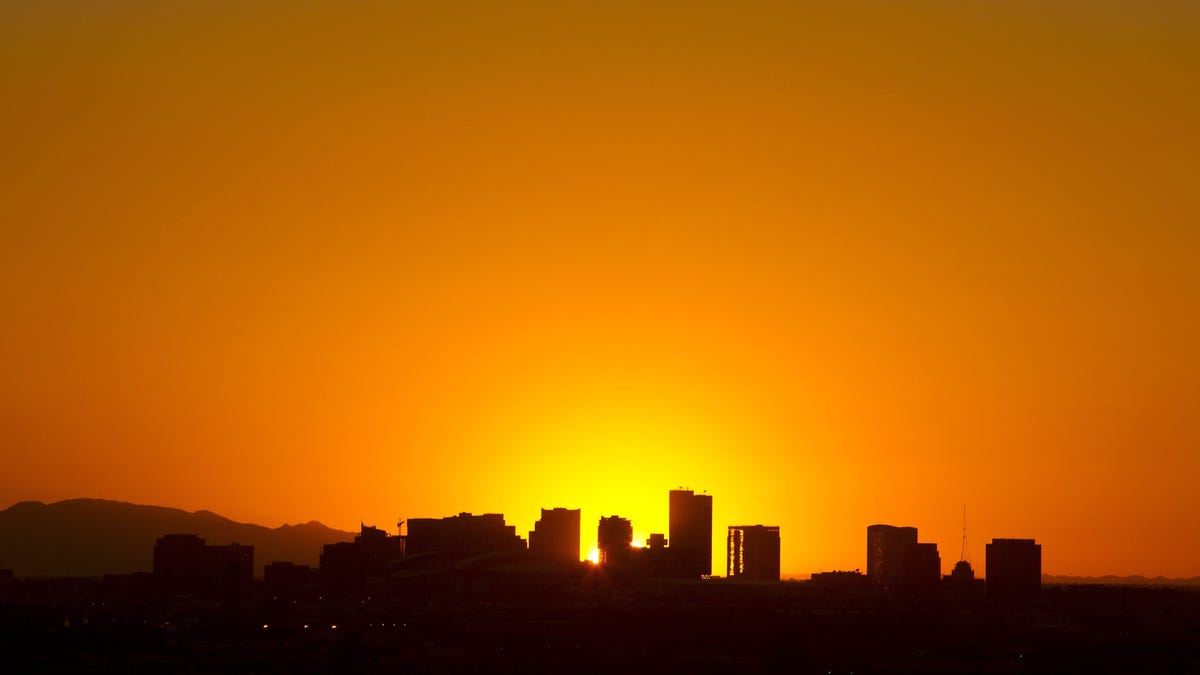
With less than a week to go before the end of daylight saving time, some places in the United States are already feeling the effects of the time change with earlier and earlier sunsets.
Despite calls for year-round daylight saving time, the twice-a-year movement of clocks remains across the country, with the looming Sunday, Nov. 2, signaling more daylight in the mornings for millions of Americans.
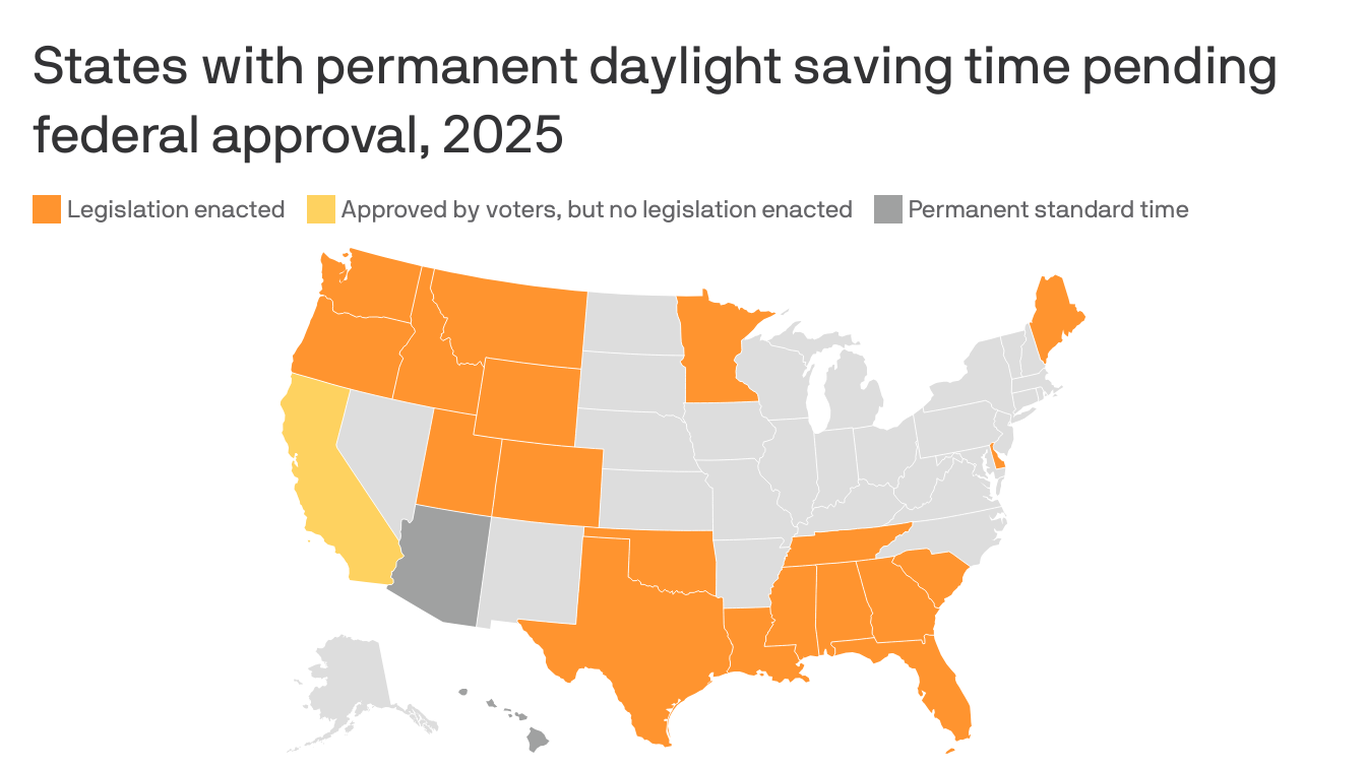
According to the National Conference of State Legislatures, two states, Arizona and Hawaii, observe permanent standard time; however, 19 states have enacted legislation that would enact year-round daylight saving time if Congress were to allow such a change.
But, with the end of daylight saving time still a reality for most of the United States, here is what you need to know about the time change.
Daylight saving time ends for the year on Sunday, Nov. 2, at 2 a.m. local time.