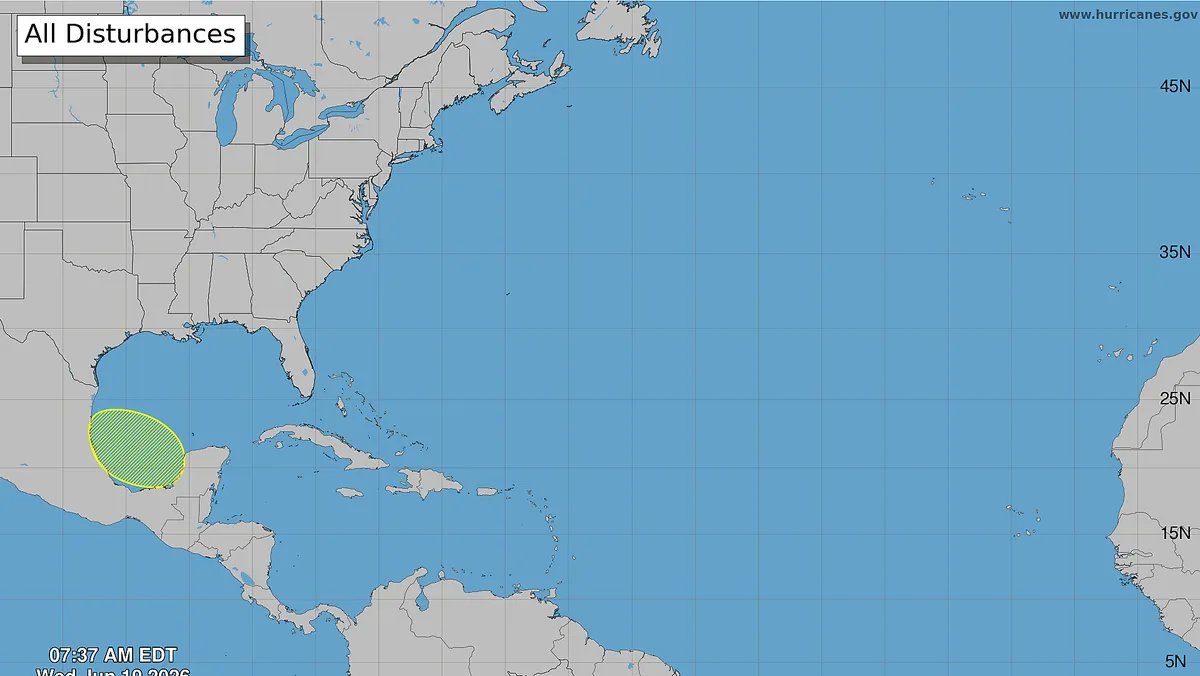
Early hurricane season forecasts have begun rolling out and will continue over the next several weeks, with the June 1 start to the season in the Atlantic just 68 days away.
AccuWeather, a private weather company, released its seasonal outlook on March 25. Their forecast will soon be followed by the research team at Colorado State University, typically in early April, and the National Oceanic and Atmospheric Administration later in May, among many others.
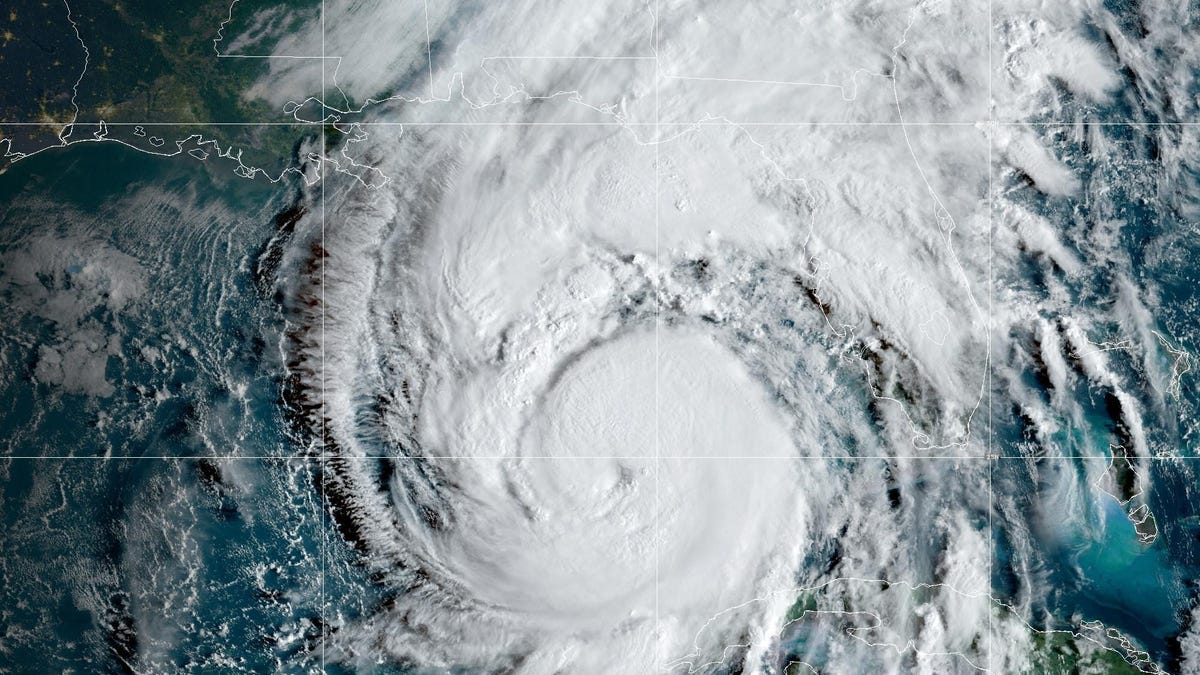
With confidence increasing for a strong El Niño forming over the summer, the forecasts are expected to take into account the dampening effect that Pacific Ocean climate pattern can have on storms in the Atlantic basin. However, some of the nation's most destructive hurricanes have plowed onto the U.S. mainland during an El Niño. Think Hurricane Michael in 2018 or Hurricane Andrew in 1992.
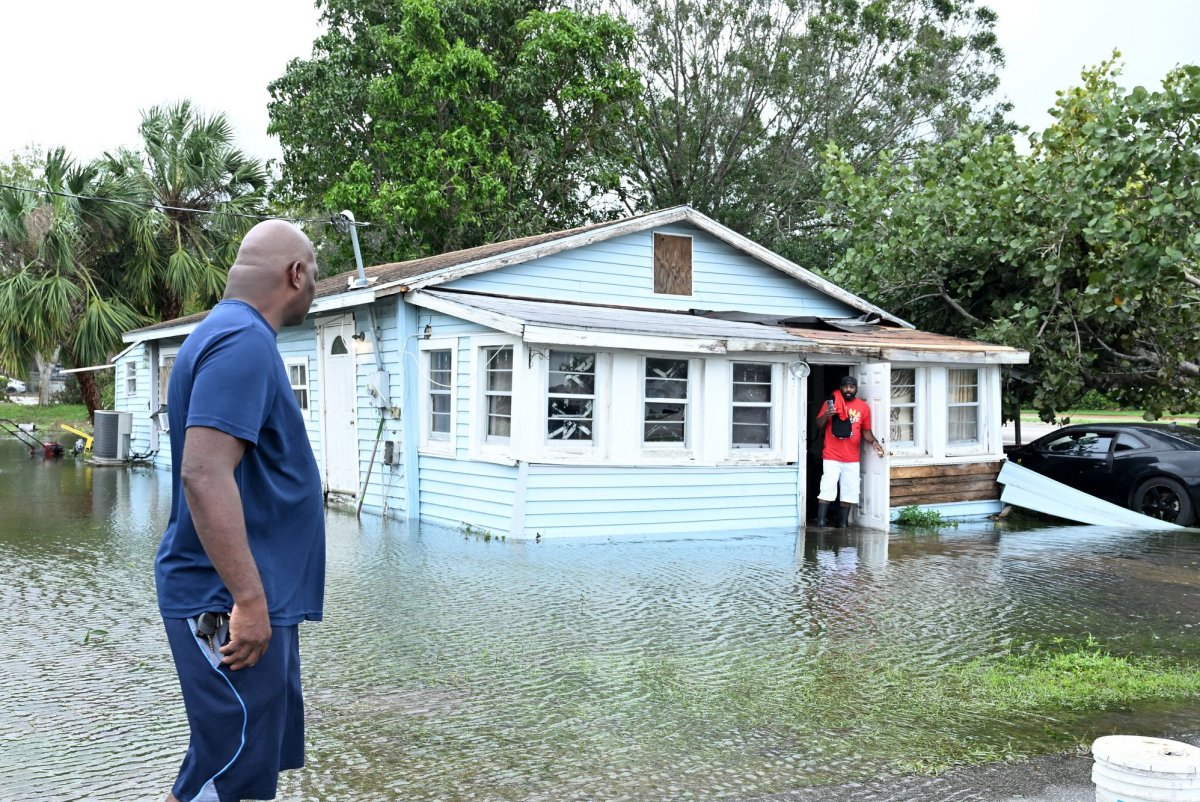
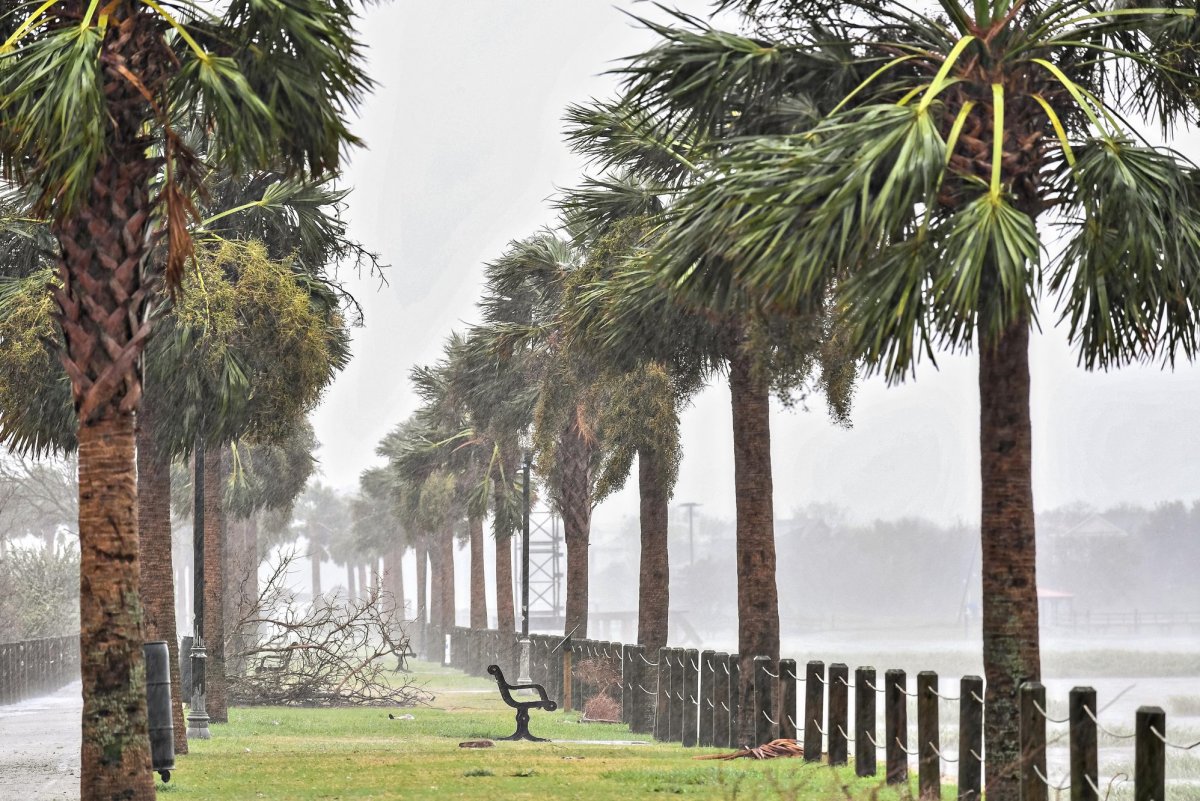
For the average person living within reach of a hurricane, similar preparations are advised every year, no matter the seasonal outlook. Also, Hurricane Helene and others show the path of a hurricane and its effects might reach much farther inland and be far more devastating than many imagine.
Seasonal forecasts were "never designed to tell a family whether their home is going to be hit," said Craig Fugate, a former FEMA administrator and former state emergency management director in Florida. "People hear 'El Niño will suppress activity' or 'below-average season' and translate that into 'I’m probably safe.' History says otherwise."