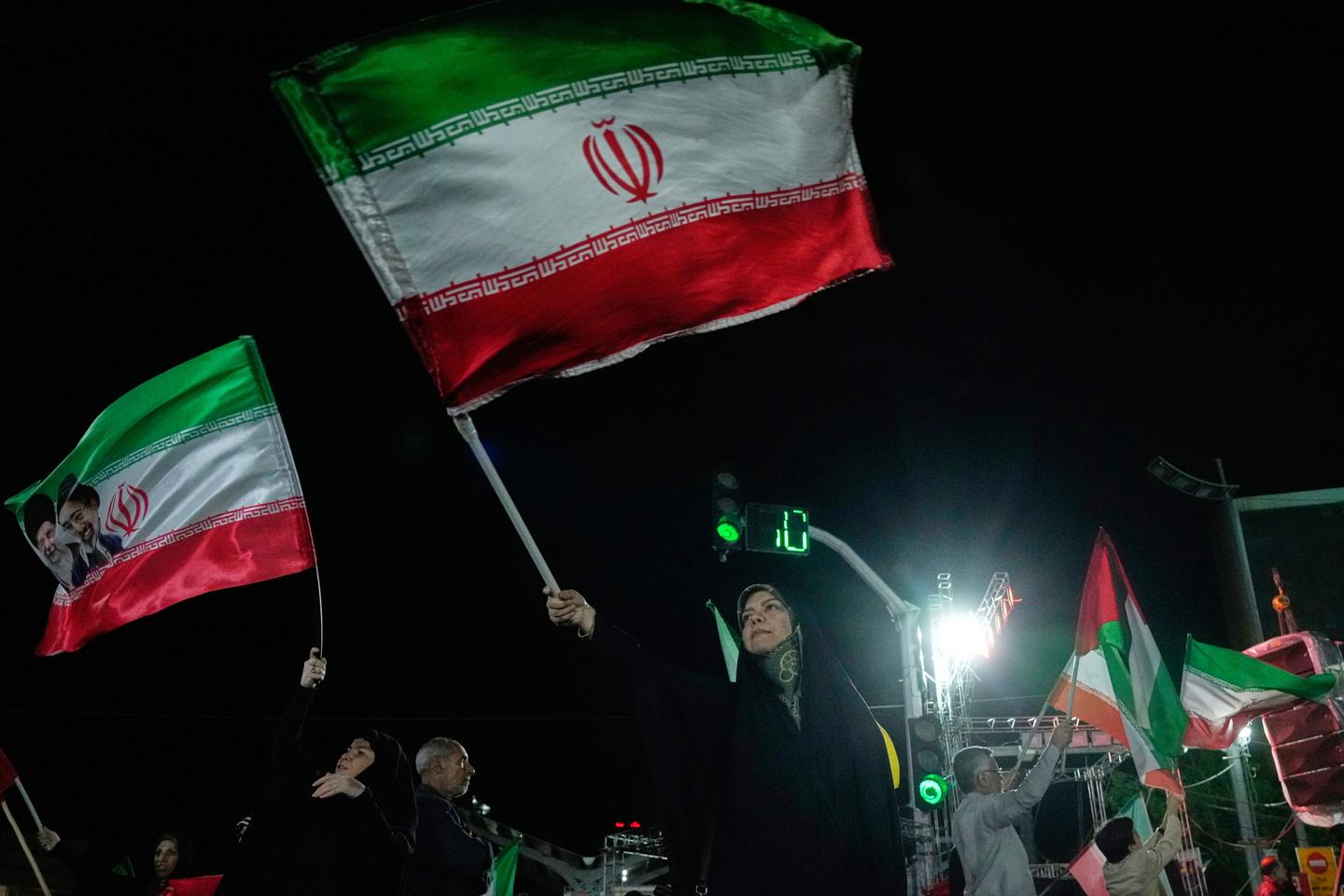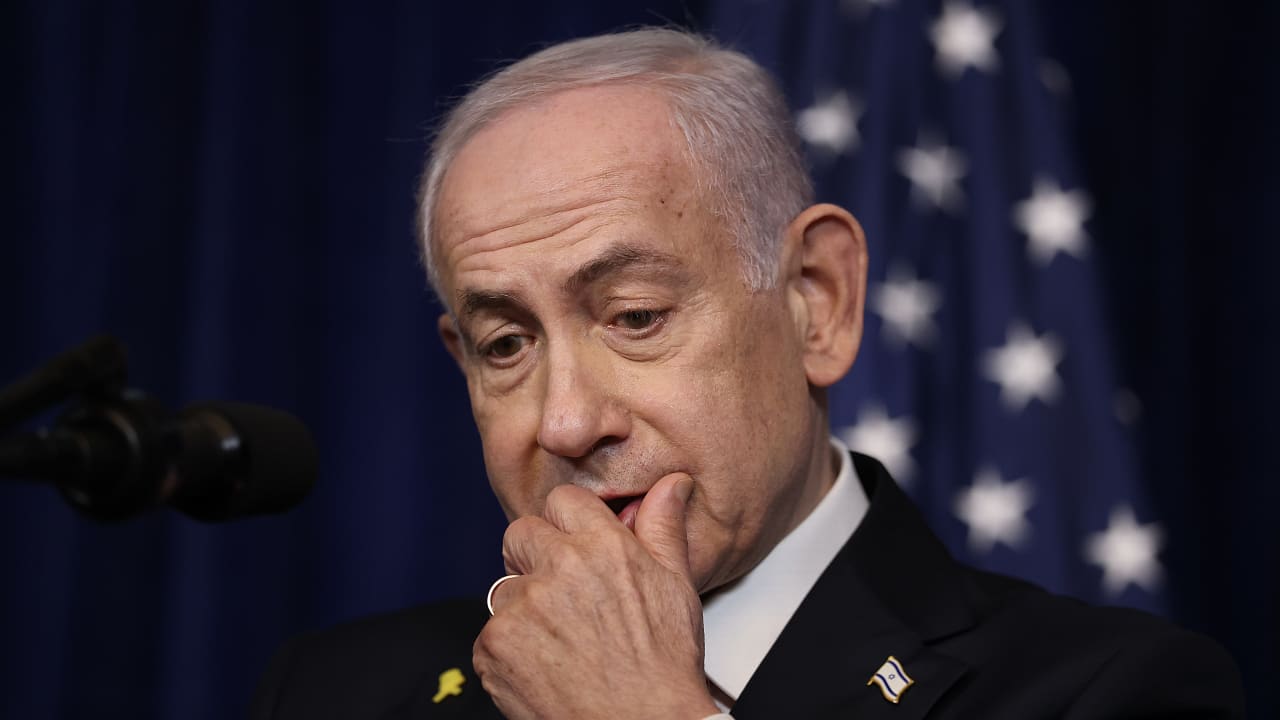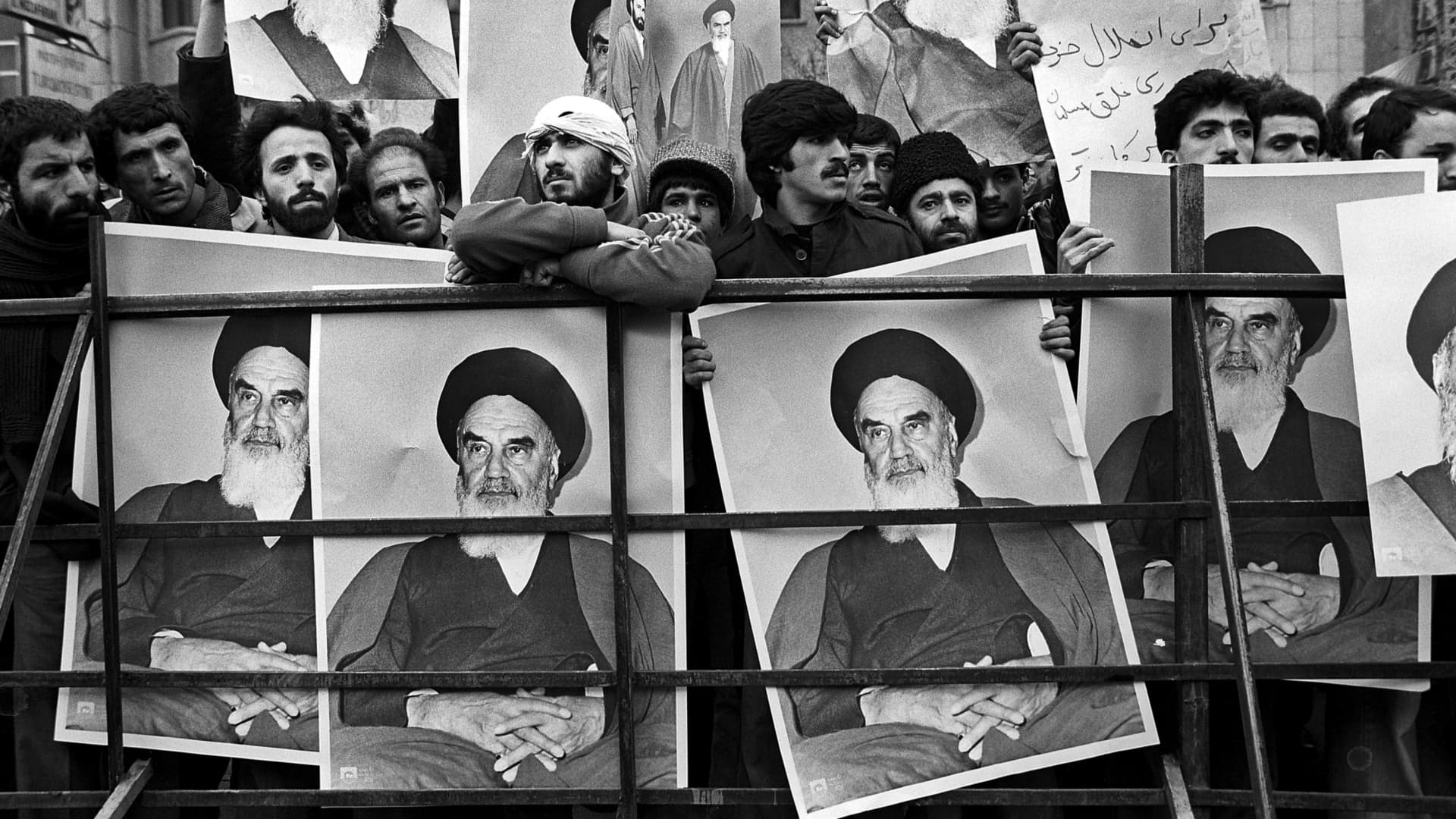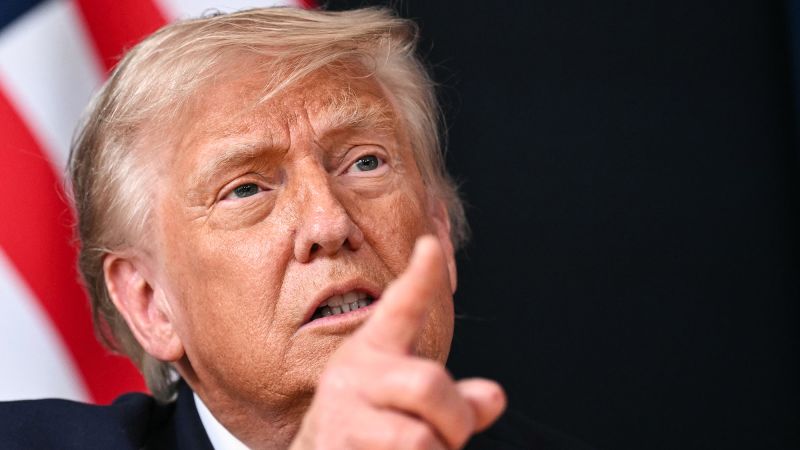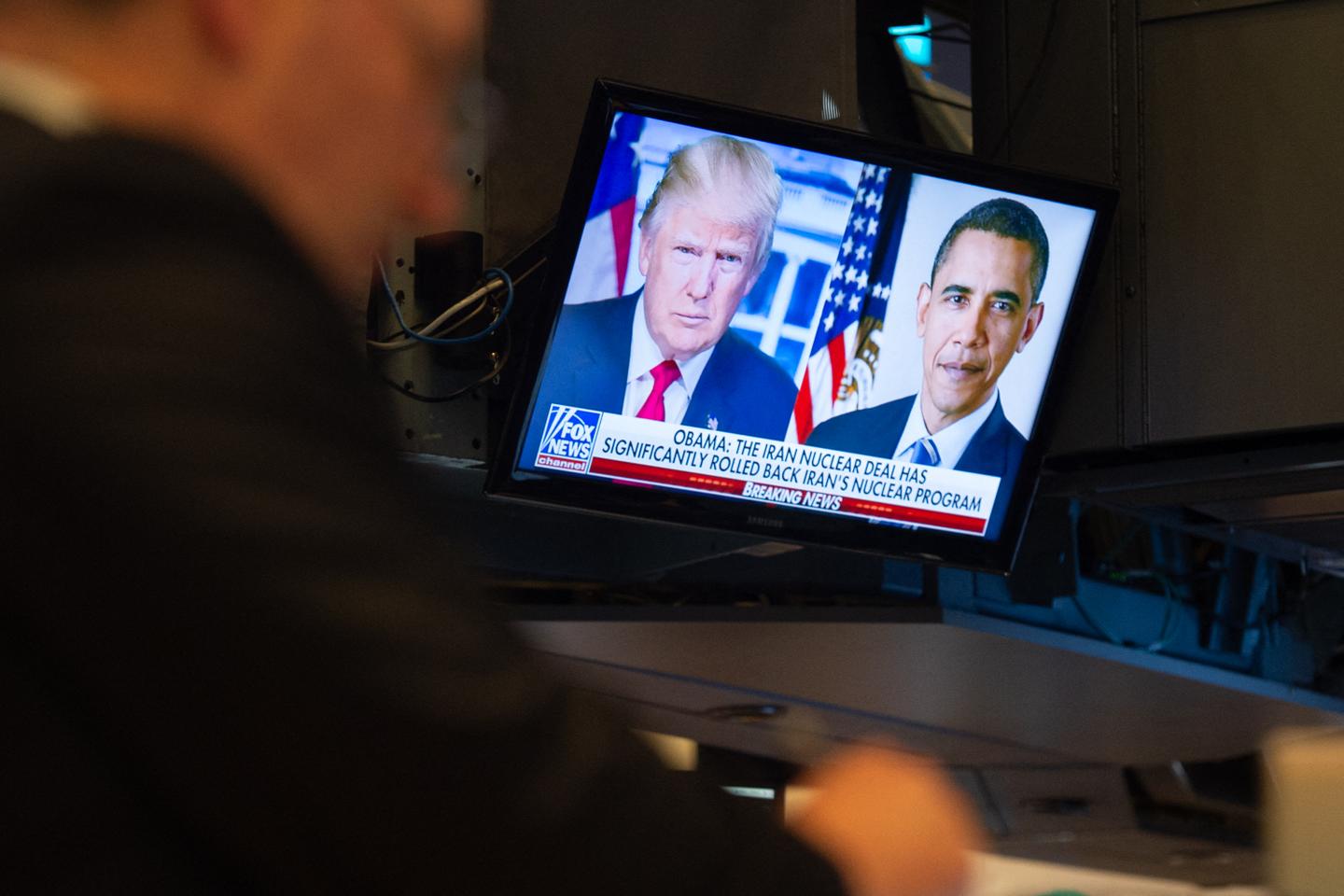
onald Trump has always expressed deep contempt for his predecessors. It is therefore almost certain that the US president has made a point of ignoring what they may have written or said in the past about Iran, the country he decided to attack on February 28 alongside Israeli Prime Minister Benjamin Netanyahu. He was wrong, even if it is now too late to correct that mistake.
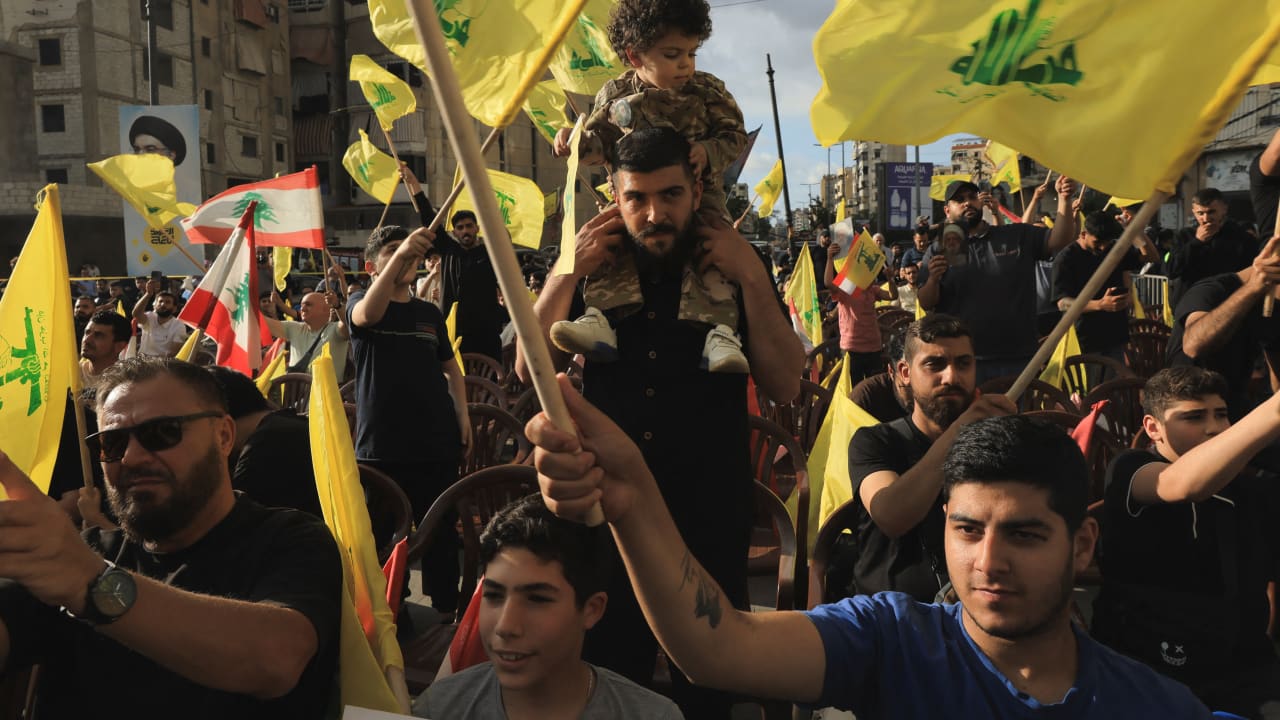
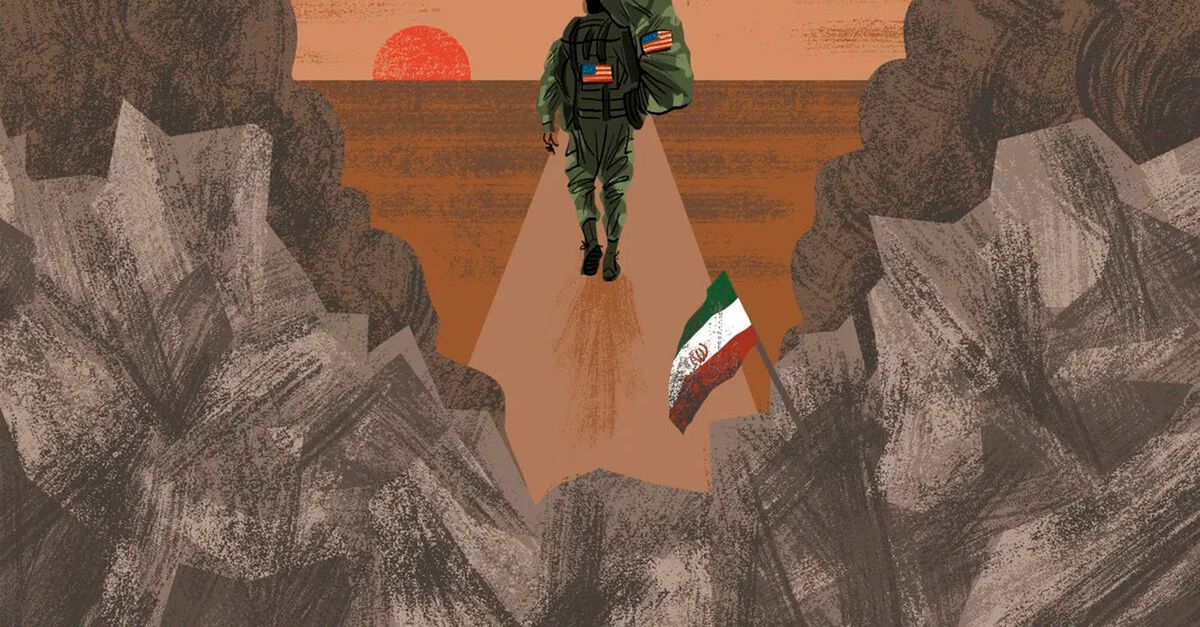
Apparently convinced that the Iranian regime was little more than an eastern version of Nicolas Maduro's in Venezuela, Trump believed that applying the same treatment – concentration of military force, massive intervention – would yield a similarly immediate result. Whether through the regime's surrender or its overthrow, the outcome would be the same: the end of Iran's nuclear and ballistic programs and the defeat of militias loyal to Tehran. Victory seemed assured.
The course of the war has caught the US president off guard. To the point that, amid the thunder of bombings, he attempted to revive the negotiations that, for the Iranian regime, had twice served as a prelude to massive airstrikes and the elimination of some of its leaders, including Supreme Leader Ali Khamenei. Nearly a month after the start of this war of choice, justified by an imminent threat that US intelligence has failed to prove, the dominant dynamic remains one of escalation.