US president will need to show heavy costs of war were worthwhile while Iran must choose between instant and delayed gratification
Middle East crisis – live updates
If talks between Iran and the US reconvene within the next few days in Islamabad, Donald Trump will have two major political hurdles to overcome – first showing that any deal he secures is better than the one signed by Barack Obama in 2015 and from which he withdraw in 2018, and secondly proving the deal is more favourable than the one on offer in Geneva in February before he launched his war.
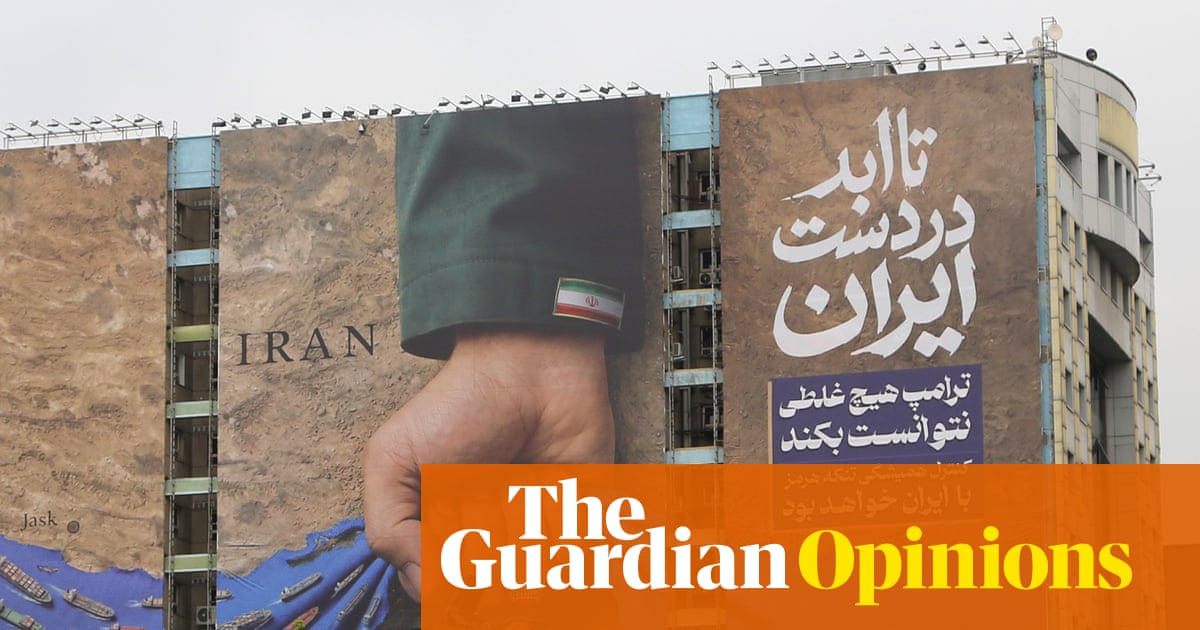
Otherwise he will have inflicted massive damage on the world economy when alternatives were available that were less costly in blood and treasure. He will also have to show that Iran has made no permanent gain by taking control of shipping passing through the strait of Hormuz. These are the yardsticks, or tests, around which his negotiating team will be keeping an anxious eye.
Of course, comparisons between the 159-page 2015 joint comprehensive plan of action (JCPOA), the product of a specific moment in time, and whatever comes out of Islamabad cannot be exact since the nature of the Iran’s nuclear programme has altered so much since 2015. Moreover other issues, such as Iran’s ballistic missile programme or the stewardship of the strait of Hormuz, have greater prominence than in 2015.