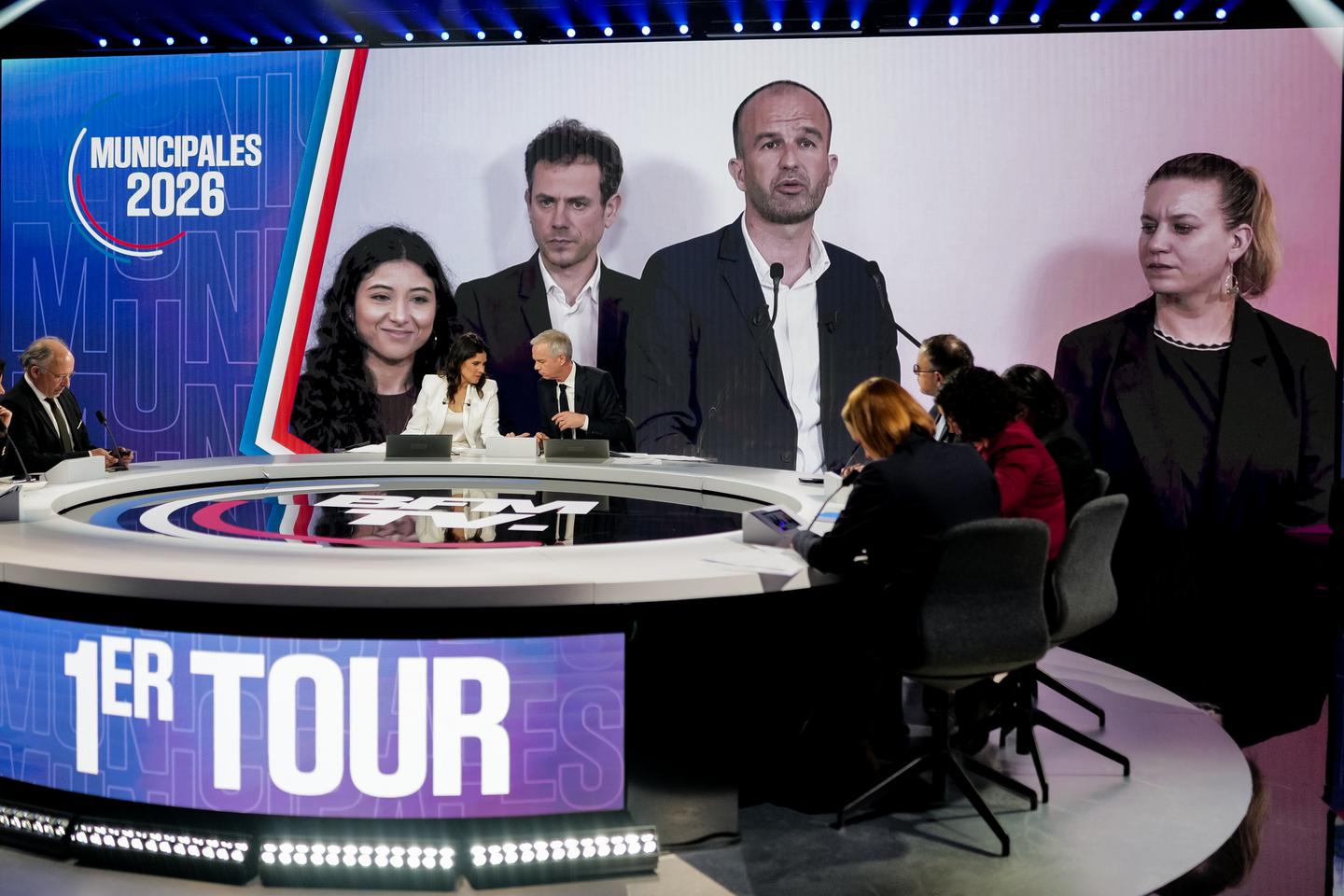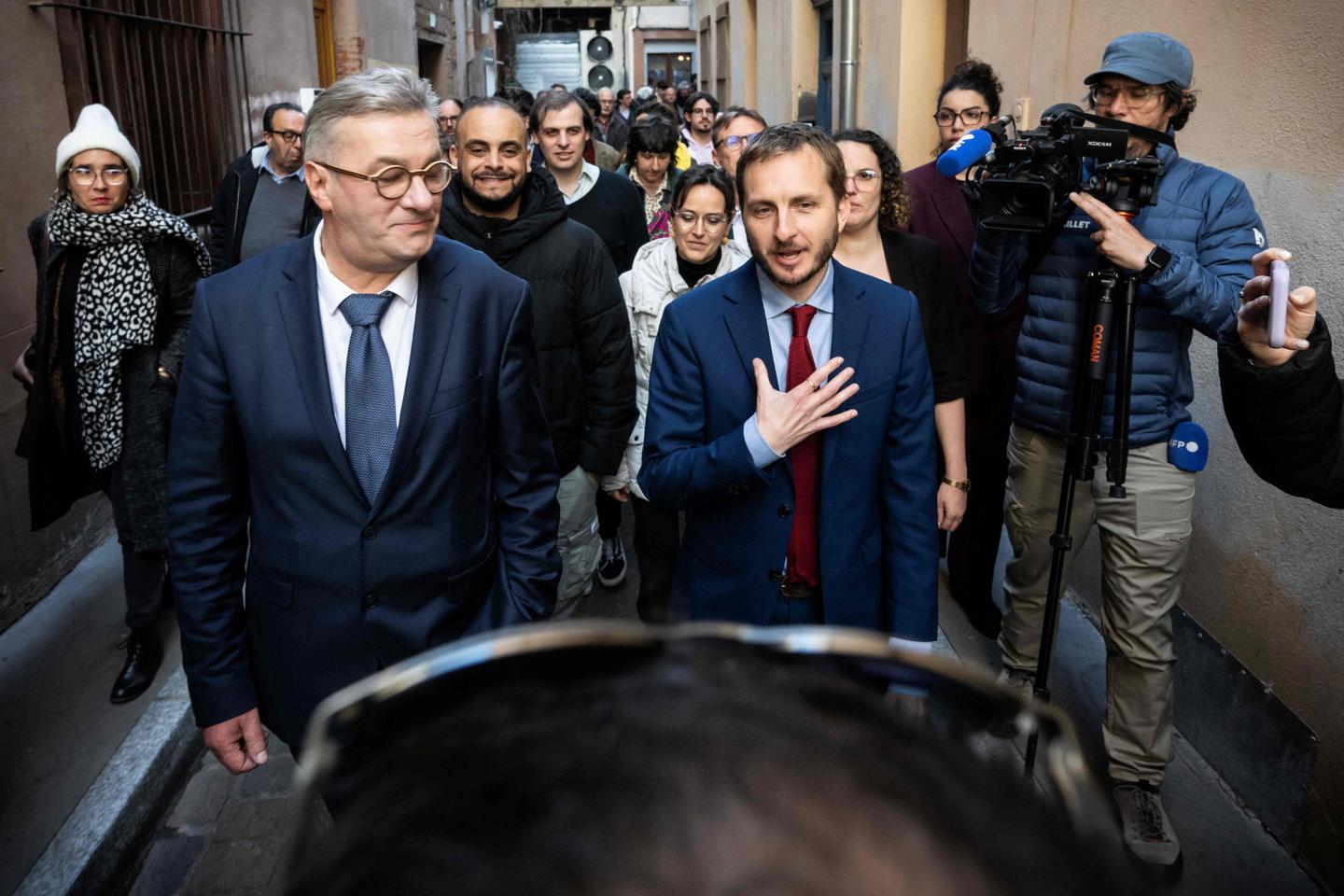
It may be time for a new generation to lead La France Insoumise. But local elections have shown the movement’s resilience
A
s the results of the French local elections sink in, it is useful to reflect on the shifting moral boundaries in public debate that characterised the campaign. In the weeks leading up to the first round of voting on 15 March, criticism directed at the radical-left party La France Insoumise (LFI) and its confrontational leader, Jean-Luc Mélenchon, reached new levels of intensity. Mélenchon had become, it seemed, the undisputed “bad guy” of French political life.
Yet, for the first time in its history, the radical left now has control of several cities – including Saint-Denis, the second-largest municipality in the Paris region and after Sunday’s run-offs, Roubaix, one of France’s poorest cities, previously controlled by the right.
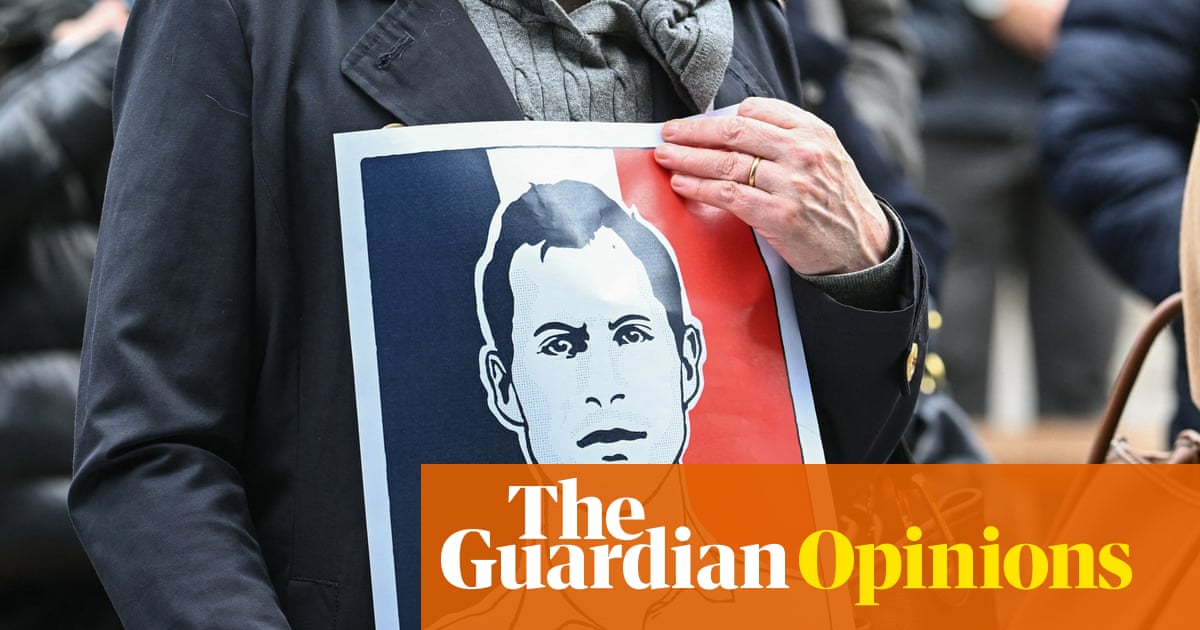
The campaign was inflamed by a specific event – the killing in Lyon last month of a 23-year-old far-right activist. Quentin Deranque’s violent death sent political shock waves nationally, with LFI’s leadership, and Melenchon in particular, attacked from across the spectrum. Deranque was severely beaten up during violent clashes between far-right supporters and an anti-fascist group called La Jeune Garde. The confrontation coincided with a protest over a conference hosted in the city by an LFI MEP, Rima Hassan. Deranque suffered brain injuries and died in hospital two days later.