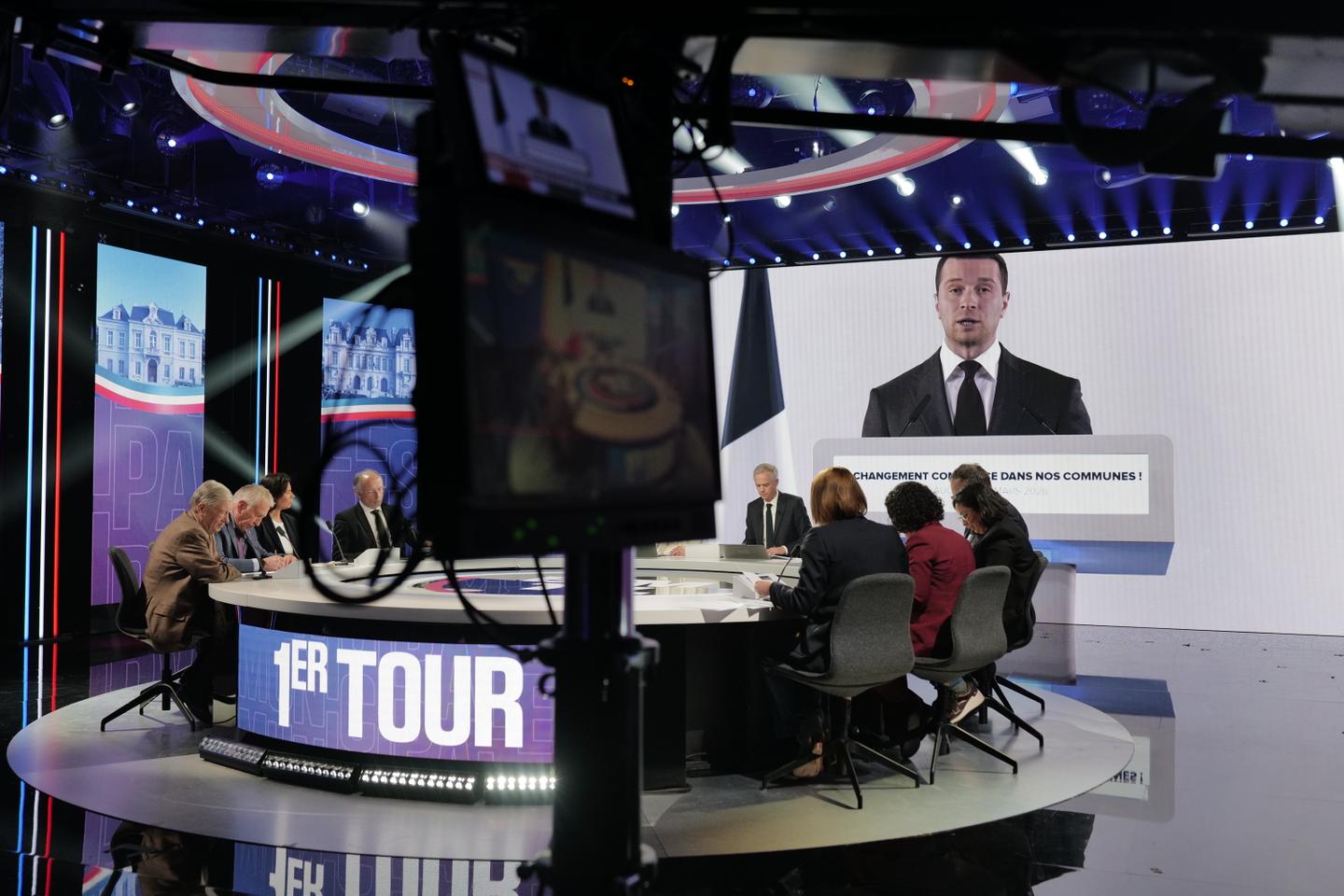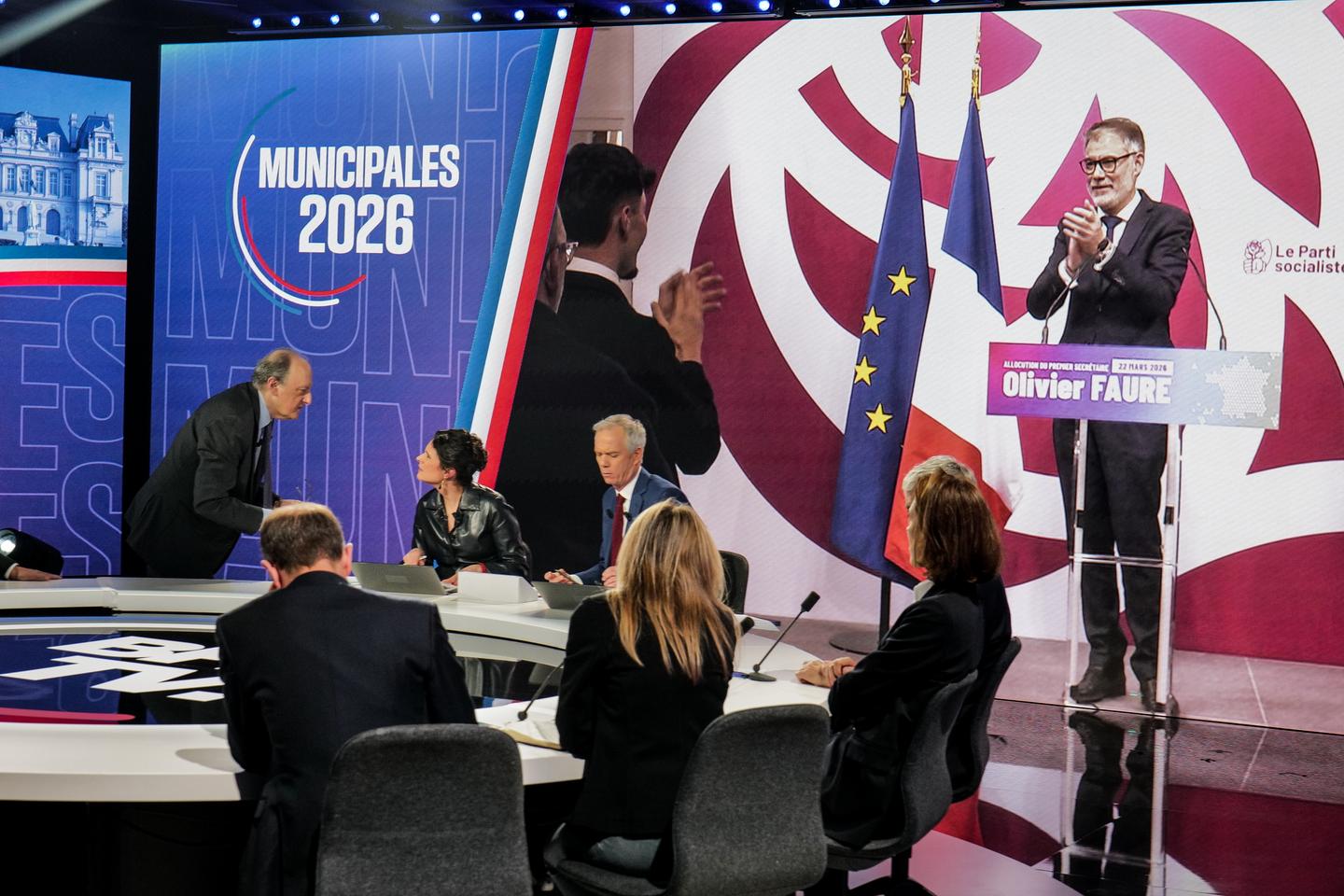
Socialist leader Olivier Faure (R) speaks after the second round of the municipal elections, on the BFM-TV television channel set, in Paris, on March 22, 2026. LUCAS BARIOULET FOR LE MONDE
What can be learned from the "technical fusion" alliances formed between the Parti Socialiste (PS) and the radical left-wing La France Insoumise (LFI) party? Did Jean-Luc Mélenchon's LFI really succeed in breaking through? These municipal elections, which were marred by high tensions throughout the campaign, ultimately gave the left a mixed verdict. The left's divisions, between those who support unity and the independent strategies advocated by Mélenchon or Raphaël Glucksmann, founder of the center-left Place Publique, were on full display, all set against the backdrop of the battle for dominance within this wing of the political spectrum. It appeared to be a sort of preview of the 2027 presidential election.
Subscribers only
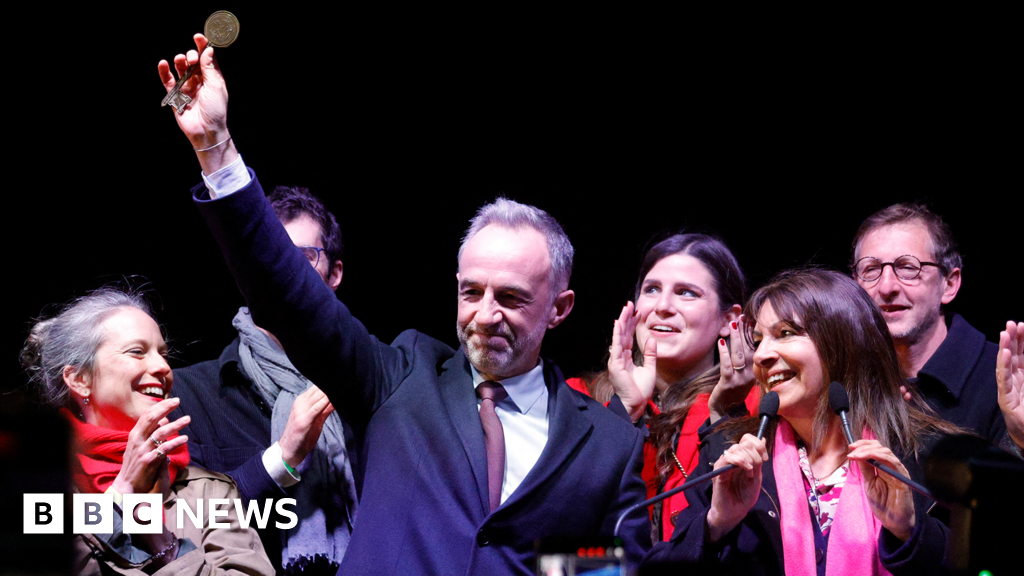
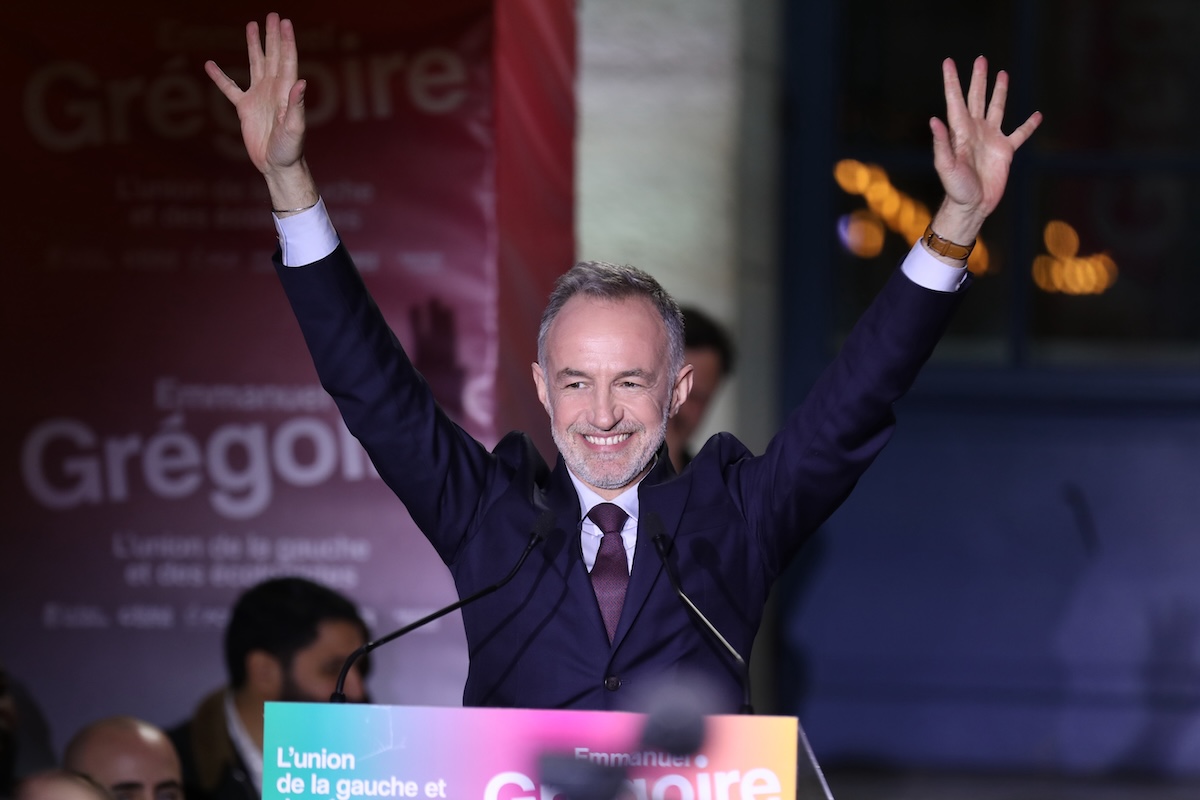
Paris municipal elections: Emmanuel Grégoire and the united left achieve a resounding victory
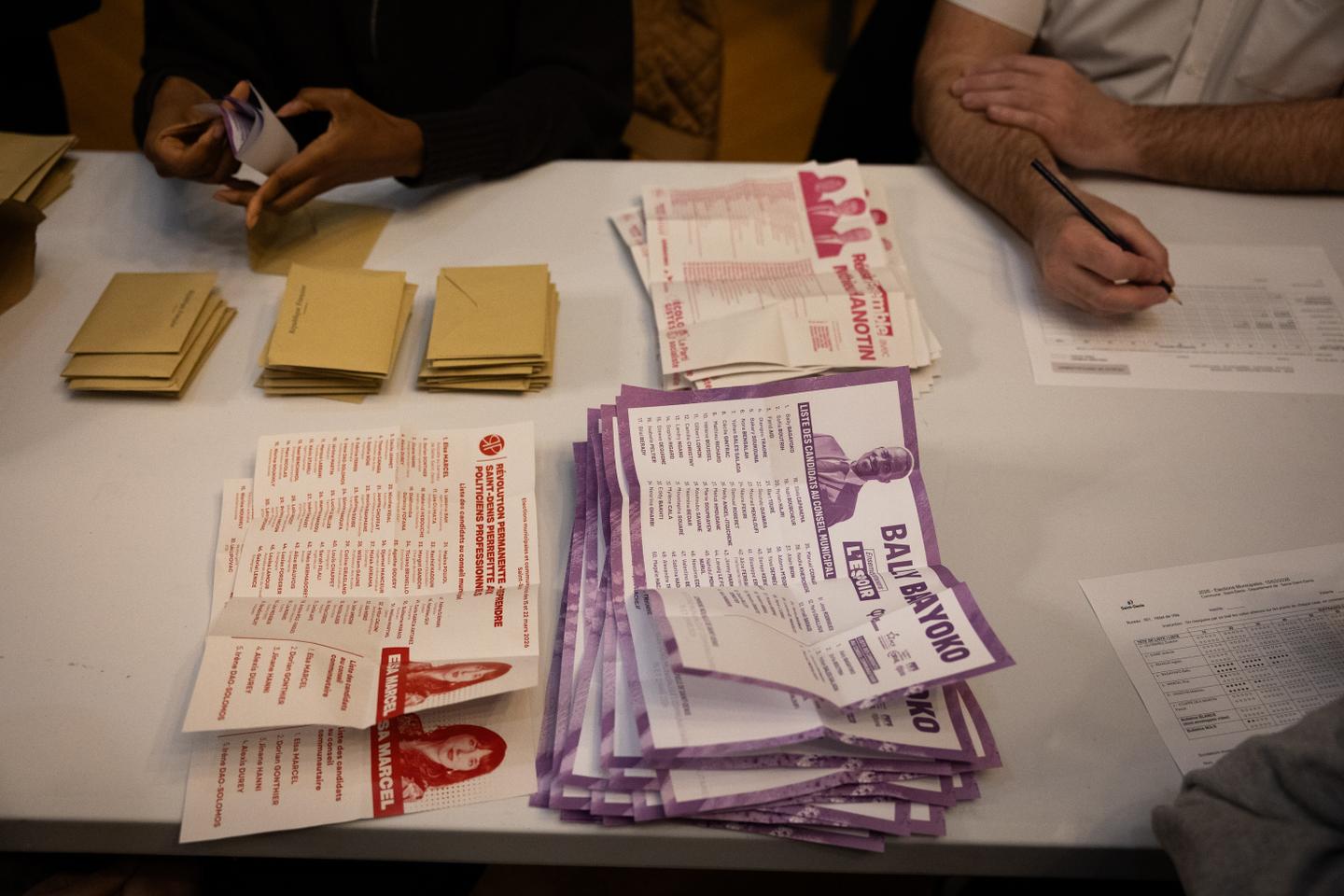
The Socialists managed to hold onto major cities: Paris, Marseille, Rennes, Montpellier, Lille and Nantes. They conquered Amiens and Saint-Etienne, but also saw the right seize several of its historic strongholds: Brest, Clermont-Ferrand, Tulle and Cherbourg. While the Greens narrowly retained Lyon – though their rival, Jean-Michel Aulas, has filed an appeal over alleged voting "irregularities" – they lost several large cities: Poitiers, Strasbourg, Besançon and Bordeaux. Finally, LFI, which was conducting its first major municipal election campaign, secured victory in about a dozen significant cities, including Roubaix and Creil (northern France); Le Tampon (on the overseas territory of Reunion Island); the Lyon suburbs of Saint-Fons and Vénissieux; and, notably, the major Paris suburb of Saint-Denis, which it won in the first round.