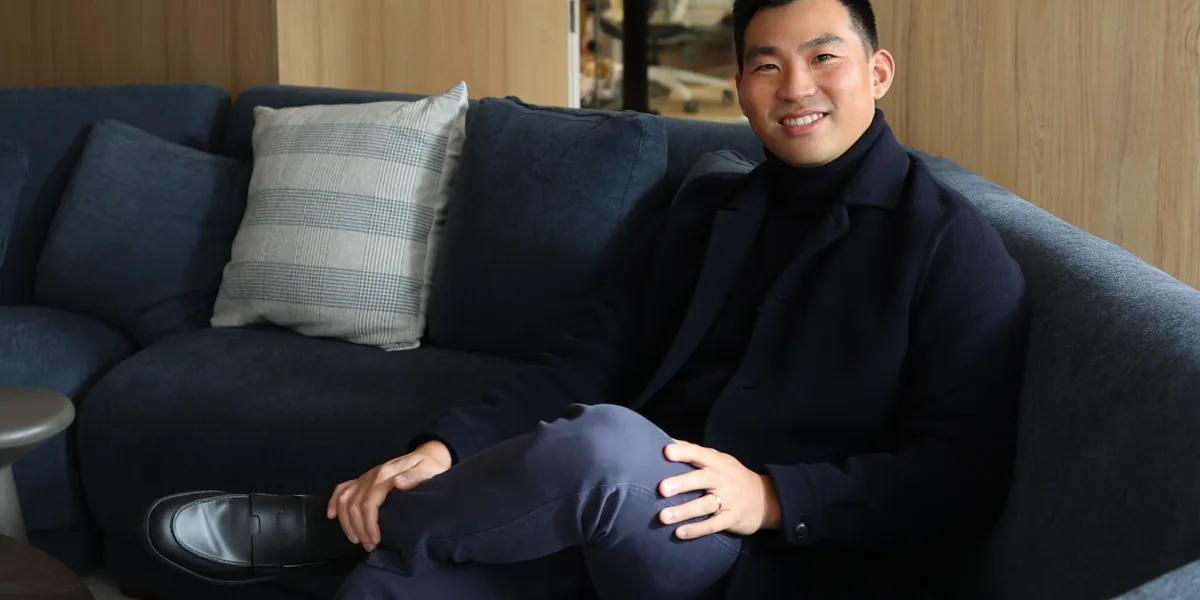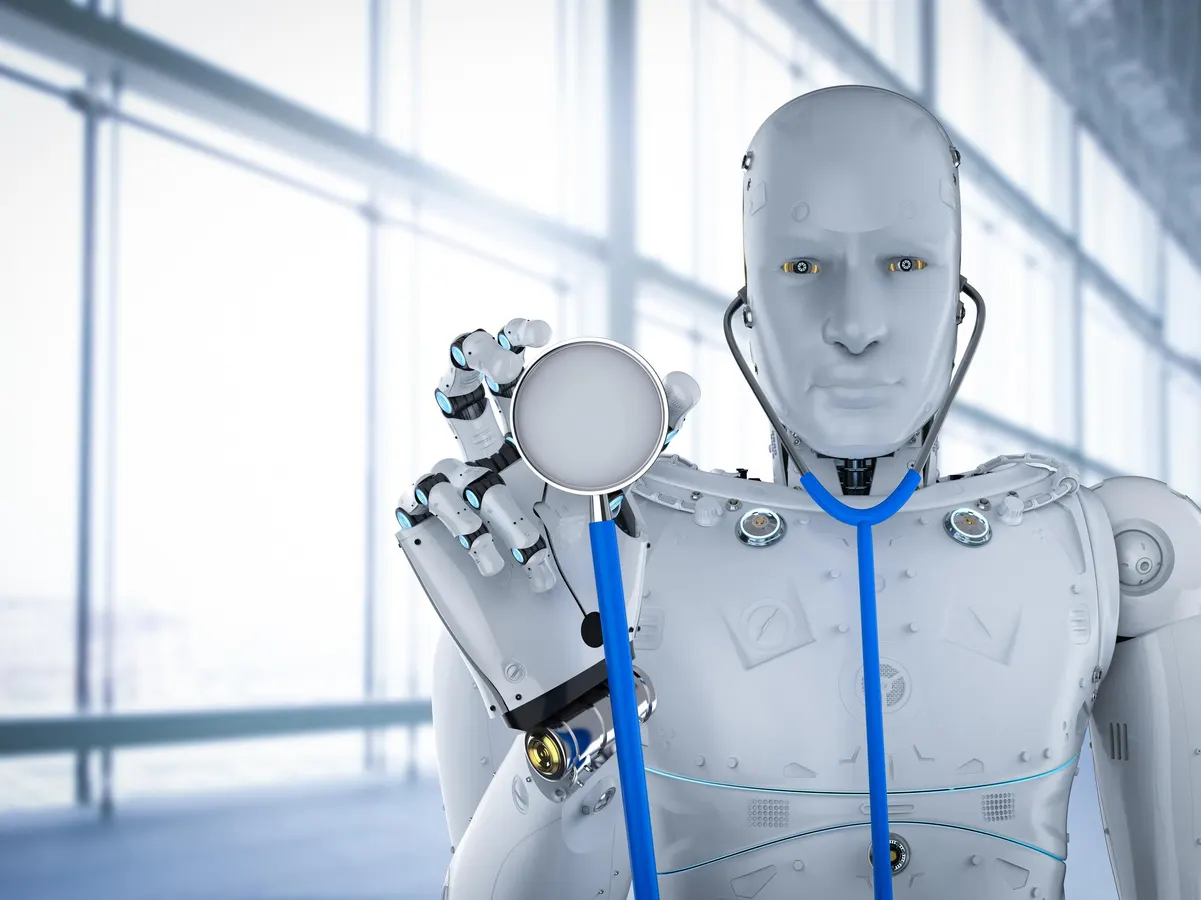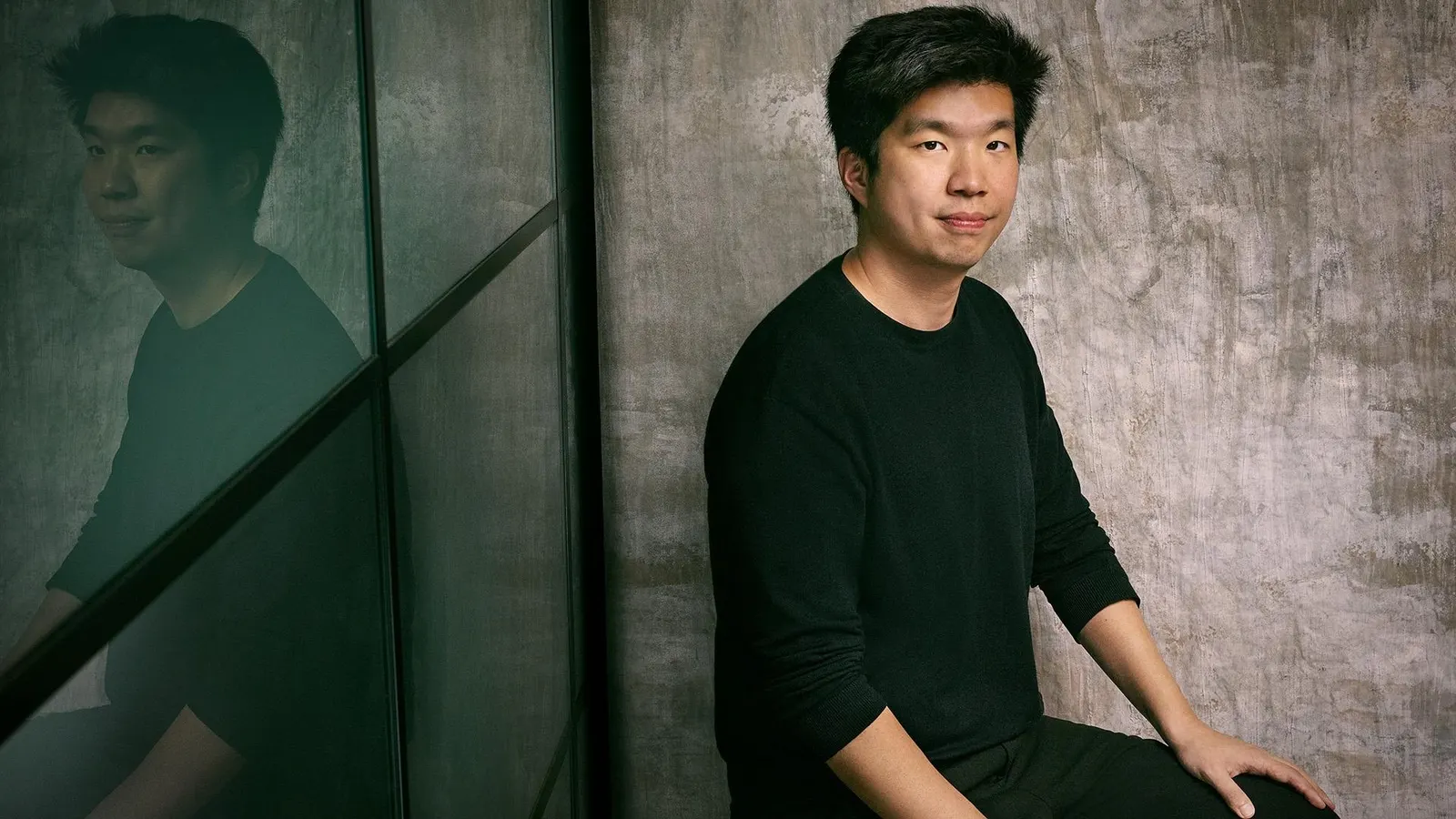
Martin Varsavsky has trouble keeping track of all the ventures he’s started. There are more than a dozen of them, including a handful that became worth more than $1 billion. But Certuma, which launched quietly this winter, may be his biggest idea yet: He plans to build the first FDA-approved AI doctor.“What’s happening now is everyone you know, and probably you yourself, are checking your medical problems with AI. But then what happens when you want action? The AI, after giving you a wonderful, accurate diagnosis of what’s wrong with you, says, ‘I am not a doctor,’” Varsavsky tells Forbes. He ticks off all the questions it might answer this way, from getting a prescription to scheduling imaging. “I want to fix the ‘I am not a doctor’ problem by building AI that is recognized by the FDA and recognized by the states.”AI doctors could help solve an important problem, much like telemedicine did during the Covid-19 pandemic. There simply aren’t enough physicians to serve all the people who need them, especially in rural areas. The shortage is only getting worse. More than 100 million people in the United States face barriers to accessing primary care. Meanwhile, some 46% of counties don’t have a cardiologist; in rural counties, that number rises to 86%.Certuma has an early target list of 25 medical conditions, including urinary tract infections and sore throats. All are common health problems that take up a lot of primary care doctors’ time, but are treated with a standard protocol. “We look for conditions that are low medical risk, and have very well defined management decision trees,” says Dr. Armando Cuesta, the startup’s chief medical officer. The goal would be for Certuma’s AI doctor to both diagnose these conditions and provide basic treatment for them.The biggest danger of an AI doctor is that it will provide inaccurate advice or incorrect treatment that harms – or, worse, kills – a patient, and that any safeguards will fail to catch the errors. The concept also raises questions about what being a doctor actually means: while it may be possible to automate parts of a doctor’s job, it’s an uncomfortable idea to replace a human as the decision-maker. Varsavsky is clear-eyed that developing safeguards on the technology is only half the battle. The other will be gaining regulatory approval. To launch Austin, Texas-based Certuma, he raised $10 million in seed funding led by Joe Lonsdale’s 8VC at a valuation of $60 million. The company is working simultaneously in the United States and in Varsavsky’s native Argentina, where any clinical trials would cost a lot less and where he has connections with its libertarian President Javier Milei. It’s a long way to go from there to an AI doctor approved in the U.S., but Varsavsky has a decent shot at it. Previously, he built the largest chain of fertility clinics in North America, and has substantial experience starting businesses at the intersection of medicine and technology that require FDA oversight. Forbes estimates that he is worth at least $700 million.“I want to fix the ‘I am not a doctor’ problem by building AI that is recognized by the FDA and recognized by the states.”
This Startup Is Building An AI Doctor To Treat Common Ailments Like UTIs And Sore Throats
Certuma launched out of stealth with $10 million in funding from 8VC and a grand plan to make AI smart enough — and safe enough — to actually diagnose and prescribe treatments. Now he needs to figure out how to get the FDA on board.
2,049 words~9 min read