The increased use of tags makes sense if done right. But years of accumulated problems include a depleted probation workforce
G
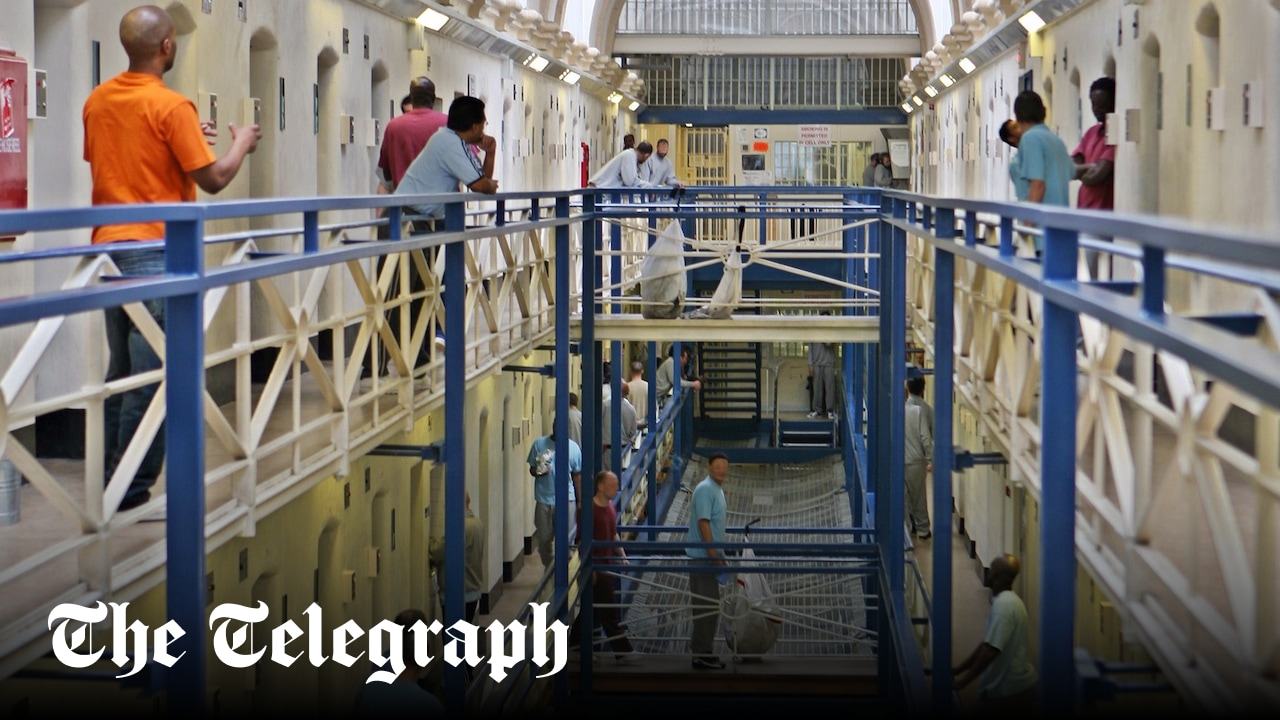
iven the frayed and depleted state of the public sector, it is not surprising that prisons in England and Wales are struggling to escape from a sense of perpetual crisis. Recent days saw the latest in a series of urgent notifications. These put a prison in special measures, and require ministers to produce an action plan within a month. Inspectors found that Woodhill in Milton Keynes is unsafe while a report on another failing prison, Swaleside in Kent, pointed to high levels of violence, staff shortages and education cuts.
David Lammy, who was shuffled into the role of justice secretary as a result of Angela Rayner’s hasty exit from government, is busy with the alarming push to remove most defendants’ right to a jury trial. So the implementation of recent sentencing reforms, and problems inside jails, have largely been left to the prisons minister, James Timpson. While there is no doubting his personal commitment, good intentions will not be enough.
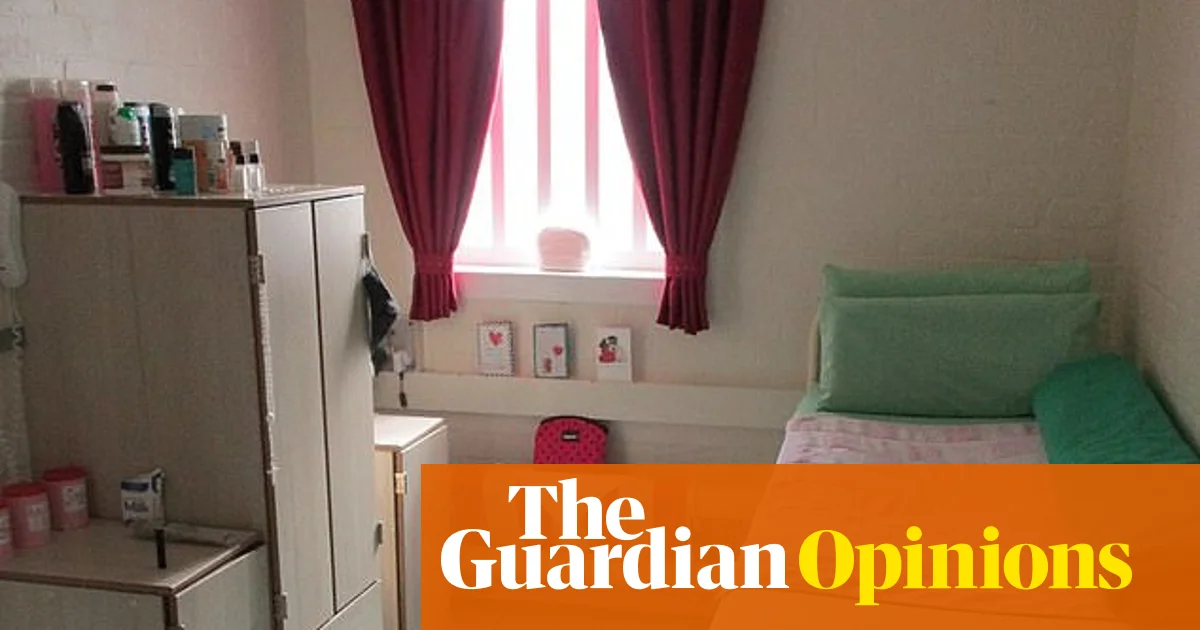
The first report from the reformed women’s justice board included some welcome proposals. One is that there should be a strong presumption against imprisoning pregnant women. But previous pledges to improve the way that mothers are treated have not been honoured. Earlier this month the Guardian reported scandalous details of women being shackled to guards while giving birth. While the women’s board has been compared to the youth justice body set up by New Labour, its role is advisory and it lacks the commissioning budget which was one of the youth board’s key features.