Fixing prisons, hospitals and local councils means rejecting austerity’s logic and recognising that state spending builds competence, not waste
T
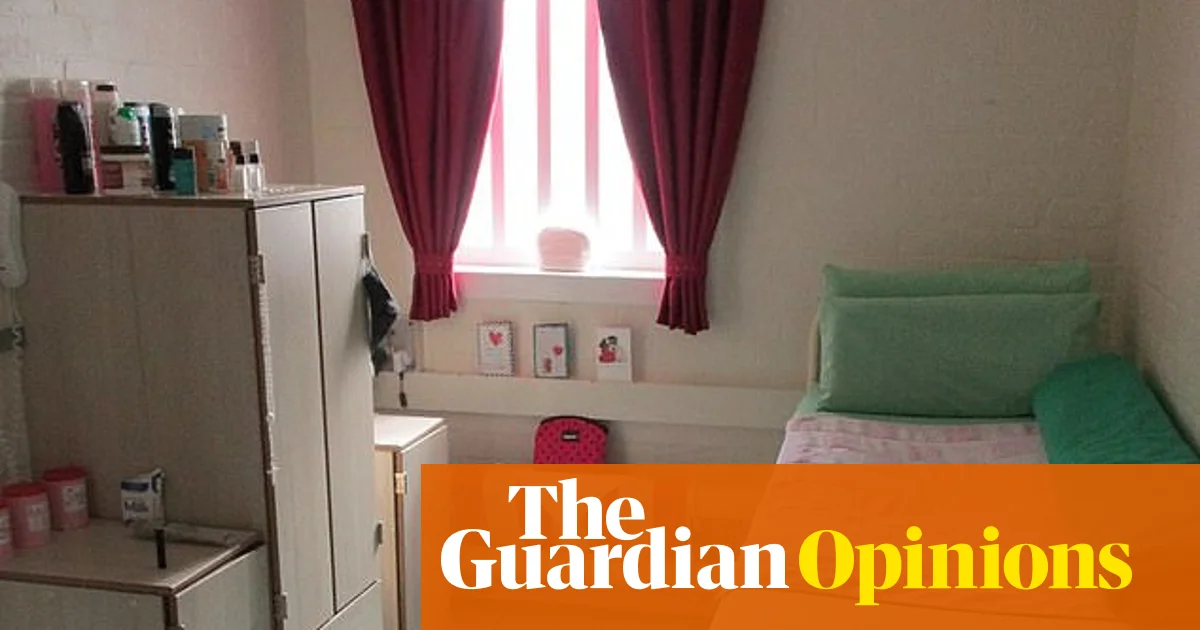
he fiasco over the accidental release of Hadush Kebatu, who was serving a sentence for sexual assault and due to be deported from HMP Chelmsford, is a symptom of a wider problem. What ails the British state is that it has built, and is building, what it cannot seem to maintain.
A decade of attrition has hollowed out public services to the extent that they struggle to function coherently or plan beyond the next crisis. Under the Tories, state spending grew by just over 1% a year – well below the long-run trend of 2.6% per year. This hides the fact that Britain’s fiscal story since 2010 has been an emphasis on capital spending that sends ministers reaching for hard hats, but doesn’t keep the lights on. However, investment without maintenance is just decay.
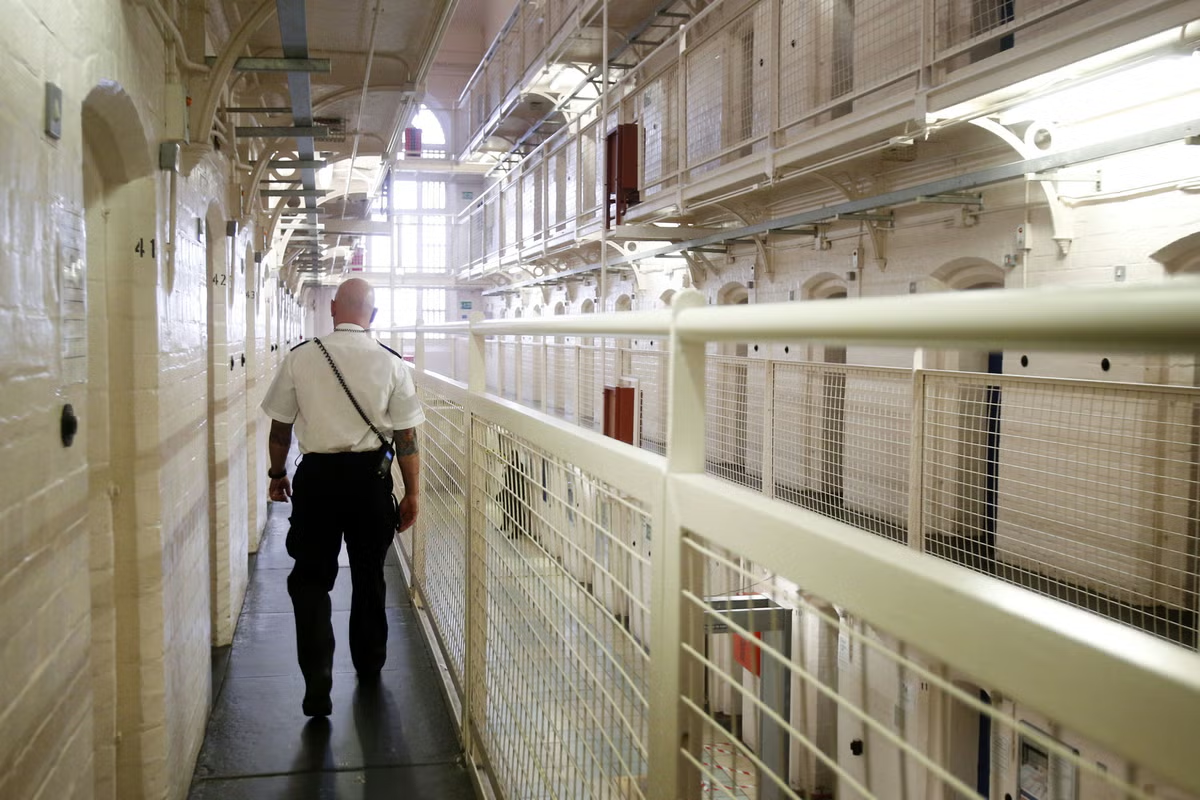
The justice secretary, David Lammy, is right to blame the Conservatives for the failings in state competence. Under Tory austerity, prison budgets were cut by a quarter and a 30% loss of staff gutted the system. As Cassia Rowland of the Institute for Government observes, the result is a “slow-motion collapse”: a service now staffed largely by overburdened, inexperienced personnel. Even if one officer slipped up with Kebatu, the system is not working. There were 262 mistaken releases last year – double that in 2023, and quadruple that in 2014.