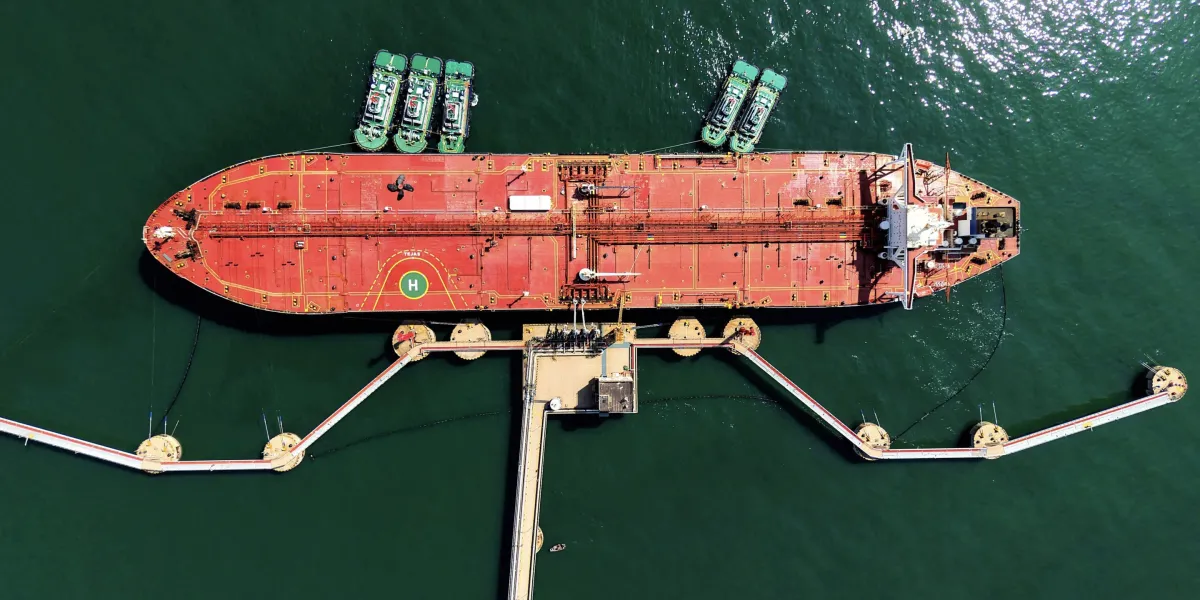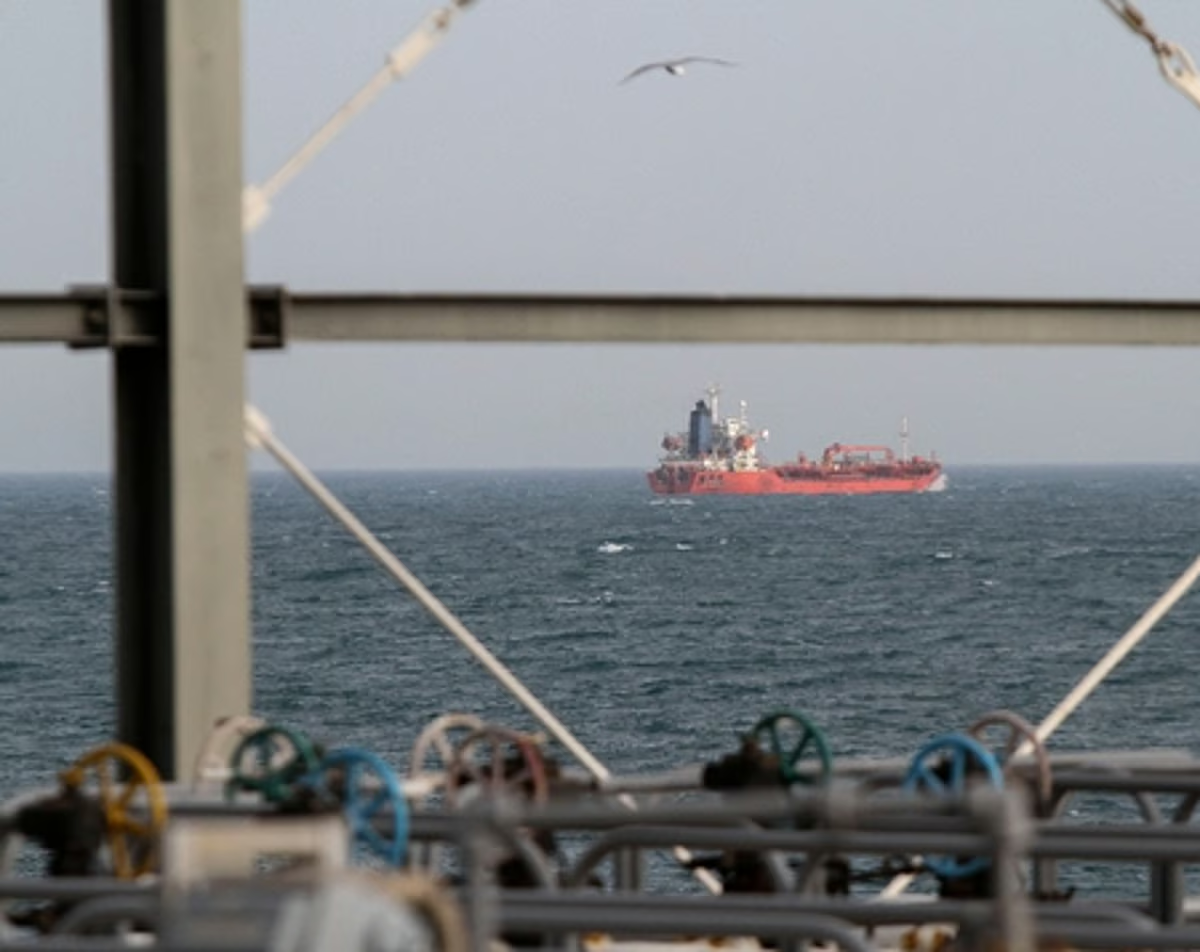
In 2020, Covid shut down global supply chains and sent inflation surging. In 2022, Russia’s invasion of Ukraine triggered a global energy and food price shock. U.S. tariff policies in 2025 disrupted global trade and helped to stall a long-awaited retreat in domestic inflation. Now, in 2026, we have war in the Persian Gulf. Commerce has frozen in the Strait of Hormuz — and the script looks eerily familiar.
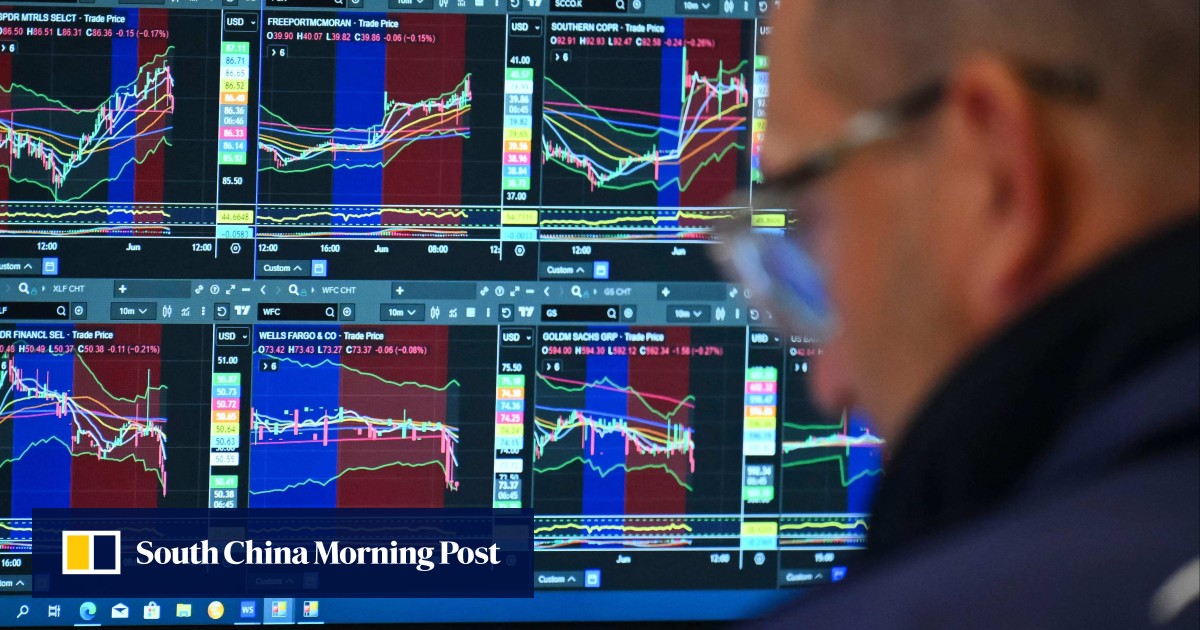
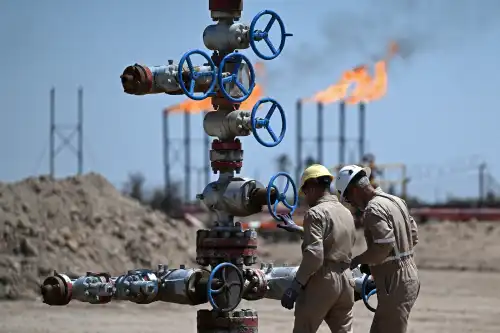
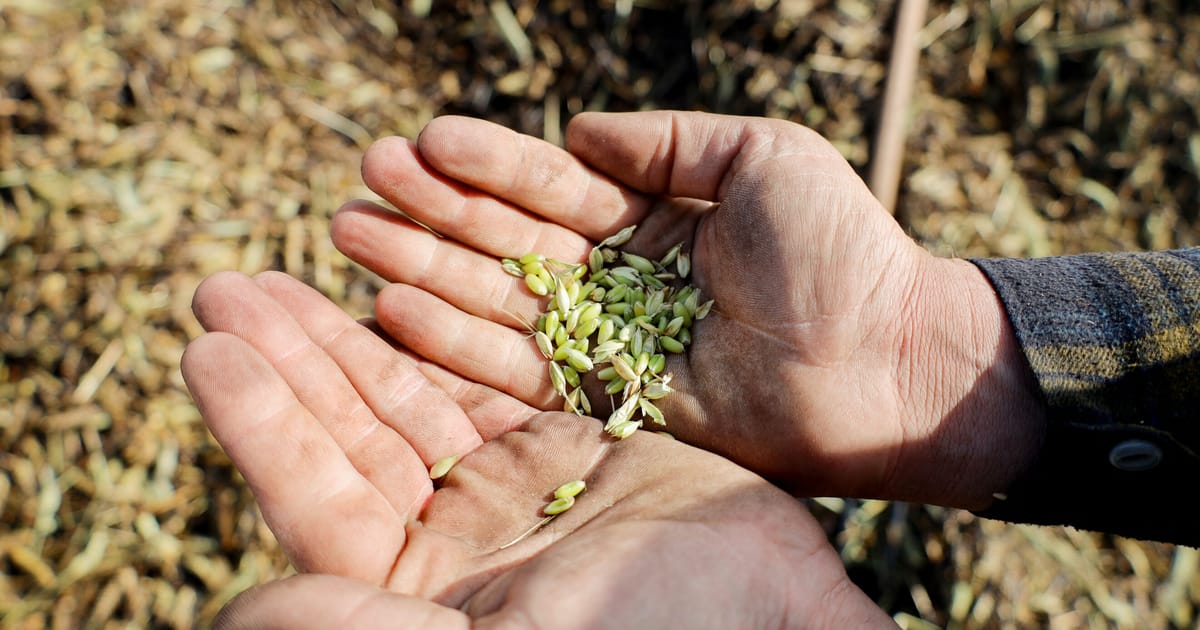
Gasoline prices are rising — up more than 30% in a month, the largest increase in such a short span since Hurricane Katrina in 2005. Fertilizer is stuck at Middle East export hubs, potentially disrupting planting seasons from Iowa to Africa. Stock prices are falling. Economists are again talking about recession risks. Diesel is up nearly 40%, topping $5 a gallon — a serious problem for an economy where trucks, ships, trains, and farm equipment all run on it.
Four supply shocks in six years. At some point, you have to stop calling it bad luck.
It is time to start asking whether supply shocks are coincidence – a series of uncorrelated, unfortunate events – or whether something larger is going on that has changed the economic landscape for the long-term. If something has changed, then we need to start rethinking our models for how business and the economy work.