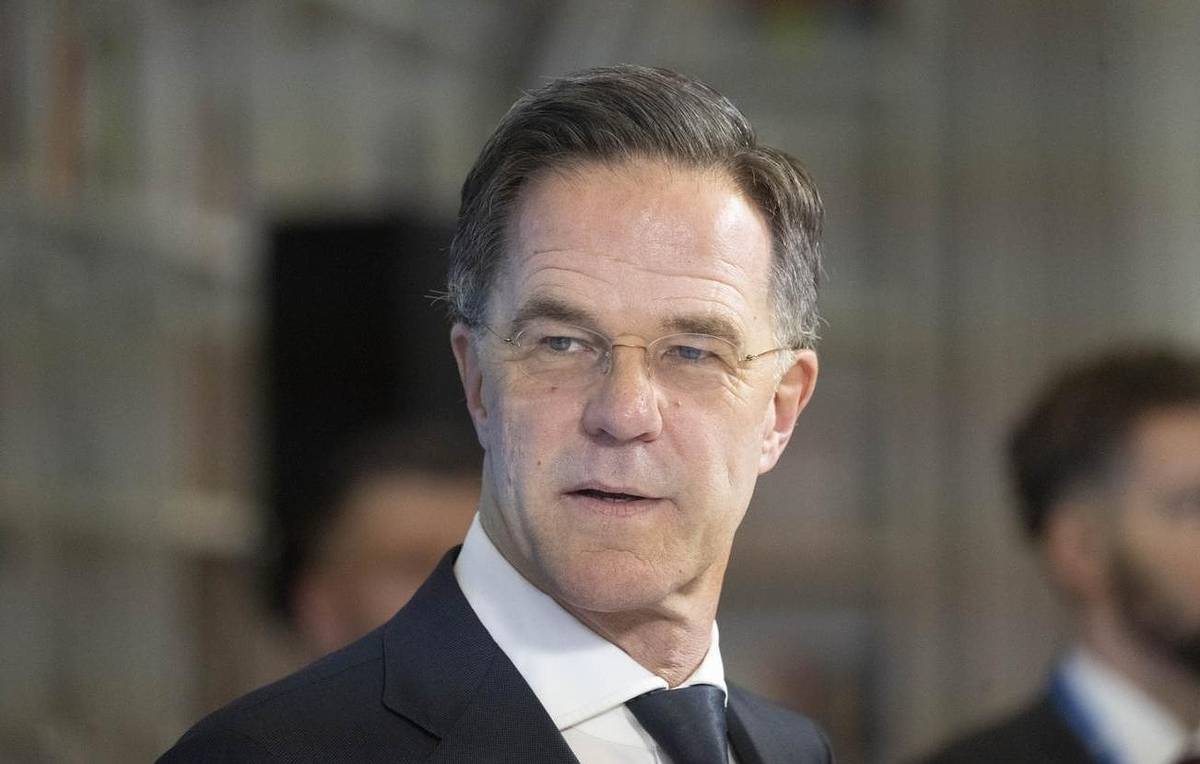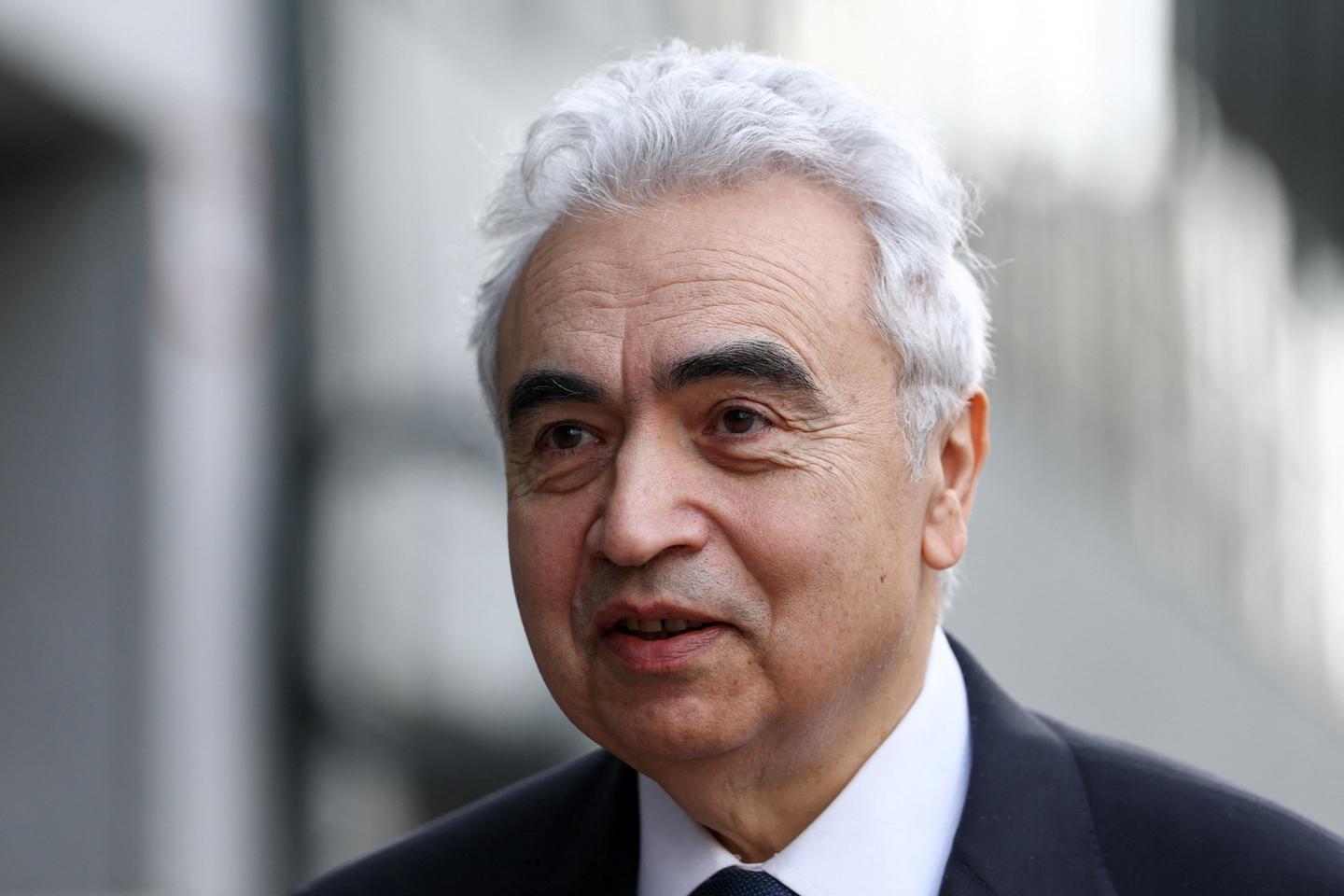
Fatih Birol, executive director of the International Energy Agency, ahead of a press conference on global energy market developments in Brussels, March 6, 2026. YVES HERMAN/REUTERS
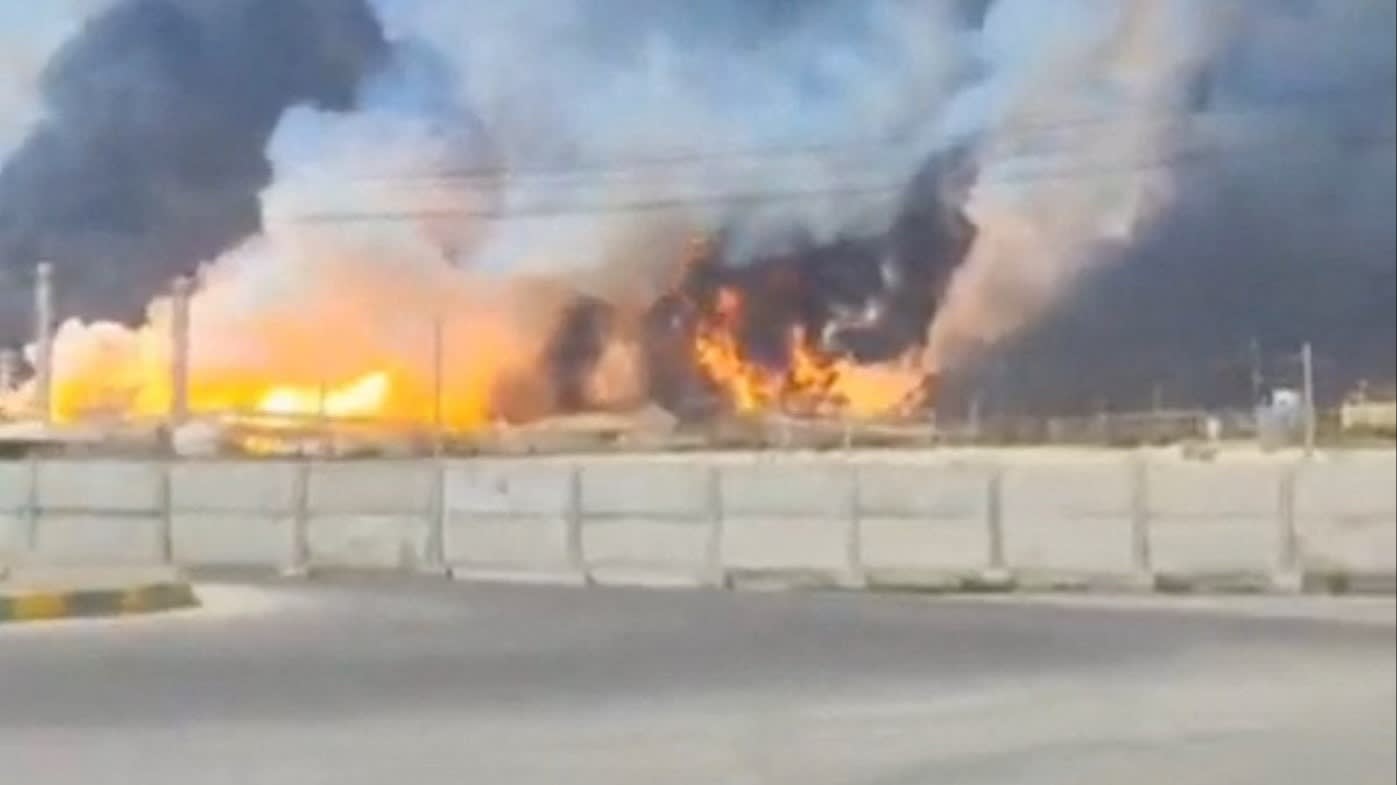
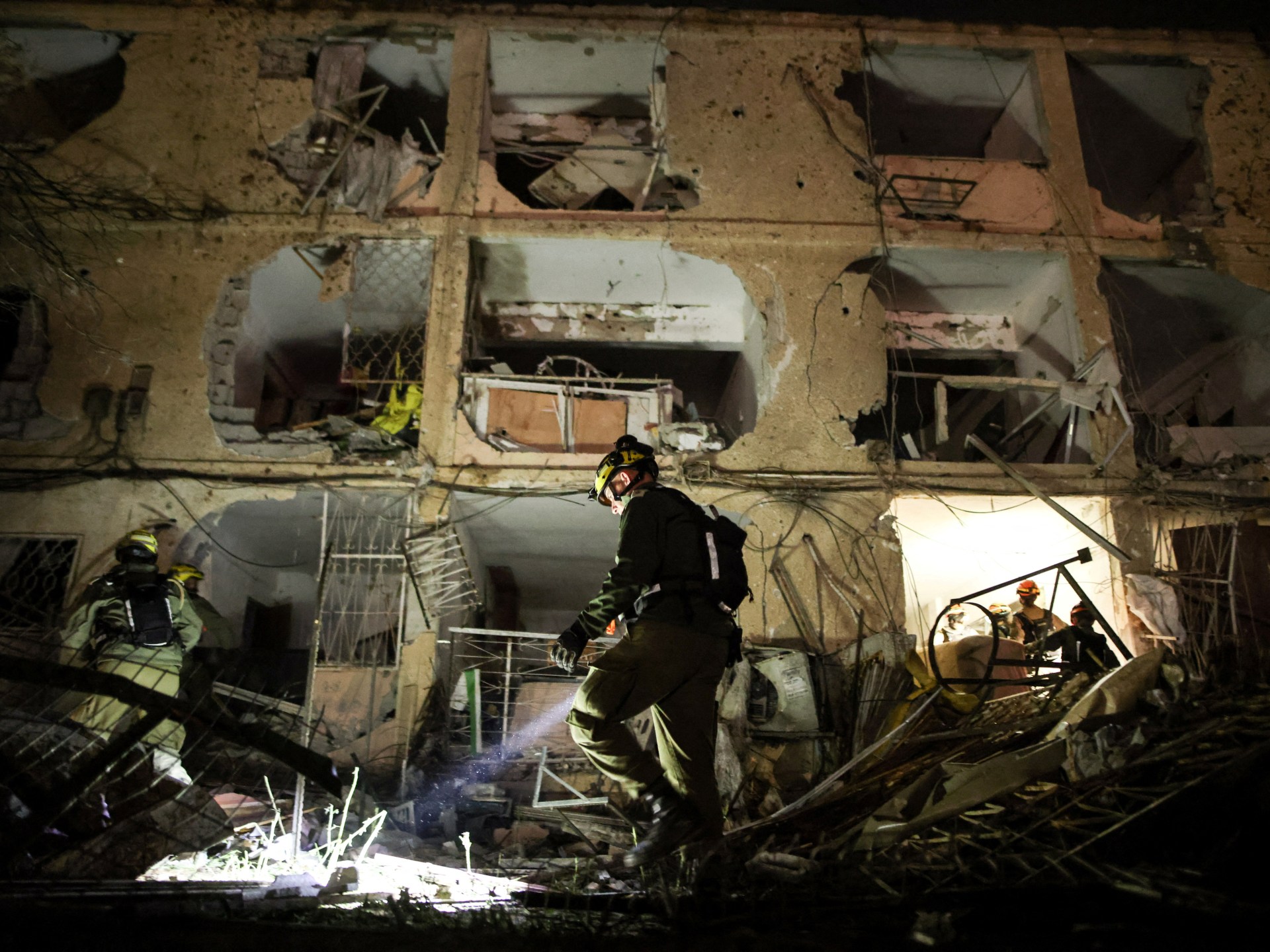
"We are facing the greatest global energy security threat in history": The bleak warning comes from one of the world's leading energy market watchdogs. In an interview with Le Monde on Friday, March 20, Fatih Birol, executive director of the International Energy Agency (IEA), bluntly summed up the scale of the crisis triggered by the war in the Middle East. In just three weeks, the conflict has sent oil and gas prices soaring.
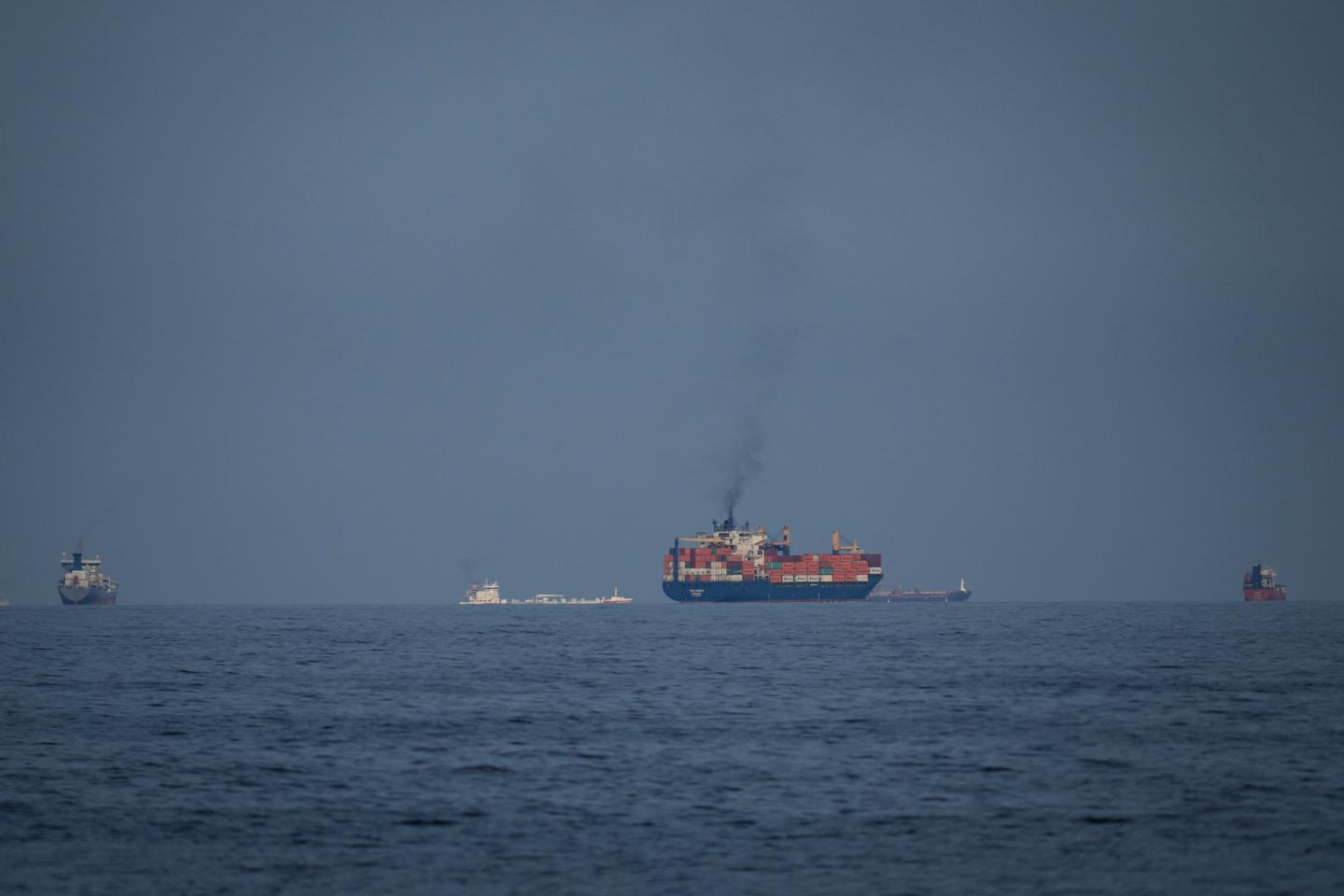
Before fighting broke out, about 20 million barrels of oil passed through the Strait of Hormuz each day. The paralysis of this maritime artery, now exposed to missile and drone attacks from Iranian forces, and the production cuts forced upon oil-exporting countries in the Arabian Gulf, have already deprived the market of 11 million barrels per day (crude and oil products), according to the IEA chief's estimates. "Today, we have lost more oil than two shocks in the 1970s combined," Birol said, recalling that in both 1973 and 1979, losses amounted to five million barrels a day.
Subscribers only