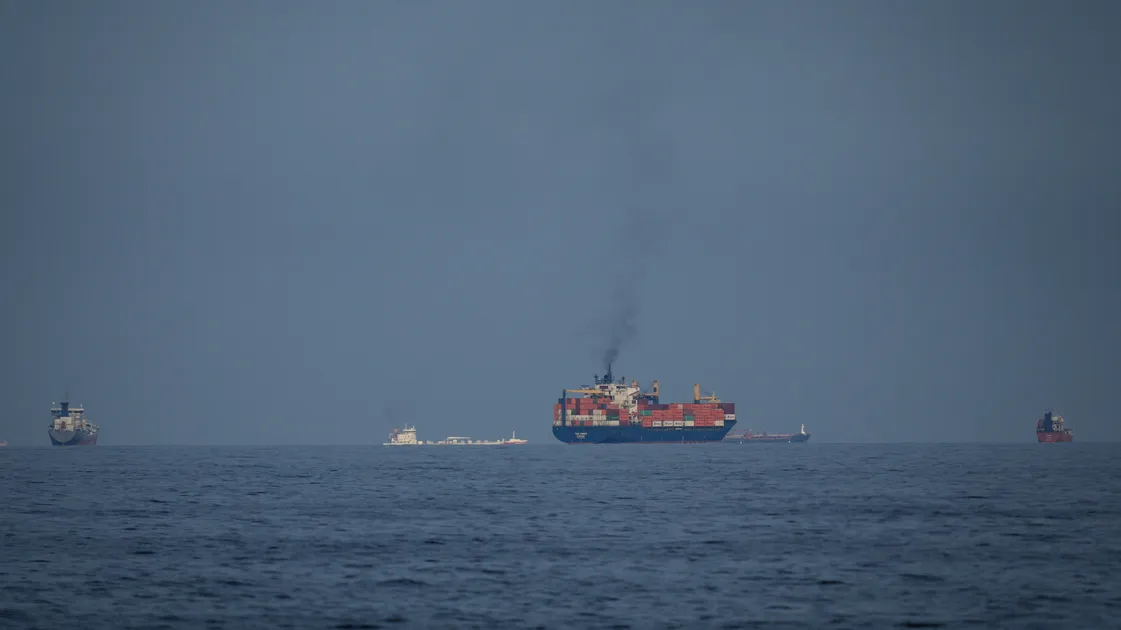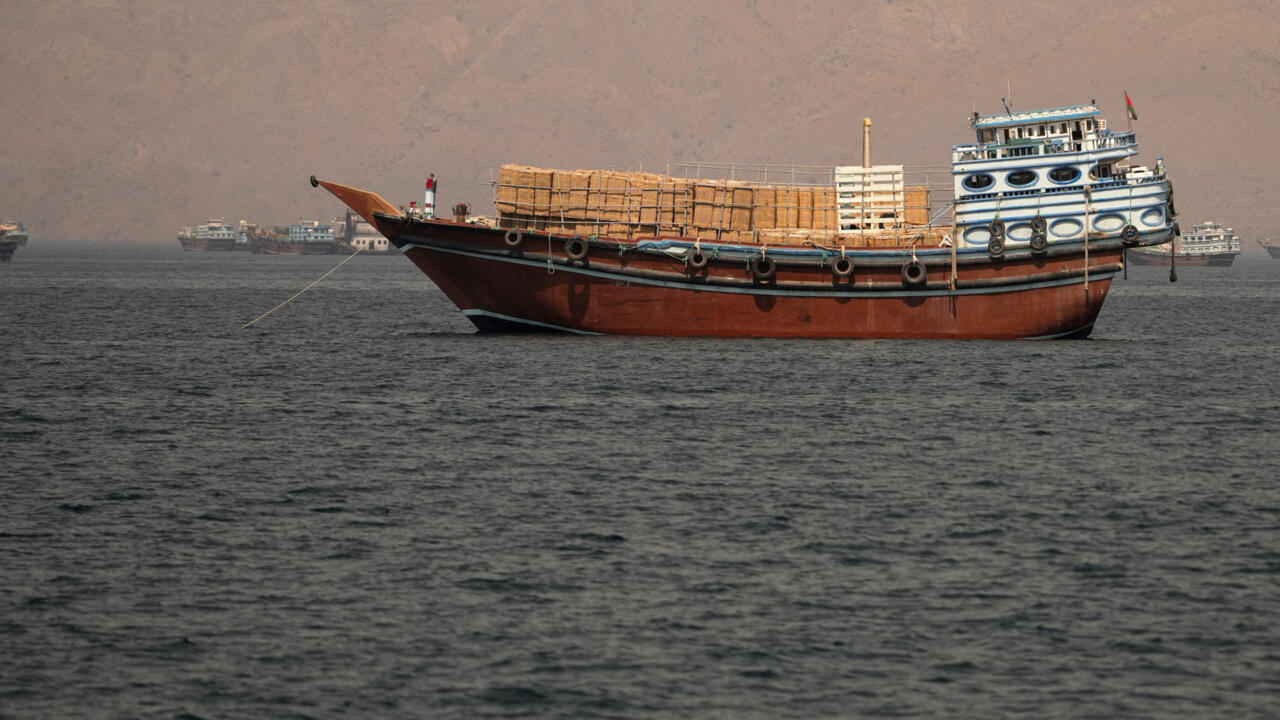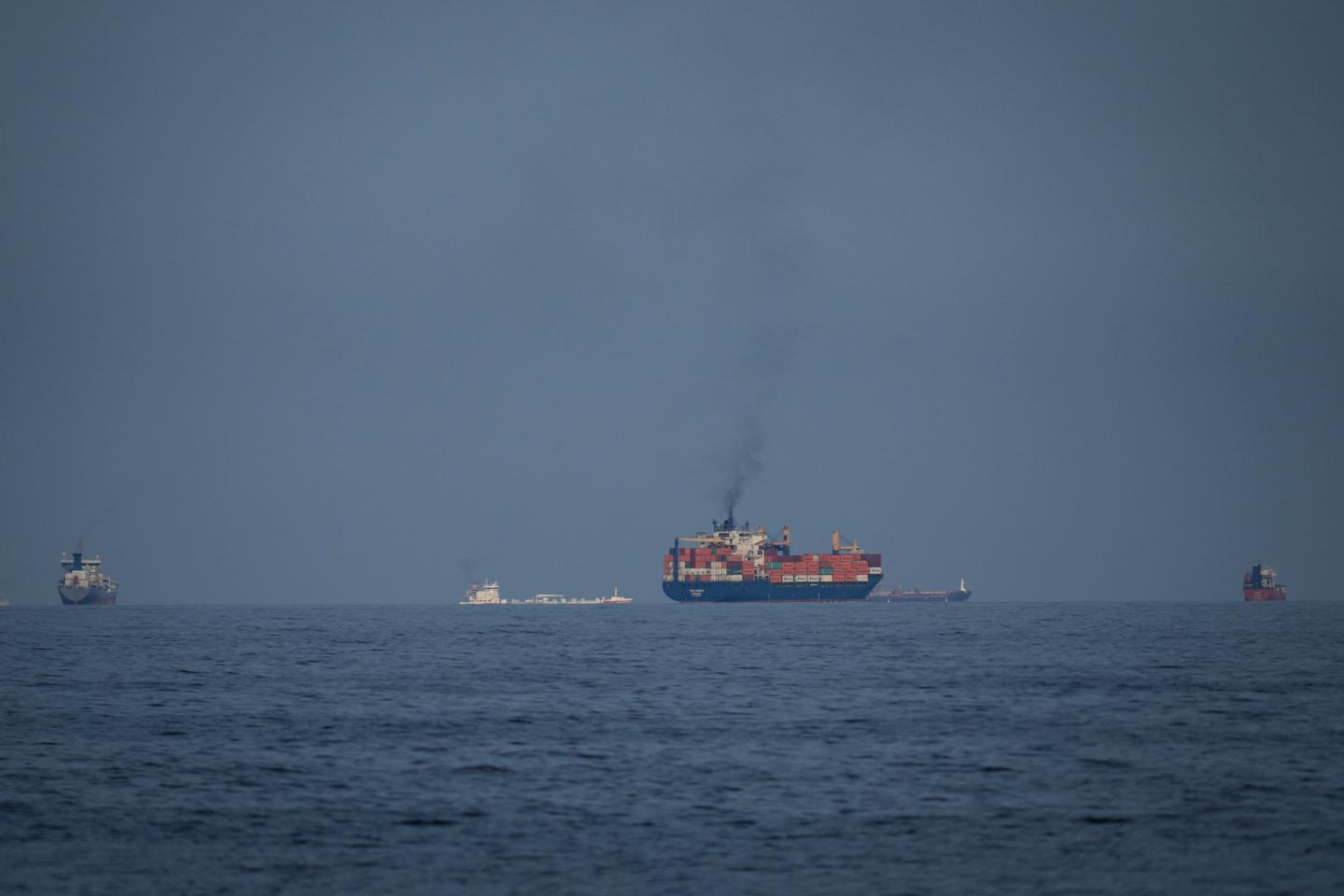
View of the Strait of Hormuz from Khor Fakkan (United Arab Emirates), March 11, 2026. ALTAF QADRI/AP
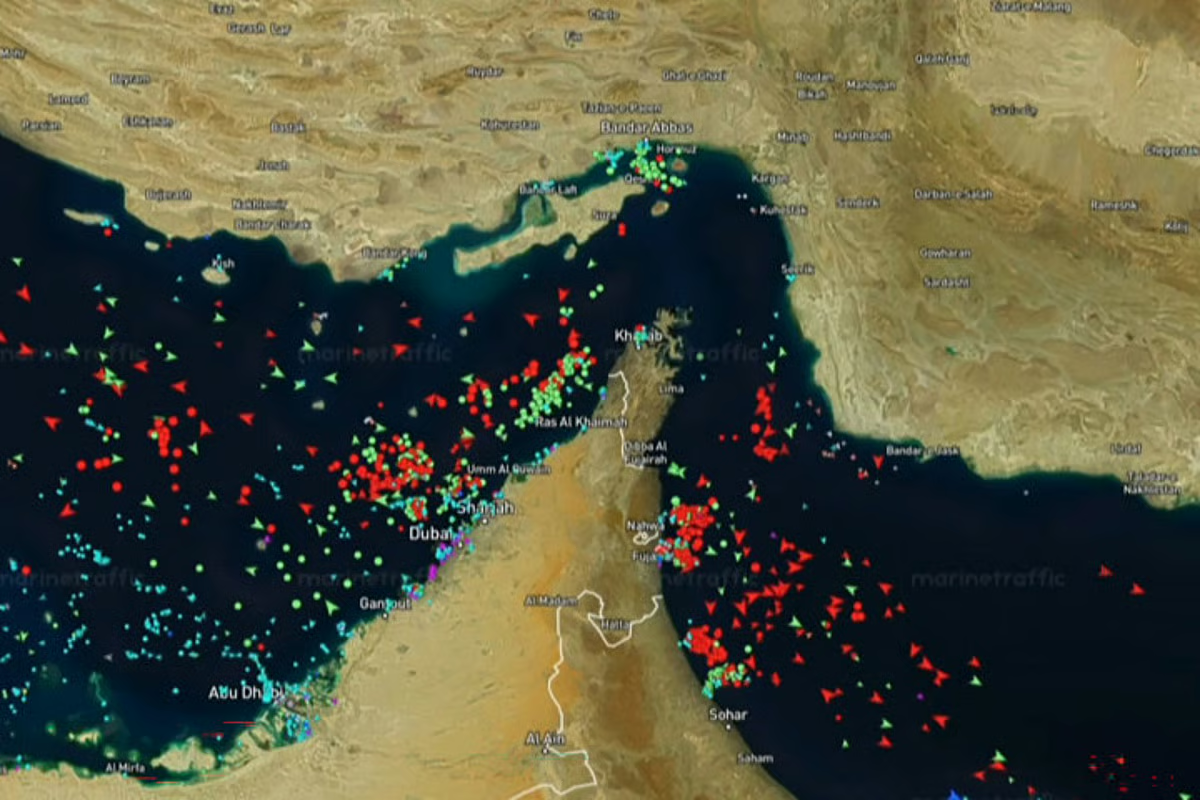
Since Sunday, March 15, US President Donald Trump has been calling on his allies in an effort to secure their military support to unblock the Strait of Hormuz. So far, he has not succeeded, as the mission appears too risky. As "Epic Fury," the operation launched by the United States and Israel against Iran on February 28, enters its 19th day, this key chokepoint for the global economy is becoming the scene of an asymmetric naval battle with highly uncertain results.
"When 'Epic Fury' was launched, there was a possibility that this crisis would be contained, that it would last only a few days, without any naval spillover," Sylvain Domergue, professor at Sciences Po Bordeaux and author of Géopolitique des espaces maritimes ("Geopolitics of Maritime Spaces"), said. "But with the death of Ayatollah Ali Khamenei, the supreme leader, the Iranians had no choice but to respond with their maximum option. Since they do not possess nuclear weapons, blocking the Strait of Hormuz became their weapon of last resort. (...) The threat of closing the Strait of Hormuz has been a doctrine explicitly set out in writing by the Iranians since 2006," Domergue explained.