T
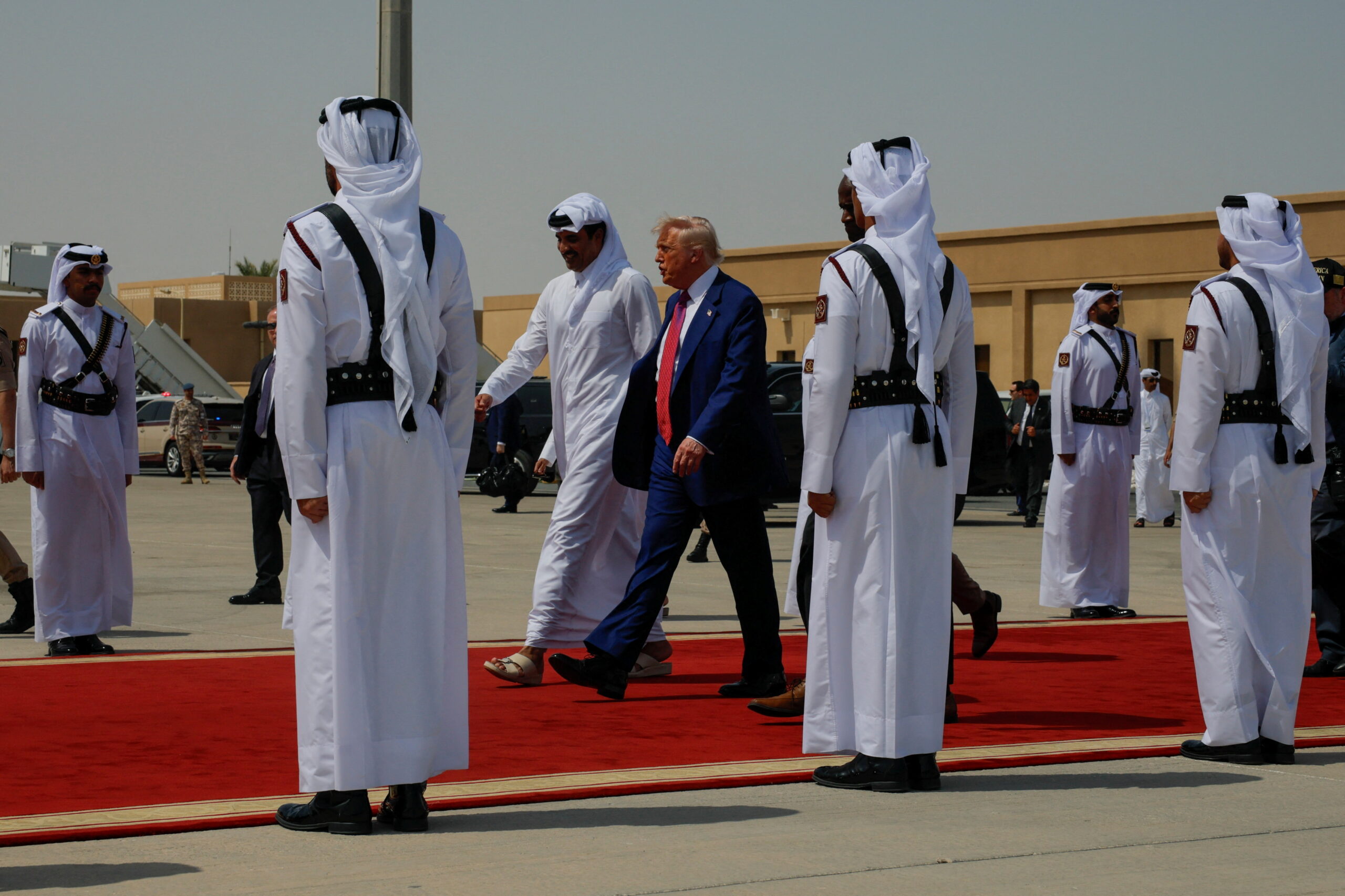
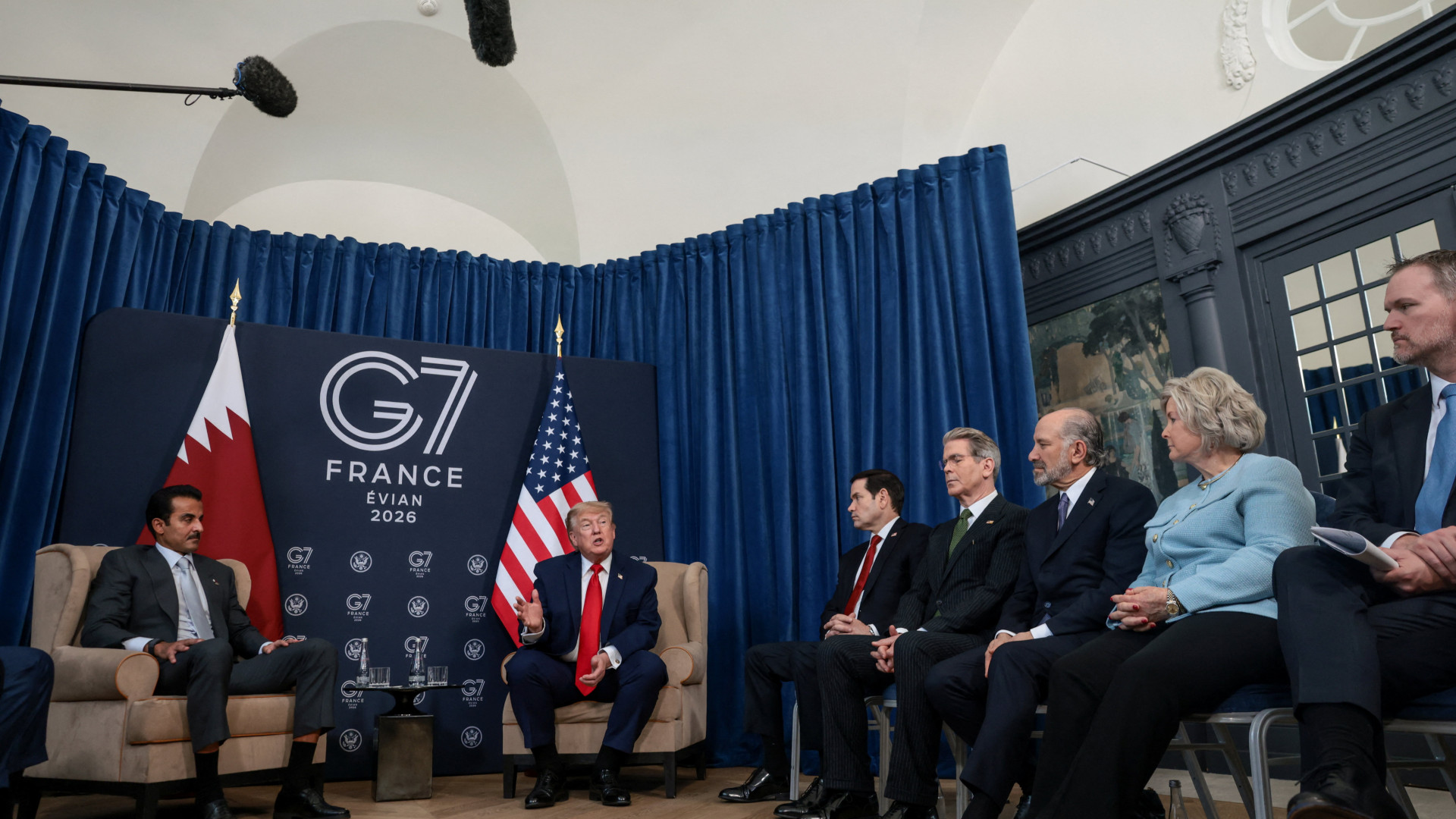
he Gulf monarchies have historically favored a defense strategy based on alliances with extra-regional powers. This approach proved fully effective during the Iraqi invasion of Kuwait in 1990. At the time, the United States, backed by a United Nations resolution, assembled a large international military coalition to liberate the country. The US then established a massive military presence along the whole length of the Arabian shore of the Gulf, becoming the monarchies' main security guarantor.
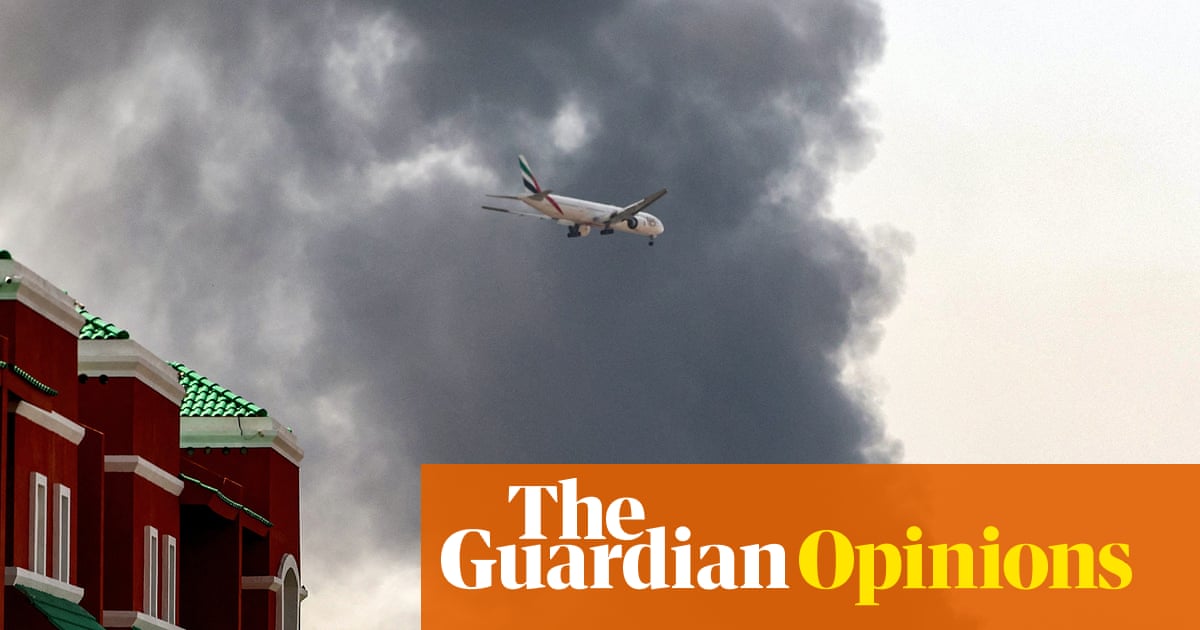
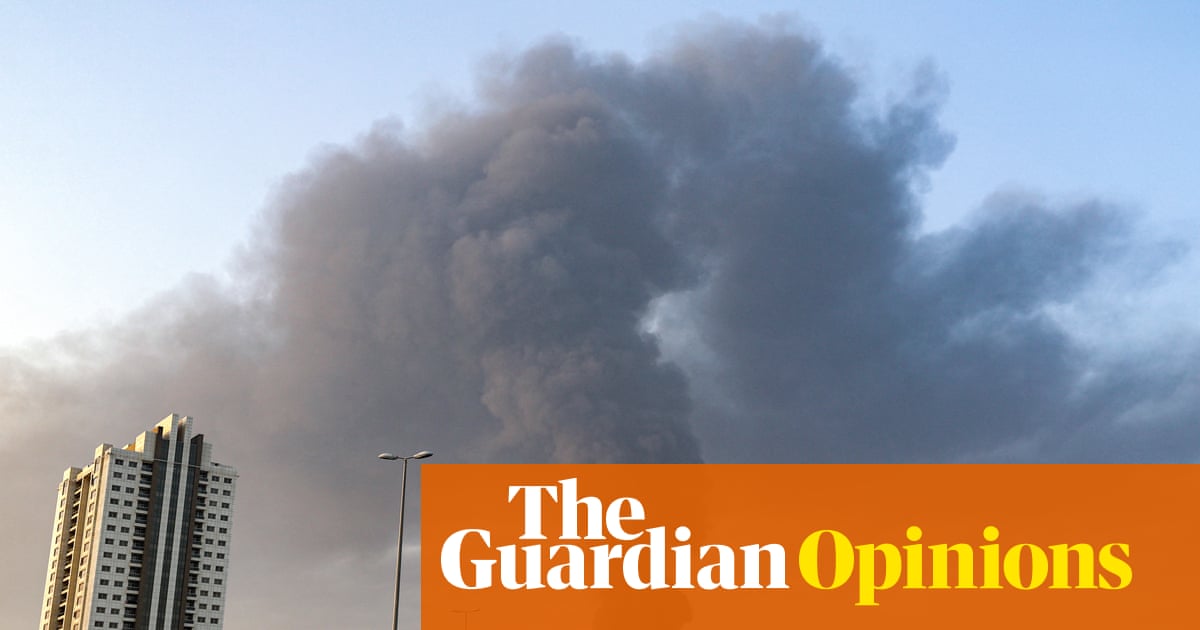
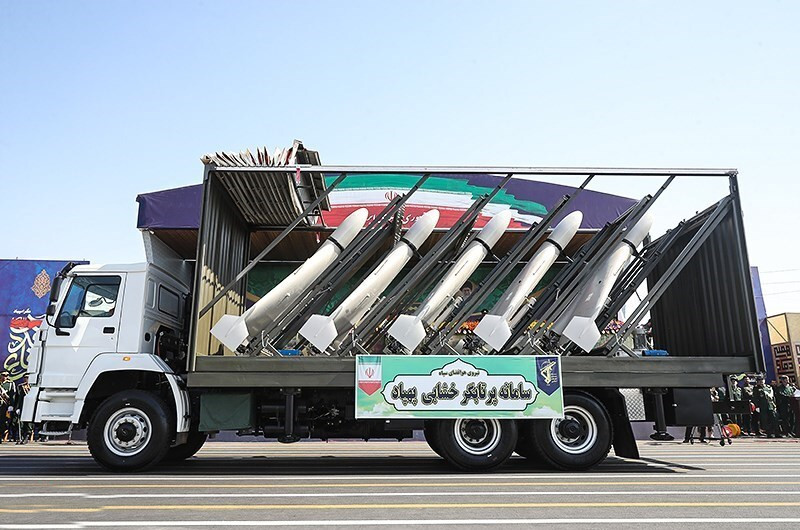
The main threat is no longer Iraq, but Iran, whose relations with its Gulf neighbors have historically been tense, though they have never escalated into military conflict. From this perspective, the Iranian attack on these regional monarchies, which began on February 28, was unprecedented. Launched in retaliation for the US-Israeli attack on Iran, the offensive showed that, for the Gulf states, their primary security guarantor had, itself, become a source of insecurity.
Subscribers only
US-Israeli strikes on Iran: Gulf monarchies face a dilemma after Iran's retaliation attacks target them