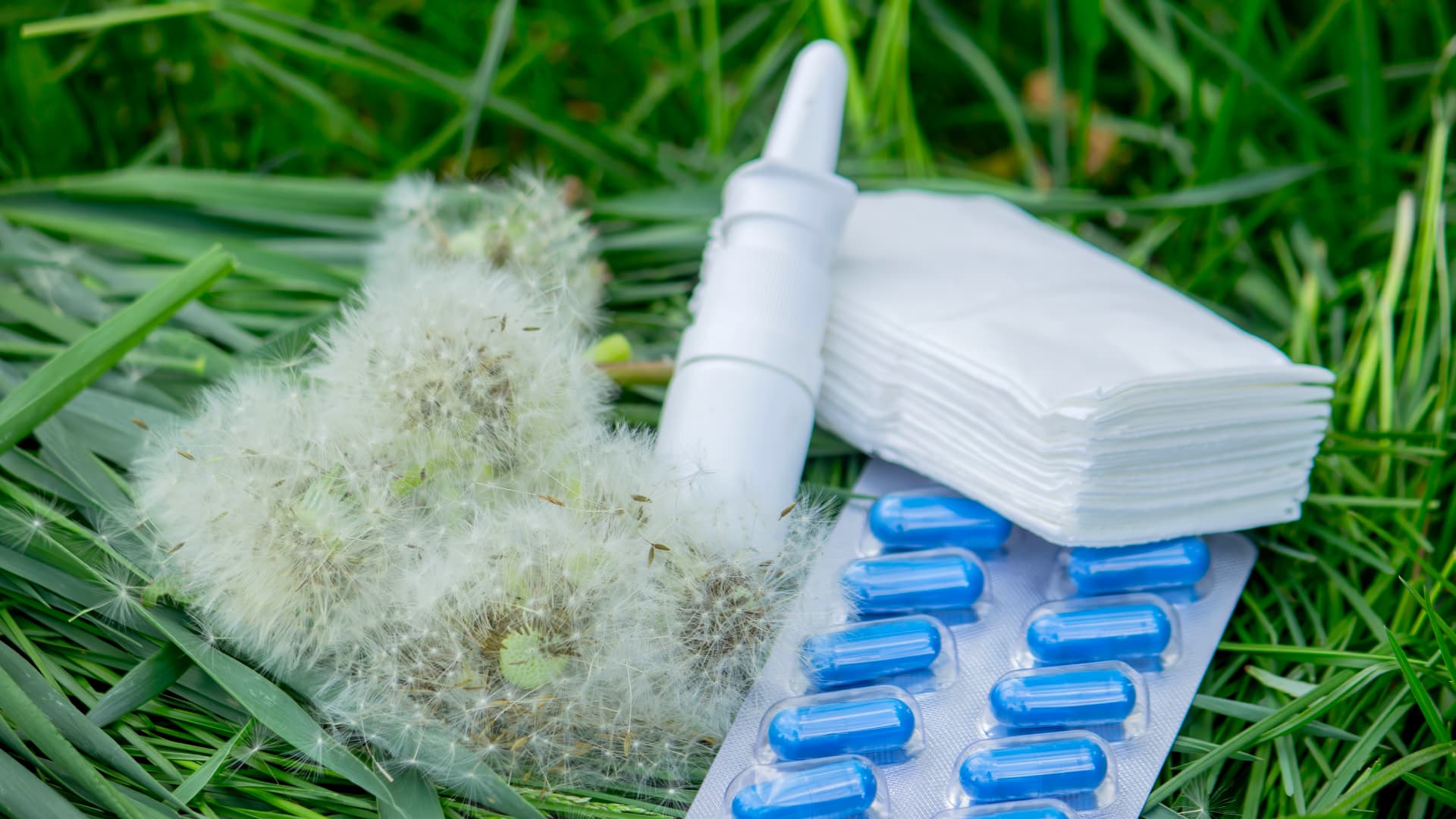
Across the U.S., spring allergy seasons are starting earlier, lasting longer and becoming more severe — and 2026 is no exception.
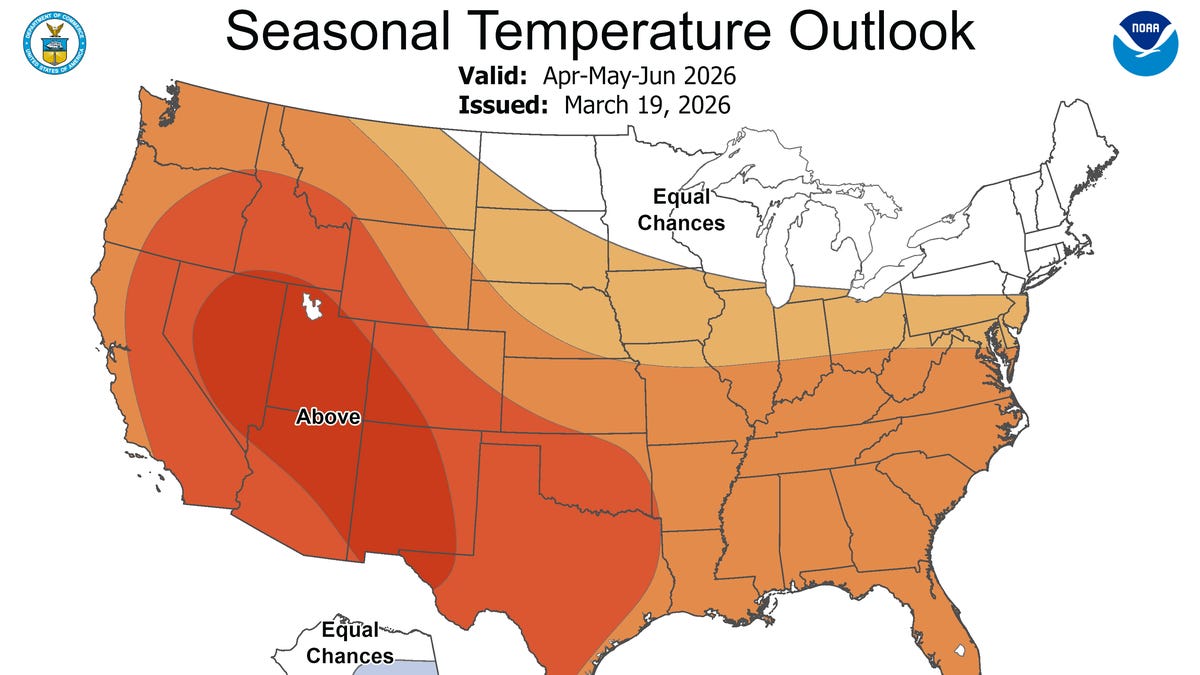
In parts of the Southeast, like Georgia, allergy season has already begun: It started in late February, rather than the usual early March. Some residents in the Southwest, including Arizona and California, are also already reporting allergy symptoms. Early starts could soon hit the Northeast and the Pacific Northwest, experts say.
“At first, I thought it would not be earlier [in 2026] because of the recent blizzard we had, but [last] week, the weather said otherwise,” says Dr. Purvi Parikh, a New York City-based allergist and immunologist. “I think we will see an earlier allergy season, which has been on track with [recent] previous years.”
DON’T MISS: The leadership skills that can help you stand out at work
Some of Parikh’s patients have already started reporting allergy symptoms, she says. This spring’s allergy season could be more severe than previous ones, she adds — a continuation from spring 2025, when people prone to pollen allergies reported stronger symptoms than normal.