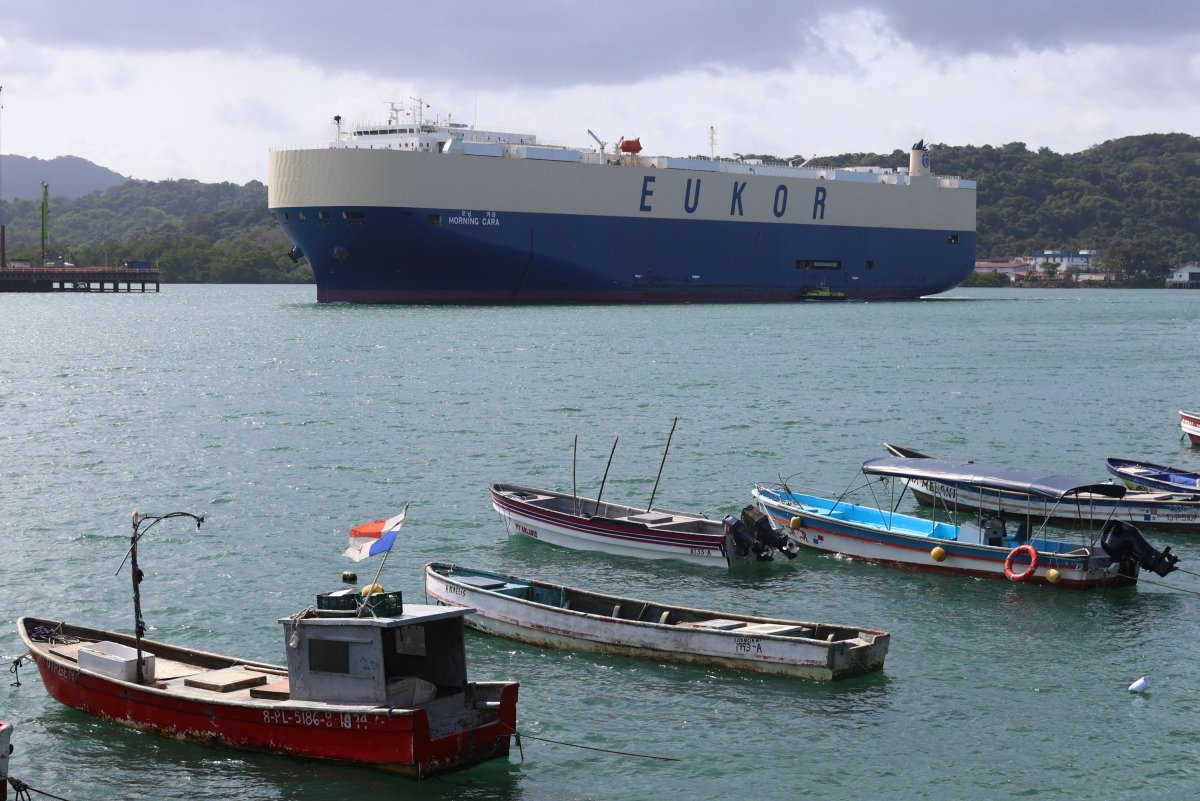
Panama and Paraguay now hold investment-grade status, yet each still faces the challenge of financing major infrastructure at a cost that keeps projects attractive over the long term. File Photo by Bienvenido Velasco/EPA
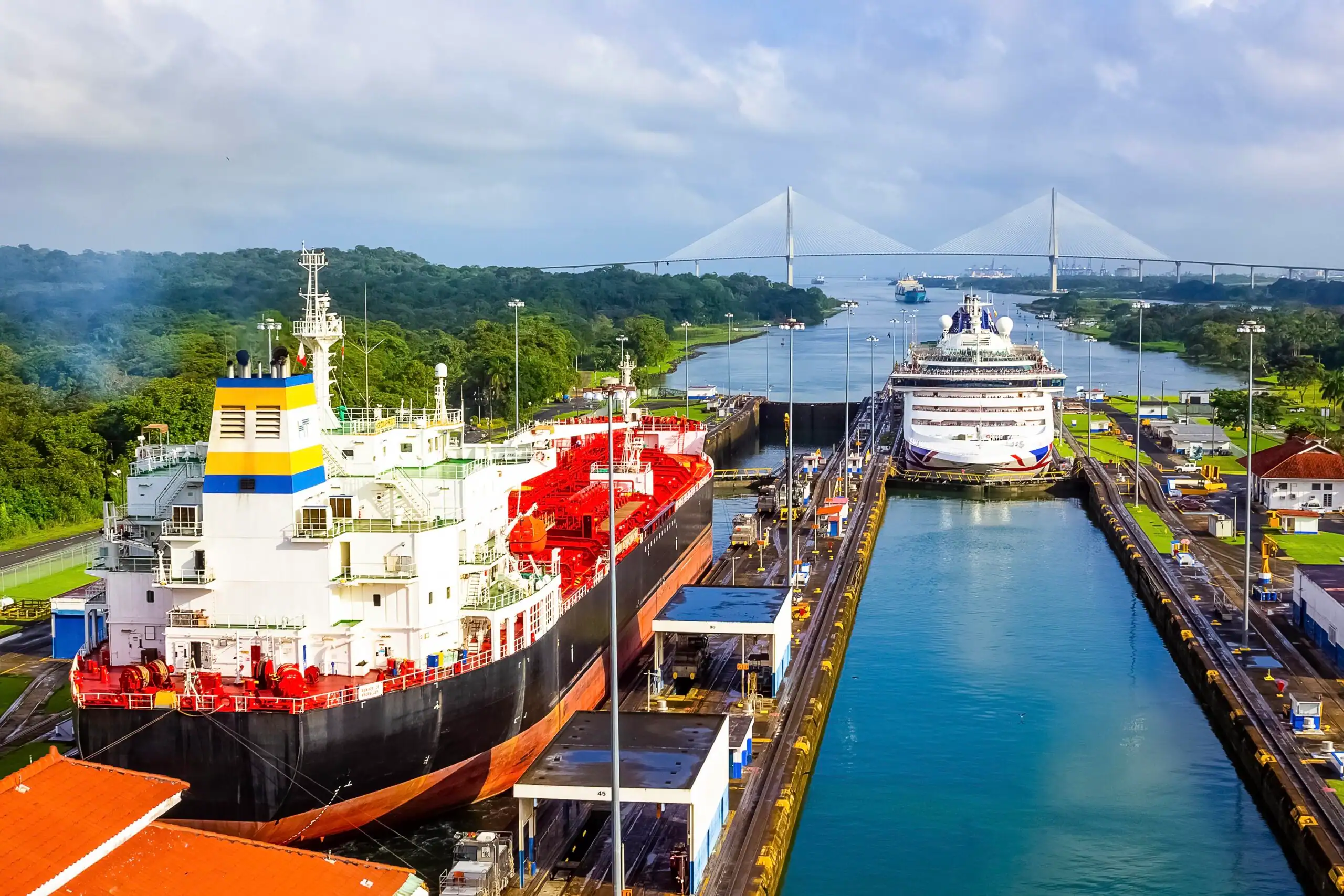
March 19 (UPI) -- Infrastructure is the skeleton of any economy that hopes to grow sustainably. Roads, ports, dams and canals all require long-term capital. They require a great deal of it and, above all, capital at a reasonable cost.
That is where much of Latin America runs into trouble.
Capital in the region is rarely cheap. The weighted average cost of capital, or WACC, often rises above 8% to 10%, and that is enough to undermine projects that may look viable on paper. The result is a familiar regional paradox: countries with clear strategic advantages still struggle to turn potential into execution.
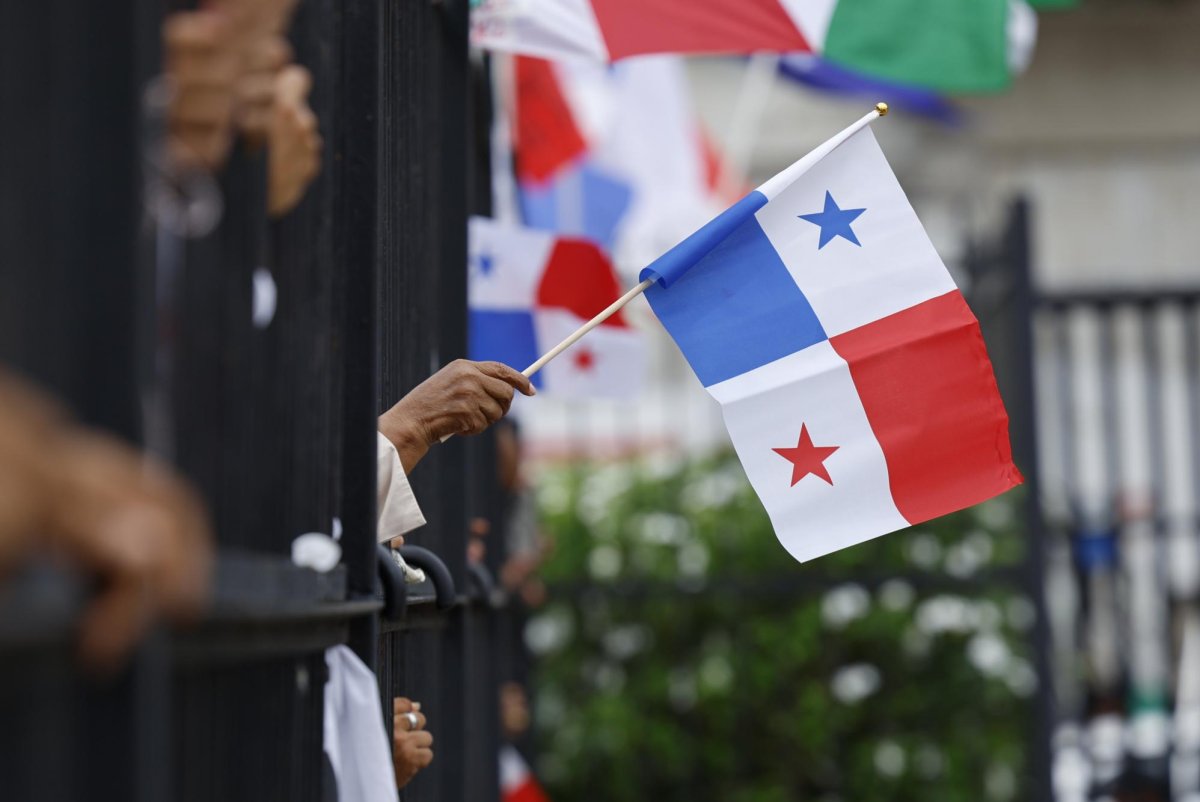
Two nearby cases help illustrate the point: Panama and Paraguay. Both now hold investment-grade status, yet each still faces the challenge of financing major infrastructure at a cost that keeps projects attractive over the long term.