MOSCOW, March 18. /TASS/. The United States and Israel clash on how to end the Iran war, while Moscow and Washington seem likely to agree on Crimea. Meanwhile, the Pakistan-Afghanistan conflict risks escalating into a full-out war. These stories topped Wednesday’s newspaper headlines across Russia.
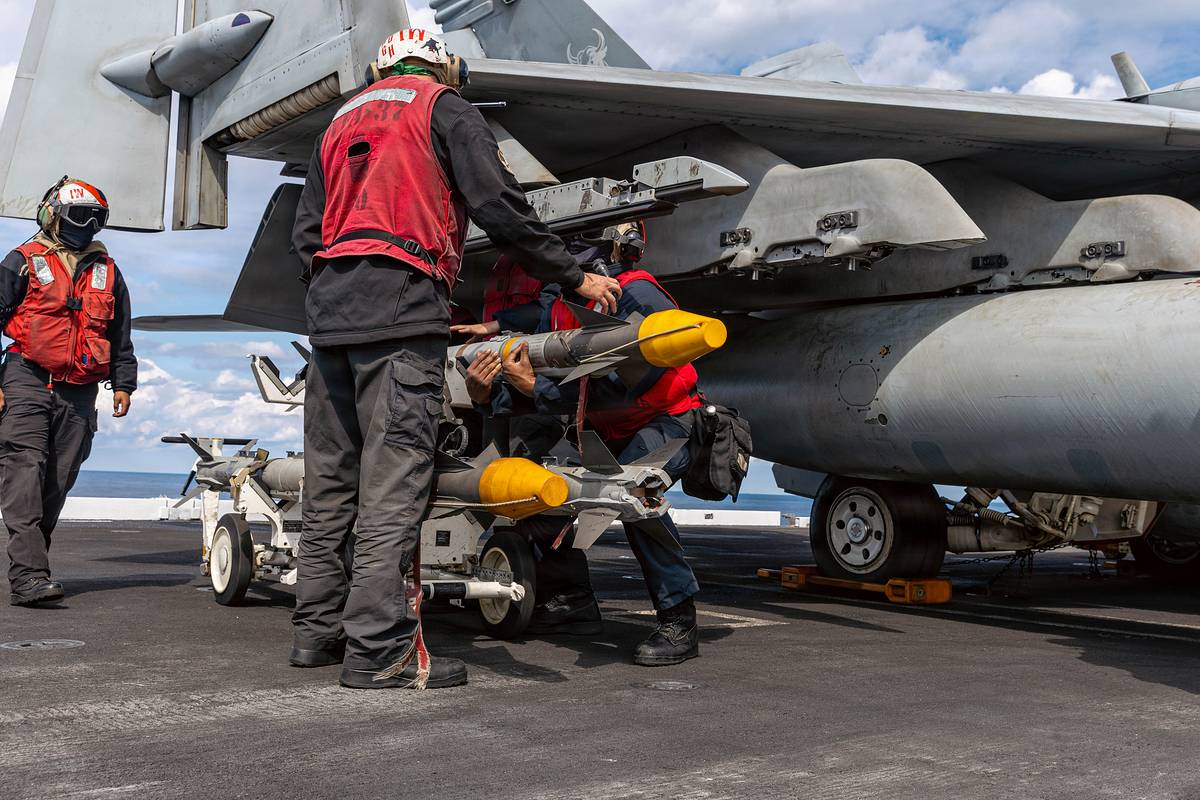
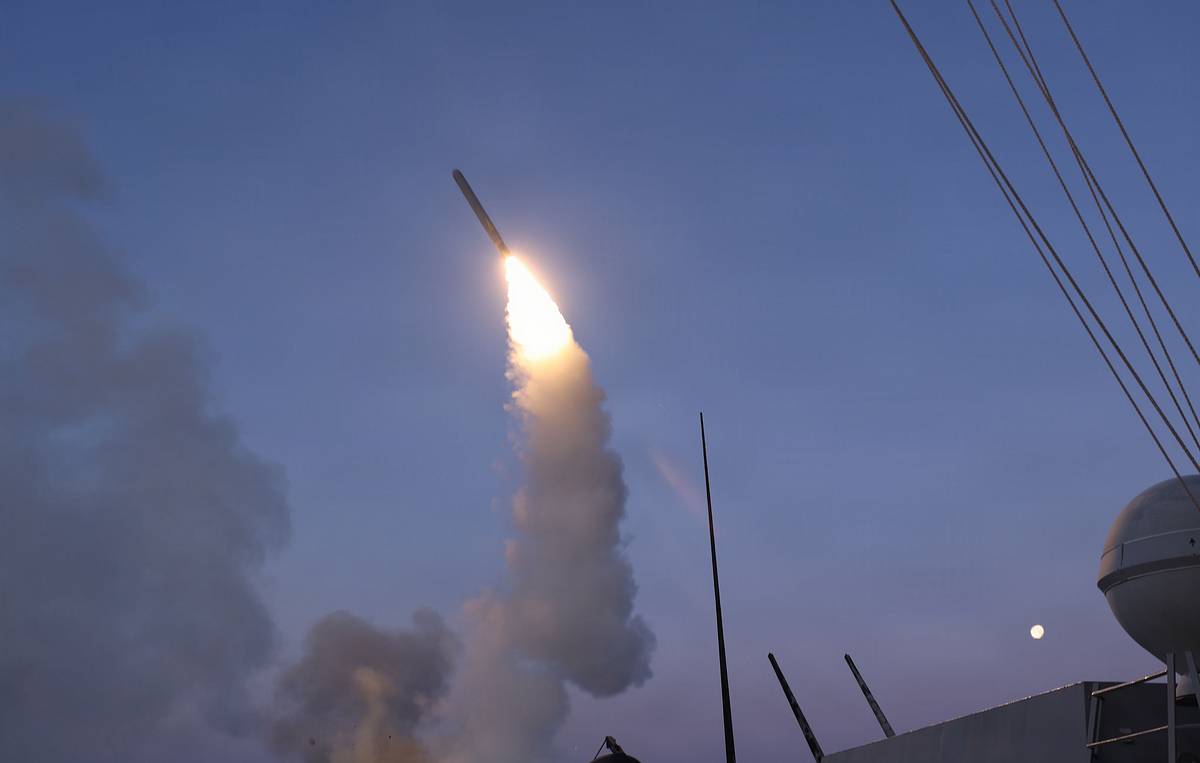
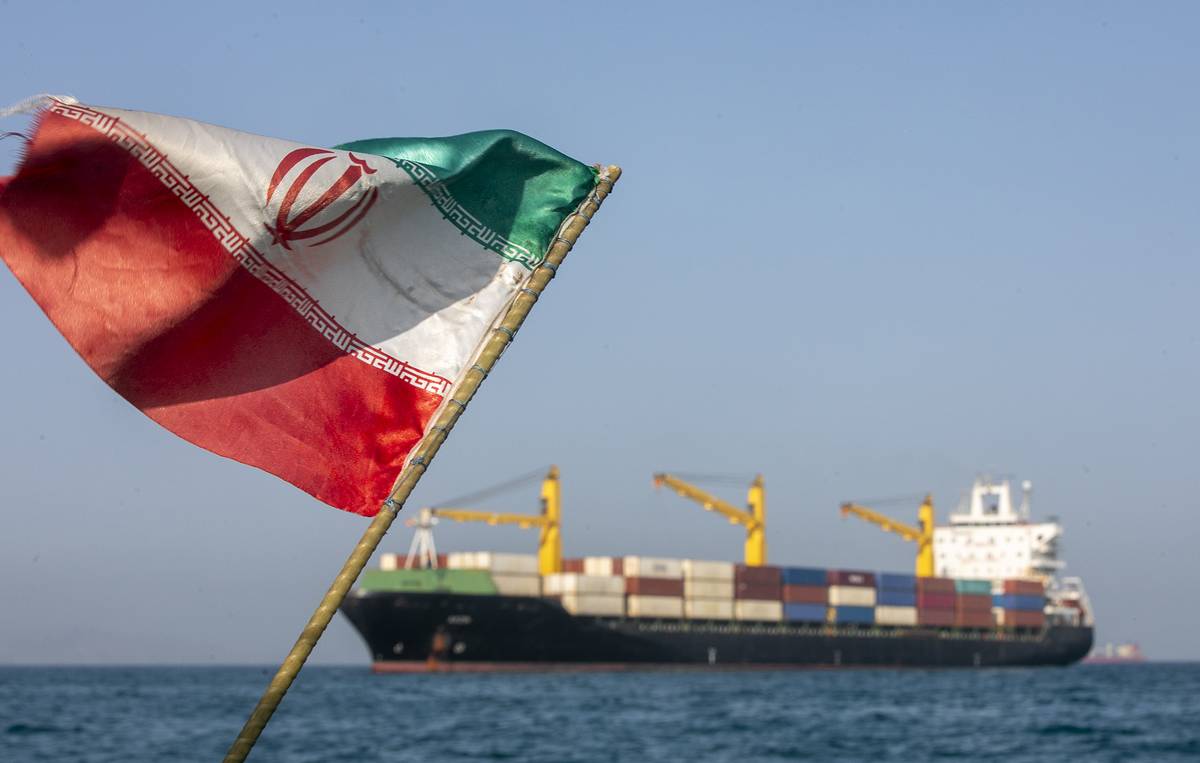
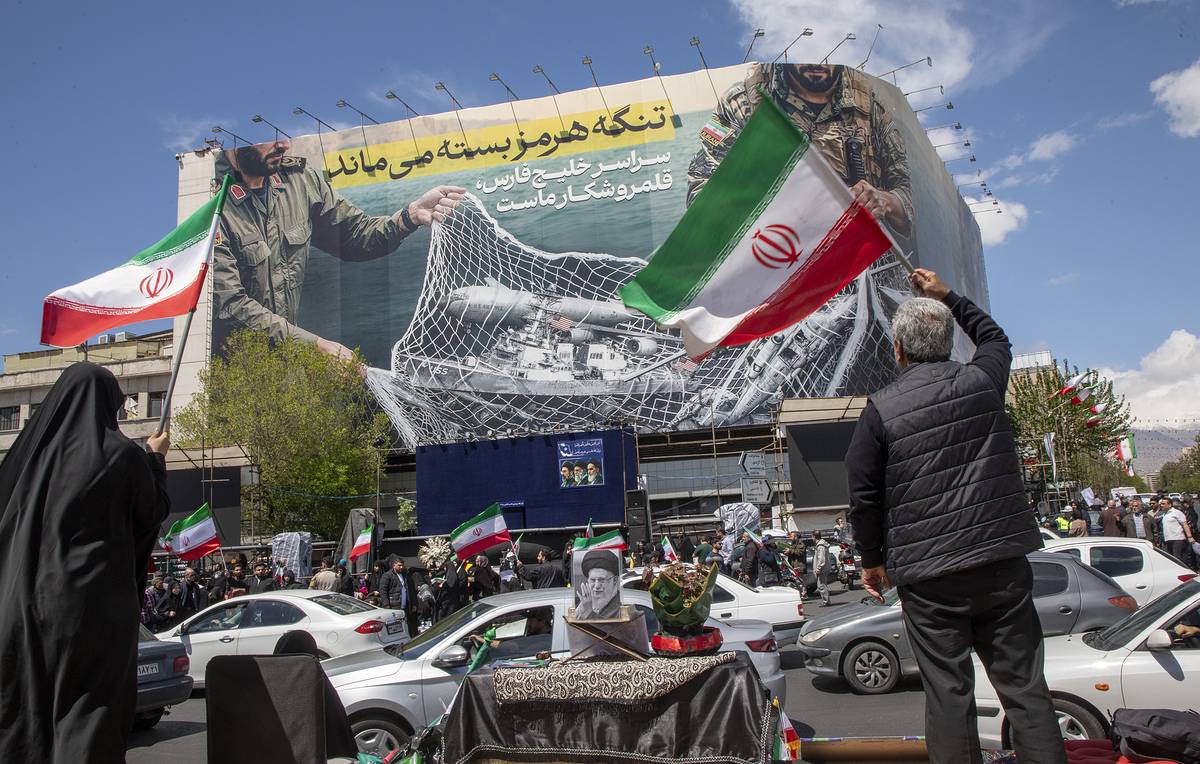
The United States and Israel are diverging in their views on the next phase of the campaign against Iran: while Washington is ready to declare that it has achieved its goals and is easing its demands on Tehran, Israel insists on continuing the operation until the regime is completely weakened. Experts interviewed by Izvestia believe that Iran has withstood military pressure and retained a significant share of its defense capabilities, which is gradually forcing the American and Israeli leadership to adjust their expectations. There are now emerging signs of a possible resumption of direct dialogue between Washington and Tehran; however, the parties’ positions remain highly contentious. Moreover, the situation may escalate at any moment due to the developments around the Strait of Hormuz.
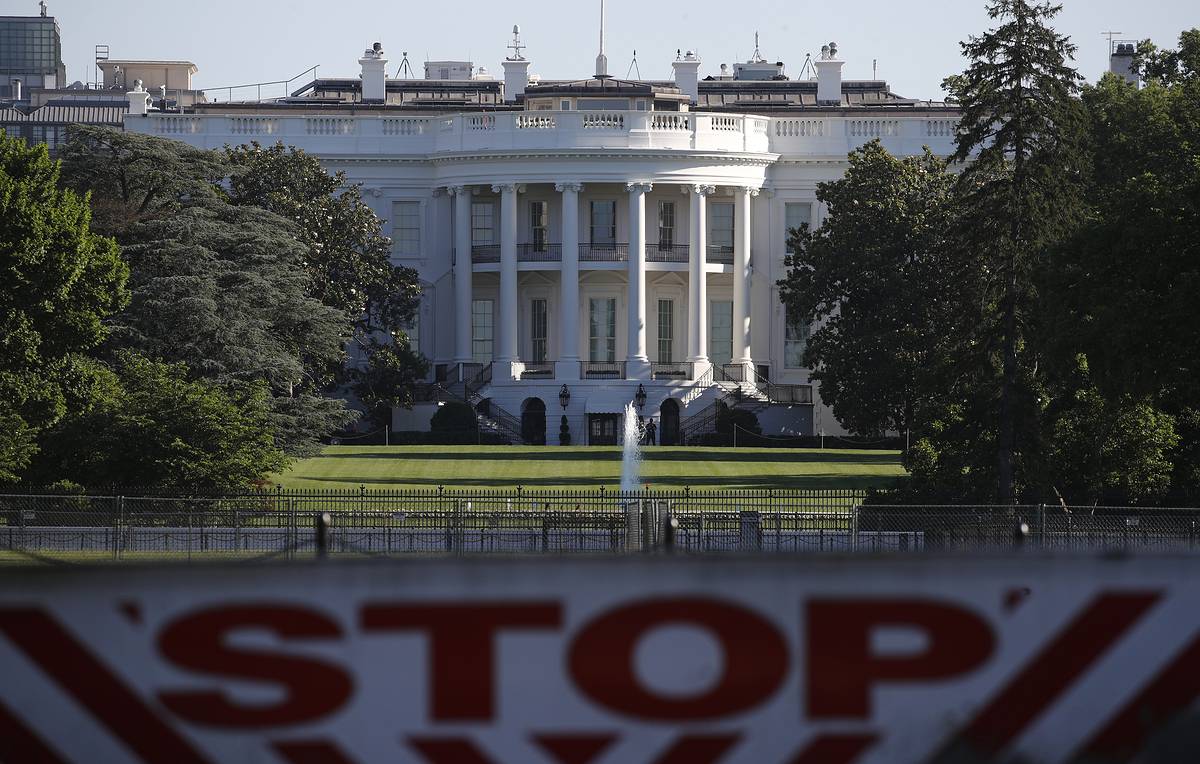
According to Ivan Loshkarev, associate professor at the Moscow State Institute of International Relations (MGIMO), the rationale behind US actions boils down to demanding a surrender from the Iranian leadership, either while retaining power or through a regime change to one more loyal to Washington. However, none of these scenarios is currently on the horizon. The Iranian elites have no incentive to make concessions: in the face of military pressure and the threat of physical elimination, they have "nothing to lose," so one cannot expect them to voluntarily retire from power or accept American conditions, he argued. "A scenario where the United States itself will take the first steps toward de-escalation appears more likely. Rising fuel prices, skepticism from a significant part of society, including Republicans, as well as the upcoming midterm election campaign may put pressure on Washington. If the conflict drags on for another month and a half, it risks becoming a political burden for the administration, which will push it to soften its stance," Loshkaryov noted.