LONDON: Saudi Arabia has emerged as a potential lifeline for other Gulf states who face dwindling stocks of vital medicines the longer the Middle East war goes on.
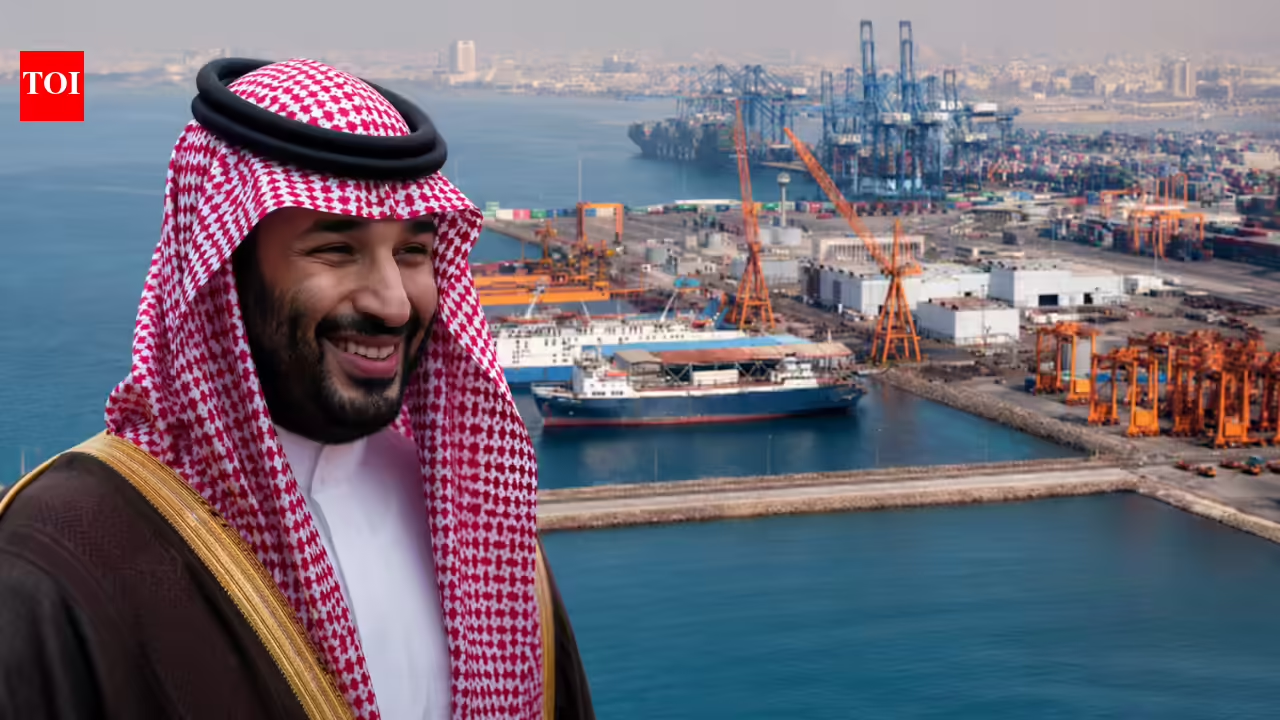
Gulf airspace is constantly disrupted, but Riyadh and Jeddah airports remain open to accept deliveries from pharmaceutical companies. The medicines can then be transported by road to their destination. Other options were Istanbul and Oman.
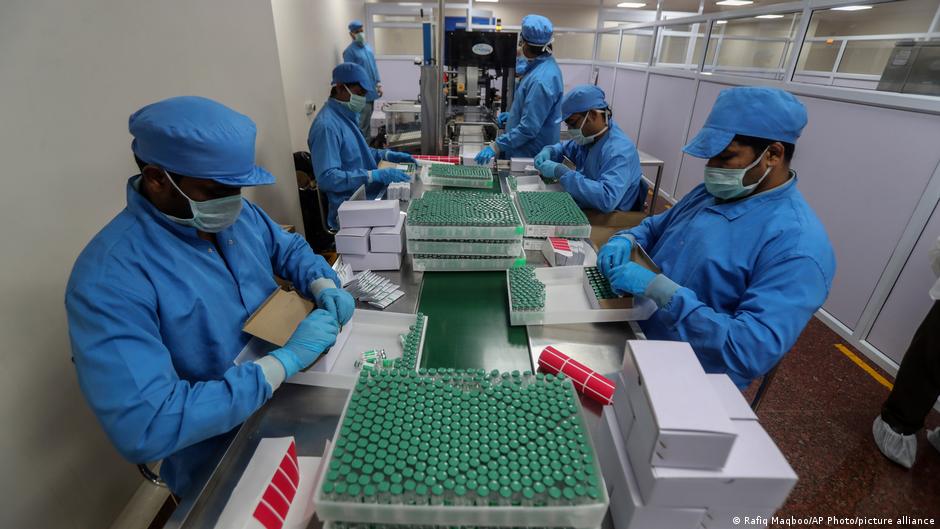
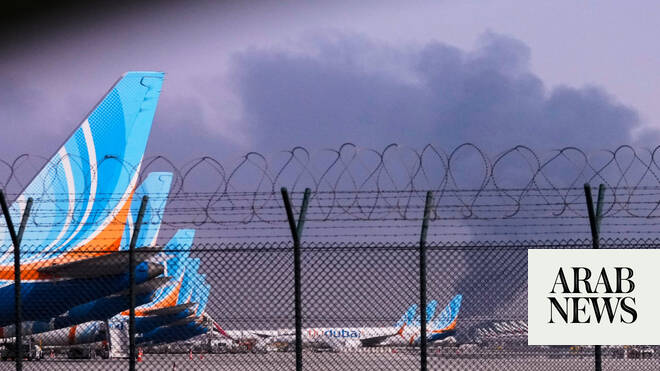
The Gulf relies heavily on imports and some medicines have short shelf lives and need strict cold-chain storage. But major airports in the region including Dubai, Abu Dhabi and Doha have been closed because of drone strikes and missile attacks by Iran. Dubai and Doha are major cargo hubs linking Europe with Asia and Africa,
Some medical facilities are warning they could run low on supplies within four to six weeks, said Prashant Yadav, senior fellow for global health at the Council on Foreign Relations. Cancer drugs were among those at highest risk, he said. Delays in delivery of oncology medicines can have dire consequences for patients.
Wouter Dewulf, a professor at the Antwerp Management School, said industry data showed that over a fifth of global air cargo, the main route for critical or life-saving drugs and vaccines, was exposed to Middle East disruption.