I
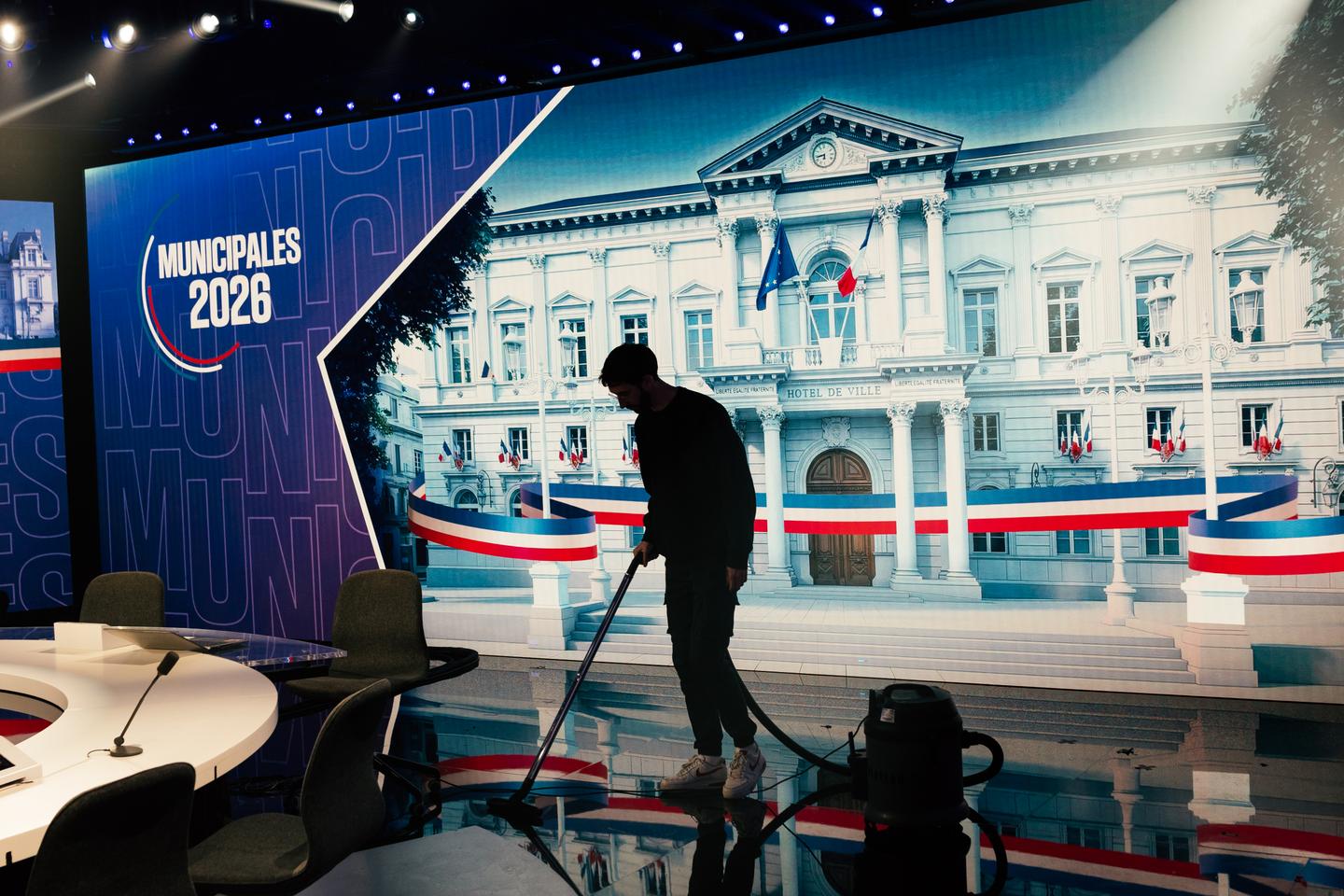
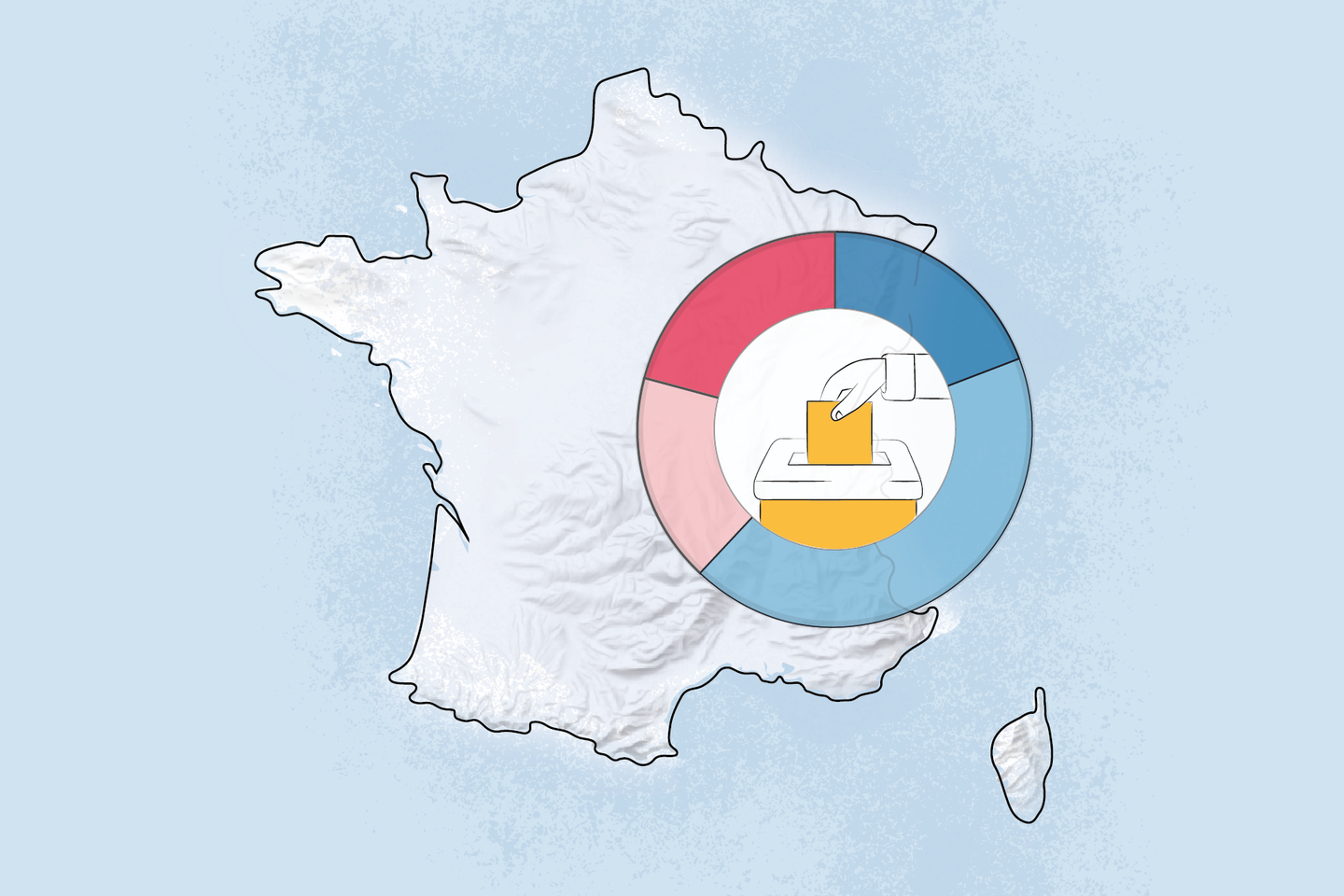
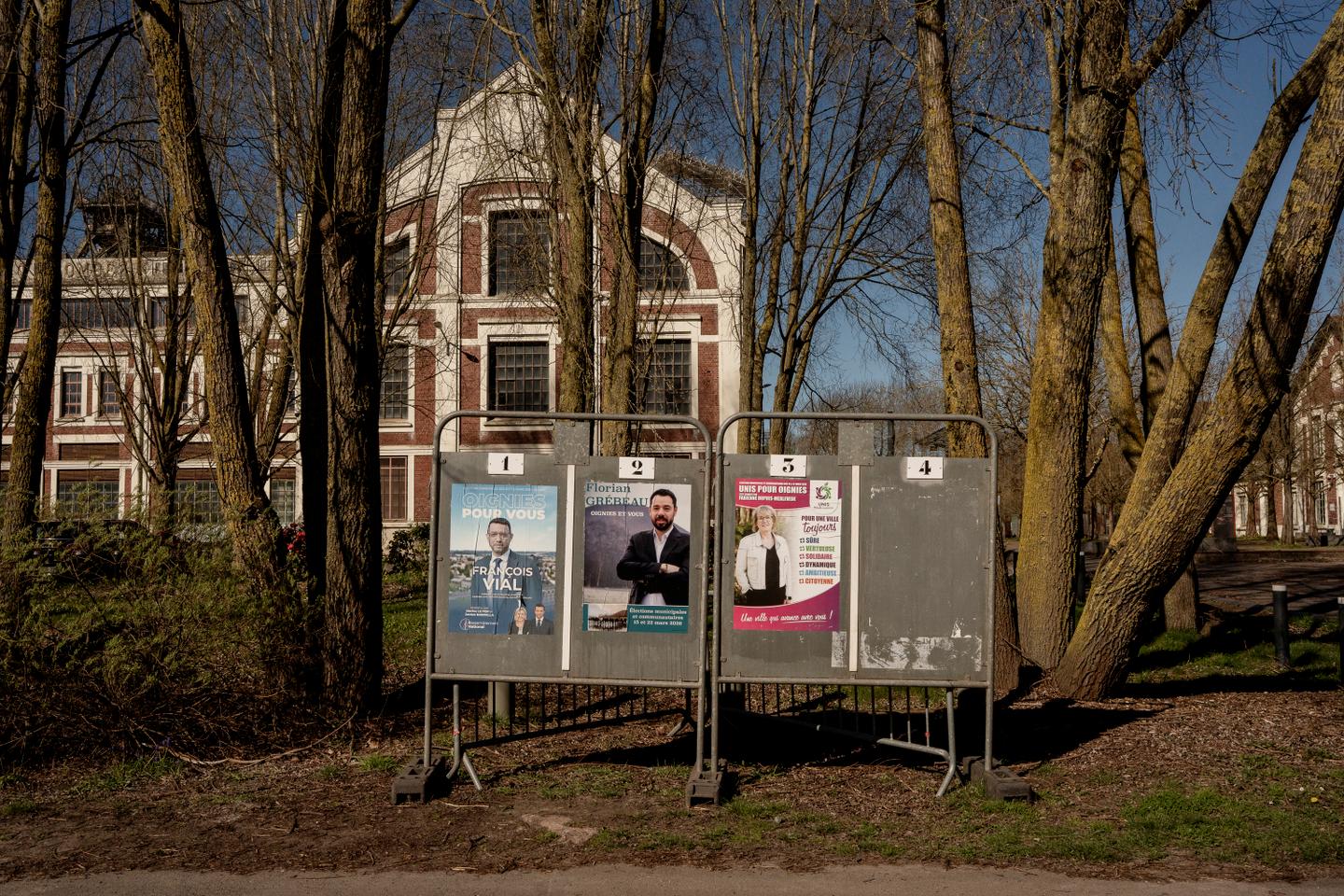
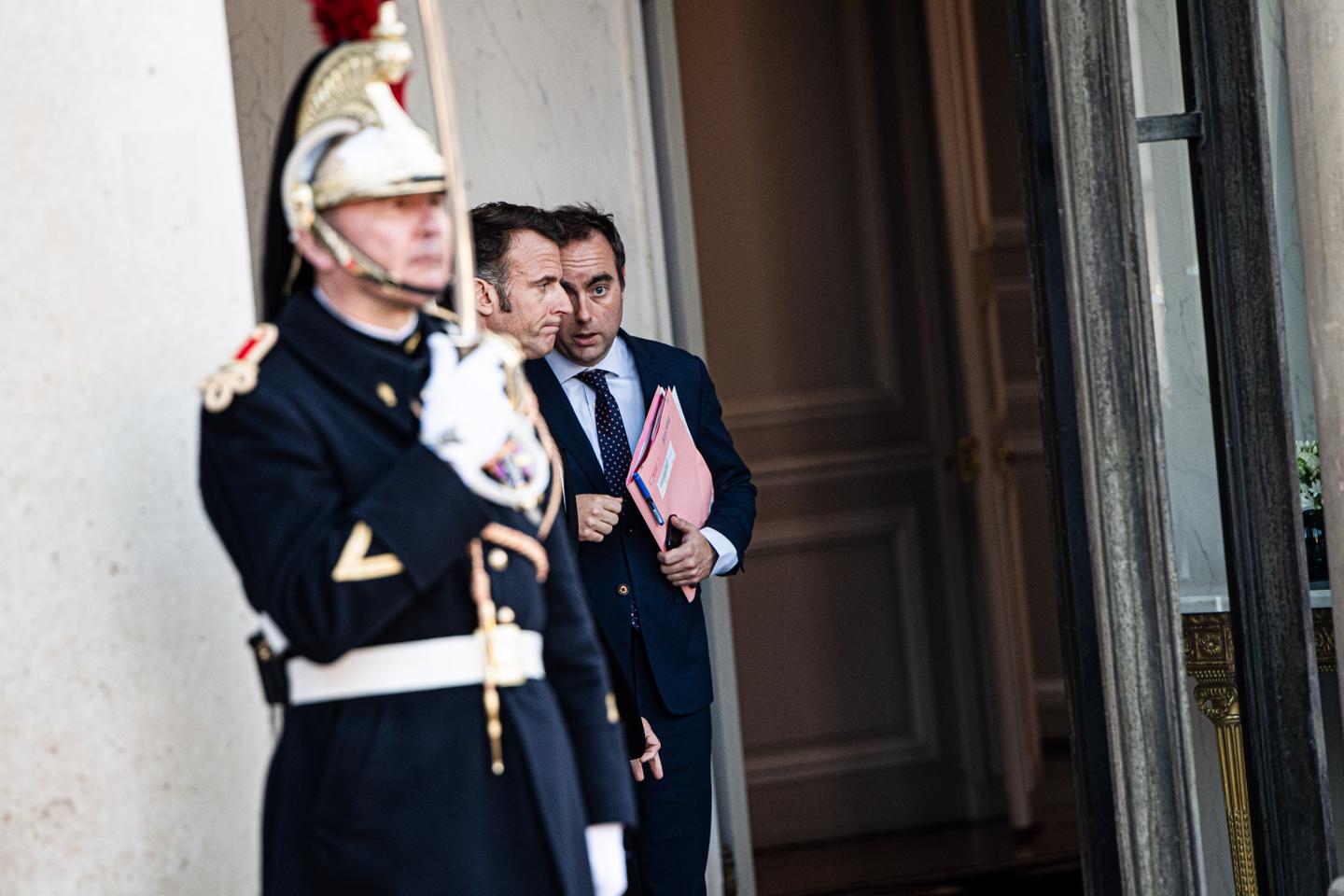
n 2017, French President Emmanuel Macron's election to the Elysée was supposed to reshape the country's political life. Nine years later, the old order has indeed collapsed, but the rebuilding is still ongoing, as shown by the first round of the municipal elections on Sunday, March 15.
With just a year to go before the presidential election, the political landscape has never seemed more fragmented and unstable. Unlike the period from 2017 to 2022, the main dynamic is no longer Macronism, which has been swept out of French municipalities. In many cities, the contest is now being fought within the left and right, each torn by the very different populisms of radical-left La France Insoumise (LFI) and the far-right Rassemblement National (RN).
On Sunday night, the far right did not make highly visible gains in medium-sized cities. Its early victories in Perpignan, near the southern Spanish border, or in the northern town of Hénin-Beaumont, confirmed its stronghold in its traditional heartlands. The RN also made significant advances in major southern metropolitan areas, eclipsing the traditional right in Toulon, Nice and Marseille. On Sunday night, RN president Jordan Bardella made no mistake when he extended "a hand to sincere right-wing [candidates]," delighting supporters of an alliance between the two political families.