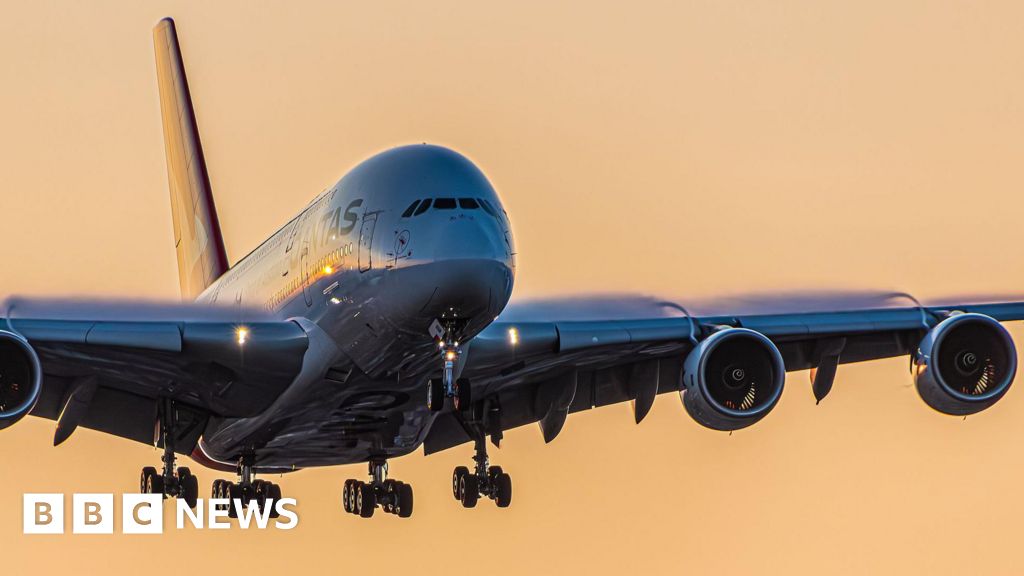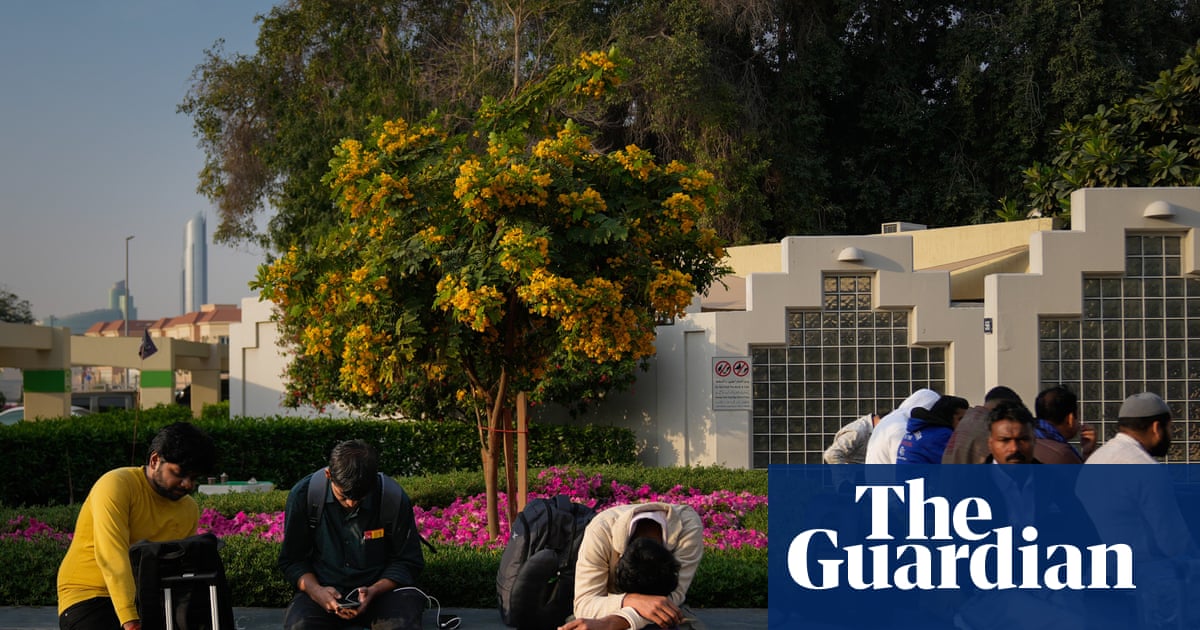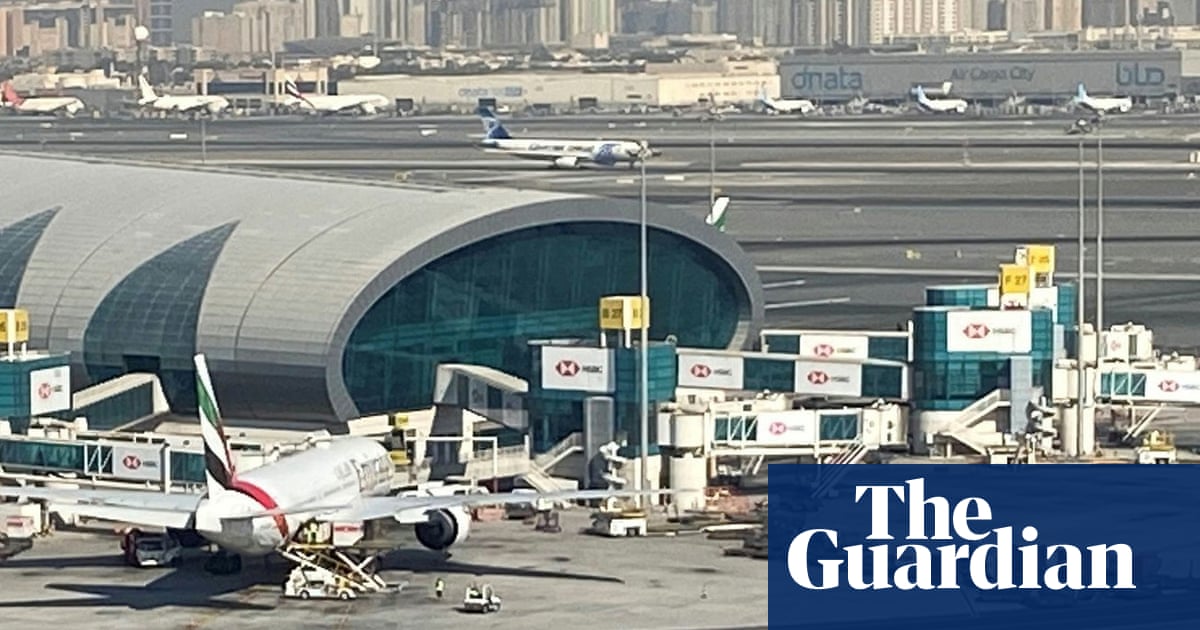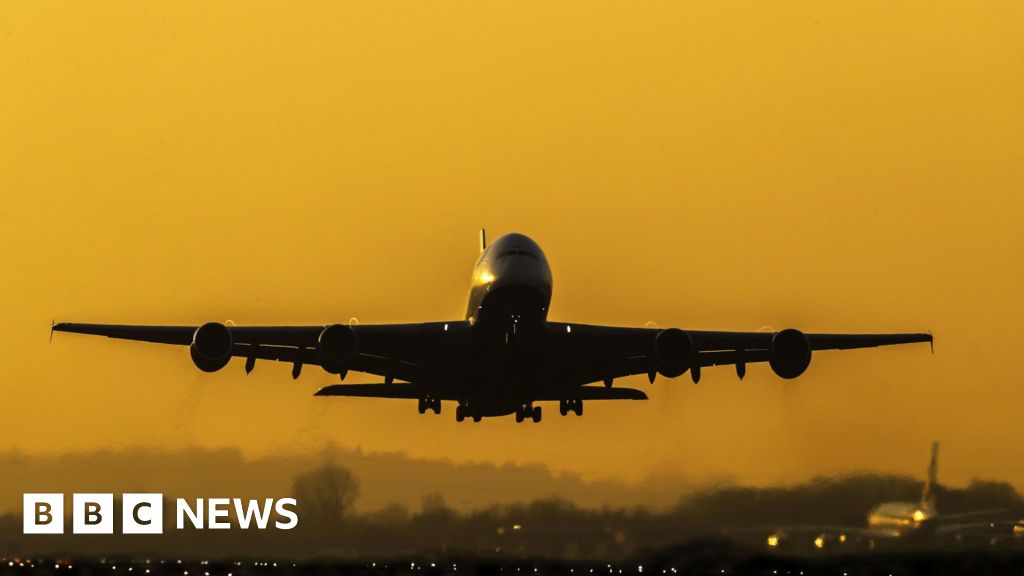
For the last fortnight, as drones and missiles have whistled through the skies above Iran and the Gulf, air traffic controllers have been shepherding passenger jets through safer but congested airspace on the edge of the war.
A glance at a flight tracker map shows how busy Egypt and Georgia have become.
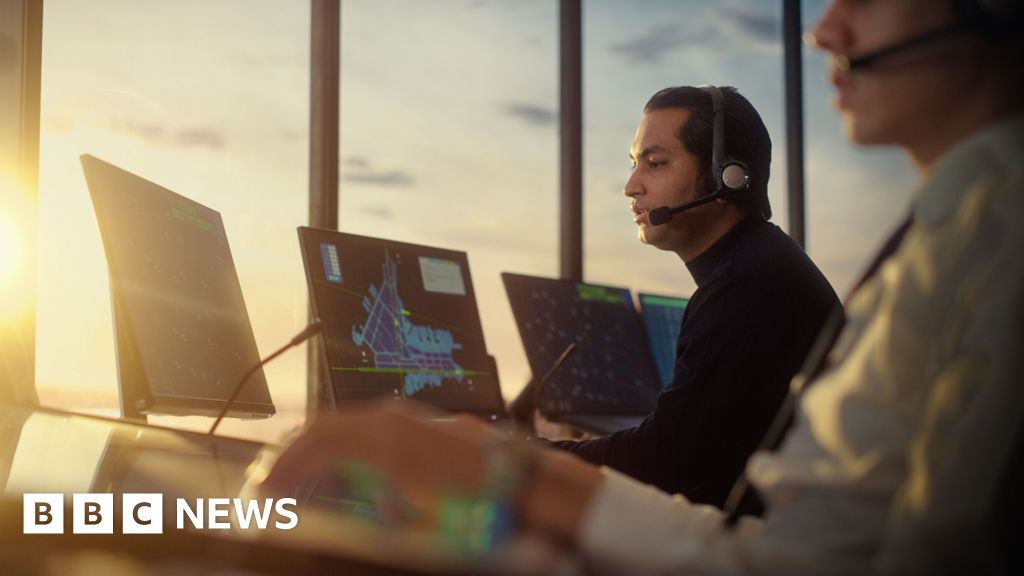
Working side-by-side, each controller looks after a different section of the map, co-ordinating with colleagues which planes are entering and leaving their airspace.
On a normal day an individual controller might manage six aircraft in their area at a time. But when there's a war on, it could be double that.
"The brain can only give that amount of concentration at that level of intensity for 20-30 minutes," says retired air traffic controller, Brian Roche.