As her banned 1989 novella, Women Without Men, is published for the first time in the UK, the Iranian author looks back on a life of resistance and repression
A
s I write this, Iranians around the world are holding their breath for the end of the murderous Islamic Republic. More than three years after the “Woman, Life, Freedom” movement began, amid renewed demonstrations, brutal state crackdowns and now US bombing raids, Shahrnush Parsipur’s banned novella Women Without Men arrives in the UK, where last month it was longlisted for the 2026 International Booker prize.
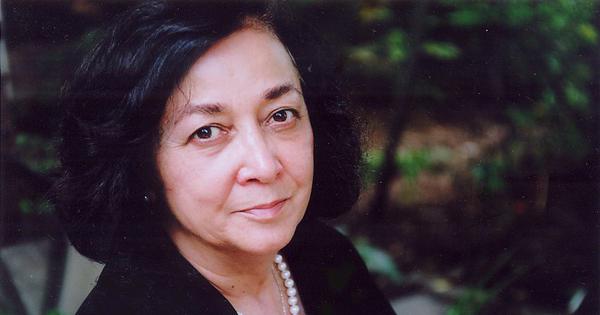
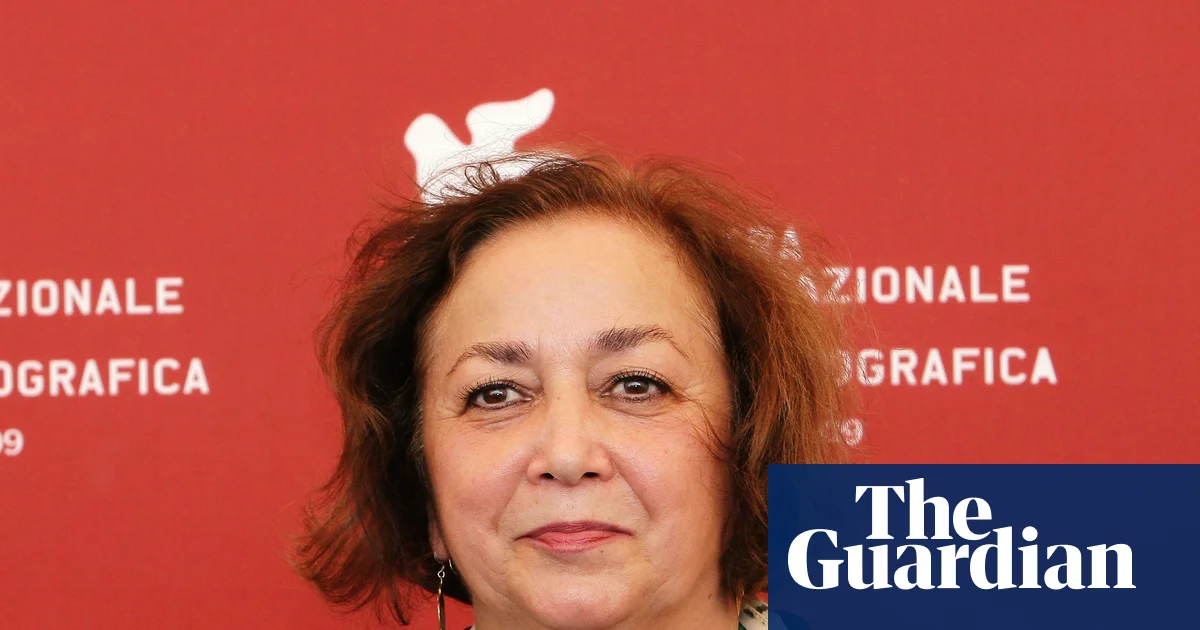
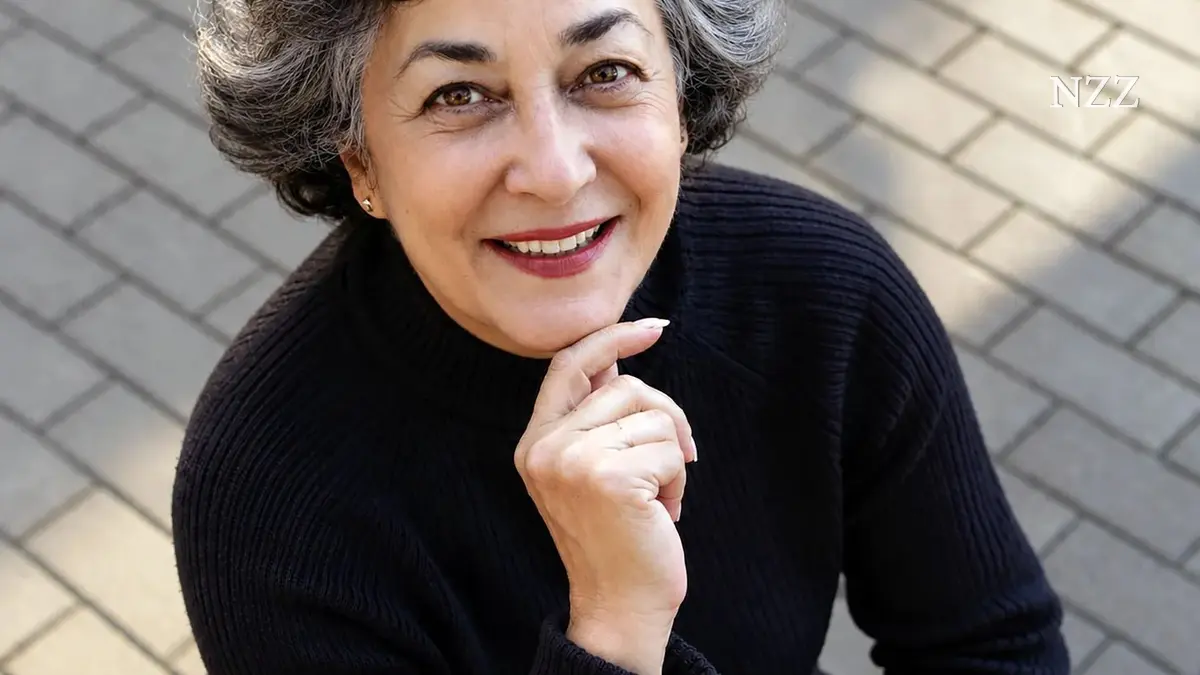
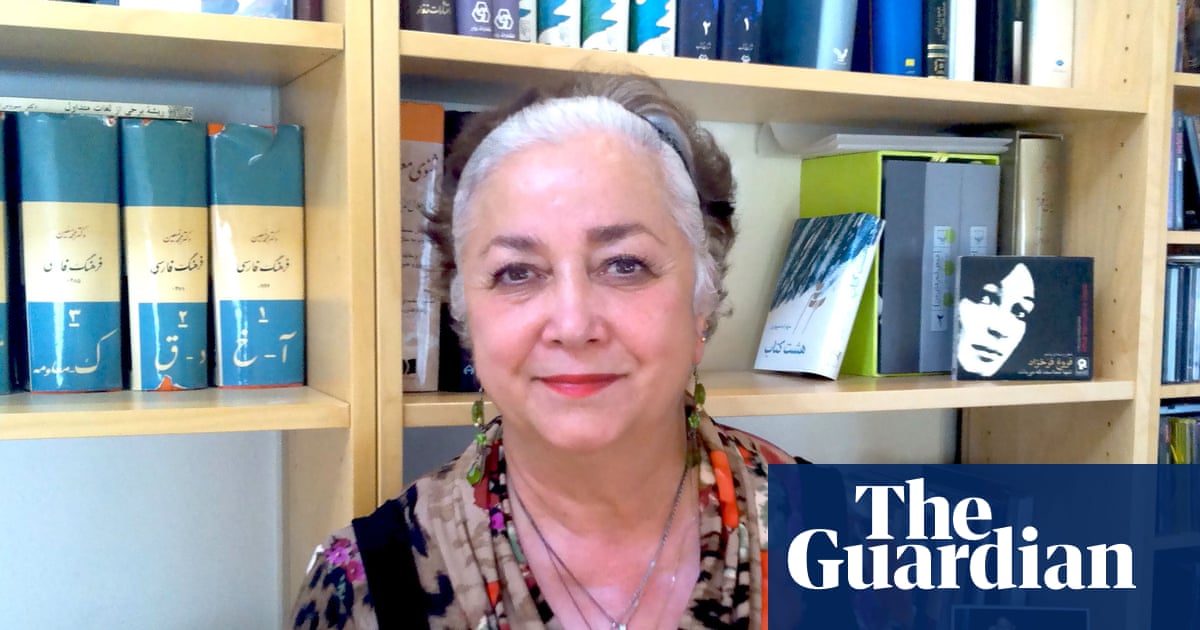
At 80 years old, Parsipur is one of Iran’s most celebrated living writers, and one of our boldest, most original feminists. In the 1980s, her stories were the talk of Iran’s literary circles and she was imprisoned for nearly five years, without ever being formally charged.
Three years after her release, in 1989, she published the novel, Touba and the Meaning of Night, and Women Without Men. These books became an underground success, passed around by Iranian women, and soon Women Without Men fell into the hands of the wife of an Islamic Republic official. Parsipur was arrested and imprisoned again, for her depictions of women’s bodies and sexuality.