Chef Gordon Ramsay yells at people. His mentor was known for throwing pans and plates. That chef, London’s Marco Pierre White, titled his own memoir “The Devil in the Kitchen” — in part for the punishments he meted out to his chefs.
“If you don’t fear the boss, you’ll take shortcuts, you’ll turn up late,” White wrote, saying his kitchen staff at Harveys accepted that. “They were all pain junkies, they had to be. They couldn’t get enough of the bollockings.”
No more.
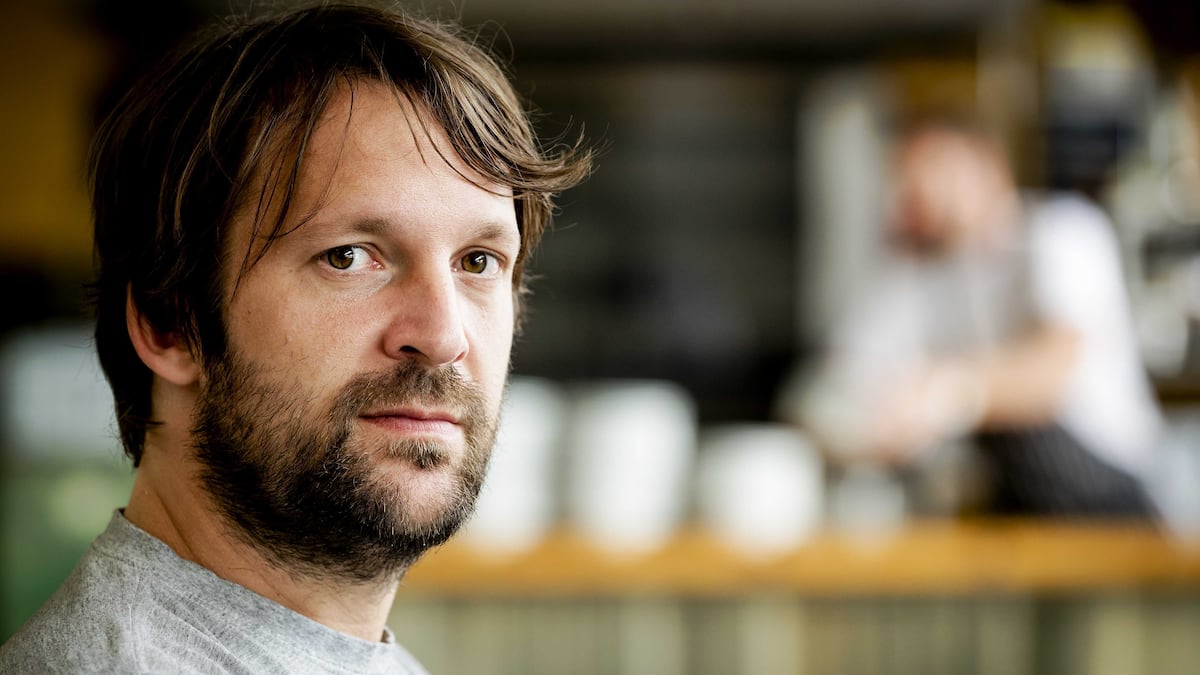
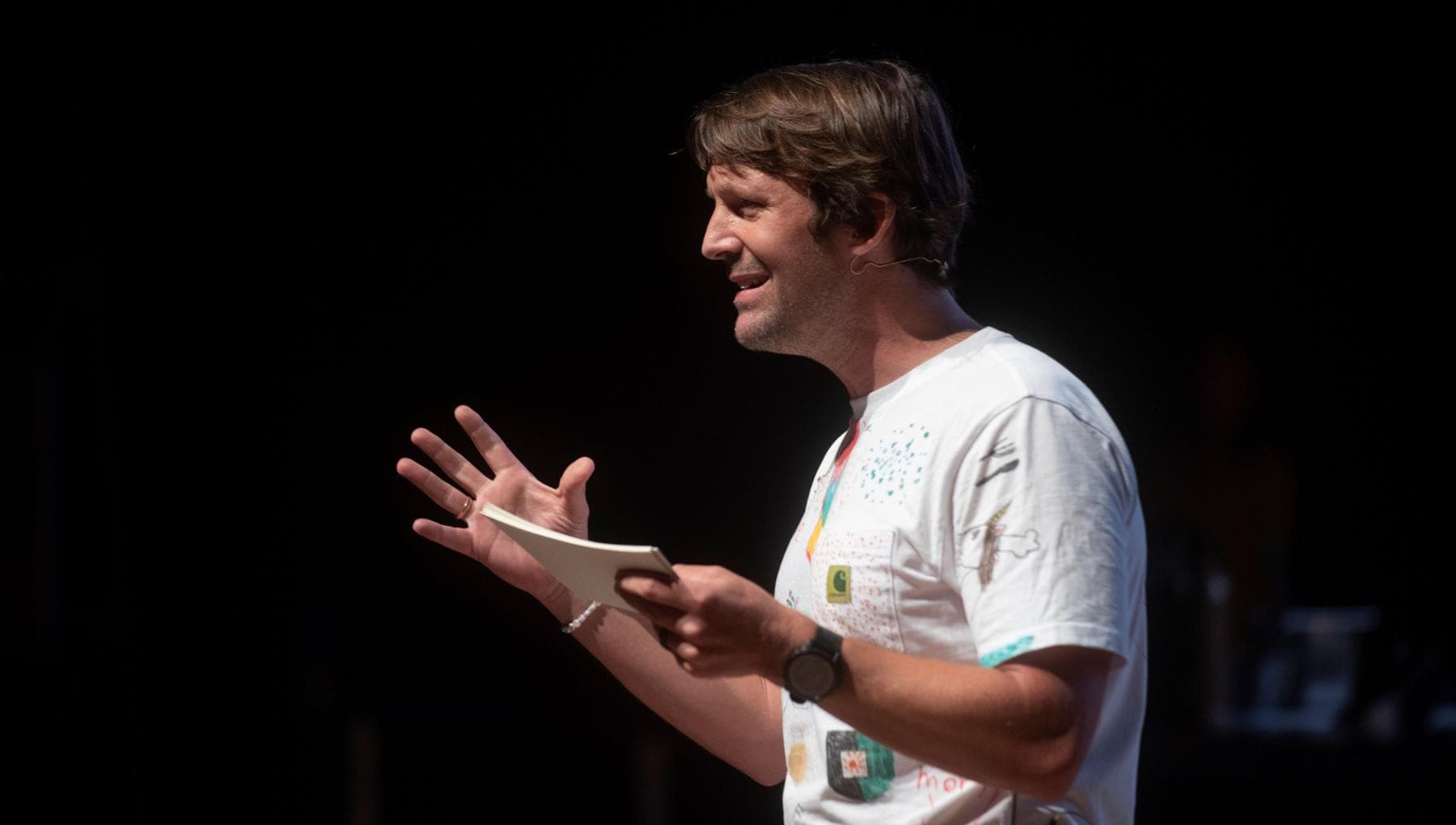
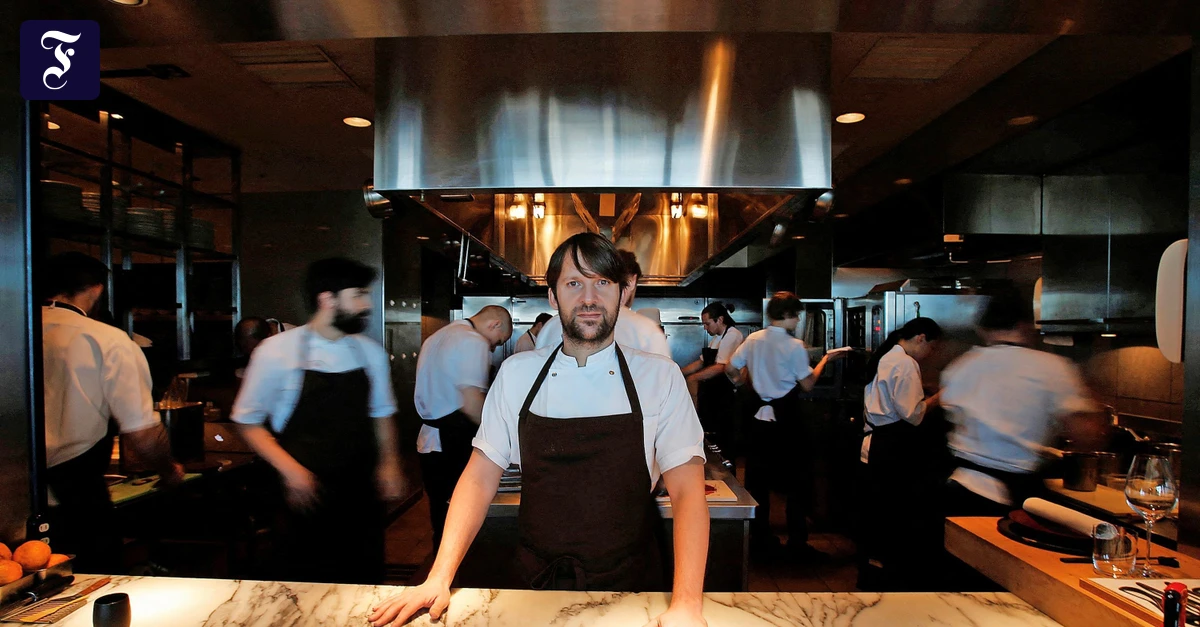
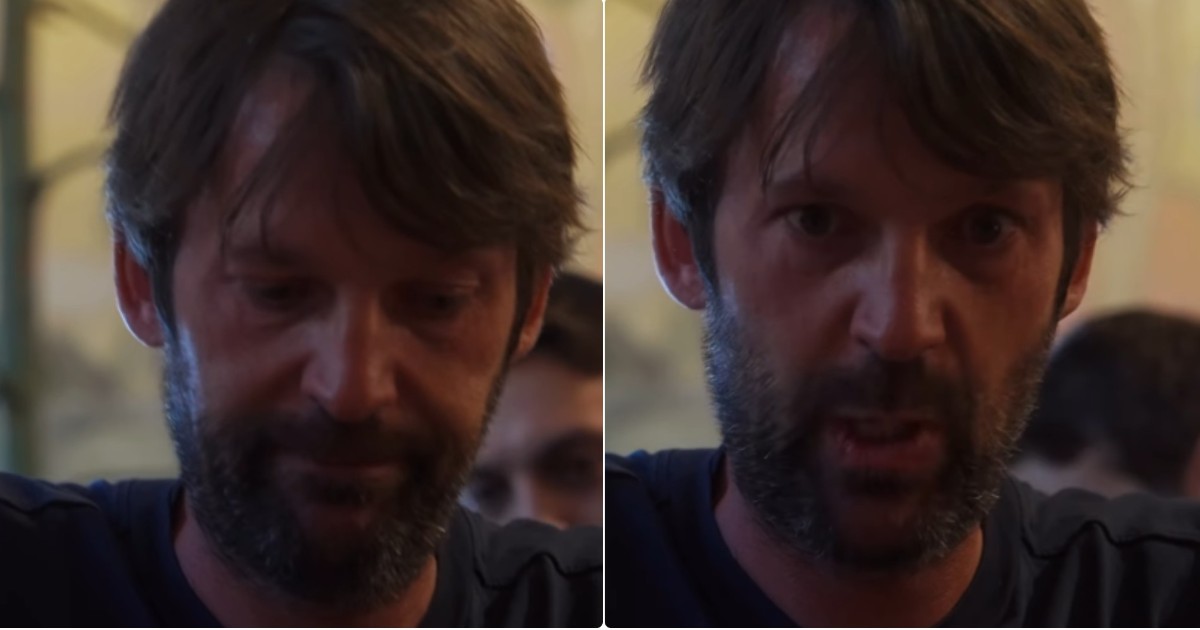
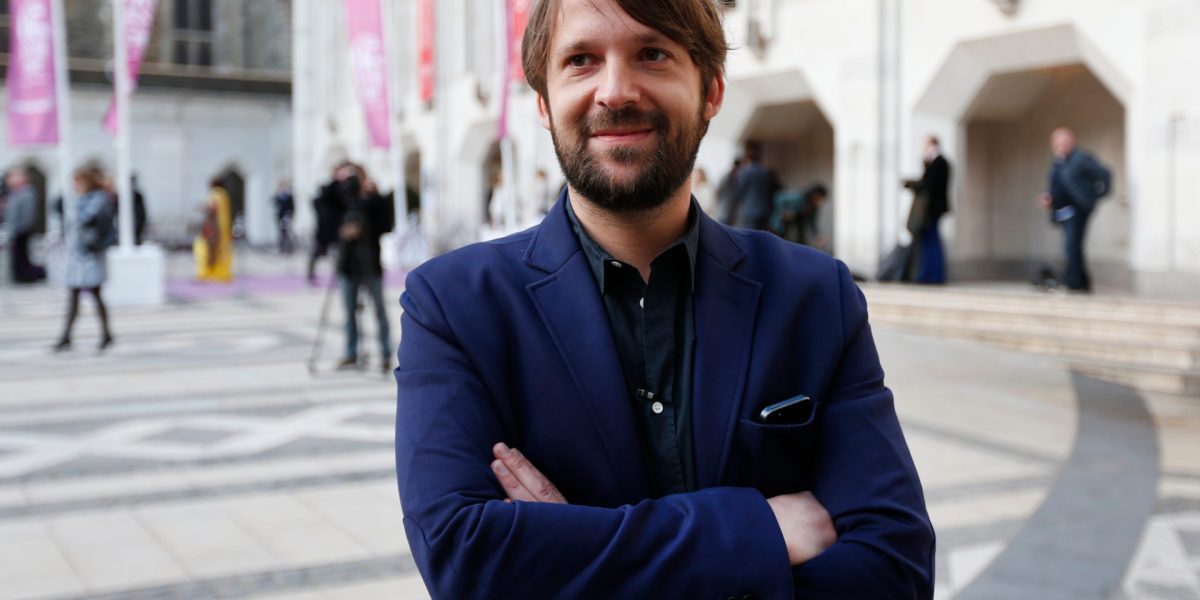
The public downfall this week of Denmark’s Rene Redzepi, arguably the world’s top chef, has forced a reckoning in real time over when “brigade de cuisine” becomes abuse and what should happen to perpetrators who direct the creation of edible art.
At issue is whether time is up on the storied bullying and intimidation of fine dining kitchen culture, brought to the masses through pop culture by celebrity chef reality shows and high-end TV like “The Bear.” Lofty, pricey matters like leadership style and legal liability are suddenly at the center of a relatively small industry known for narrow profit margins, not HR departments or training.