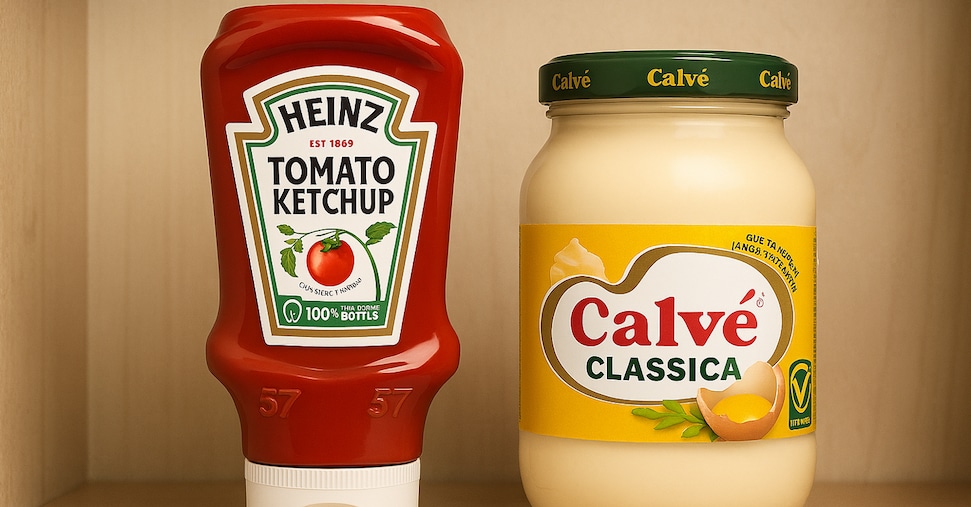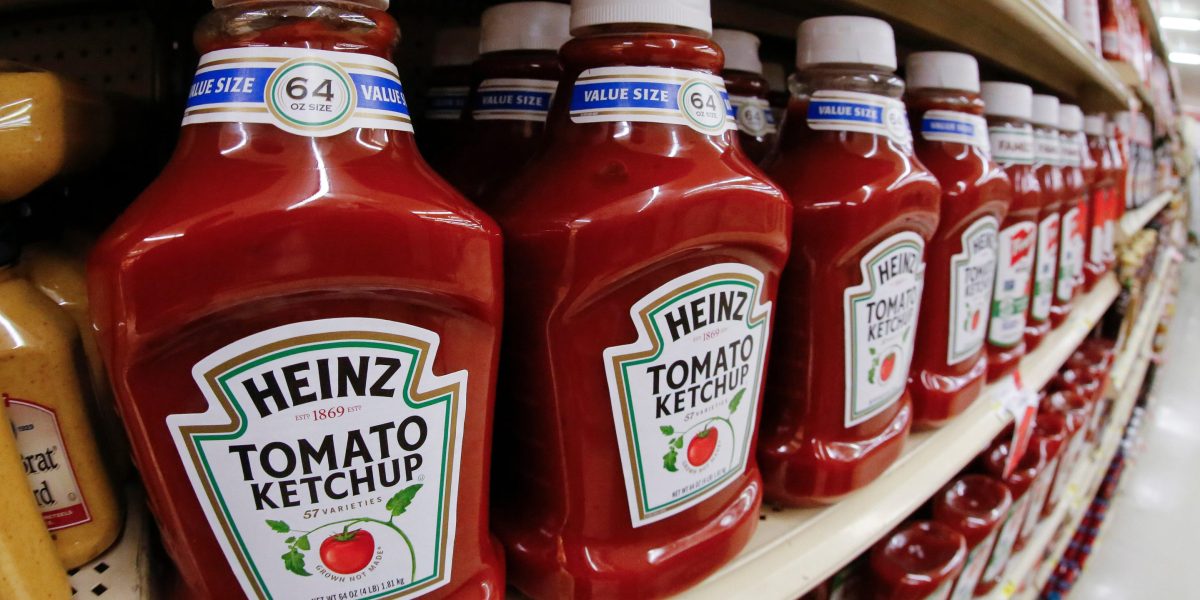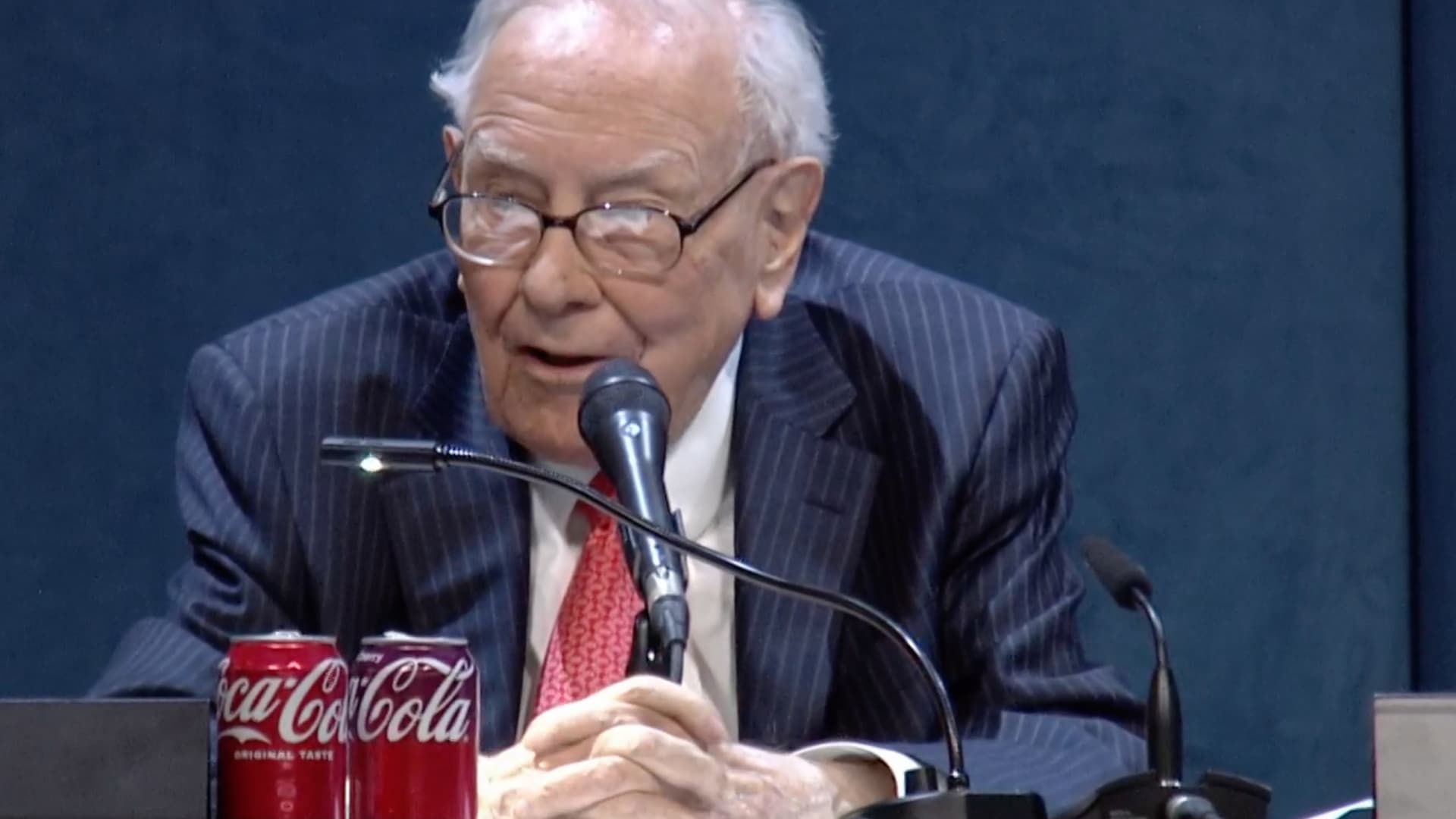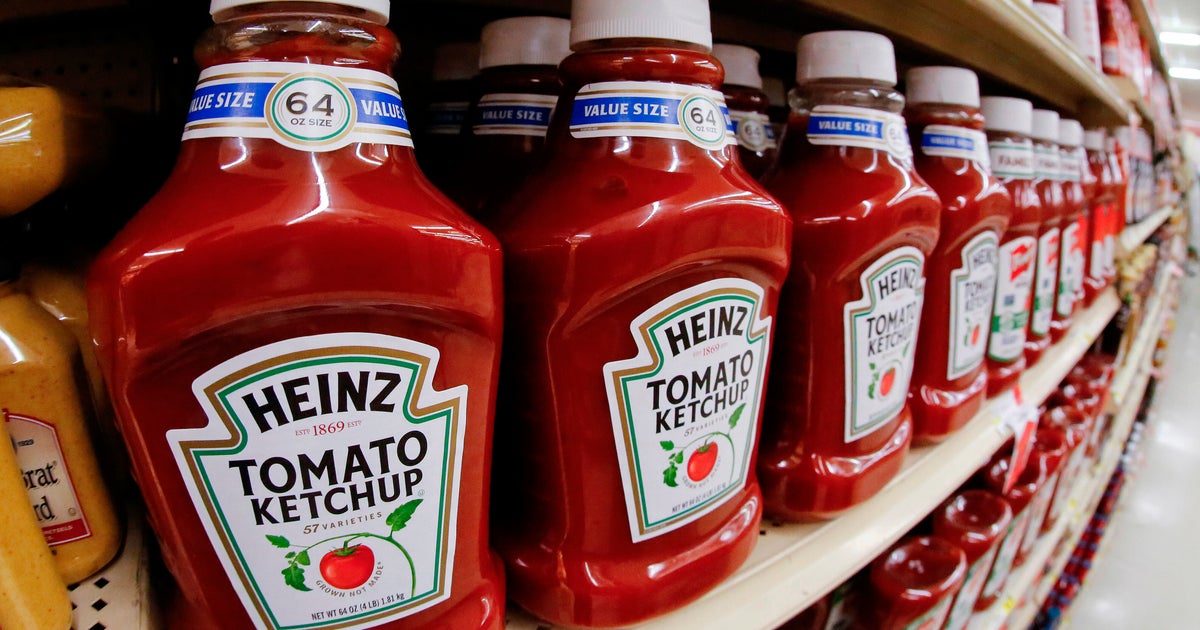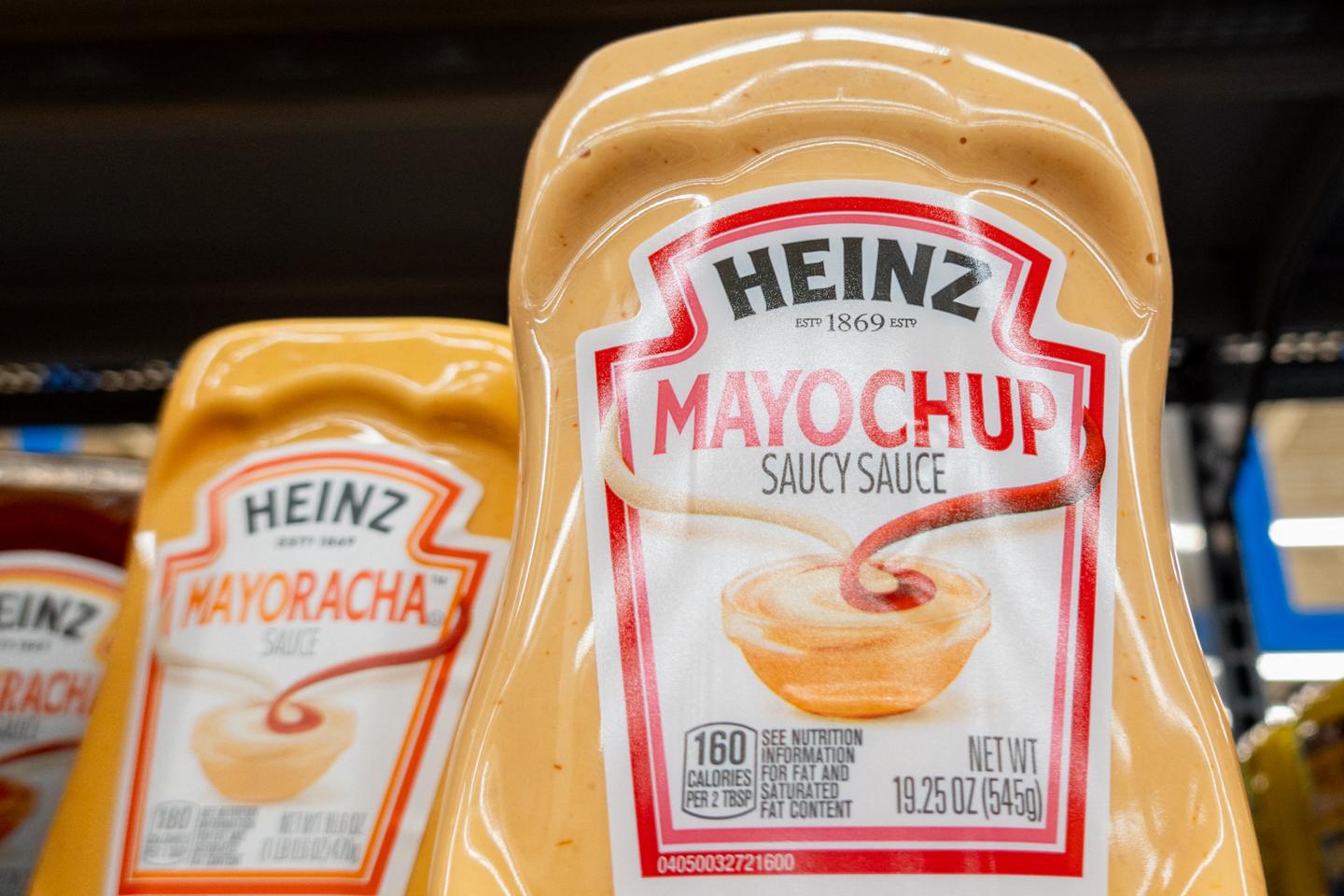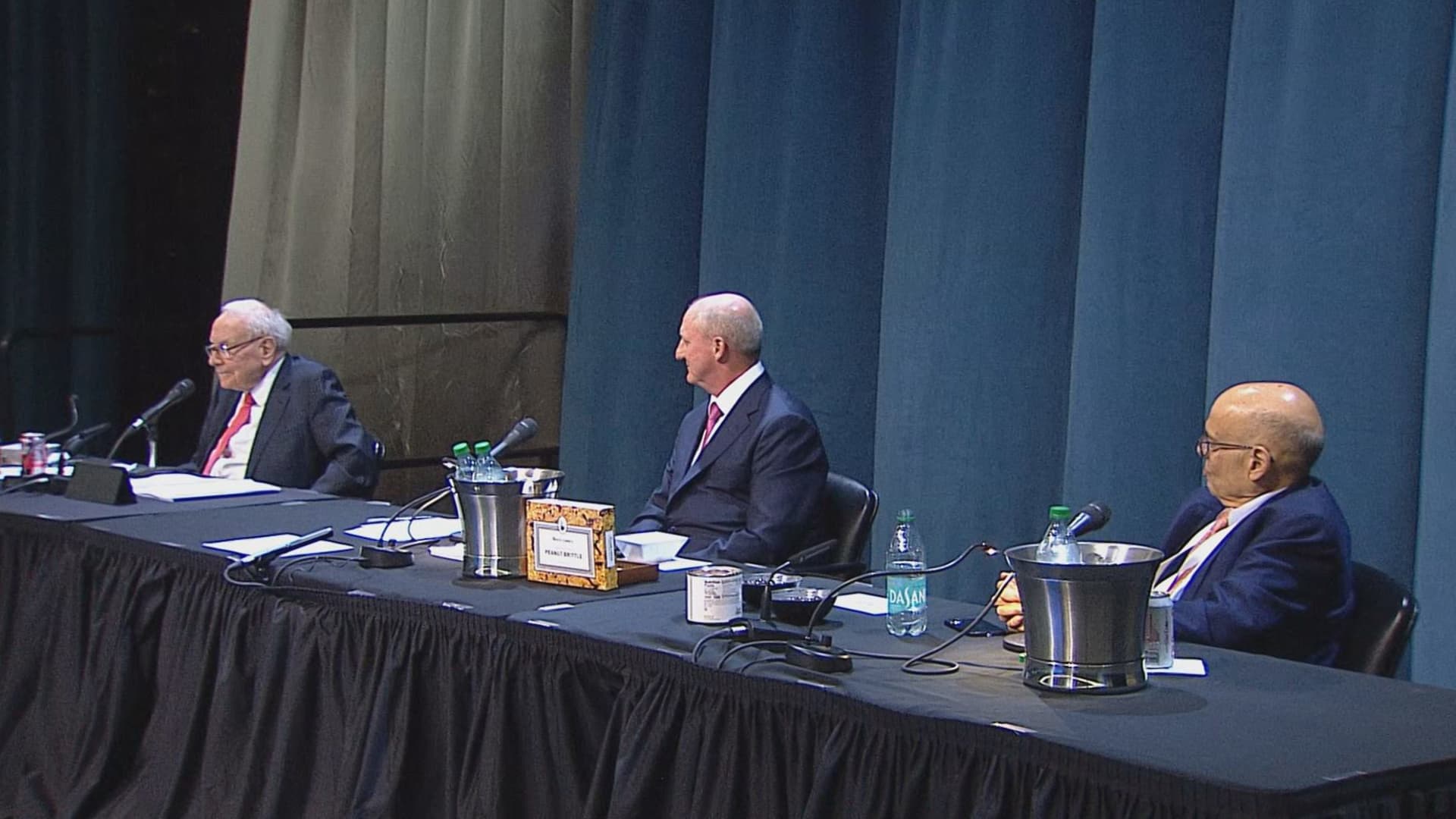
Kraft Heinz has paused its proposed breakup, stepping back from dismantling the 2015 megamerger engineered by Warren Buffett and 3G Capital. The decision follows collapsing quarterly profits, declining sales, and a Berkshire Hathaway filing that would allow it to sell down its roughly 27.5% stake, a potential exit from a decade-long investment. It is the latest chapter in a years-long decline that many attribute to “portfolio problems”: old brands, too much processed cheese, sugary ketchup out of step with modern tastes. But that mistakes the symptom for the cause. Stale products didn’t sink Kraft Heinz. The real question is why they went stale in the first place.
From its 2013 Heinz buyout to the 2015 merger with Kraft, the strategy was financial engineering over value creation: leverage up, merge fast, cut deep. Research budgets were gutted, marketing hollowed out, suppliers squeezed. Sustainability and innovation were treated as distractions, not drivers. The 3G model boosted margins early. But it cut into muscle, not fat.
And the scoreboard doesn’t lie. Since the 2015 merger, Kraft Heinz shares have fallen roughly 65%–70%. Over the same period, the S&P 500 has more than doubled.
In 2019, the company wrote down $15 billion in brand value. It restated earnings. It paid SEC fines. And it cycled through CEO after CEO, a leadership churn that signalled strategic instability, not renewal.